
Have you ever wondered what happens when you pour grease down your kitchen sink? It might seem harmless, but this small action can lead to big problems for your pipes and your home.
You could end up facing clogged drains, costly repairs, and even damage that affects your entire plumbing system. If you want to avoid these headaches and keep your kitchen running smoothly, you need to understand why grease is your sink’s worst enemy.
Keep reading to discover the surprising reasons you should never pour grease down your kitchen sink—and what you can do instead.
Contents
Dangers Of Pouring Grease Down The Sink
Pouring grease down the kitchen sink can cause serious problems. Grease looks harmless when liquid, but it cools and hardens inside pipes. This creates blockages that stop water from flowing. These blockages can lead to costly repairs and damage your home’s plumbing. The effects go beyond your house, harming the environment and local water systems.
Clogged Pipes And Drains
Grease sticks to the inside of pipes. Over time, it builds up and narrows the space for water. This causes slow draining or full blockages. Water can back up into sinks, showers, or even your yard. Clearing these clogs often requires professional help and can be expensive.
Damage To Plumbing Systems
Hardened grease can crack or break pipes. Older pipes are more at risk. Repairs might need pipe replacement or major plumbing work. Damaged pipes can cause leaks and water damage in your home. Protect your plumbing by never pouring grease down the drain.
Environmental Impact
Grease can reach local water systems through drains. It harms fish and plants by blocking sunlight and oxygen. Sewage systems struggle to treat greasy water. This pollution affects rivers, lakes, and oceans. Proper grease disposal helps protect wildlife and water quality.
How Grease Causes Blockages
Grease in the kitchen sink can cause serious plumbing problems. It is liquid when hot but changes quickly as it cools. This change causes blockages that stop water flow. Understanding how grease causes blockages helps prevent costly repairs and clogs.
Solidification Of Grease
Grease turns solid when it cools down. Hot grease flows easily and looks harmless. After entering the pipes, it cools and hardens. This creates sticky clumps that cling to pipe walls. These clumps narrow the pipes and block water.
Build-up Over Time
Small amounts of grease build up slowly inside pipes. Each time you pour grease, more layers form. Over weeks or months, the layers grow thicker. This reduces pipe space and slows drainage. Eventually, the pipe gets fully blocked.
Interaction With Other Waste
Grease mixes with food scraps and soap in drains. This mix creates tough, sticky masses inside pipes. These masses trap dirt and debris easily. They become harder to remove and cause stronger blockages. Pipes can burst if pressure builds too much.
Costly Consequences Of Grease Disposal
Pouring grease down the kitchen sink causes serious problems. Grease hardens inside pipes and blocks water flow. This blockage leads to costly repairs and damage. The expenses can quickly add up. Knowing these costs helps you avoid mistakes.
Expensive Repairs
Grease buildup clogs pipes and causes backups. Fixing clogged pipes often requires plumbing services. Plumbers may need special tools to remove hardened grease. Repair costs can reach hundreds or even thousands of dollars. These repairs can disrupt your daily routine, too.
Potential Property Damage
Blocked drains can overflow and cause water damage. Water leaks may harm floors, walls, and cabinets. Mold and mildew can grow in damp areas. Property damage repairs are costly and time-consuming. Preventing grease clogs protects your home’s value.
Professional Cleaning Fees
Sometimes, grease clogs require professional cleaning services. These experts use expensive equipment to clear pipes. The cleaning fees add to your total costs. Regular professional cleanings become necessary without proper grease disposal. Avoid these fees by keeping grease out of drains.
Grease And Sewer System Problems
Grease from cooking oils and fats causes serious problems in sewer systems. It does not wash away with water. Instead, it cools and hardens inside pipes. This buildup blocks water flow and leads to many issues. Understanding these problems helps protect our homes and communities.
Fatbergs Formation
Fatbergs are large clumps of grease and waste. They form when grease mixes with wet wipes and trash. These masses block sewer pipes completely. Removing fatbergs is costly and takes a lot of time. They can weigh several tons and stretch for meters.
Sewage Overflows
Blocked pipes cause sewage to overflow into streets and homes. This overflow spreads dirty water everywhere. It damages property and pollutes the environment. Sewage backups force expensive repairs and cleanups. Preventing grease buildup stops these overflows.
Public Health Risks
Sewage overflows carry harmful bacteria and viruses. These germs cause diseases and infections. Contact with sewage is dangerous for people and pets. Clean water and proper sewer function keep communities healthy. Avoiding grease disposal down the sink reduces health risks.
Safe Grease Disposal Methods
Safe grease disposal protects your pipes and the environment. Grease can clog sinks and harm water systems. Using proper disposal methods keeps your home safe and clean.
Using Containers For Grease
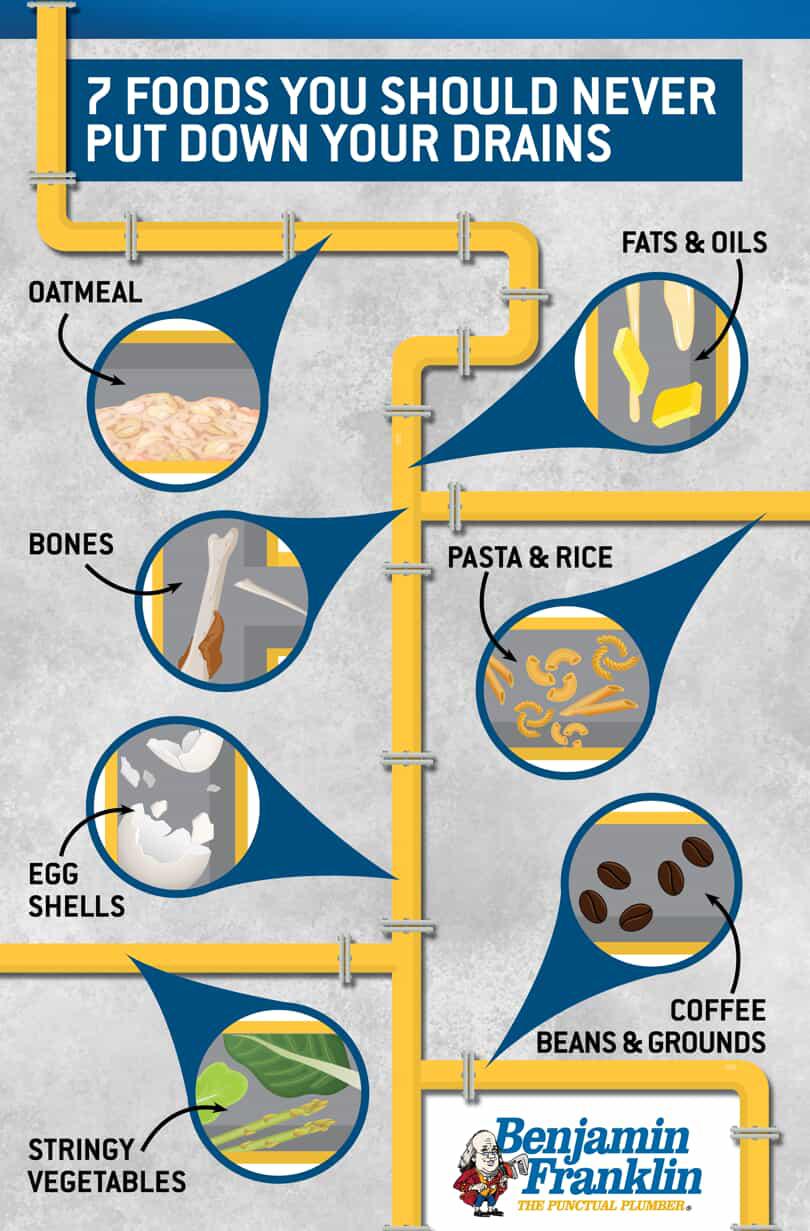
Pour cooled grease into a sturdy container. Use an empty jar or a can with a lid. Seal the container tightly to avoid spills. Throw it in the trash once full. This method stops grease from entering drains.
Recycling And Composting Options
Some areas accept cooking oil for recycling. Check local programs for used grease collection. Certain compost sites allow small amounts of grease. Always confirm rules before dropping off. Recycling helps reduce waste and pollution.
Disposal At Waste Facilities
Waste facilities often take large amounts of cooking grease. They handle it safely and recycle when possible. Call your local facility to learn their process. Proper disposal prevents damage to sewer systems.
Credit: www.benjaminfranklinplumbing.com
Preventive Tips For Kitchen Grease
Keeping kitchen grease out of your sink protects pipes and prevents clogs. Simple habits stop grease buildup and save costly repairs. These easy tips help maintain a clean, healthy kitchen drain.
Wiping Pans Before Washing
Use paper towels to wipe grease from pans before washing. This removes most fat, preventing it from entering the sink. Throw the towels in the trash, not the drain. This small step cuts down grease buildup significantly.
Using Sink Strainers
Place a strainer over your sink drain to catch food scraps and grease lumps. Empty the strainer regularly into the trash. This stops solid grease from going down the pipes. A strainer is a simple tool that protects your plumbing.
Regular Drain Maintenance
Clean your drains often with hot water and baking soda. This breaks down small grease deposits before they clog pipes. Avoid chemical drain cleaners; they can damage plumbing. Regular maintenance keeps water flowing and prevents blockages.
Community Efforts To Manage Grease
Grease from kitchens causes big problems in pipes and water systems. Communities work hard to stop grease from going down the sinks. These efforts protect water quality and reduce costly repairs. Everyone benefits when grease is handled properly.
Grease Disposal Programs
Many towns offer special places to drop off used cooking oil and grease. These programs keep grease out of drains. People learn where to take their grease safely. This helps prevent clogged pipes and pollution.
Public Awareness Campaigns
Communities run campaigns to teach people about grease problems. Posters, flyers, and social media share simple tips. These campaigns show why grease should never go down the drain. Clear messages help change habits quickly.
Local Regulations
Some cities have rules about grease disposal for homes and restaurants. These laws require proper grease handling and cleanup. Businesses may need grease traps to catch oils before water enters pipes. Rules protect public health and the environment.

Credit: marcoplumbing.ca
Credit: www.alamy.com
Frequently Asked Questions
Why Is Pouring Grease Down The Sink Harmful?
Pouring grease down the sink causes clogs by solidifying in pipes. It leads to blockages and expensive plumbing repairs. Grease buildup also harms the environment by contaminating water systems. Avoiding this prevents plumbing issues and protects local ecosystems effectively.
How Does Grease Damage Kitchen Plumbing?
Grease coats the interior of pipes, hardening over time. This restricts water flow, causing slow drainage and backups. Eventually, pipes may burst or leak, requiring costly fixes. Preventing grease disposal in sinks keeps plumbing systems functioning well and reduces repair expenses.
What Happens To Grease In Sewer Systems?
Grease cools and solidifies in sewer lines, creating blockages called fatbergs. These blockages disrupt sewage flow and cause overflows. Cleaning fatbergs is expensive and labor-intensive for municipalities. Proper grease disposal prevents sewer damage and protects public health.
Can Grease Cause Environmental Pollution?
Yes, grease entering water systems harms aquatic life. It reduces oxygen levels and clogs waterways. This pollution disrupts ecosystems and drinking water sources. Properly disposing of grease reduces environmental risks and supports clean water conservation.
Conclusion
Grease clogs pipes and causes costly plumbing problems. It harms the environment and pollutes water. Pouring grease down the sink leads to blocked drains and bad smells. Instead, let the grease cool and throw it in the trash. This small action saves money and protects your home.
Keep your kitchen clean and your pipes clear. Avoid grease to keep everything flowing smoothly. Simple habits make a big difference in plumbing health. Don’t risk damage—choose the right way to dispose of grease. Your home and the planet will thank you.