
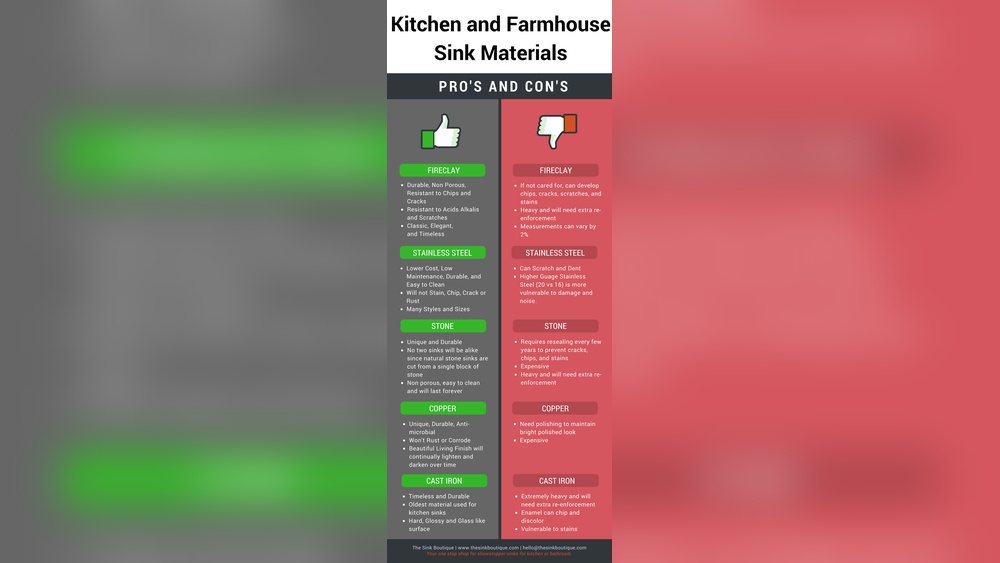
Choosing the right sink for your kitchen is more than just picking a style—it’s about finding something that lasts. When it comes to durability, stainless steel and fireclay sinks often top the list.
But which one truly stands up to daily wear and tear? If you want a sink that can handle everything from heavy pots to sharp knives without losing its charm, you need to know the real difference in strength and resilience.
Keep reading to discover which sink will give you the best value and peace of mind for years to come.

Credit: www.ruvati.com
Contents
Material Composition
The durability of a sink depends heavily on its material composition. This affects how well the sink handles daily use, resists damage, and maintains its look over time. Stainless steel and fireclay are two common materials for sinks, each with unique features. Understanding their properties helps you choose a sink that lasts longer in your kitchen.
Stainless Steel Properties
Stainless steel is made from a mix of iron, carbon, and chromium. Chromium gives it a shiny surface and stops rust from forming. This metal is lightweight but strong. It resists dents and scratches better than many materials. Stainless steel sinks handle heat well. They do not stain easily and clean up fast. Their smooth surface also stops bacteria from growing. These traits make stainless steel a tough choice for busy kitchens.
Fireclay Characteristics
Fireclay sinks are made from clay and glaze fired at very high temperatures. This process creates a hard, glass-like surface. Fireclay is heavy and solid. It resists scratches, chips, and stains well. The glaze makes it non-porous, so it won’t absorb water or germs. Fireclay sinks keep their bright, clean look for years. They can crack if hit very hard, but stay durable under normal use. These sinks offer a classic, stylish look with strong durability.

Credit: www.vandykes.com
Resistance To Damage
Resistance to damage is a key factor when choosing a sink. It affects how long the sink lasts and keeps looking good. Both stainless steel and fireclay sinks have strengths and weaknesses. Understanding their resistance to scratches, dents, heat, stains, and chemicals helps make the right choice.
Scratch And Dent Resistance
Stainless steel sinks can show scratches easily. Thin metal may dent if hit hard. Thicker steel offers better dent protection. Fireclay sinks resist scratches well due to their hard surface. They rarely dent but can chip if struck sharply. Fireclay is tougher against everyday wear.
Heat Tolerance
Stainless steel handles heat without damage. Hot pots or pans do not affect it. Fireclay also resists high heat well. It can handle boiling water or hot dishes. Neither sink warps nor weakens from heat. Both sinks suit busy kitchens with hot cooking.
Stain And Chemical Resistance
Stainless steel resists most stains but can show water spots. It cleans easily with mild detergents. Fireclay resists stains better due to its smooth glaze. It does not absorb liquids or colors. Fireclay also resists harsh chemicals well. Both sinks stay clean with regular care.
Maintenance And Cleaning
Maintenance and cleaning play a key role in the durability of sinks. Both stainless steel and fireclay sinks need care to keep them looking good and working well. Regular cleaning stops damage and keeps your sink fresh. Understanding how to clean each type helps you choose the best option for your kitchen.
Ease Of Cleaning
Stainless steel sinks clean easily with mild soap and water. They resist stains and don’t hold dirt. A soft cloth or sponge works well to wipe them down. Avoid harsh scrubbing to stop scratches. Fireclay sinks have a smooth surface that resists stains and scratches. They clean well with gentle cleaners. Avoid abrasive pads that can damage the finish. Both sinks dry quickly, so wipe them after use to stop water spots.
Long-term Care Tips
For stainless steel sinks, avoid leaving acidic or salty foods on the surface. These can cause discoloration over time. Use a stainless steel cleaner once a month to restore shine. Fireclay sinks benefit from regular wiping to stop mineral buildup. Avoid dropping heavy items on fireclay to prevent chips. Both sinks last longer with quick cleaning after use. Proper care keeps your sink strong and beautiful for years.
Aesthetic Appeal
The look of a sink plays a big role in kitchen design. A sink’s style can change the whole room. Choosing between stainless steel and fireclay means thinking about how each looks. Both materials offer strong visual appeal, but in different ways. This section explores their design and finish options, color, and texture differences.
Design And Finish Options
Stainless steel sinks have a sleek, modern look. They suit many kitchen styles, from contemporary to industrial. Their smooth surface shines and reflects light, making the space feel bright. You can find stainless steel in different finishes, like brushed or polished. Each finish changes the sink’s look and feel.
Fireclay sinks have a classic, timeless design. They often come with a farmhouse or apron front style. Their smooth, glossy finish looks clean and elegant. Fireclay sinks add a warm, traditional touch to kitchens. The finish is thick and durable, resisting scratches and stains well.
Color And Texture
Stainless steel sinks usually come in a silver-gray shade. This neutral color fits most kitchen palettes. The texture is smooth but can show water spots and fingerprints easily. Some stainless steel sinks have a matte finish to reduce these marks.
Fireclay sinks offer more color choices. White is the most common, but cream, black, and other shades exist. The surface is smooth and shiny, creating a polished look. The texture feels solid and heavy, which adds to its charm. Fireclay’s rich colors stay bright over time without fading.
Installation And Cost
Choosing between stainless steel and fireclay sinks involves thinking about installation and cost. These factors affect your budget and the effort needed to set up the sink. Understanding these details helps you make a better decision for your kitchen.
Installation Process
Stainless steel sinks are usually easier to install. They are lighter and fit most standard cabinets. You can often install them yourself with basic tools.
Fireclay sinks are heavier and more fragile. Their installation needs extra care and strength. Professionals often handle fireclay sink installation to avoid damage.
Fireclay sinks may require special support inside the cabinet. This adds to the complexity and time of installation.
Price Comparison
Stainless steel sinks tend to cost less than fireclay sinks. They offer a range of prices depending on thickness and brand.
Fireclay sinks usually have a higher price tag. The material and manufacturing process increase their cost.
Installation for fireclay sinks can also add to the total expense. Professional help is often needed, raising labor costs.
Lifespan And Warranty
The lifespan and warranty of a sink are key factors in choosing between stainless steel and fireclay. These aspects affect the sink’s long-term value and performance. Understanding how long each type lasts and the coverage offered by manufacturers helps you make a smart choice.
Expected Durability
Stainless steel sinks usually last 15 to 30 years. They resist rust, stains, and heat well. Scratches can appear but often do not affect function.
Fireclay sinks are very strong and chip-resistant. They can last 20 to 40 years if cared for properly. They resist stains and heat but can crack if hit hard.
Manufacturer Warranties
Most stainless steel sinks come with a 1 to 10-year warranty. Some high-end models offer longer coverage. Warranties cover defects but not damage from misuse.
Fireclay sinks often have warranties from 10 to 25 years. They usually cover cracks and chips caused by factory flaws. Damage from accidents or improper use is not covered.
Suitability For Different Kitchens
Choosing the right sink depends on your kitchen type. Both stainless steel and fireclay sinks have strengths. Knowing their fit for different kitchens helps make the best choice. Each material suits different uses and styles.
Commercial Vs. Residential Use
Stainless steel sinks are common in commercial kitchens. They handle heavy use and resist dents. Their durability suits busy environments with constant washing. Fireclay sinks work well in homes. They offer strong resistance to scratches and stains. Fireclay is less noisy than steel, perfect for quiet kitchens. Stainless steel can show water spots, less ideal for some homes. Fireclay sinks are heavier and need strong support, fitting residential setups better.
Style Compatibility
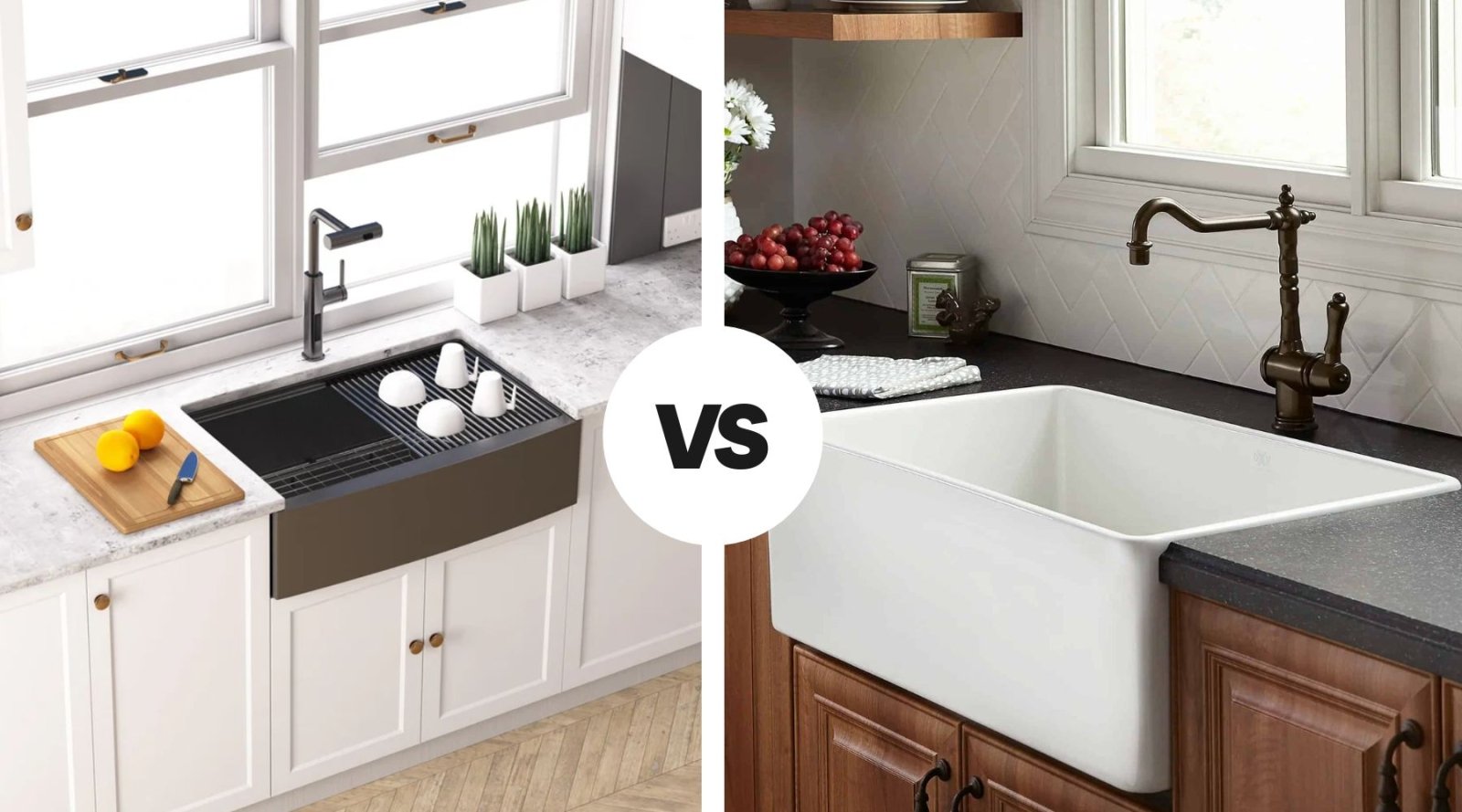
Stainless steel fits modern and industrial kitchen designs. Its sleek, shiny surface adds a clean look. Fireclay sinks bring a classic, rustic feel. They come in white or soft colors, matching traditional kitchens. Stainless steel matches stainless steel appliances easily. Fireclay blends well with wooden cabinets and vintage decor. Both sinks can fit various kitchen styles. Choice depends on the overall kitchen theme and personal taste.
Credit: www.leftonhome.com
Frequently Asked Questions
Which Sink Lasts Longer: Stainless Steel Or Fireclay?
Fireclay sinks resist scratches and chips, offering long-term durability. Stainless steel sinks resist dents and stains but may scratch over time. Fireclay generally lasts longer in heavy-use kitchens due to its hard surface.
Are Stainless Steel Sinks More Resistant To Damage?
Yes, stainless steel sinks resist dents and stains well. However, they can scratch easily with heavy use. Their flexibility absorbs impacts, making them durable but less chip-resistant than fireclay sinks.
Do Fireclay Sinks Require Special Maintenance?
Fireclay sinks need gentle cleaning to avoid surface damage. Avoid abrasive cleaners to prevent dulling or chipping. Regular wiping maintains their glossy finish and durability.
Which Sink Handles Heat Better, Stainless Steel Or Fireclay?
Fireclay sinks withstand high temperatures without damage. Stainless steel sinks also resist heat but can discolor with extreme temperature changes. Fireclay is preferred for kitchens with hot cookware use.
Conclusion
Both stainless steel and fireclay sinks offer strong durability. Stainless steel resists dents and stains well. Fireclay stands up to heat and scratches. Each sink suits different kitchen styles and needs. Choose based on your daily use and care habits.
Both will last long with proper maintenance. Durability depends on the material and how you treat it. Think about your lifestyle and kitchen design too. Either option brings lasting value to your home. Durable sinks make kitchen work easier and more enjoyable.