
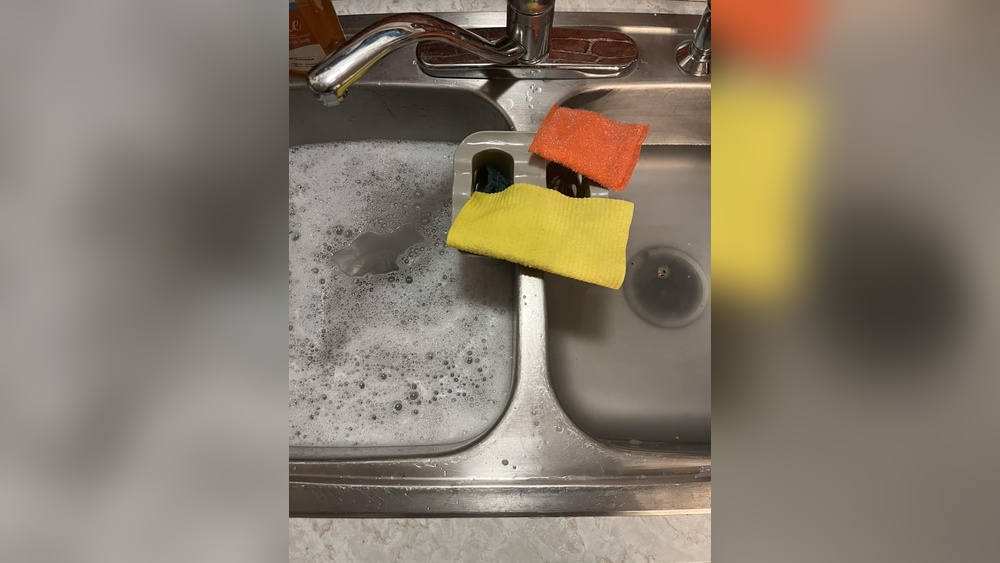
Have you noticed water slowly rising in the second bowl of your kitchen sink? It’s frustrating, messy, and can stop your kitchen work in its tracks.
But why is this happening to your sink? Understanding the reasons behind this problem can save you time, money, and stress. You’ll discover the common causes of water backing up and simple steps you can take to fix it before it gets worse.
Keep reading to take control of your kitchen sink and avoid costly repairs.
Credit: www.outrightplumbing.com.au
Contents
Common Causes Of Sink Backups
Water backing up in the second bowl of your kitchen sink is a common problem. It often signals an issue inside your plumbing. Knowing the common causes helps you fix them faster. Here are some reasons why your sink might be backing up.
Clogged Drain Pipes
Drain pipes can get blocked by food scraps, soap, and debris. Over time, these build up and stop water from flowing. The blockage causes water to back up into the second bowl. Regular cleaning can help avoid this problem.
Blocked Air Vents
Air vents in plumbing let air flow and keep water moving smoothly. If these vents are blocked, water drains slowly or backs up. Blocked vents create pressure problems inside the pipes. This can cause water to return to the sink bowls.
Grease Buildup
Grease poured down the drain cools and hardens inside pipes. This creates thick clogs that stop water flow. Grease buildup is a common cause of slow drains and backups. Avoid pouring grease down the sink to prevent this issue.
Faulty Garbage Disposal
A broken or jammed garbage disposal can block water flow. If it does not grind food properly, pieces get stuck in pipes. This causes water to back up into the second bowl. Regular maintenance keeps the disposal working well.
Identifying The Problem
Water backing up in the second bowl of your kitchen sink can be annoying. Finding the cause helps fix the problem fast. Start by identifying the signs and checking key parts of the sink’s drainage system.
Signs Of A Backup
Slow-draining water is the first sign of a backup. You may notice water pooling in the second bowl.
Bubbling sounds or gurgling noises come from the drain. Foul odors might also appear near the sink. These signs show that water cannot flow freely.
Checking The P-trap
The P-trap is the curved pipe under the sink. It often collects debris and food scraps.
Remove the P-trap carefully and look inside. Clear out any blockages you find. Clean the pipe before putting it back. This step often fixes minor backups.
Inspecting The Drain Lines
Drain lines carry water from the sink to the main pipe. Blockages may form inside these pipes.
Use a flashlight to check for visible clogs. A plumber’s snake can help clear deep blockages. Clean pipes ensure smooth water flow and stop backups.
Quick Fixes To Try
Water backing up in the second bowl of your kitchen sink can cause trouble. Quick fixes can help clear the clog fast. Trying simple methods first can save time and money. These easy steps often solve the problem without a plumber.
Using A Plunger
A plunger can push the clog free. Fill the second bowl with some water. Place the plunger over the drain. Push and pull quickly for 20 seconds. Lift the plunger to see if water drains. Repeat if needed, but avoid too much force.
Applying Baking Soda And Vinegar
Pour half a cup of baking soda into the drain. Follow with half a cup of vinegar. Let the mix bubble for 15 minutes. This reaction helps break down grease and debris. Rinse with hot water to clear the drain. This method is safe and chemical-free.
Clearing The P-trap
The P-trap often holds clogs. Place a bucket under it to catch water. Unscrew the P-trap carefully. Remove debris inside by hand or brush. Rinse the trap with water. Screw it back tightly to avoid leaks. This fix works well for stubborn blockages.
Running Hot Water
Hot water can melt grease blocking the drain. Boil a kettle or pot of water. Slowly pour the hot water into the second bowl’s drain. Let it work for a few minutes. Repeat if needed to clear minor clogs. This is a simple and quick way to help drains flow.

Credit: www.reddit.com
When To Use A Drain Snake
Water backing up in the second bowl of your kitchen sink can be frustrating. It often means a clog is blocking the drain. Using a drain snake can help clear the blockage. Knowing when to use this tool saves time and money.
Types Of Drain Snakes
Drain snakes come in different styles. A manual hand snake is common for small clogs. It looks like a long, flexible wire. You turn the handle to push the snake through the pipe.
There are also motorized drain snakes. These work faster and reach deeper clogs. They are best for tough blockages in bigger pipes.
Some snakes have special tips to grab hair or debris. Choose a snake based on the clog type and pipe size.
How To Use A Snake Safely
Wear gloves to protect your hands. Insert the snake slowly into the drain. Turn the handle gently to avoid pipe damage.
Push the snake until you feel resistance. This means you reached the clog. Rotate the snake to break up or grab the blockage.
Pull out the snake carefully. Run water to check if the clog clears. Stop if the snake gets stuck. Call a plumber for tough clogs.
Preventive Measures
Preventing water backup in the second bowl of your kitchen sink is easier than fixing it. Small daily habits protect your pipes and keep water flowing smoothly. These simple steps stop clogs before they start. Follow these easy tips to avoid sink problems and save time and money.
Proper Disposal Habits
Throw food scraps in the trash, not the sink. Avoid washing large pieces of food down the drain. Use a sink strainer to catch debris. Clear the strainer often. Keep coffee grounds and eggshells out of the drain. These items cause blockages fast.
Regular Cleaning Routines
Clean your sink drains weekly. Use a mild cleaner or a baking soda and vinegar mix. Pour hot water down the drain after cleaning. This helps clear grease and soap buildup. Regular cleaning stops buildup and keeps water flowing freely.
Avoiding Grease Pouring
Never pour grease or oil down the sink. Grease hardens and sticks inside pipes. It causes serious blockages over time. Collect grease in a container and throw it away. This small action prevents big plumbing problems.
Knowing When To Call A Plumber
Knowing when to call a plumber is important for kitchen sink issues. Small problems can get worse without proper help. Calling a plumber at the right time saves money and stress. It also prevents damage to your home.
Persistent Backups
Water that keeps backing up in the second bowl is a sign. This shows the clog is deep and hard to clear. Using a plunger or drain cleaner may not fix it. A plumber can find the root cause and fix it safely.
Multiple Fixture Issues
If other sinks or drains also back up, call a plumber. This means the problem may be in the main pipe. It could affect your whole plumbing system. Professionals have tools to check and repair complex problems.
Signs Of Serious Blockages
Slow drainage, bad smells, or gurgling sounds point to serious blockages. These signs mean water cannot flow properly. Ignoring them can cause leaks or pipe bursts. A plumber can clear blockages before they cause damage.
Credit: www.youtube.com
Frequently Asked Questions
Why Is Water Backing Up In My Kitchen Sink’s Second Bowl?
Water often backs up due to clogged drains, blocked pipes, or venting issues. Grease, food debris, and soap buildup commonly cause the blockage.
How Can I Fix Water Backing Up In The Second Sink Bowl?
Use a plunger or a drain snake to clear minor clogs. For persistent issues, consider professional drain cleaning services to remove deep blockages.
Does A Garbage Disposal Cause Water Backup In The Second Bowl?
Yes, malfunctioning or clogged garbage disposals can cause water to back up. Regular maintenance and avoiding fibrous food waste can prevent this problem.
Can Venting Problems Cause Water Backup In Double Kitchen Sinks?
Improper or blocked vent pipes restrict airflow, causing slow drainage and backups. Ensuring vents are clear helps water flow smoothly through both bowls.
Conclusion
Water backing up in your kitchen sink’s second bowl signals a clog or vent issue. Check for food scraps or grease blocking the drain. Sometimes, the pipes need a good clean or a simple fix. Regularly clearing debris helps avoid future backups.
Pay attention to slow drainage as a warning sign. Taking small steps can save you from costly repairs. Keep your sink drains clean to maintain smooth water flow. A little care prevents big problems. Stay aware and act quickly for a healthy kitchen sink.