
When planning your kitchen, one question often stands out: where should the sink be placed? The sink isn’t just a spot for washing dishes—it’s the heart of your kitchen workflow.
Placing it in the right spot can make your daily tasks smoother and your kitchen feel more inviting. If you’ve ever felt frustrated by a cramped, awkward sink area, this guide is for you. Keep reading to discover simple tips that will help you find the perfect sink location, making your kitchen more functional and enjoyable every day.
Credit: www.deejos.com
Contents
Choosing The Right Location
Choosing the right location for your kitchen sink is key to making your kitchen more functional and pleasant. The sink serves many purposes, from washing dishes to preparing food. Its placement affects your workflow and kitchen comfort. Consider where you spend most of your time and what tasks you do near the sink.
Near The Cooking Area
Placing the sink near the cooking area saves steps and time. It helps you wash vegetables and fill pots quickly. This setup makes cooking smoother and faster. It also keeps dirty dishes away from other kitchen zones.
Close To The Dishwasher
Locating the sink close to the dishwasher simplifies cleanup. You can rinse dishes and load them right away. This reduces water drips on the floor and mess. It also cuts down on extra movements during chores.
Positioning By The Window
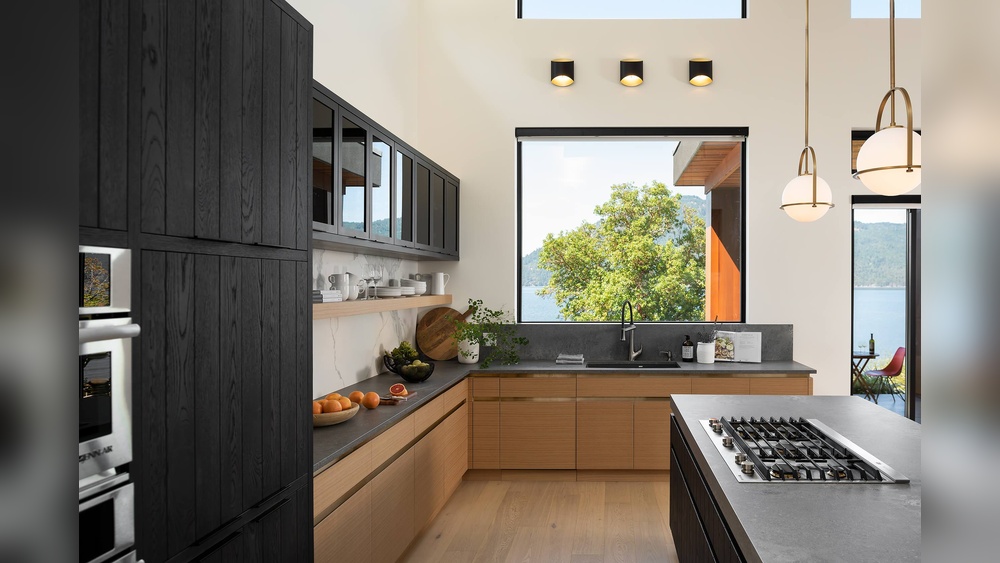
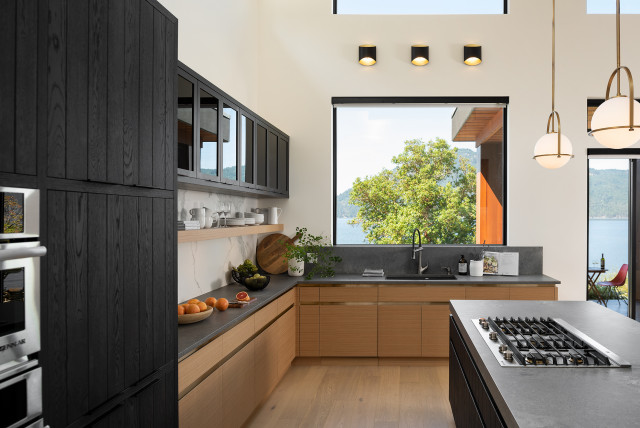
A sink by the window brings natural light while you work. This view makes washing dishes less dull. Fresh air can help clear kitchen smells. It creates a bright and inviting workspace.
Considering Kitchen Layouts
Choosing the right spot for your kitchen sink depends on the layout you have. Each kitchen design has unique flow and space. Placement affects how you move, work, and use the kitchen daily.
Think about the main work areas: cooking, cleaning, and storage. The sink should fit well within these zones. It should make tasks easier and keep your kitchen organized.
Single Wall Kitchens
Single wall kitchens line up all appliances and fixtures on one wall. The sink usually sits between the stove and refrigerator. This placement saves space and keeps everything close. It creates a simple, efficient work triangle.
L-shaped Kitchens
L-shaped kitchens use two walls forming a corner. Placing the sink near the corner works well here. It allows easy access to both counters. This position helps keep the kitchen open and spacious.
U-shaped Kitchens
U-shaped kitchens have counters on three sides. The sink fits best on the middle counter or under a window. This spot offers plenty of workspace on both sides. It keeps cleaning tasks central and easy to manage.
Island Kitchens
Islands add extra workspace in the kitchen center. Placing the sink on the island creates a social cooking space. It allows the cook to face guests or family. This setup improves flow and adds convenience.
Ergonomics And Workflow
Ergonomics and workflow play a key role in deciding where to place the kitchen sink. A well-placed sink makes cooking and cleaning easier. It helps reduce unnecessary movements and saves time. Good sink placement improves comfort and efficiency in the kitchen.
The Kitchen Work Triangle
The kitchen work triangle links the sink, stove, and refrigerator. These three areas should form a triangle for smooth movement. The sink is often the center point for cleaning and prep work. Place the sink so it connects easily to the stove and fridge. This layout reduces walking and speeds up meal prep.
Height And Accessibility
The sink height must suit the main user’s comfort. Too low or too high leads to back pain. Standard sink height is about 36 inches from the floor. Make sure the sink is easy to reach for everyone using the kitchen. Accessibility means less strain during long cooking or cleaning sessions.
Avoiding Traffic Bottlenecks
Place the sink away from main walkways to avoid blocking traffic. Crowded spaces slow down cooking and cause accidents. The sink area needs room for one or two people to work comfortably. Keep paths clear between the sink and other key kitchen spots. This setup keeps the kitchen running smoothly.
Credit: www.houzz.com
Plumbing And Installation Factors
Plumbing and installation play a key role in choosing the best spot for your kitchen sink. Proper plumbing ensures water flows smoothly and waste drains away fast. It also helps avoid leaks and costly repairs. Good planning here saves time and money during kitchen setup.
Proximity To Water Lines
Place the sink near existing water lines. This reduces the need for long pipe runs. Shorter pipes lower the chance of leaks and water pressure loss. It also makes installation quicker and easier. Check where hot and cold water pipes run in your kitchen before deciding.
Drainage And Venting
The sink must connect properly to the drainage system. Wastewater needs a clear path to leave the home. Vent pipes prevent slow draining and gurgling noises. Make sure your sink location allows easy access to drain and vent lines. This helps keep your kitchen clean and odor-free.
Cost Implications
Installing the sink far from plumbing lines raises costs. More materials and labor mean a bigger bill. Moving pipes or adding vents adds complexity. Choose a spot close to existing plumbing to save money. Planning well avoids expensive changes later.
Design And Aesthetic Considerations
Design and aesthetic choices affect how your kitchen feels and functions. The sink’s location shapes the room’s look and flow. Choosing the right style, size, and materials helps create a balanced space. Lighting plays a key role too. It highlights the sink and makes tasks easier.
Sink Styles And Sizes
Sinks come in many shapes and sizes. Single, double, and farmhouse sinks are popular options. A large sink fits big pots and pans. Smaller sinks save counter space and suit compact kitchens. Choose a style that matches your kitchen’s theme. A sleek stainless steel sink suits modern kitchens. A ceramic sink fits well in traditional designs.
Countertop Materials
The countertop around your sink affects its look and durability. Granite, quartz, and marble offer strength and style. Wood or laminate countertops create a warm, casual feel. Choose materials that resist water and stains. The sink and countertop should blend well together. Contrast colors to make the sink stand out.
Lighting Around The Sink
Good lighting makes the sink area functional and inviting. Use bright task lights for washing and prep work. Pendant lights add style and focus on the sink. Natural light from windows creates a fresh, open feel. Avoid shadows that make tasks hard. Layer lighting to balance brightness and mood.
Special Use Cases
Special use cases require unique sink placements in kitchens. These setups focus on specific needs and improve kitchen workflow. Choosing the right spot can make tasks easier and faster. Below are common special use cases for sink placement.
Double Sinks
Double sinks offer two basins for different tasks. One side can hold dirty dishes, the other for rinsing. This setup helps keep the kitchen organized. Place double sinks near the dishwasher for easy loading. It also works well under a window for natural light.
Prep Sinks
Prep sinks are smaller and separate from the main sink. They are perfect for washing vegetables and fruits. Position them near the cooking area to save steps. Prep sinks keep the main sink free for cleaning dishes. They are ideal for large kitchens or multiple cooks.
Outdoor Kitchen Sinks
Outdoor kitchen sinks support cooking and cleaning outside. Place them near the grill or food prep station. Outdoor sinks make washing hands and tools easy. Ensure they have proper water supply and drainage. This setup keeps the outdoor area clean and functional.

Credit: www.woodmasterkitchens.com
Frequently Asked Questions
Where Is The Ideal Spot For A Kitchen Sink?
The kitchen sink should be placed between the stove and refrigerator. This location creates an efficient work triangle. It improves workflow and reduces unnecessary movement during food preparation.
How Does Sink Placement Affect Kitchen Workflow?
Proper sink placement streamlines kitchen tasks like washing, chopping, and cooking. It minimizes walking distance and keeps essential zones connected. This enhances overall kitchen efficiency and comfort.
Should The Sink Face A Window Or Wall?
Placing the sink under a window offers natural light and a pleasant view. This setup improves mood and visibility. However, a wall-mounted sink can save space in smaller kitchens.
What Distance Should Be Maintained Around The Sink?
Maintain at least 24 inches of counter space on either side of the sink. This allows enough room for washing and drying dishes comfortably. It also provides space for prepping food.
Conclusion
Choosing the right spot for your kitchen sink matters a lot. Place it where you can work easily and stay comfortable. Think about the space between the stove, fridge, and sink. This helps make cooking faster and less tiring. Also, consider natural light and plumbing needs.
A well-placed sink keeps your kitchen neat and functional. Small changes can make a big difference in your daily routine. Take time to plan, and your kitchen will feel just right.