

Thinking about replacing your kitchen sink but worried about the cost? You’re not alone.
Knowing how much it will set you back can help you plan better and avoid surprises. Whether your sink is old, damaged, or you simply want a fresh look, understanding the expenses involved is key. You’ll discover the real costs behind replacing a kitchen sink, what factors affect the price, and how you can save money without cutting corners.
Keep reading to get the full picture and make the best choice for your kitchen and budget.
Contents
Factors Influencing Sink Replacement Cost
Replacing a kitchen sink varies widely. Several key factors affect the total price. Understanding these can help you plan your budget better. Each factor changes the cost in different ways.
Sink Material Types
The material of the sink impacts its price a lot. Stainless steel sinks are common and affordable. Granite composite sinks cost more due to their durability. Porcelain and cast iron sinks tend to be pricier. Each material offers different looks and a lifespan.
Size And Style Variations
Sink size plays a big role in cost. Larger sinks require more material and space. Styles like farmhouse or undermount sinks often cost extra. More design details can increase the price. Choose a size and style that fits your kitchen well.
Installation Complexity
Simple installations cost less than complex ones. Installing a new sink in the same spot is easier. Moving plumbing or cutting countertops adds to labor costs. Custom sinks may require expert installation. Labor fees depend on the job difficulty and time.
Additional Plumbing Needs
Extra plumbing work raises the total cost. New faucet installation or drain replacement may be needed. Fixing leaks or upgrading pipes adds to expenses. Some sinks need special plumbing parts. Planning plumbing work ahead saves surprises later.

Credit: www.fixr.com
Average Cost Breakdown
Replacing a kitchen sink comes with different costs. These costs depend on the type of sink and installation needs. Knowing the average cost helps plan your budget better. The price range varies from low to high, depending on materials and features. Below is a breakdown of common sink options and their costs.
Budget Sink Options
Budget sinks usually cost between $50 and $150. These sinks are made from basic materials like stainless steel or acrylic. They offer simple designs and smaller sizes. Installation fees for budget sinks range from $100 to $200. This option suits small kitchens or rentals. It provides functionality without extra features.
Mid-range Choices
Mid-range sinks cost between $150 and $400. Materials include higher-grade stainless steel, composite granite, or porcelain. These sinks often have better durability and style. Installation costs can rise to $300 or more. Mid-range sinks fit most homeowners wanting a balance of quality and price. They offer more design options and accessories.
Premium Sink Models
Premium sinks start at $400 and can go over $1,000. They use materials like fireclay, copper, or thick granite composite. These sinks have unique designs and superior craftsmanship. Installation fees may reach $500 or higher. Premium models suit luxury kitchens or high-end renovations. They deliver long-lasting performance and elegant looks.
Diy Vs Professional Installation
Replacing a kitchen sink can be done in two ways: by yourself or by hiring a professional. Both choices have different costs and challenges. Understanding these can help you decide the best option for your budget and skills.
Pros And Cons Of Diy
Doing the sink replacement yourself saves money on labor fees. You can choose the time and work at your own pace. Learning new skills feels rewarding.
DIY might take longer if you lack experience. Mistakes can cause water leaks or damage. Special tools may be needed, which add to costs.
When To Hire A Pro
Hire a professional if plumbing work looks complex. Professionals have the right tools and knowledge. They finish the job faster and ensure no leaks.
Choose a pro if your sink involves electrical connections or wall changes. Professionals also handle unexpected problems safely. Their work comes with a warranty for peace of mind.
Cost Differences Explained
DIY costs include buying tools and materials only. Professional installation adds labor charges, often $150 to $500 extra. Higher costs reflect skill and time saved.
Simple sink swaps keep professional fees low. Complex setups increase price due to extra plumbing or parts. Consider costs carefully before starting the project.
Hidden Expenses To Consider
Replacing a kitchen sink involves more than just buying the new sink and installing it. Some costs hide beneath the surface. These hidden expenses can raise the total price unexpectedly. Knowing these costs helps you plan your budget better. Here are some common hidden expenses to consider.
Old Plumbing Repairs
Old pipes can cause trouble during sink replacement. Leaks, corrosion, or clogs may need fixing. Repairing plumbing adds labor and material costs. Sometimes, plumbers must replace pipes to meet current codes. This work can delay your project and increase expenses.
Cabinet Modifications
New sinks may not fit your current cabinets perfectly. Adjustments to cabinets or countertops might be necessary. Cutting or reshaping cabinets costs extra money. Custom fittings or supports may also be required. These modifications ensure the sink sits securely and looks right.
Disposal And Removal Fees
Old sinks and debris need proper disposal. Many contractors charge fees to remove and haul away old materials. Special handling may be required for certain materials, like cast iron. Disposal fees vary by location and contractor. Planning for these fees avoids surprises on your final bill.
Tips To Save On Replacement
Replacing a kitchen sink can add value and style to your home. Saving money on this project is possible with smart choices. Small tips can lower your overall cost without cutting corners. Here are some ways to keep expenses down while getting a quality replacement.
Choosing Cost-effective Materials
Material choice affects both price and durability. Stainless steel sinks offer a good balance of cost and strength. Composite granite sinks look nice but cost more. Porcelain sinks may chip, but are usually cheaper. Pick materials that last but fit your budget. Avoid high-end finishes if your goal is savings.
Timing Your Project Right
Plan your replacement during off-peak seasons. Contractors often charge less when demand is low. Early spring or late fall may offer better deals. Avoid weekends and holidays for lower labor costs. Scheduling ahead gives you time to find discounts on materials.
Finding Reliable Contractors
Get multiple quotes to compare prices. Check reviews and ask for references. A good contractor avoids costly mistakes and finishes on time. Some offer package deals that include sink and installation. Choose someone licensed and insured for peace of mind.
Trends In Kitchen Sink Design 2025
Kitchen sink design is evolving fast in 2025. New styles focus on both looks and function. Homeowners want sinks that fit their lifestyle and kitchen style. Designs now blend beauty with smart features. This makes kitchen work easier and more enjoyable.
Popular Materials And Finishes
Stainless steel remains a top choice for durability and style. Matte black sinks are growing popular for modern kitchens. Quartz composite offers strong, stain-resistant surfaces. Copper sinks bring warmth and a unique patina over time. White ceramic keeps a classic, clean look that suits many homes.
Innovative Features
Integrated cutting boards and drying racks save space. Deep basins allow washing large pots and pans easily. Touchless faucets add convenience and reduce germs. Soundproofing technology cuts down noise from running water. Smart sensors help control water flow and temperature precisely.
Eco-friendly Options
Water-saving faucets reduce waste and lower bills. Recycled materials in sinks support sustainable living. Low-impact manufacturing methods protect the environment. Some sinks include built-in filtration systems for clean water. Choosing eco-friendly options helps protect natural resources.
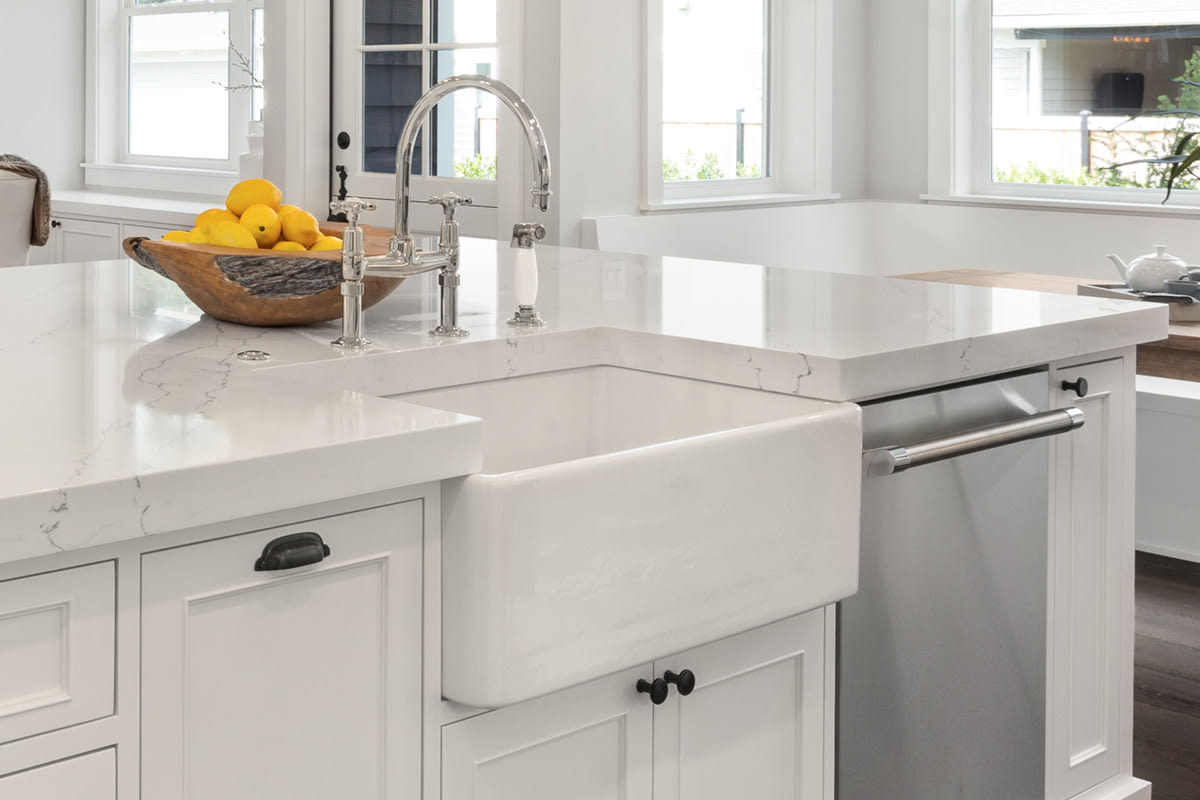
Credit: homeguide.com
Frequently Asked Questions
How Much Does It Cost To Replace A Kitchen Sink?
Replacing a kitchen sink typically costs between $150 and $600. Factors include sink type, material, and labor fees. Higher-end models or complex installations increase costs. Budget for plumbing adjustments and disposal of the old sink.
What Factors Affect Kitchen Sink Replacement Cost?
Cost depends on sink material, size, installation complexity, and labor rates. Custom or heavy sinks cost more. Plumbing modifications also increase expenses. Location and contractor experience influence pricing as well.
Can I Replace A Kitchen Sink Myself To Save Money?
DIY replacement can save labor costs but requires plumbing skills. Mistakes can cause leaks or damage, leading to higher expenses. Ensure you have proper tools and instructions before attempting a DIY sink replacement.
How Long Does A Kitchen Sink Replacement Take?
A professional sink replacement usually takes 2 to 4 hours. Time varies based on sink type, plumbing complexity, and workspace accessibility. Scheduling and drying times might extend the overall project duration.
Conclusion
Replacing a kitchen sink varies depending on materials and labor. Choose a sink that fits your budget and style. Consider installation fees and any extra plumbing work needed. Small changes can make a big difference in price. Planning ahead helps avoid surprises.
Take time to compare options before deciding. A well-chosen sink adds value and comfort to your kitchen. Keep these points in mind for a smooth replacement process.