
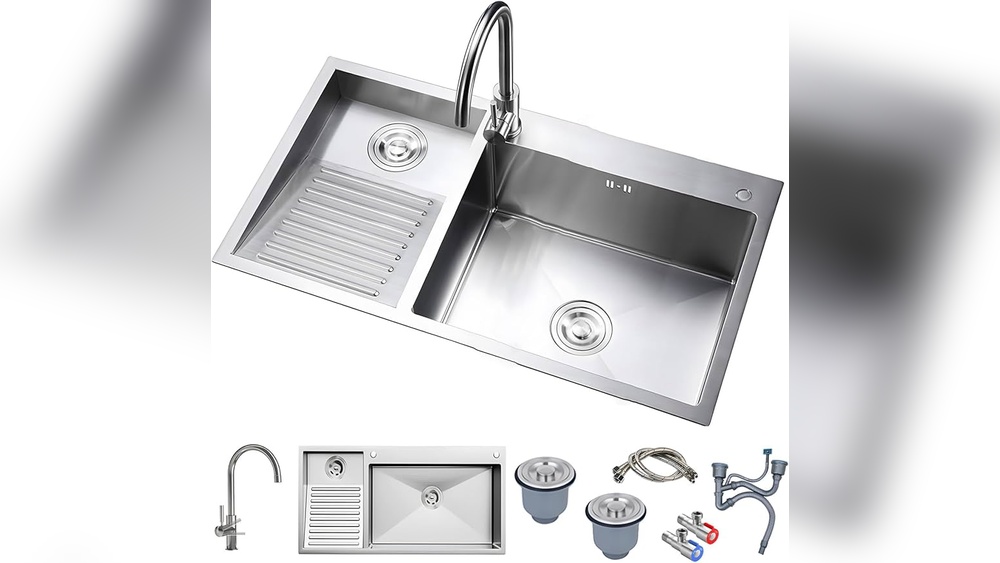
Are you confused about whether you need a kitchen sink or a laundry sink for your home? You’re not alone.
Both sinks look similar but serve very different purposes. Choosing the right one can make your daily chores easier and save you time and effort. You’ll discover the key differences between a kitchen sink and a laundry sink. By the end, you’ll know exactly which sink fits your needs and why it matters for your home.
Keep reading to find out how the right sink can improve your space and simplify your life.
Contents
Design Features
The design features of kitchen sinks and laundry sinks differ to suit their specific uses. These features affect how the sinks perform daily tasks. Understanding these differences helps choose the right sink for each space.
Design focuses on materials, size, shape, and basin depth. Each element plays a key role in functionality and style.
Materials Used
Kitchen sinks often use stainless steel, porcelain, or a granite composite. These materials resist stains and scratches. They also match kitchen decor well.
Laundry sinks use heavy-duty materials like thick plastic or concrete. These materials handle strong cleaning products and rough use. Durability is more important than looks here.
Size And Shape
Kitchen sinks come in various sizes but are usually medium-sized. They have a sleek, rectangular or oval shape. This fits well with countertops and cabinets.
Laundry sinks are larger and deeper. They often have a square or rectangular shape. This size fits large items like mop buckets or laundry baskets.
Basin Depth
Kitchen sink basins are shallow to medium deep. This depth helps wash dishes without splashing water.
Laundry sink basins are much deeper. They allow soaking and washing bulky items easily. The extra depth also prevents water from spilling out.
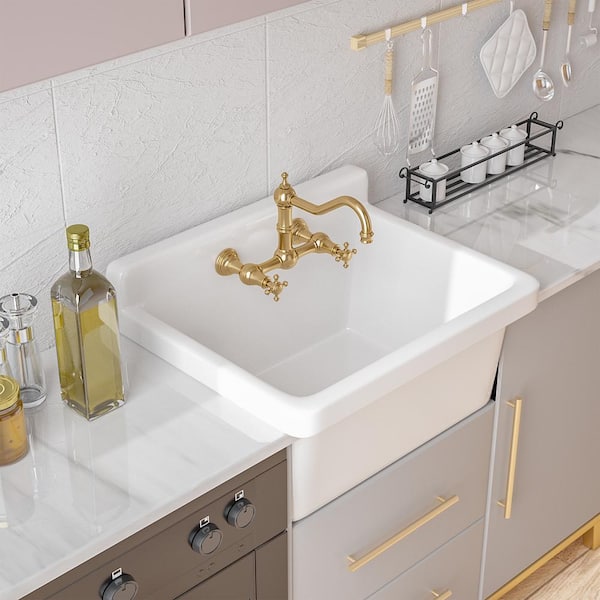
Credit: www.homedepot.com
Functionality
The functionality of kitchen sinks and laundry sinks differs due to their distinct roles in a home. Each sink type serves specific tasks that affect its design and features. Understanding these differences helps choose the right sink for the right space.
Primary Uses
Kitchen sinks are mainly for washing dishes and preparing food. They handle tasks like rinsing vegetables and filling pots with water. Laundry sinks focus on cleaning clothes and soaking stained items. They also serve for hand-washing delicate fabrics and cleaning household tools.
Water Flow And Drainage
Kitchen sinks have moderate water flow to prevent splashing and conserve water. Their drains are designed to handle food scraps and small debris. Laundry sinks allow stronger water flow to handle heavy-duty cleaning. Their drainage systems handle lint, dirt, and larger particles safely.
Durability Requirements
Kitchen sinks must resist heat, stains, and scratches from daily use. They often use materials like stainless steel or composite granite. Laundry sinks need extra durability against chemicals and rough scrubbing. They are usually made from stronger plastics or heavy-duty stainless steel.
Installation Locations
Understanding where to install a kitchen sink versus a laundry sink helps you plan your space well. Each sink fits best in specific areas based on its use. The placement affects how easy it is to use and maintain.
Typical Kitchen Placement
Kitchen sinks usually sit under a window or near food prep zones. This spot offers natural light and easy access to counters. Most kitchens have one or two sinks for washing dishes and food. The location keeps the sink close to the dishwasher and storage.
Laundry Room Setup
Laundry sinks stand next to washing machines or in utility rooms. These sinks handle heavy-duty cleaning tasks and soaking clothes. They often have more space around them for carrying laundry baskets. Positioning near water hookups makes chores easier.
Plumbing Considerations
Kitchen sinks connect to both hot and cold water lines for washing dishes. They also need drains that handle food scraps and grease. Laundry sinks require strong drains to manage lint and dirt from clothes. Plumbing must support the sink’s purpose and location.
Maintenance And Cleaning
Maintenance and cleaning are key for both kitchen sinks and laundry sinks. Proper care keeps them working well and looking good. Each sink type faces different challenges based on its use. Knowing the right cleaning methods and how to avoid common problems helps extend their life.
Cleaning Methods
Use mild soap and warm water to clean both sinks. Avoid harsh chemicals that can damage surfaces. For kitchen sinks, clean after each use to stop stains and odors. Laundry sinks may need scrubbing to remove soap buildup and dirt. A soft cloth or sponge works best to avoid scratches.
Common Issues
Kitchen sinks often get clogged by food scraps and grease. Laundry sinks can develop mold and mildew from moisture. Both sinks may suffer from hard water stains and rust. Check for leaks regularly to prevent water damage. Small cracks can get worse without early repair.
Longevity Tips
Wipe sinks dry after use to prevent water spots and damage. Use sink strainers to catch debris and avoid clogs. Fix leaks quickly to save water and protect cabinets. Avoid placing heavy items in laundry sinks to prevent cracks. Regular cleaning keeps sinks fresh and extends their life.
Cost Differences
Cost differences between kitchen sinks and laundry sinks matter to many homeowners. Choosing the right sink affects your budget now and later. Both types serve different needs and vary in price. Understanding these differences helps you make a smart choice.
Price Range Comparison
Kitchen sinks usually cost more than laundry sinks. They come in many styles and materials. Stainless steel and granite options raise the price. Laundry sinks are simpler and often made from plastic or resin. Their price range is lower, but it fits basic needs well.
Installation Expenses
Installing a kitchen sink can be more expensive. It often needs custom fittings and countertop work. Plumbing may also require extra parts. Laundry sinks typically need less complex installation. They are often wall-mounted or placed in utility areas. This lowers labor and material costs.
Long-term Value
Kitchen sinks add value to your home. Their style and durability affect kitchen appeal. A good kitchen sink lasts many years. Laundry sinks focus on function, not style. They are durable but may need replacement sooner. Think about how each fits your daily use and budget over time.
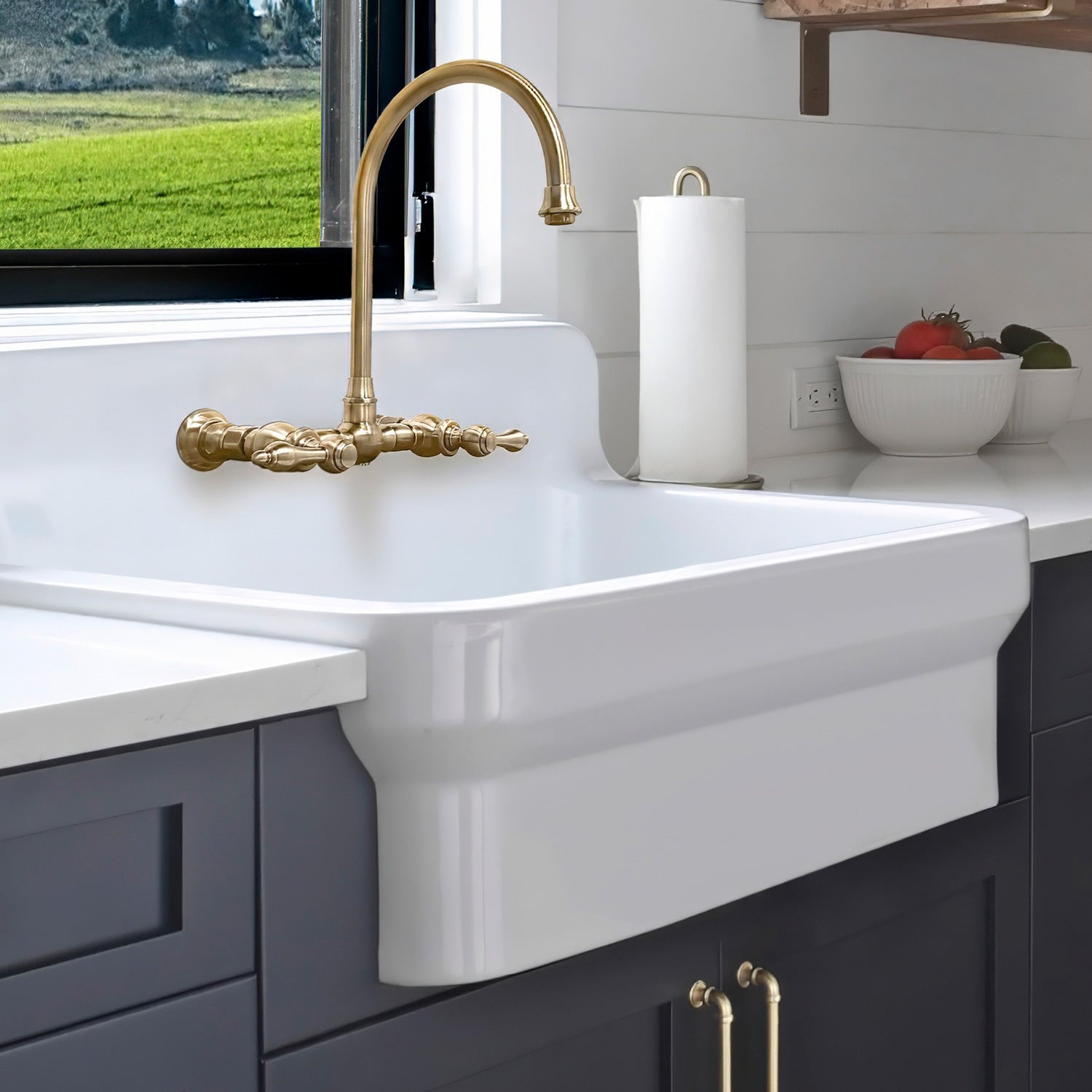
Credit: shop.whitehauscollection.com
Frequently Asked Questions
What Are The Main Uses Of A Kitchen Sink?
A kitchen sink is designed for food preparation, washing dishes, and cleaning kitchen utensils. It typically has multiple compartments for multitasking. Its size and depth suit everyday cooking and cleaning needs.
How Does A Laundry Sink Differ From A Kitchen Sink?
A laundry sink is larger and deeper to handle bulky items and heavy-duty cleaning. It’s built for washing clothes, soaking items, and cleaning tools, unlike kitchen sinks which focus on food-related tasks.
Can A Kitchen Sink Be Used As A Laundry Sink?
While possible, a kitchen sink is usually smaller and less durable. It may not handle large items or heavy cleaning effectively. Using a laundry sink is more practical for laundry tasks due to its size and strength.
What Materials Are Common For Kitchen Vs Laundry Sinks?
Kitchen sinks often use stainless steel or composite granite for durability and style. Laundry sinks are usually made from heavy-duty plastic or porcelain to resist chemicals and heavy use.
Conclusion
Kitchen sinks and laundry sinks serve different needs in your home. Kitchen sinks focus on food prep and dishwashing. Laundry sinks handle heavier tasks like washing clothes and cleaning tools. Choosing the right sink depends on its main use and space.
Both types help keep your home clean and organized. Knowing their differences makes it easier to pick the best one for your needs. Simple and practical choices lead to better home functionality.