
You use your kitchen sink every day, but do you really know what should never go down it? Pouring the wrong things down your drain can cause serious clogs, bad smells, and costly repairs.
Imagine dealing with a blocked sink when you’re in the middle of cooking or cleaning—frustrating, right? You’ll discover the common items you should avoid putting down your kitchen sink to keep it running smoothly. Knowing these simple tips can save you time, money, and a big headache.
Keep reading to protect your home and enjoy a hassle-free kitchen!
Contents
Common Kitchen Sink Mistakes
Many people make mistakes by putting wrong items down the kitchen sink. These errors can cause clogs, bad smells, and damage to pipes. Avoiding common kitchen sink mistakes helps keep your plumbing working well. It also saves time and money on repairs.
Common Mistake: Pouring Grease Down the Drain
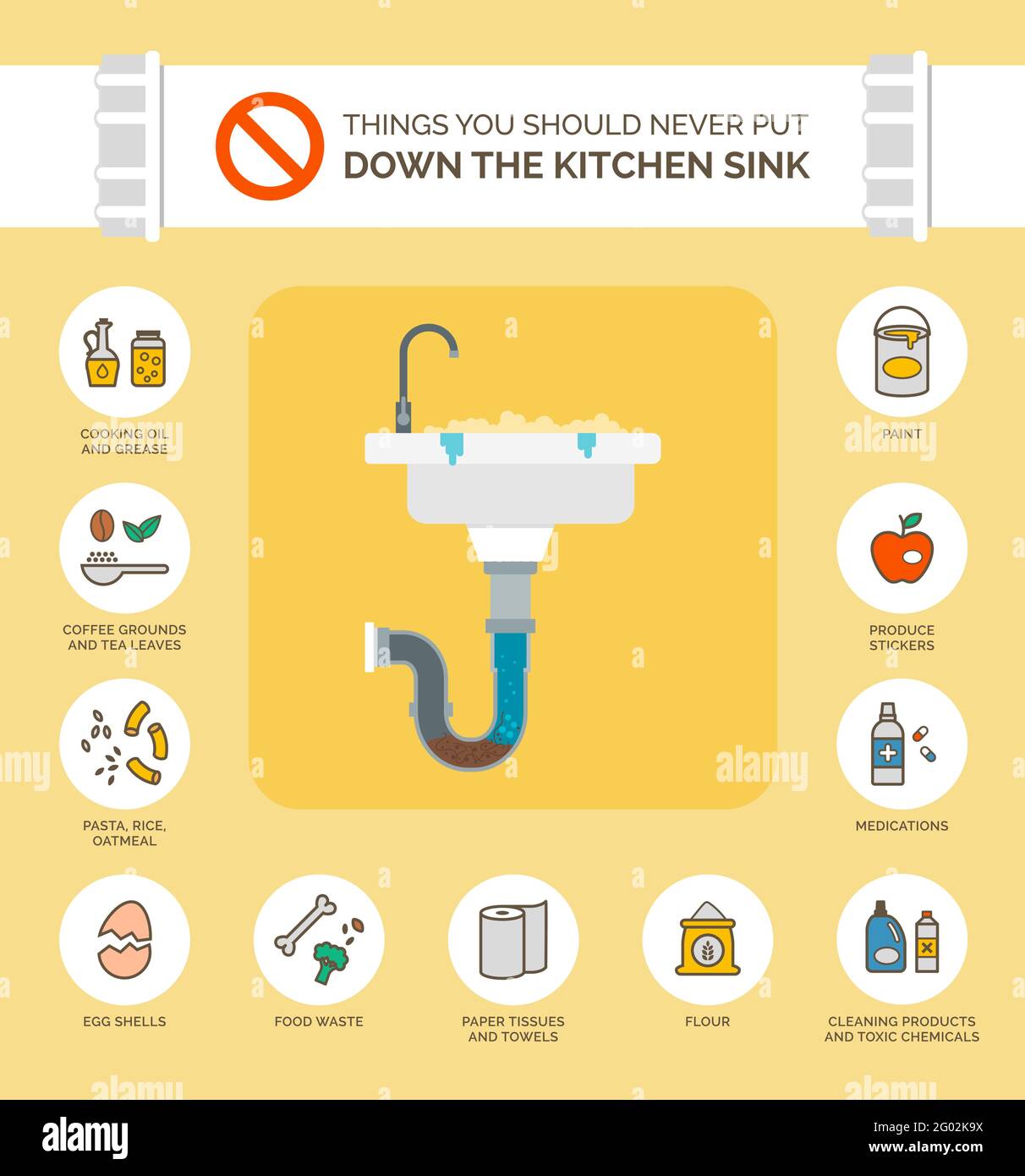
Grease looks liquid when hot but hardens when cold. It sticks to pipe walls and causes blockages. Never pour cooking oil or fat down the sink. Instead, collect grease in a container and throw it in the trash.
Common Mistake: Flushing Food Scraps
Food scraps can clog your drain and garbage disposal. Large pieces do not break down easily. Use a trash bin or compost for leftover food. Avoid washing rice, pasta, or coffee grounds down the sink.
Common Mistake: Using Harsh Chemicals
Harsh drain cleaners damage pipes and harm the environment. They can cause leaks and corrosion over time. Use natural cleaning methods or call a plumber for tough clogs. Regular maintenance keeps drains clear without chemicals.
Common Mistake: Ignoring Small Clogs
Small clogs grow into big problems quickly. Slow-draining water signals a clog. Act early by using a plunger or drain snake. Waiting too long can lead to expensive repairs.
Avoid Grease And Oil Disposal
Grease and oil cause big problems in kitchen sinks. They look like liquids but harden inside pipes. This creates clogs that block water flow. Fixing these clogs costs time and money.
Pouring grease down the drain leads to buildup. It sticks to pipe walls and traps food bits. Over time, the pipe narrows and blocks completely. Even hot water cannot wash grease away.
Avoid dumping cooking oil in the sink. Let it cool and solidify first. Then, scrape it into a container for trash. This keeps your pipes clear and drains flowing smoothly.
Why Grease And Oil Clog Pipes
Grease cools and hardens inside pipes. It attaches to pipe walls and builds layers. These layers trap other food scraps. The pipe opening shrinks until water cannot pass.
Effects On Your Drain System
Blocked pipes cause slow draining sinks. Water may back up into your kitchen. Bad smells come from trapped food and grease. Pipes may leak or burst under pressure.
Proper Disposal Methods
Let grease cool and solidify in a container. Throw solid grease in the trash, not the sink. Use paper towels to wipe small grease spots. Recycle cooking oil if your area accepts it.
Tips To Keep Your Sink Clean
Use a sink strainer to catch food bits. Run hot water after washing dishes. Avoid pouring fats or oils down the drain. Clean your pipes regularly with safe cleaners.
Say No To Coffee Grounds
Coffee grounds might seem harmless to toss down the kitchen sink. Many believe they dissolve easily and wash away without trouble. The truth is quite different. Coffee grounds can cause serious plumbing problems.
These small particles do not break down in water. Instead, they stick together and form clumps inside your pipes. Over time, these clumps build up and block the flow of water. This leads to slow drains and costly repairs.
Even if you run hot water after disposing of coffee grounds, it won’t help. The grounds settle at the bottom of pipes and traps. This creates a thick layer that traps grease and other debris. The combination makes the blockage worse.
Clogging Pipes And Drains
Coffee grounds collect in pipes and create stubborn clogs. These clogs slow water drainage and can stop it completely. Removing clogs often requires professional tools and services.
Harming Septic Systems
Septic tanks rely on bacteria to break down waste. Coffee grounds disrupt this process. They add solid waste that takes longer to decompose. This harms the septic system’s balance and function.
Better Ways To Dispose Of Coffee Grounds
Use coffee grounds as compost instead of trash. They enrich soil and help plants grow. Another option is to throw them in the garbage. Avoid putting grounds in any drain or sink.
Credit: www.alamy.com
Skip Eggshells And Fibrous Foods
Eggshells and fibrous foods often seem harmless but can harm your kitchen sink. These items clog pipes and damage garbage disposals. Avoid putting them down the drain to keep your plumbing safe and running well.
Why Eggshells Are Bad For Your Sink
Eggshells look small and soft but cause big problems. Their rough texture can create grit inside pipes. This grit sticks to other waste and builds up over time. Your drain may slow down or get blocked completely. Eggshell pieces can also dull blades in garbage disposals, making them less effective.
Problems With Fibrous Foods
Fibrous foods include celery, onion skins, and corn husks. These foods do not break down easily in water. Fibers wrap around disposal blades and cause jams. They also tangle in pipes and trap other debris. This leads to clogs and slow drainage. Avoid throwing fibrous scraps into your sink to prevent these issues.
Keep Harsh Chemicals Away
Harsh chemicals can harm your kitchen sink and pipes. They may cause damage over time. These chemicals also pollute the environment.
It is important to avoid pouring strong cleaners or acids down the drain. Doing so keeps your plumbing safe. It also protects your home and the earth.
Why Harsh Chemicals Damage Pipes
Strong chemicals can corrode metal and plastic pipes. This leads to leaks and costly repairs. Pipes may weaken and break apart.
Corrosion also causes bad smells and blockages. These issues make your kitchen sink less useful. Avoiding harsh chemicals helps your pipes last longer.
Common Harsh Chemicals To Avoid
Avoid pouring bleach, ammonia, and drain cleaners down the sink. These substances are very strong and toxic. They react with other materials and cause damage.
Paint thinner, solvents, and pesticides should never go down the drain. These chemicals harm water systems and wildlife. Keeping them out protects health and nature.
Safe Alternatives For Cleaning
Use mild soap and warm water for cleaning dishes and sinks. Baking soda and vinegar work well for unclogging drains gently. These options are safe and effective.
Natural cleaners avoid damage and pollution. They keep your plumbing clean without risks. Simple ingredients protect your home and the environment.

Credit: www.homedit.com
Don’t Toss Pasta And Rice
Pasta and rice are common leftovers after meals. Many people rinse or pour them down the kitchen sink without a thought. This seems harmless but can cause problems in your plumbing.
Both pasta and rice absorb water and swell up. Once in the drain, they expand more and create blockages. These clogs slow down water flow and may cause backups. Avoiding this habit keeps your pipes clear and working well.
Why Pasta Causes Drain Problems
Pasta is soft and sticky after cooking. It tends to clump together inside pipes. These clumps trap other food particles and grease. Over time, the buildup can block the entire drain. Removing pasta from the sink stops this issue.
Rice Expands And Clogs Pipes
Rice grains soak up water and grow bigger. This expansion makes them hard to flush away. Small rice pieces can stick to pipe walls easily. This causes slow drainage and bad smells. Throwing rice in the trash is a safer choice.
Better Ways To Dispose Of Pasta And Rice
Scrape leftovers into the trash or compost bin. Use a paper towel to wipe out small bits from plates. Avoid washing these foods down the drain even with hot water. Proper disposal protects your pipes and the environment.
Avoid Large Food Scraps
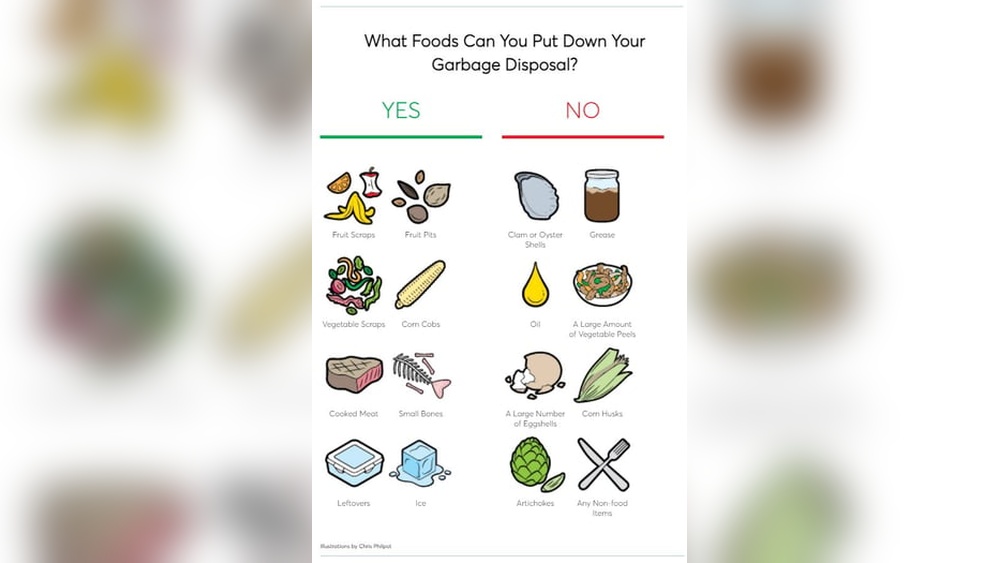
Large food scraps can cause big problems in your kitchen sink. They often clog drains and damage garbage disposals. Avoid putting them down the sink to keep it working well.
These scraps do not break down easily. They can get stuck in pipes and cause blockages. This leads to slow drainage and foul smells in the kitchen.
Throw large pieces of food into the trash or compost bin. This protects your plumbing and saves you repair costs. Small food bits are easier for disposals to handle.
Why Large Food Scraps Block Pipes
Big food scraps do not dissolve quickly. They gather and form clumps inside pipes. Over time, these clumps stop water from flowing smoothly.
Grease and oils stick to food scraps. This creates thick layers that trap other debris. The result is a stubborn clog that is hard to remove.
Types Of Food Scraps To Avoid
Do not put potato peels, corn husks, or onion skins down the sink. These items are tough and fibrous. They can wrap around disposal blades and jam the system.
Also avoid bones, fruit pits, and large chunks of meat. These scraps can dull or break disposal parts. They take a long time to grind down.
How To Handle Large Food Scraps Properly
Scrape plates into a trash bin before washing. Use a compost bin for vegetable and fruit scraps. This reduces waste and protects your sink.
Cut large scraps into smaller pieces if you must use a disposal. Run cold water to help flush food through pipes. This keeps your kitchen drain clean and clear.
Beware Of Non-food Items
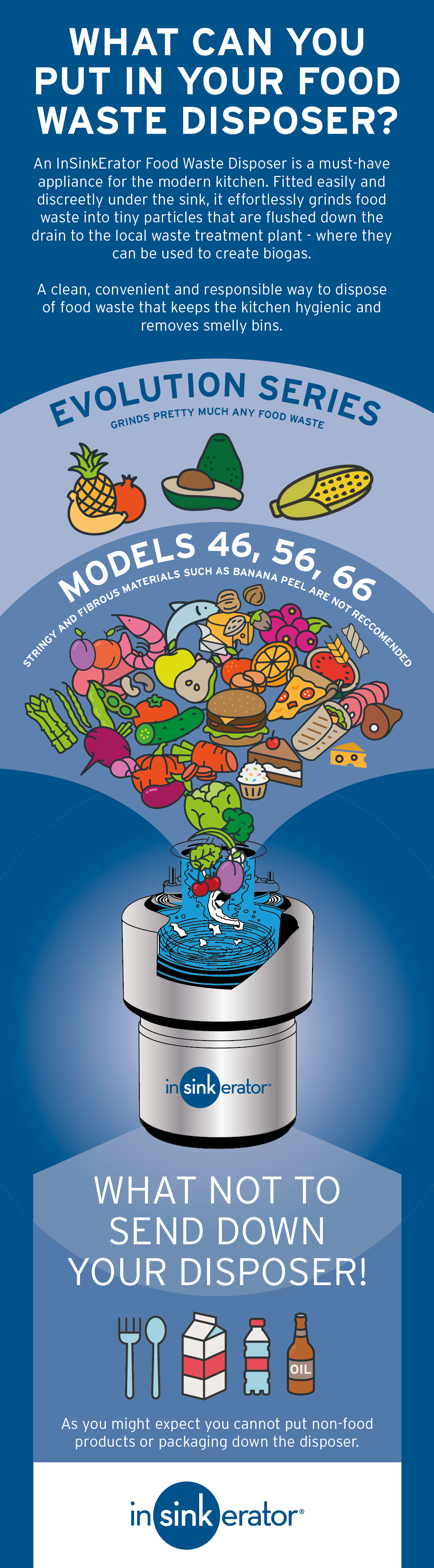
The kitchen sink is for washing food and dishes, not for trash. Putting non-food items down the drain can cause clogs and damage. Some objects do not break down and can block pipes. Others can harm the environment or your plumbing system.
Be careful about what you throw away in the sink. Learn which items to avoid to keep your pipes clear and your kitchen running smoothly.
Plastic And Non-biodegradable Items
Plastic does not dissolve in water. Items like wrappers, bags, or packaging can get stuck. They block the pipes and cause backups. Avoid putting any plastic waste in the sink.
Hair And Fibers
Hair and fibers from cloth or paper towels gather in pipes. They create clogs that slow water flow. These materials should go in the trash, not the sink.
Chemicals And Cleaning Products
Harsh chemicals can harm your pipes and the environment. Avoid pouring paint, bleach, or solvents down the drain. These substances need special disposal methods.
Metal And Glass
Small metal pieces and glass shards can damage pipes and cause leaks. Do not wash sharp or hard objects in the sink. Dispose of them safely in the trash.
Credit: www.insinkerator.com
Frequently Asked Questions
What Items Should Never Go Down A Kitchen Sink?
Avoid grease, coffee grounds, eggshells, and fibrous vegetables. These clog pipes and harm plumbing systems. Always dispose of such waste in the trash or compost bin.
Why Is Pouring Grease Down The Kitchen Sink Bad?
Grease solidifies in pipes, causing blockages and slow drainage. It can lead to costly repairs and unpleasant odors. Always collect grease in a container and discard it in the trash.
Can I Put Coffee Grounds In The Kitchen Sink?
No, coffee grounds accumulate and create clogs. They do not break down easily in water. Instead, dispose of coffee grounds in compost or trash for better kitchen hygiene.
Are Eggshells Harmful To Kitchen Sink Plumbing?
Yes, eggshells can clog drains by sticking to pipe interiors. Their rough texture traps debris, causing buildup. Avoid washing eggshells down the sink; use compost or trash instead.
Conclusion
Avoid putting grease, coffee grounds, or large food pieces down the sink. These items can cause clogs and damage pipes. Chemicals and non-degradable materials also harm your plumbing and the environment. Stick to water and mild soap to keep drains clear.
Regular care helps your sink work well for years. Keep your kitchen sink safe by knowing what not to pour down it. Simple habits protect your home and save money on repairs. Remember, small actions make a big difference in sink maintenance.