
When it comes to choosing fixtures for your home, you might wonder: what exactly is the difference between a kitchen sink and a bathroom lavatory? At first glance, they might seem similar—they both hold water and help you clean up.
But understanding their unique features can save you time, money, and frustration. If you want to make smart choices for your space, knowing these key differences is essential. Keep reading, and you’ll discover what sets them apart and how that knowledge can improve your daily routine.

Credit: calahanbath.com
Contents
Design Variations
Design variations play a key role in distinguishing kitchen sinks from bathroom lavatories. These differences affect how each fits into its space and serves its purpose. The design is shaped by size, materials, and style, all tailored to specific daily needs.
Size And Shape Differences
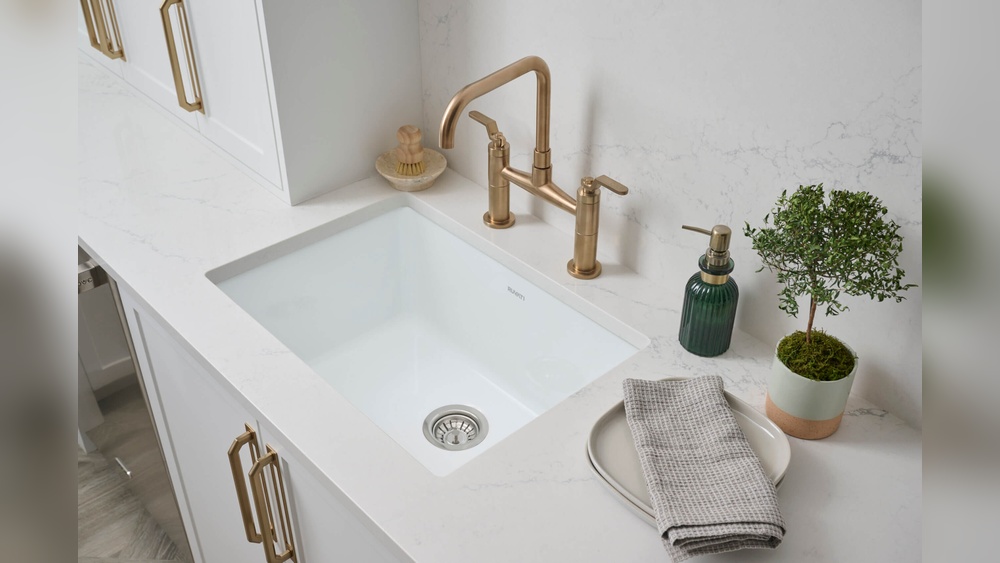
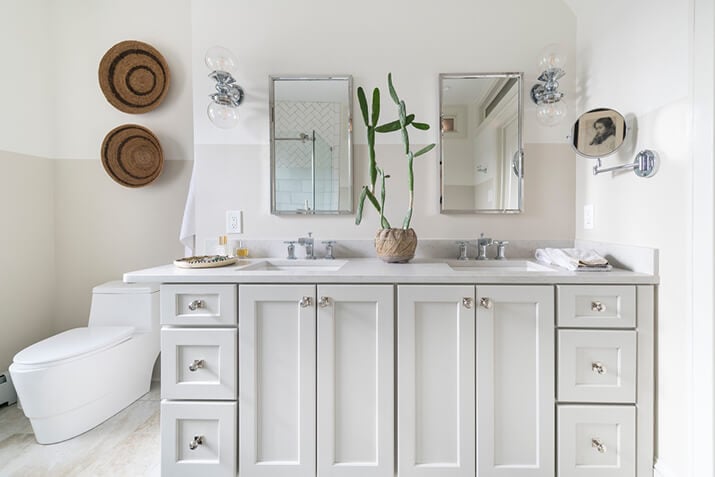
Kitchen sinks are usually larger to hold pots and pans. They often come in rectangular or square shapes. Bathroom lavatories are smaller and more compact. They are designed mainly for hand washing and face cleaning. Shapes vary from oval to round, fitting small spaces well.
Material Choices
Kitchen sinks need durable materials like stainless steel or granite. These resist stains, heat, and scratches. Bathroom lavatories often use porcelain, ceramic, or glass. These materials are smooth and easy to clean. They also add a polished look to the bathroom.
Style And Aesthetics
Kitchen sinks focus on function with simple, sturdy designs. They blend with countertop materials and kitchen decor. Bathroom lavatories often emphasize style and elegance. They come in many designs, from classic to modern. The goal is to create a relaxing bathroom atmosphere.
Functional Uses
Understanding the functional uses of kitchen sinks and bathroom lavatories helps to see their key differences. Each has a unique role based on where it is installed. The design and features reflect their specific tasks and user needs. Both are essential but serve different daily functions.
Purpose In The Kitchen
Kitchen sinks are made for food preparation and cleanup. They handle washing vegetables, fruits, and dishes. These sinks often have larger basins to fit pots and pans. Draining and rinsing are common tasks here. The sink must be durable to handle tough cleaning jobs.
Purpose In The Bathroom
Bathroom lavatories focus on personal hygiene. They are used for washing hands, face, and brushing teeth. These sinks tend to be smaller than kitchen sinks. Their design suits quick, frequent use. Lavatories support daily grooming and cleanliness routines.
Usage Frequency And Activities
Kitchen sinks see heavy use throughout the day. Multiple activities happen, including cooking and cleaning. Bathroom lavatories are used many times but for shorter tasks. Both sinks need to be reliable for frequent use. The activities in each space shape the sink’s design.
Plumbing And Installation
Plumbing and installation are key differences between kitchen sinks and bathroom lavatories. Each has unique needs for water flow and waste removal. Understanding these helps avoid costly mistakes during setup.
Drainage Systems
Kitchen sinks usually have larger drains. They handle food scraps and more water at once. Bathroom lavatories have smaller drains. They only deal with soap and light waste water. This difference affects pipe size and cleaning frequency.
Water Supply Requirements
Kitchen sinks need hot and cold water with strong pressure. This helps in washing dishes and food. Bathroom lavatories use less water and lower pressure. They focus on hand washing and face cleaning.
Installation Challenges
Installing a kitchen sink involves fitting heavy pipes and garbage disposals. Space under the sink can be tight. Bathroom lavatories are smaller and easier to place. Yet, they require careful sealing to avoid leaks around the faucet.
Maintenance And Durability
Maintenance and durability are key when choosing between a kitchen sink and a bathroom lavatory. Both serve different purposes and face unique challenges. Understanding their cleaning needs, wear factors, and lifespan helps in making the right choice. This section explains these differences clearly.
Cleaning Needs
Kitchen sinks handle food scraps, grease, and stains daily. They need stronger cleaning products. Bathroom lavatories deal mostly with soap scum and toothpaste. They require gentler cleaners to avoid damage. Regular wiping keeps both sinks hygienic and shiny.
Wear And Tear Factors
Kitchen sinks face heavy use and rough items like pots and pans. This causes scratches and dents. Bathroom lavatories see lighter use with fewer hard objects. Water spots and minor chips are common here. The material choice affects how well each sink resists damage.
Longevity Expectations
Kitchen sinks usually last 10 to 15 years with good care. Bathroom lavatories can last longer, often 15 to 20 years. The difference comes from the type of use and cleaning habits. Proper maintenance extends the life of both sinks significantly.
Cost And Budgeting
Cost and budgeting play a big role in choosing between a kitchen sink and a bathroom lavatory. Each has different price points and installation needs. Understanding these costs helps you plan your budget well. It also ensures you get the best value without overspending.
Price Range Comparison
Kitchen sinks usually cost more than bathroom lavatories. This is because kitchen sinks are larger and made to handle heavy use. Basic kitchen sinks start around $100, while high-end models can reach $800 or more. Bathroom lavatories often range from $50 to $300. Materials like stainless steel or porcelain affect the price.
Installation Costs
Installing a kitchen sink can be more expensive than a bathroom lavatory. Kitchens need more plumbing work and sometimes countertop changes. Installation costs for kitchen sinks range from $200 to $500. Bathroom lavatories often cost less to install, about $100 to $300. The final price depends on the complexity of the work.
Long-term Value
Kitchen sinks offer long-term value due to their durability. They handle heavy use and last many years with proper care. Bathroom lavatories may need replacing sooner because they face lighter use but can chip or crack. Choosing quality materials improves the lifespan of both. Think about the cost per year when deciding your budget.
Credit: kitchencabinetkings.com
Choosing The Right Fixture
Choosing the right fixture for your kitchen or bathroom is important. It affects the look and function of the space. The right sink or lavatory fits your needs and style. It also makes daily tasks easier and more enjoyable. Consider space size, daily use, and design trends when selecting fixtures. This helps you find the perfect match for your home.
Matching Your Space
Measure your space carefully before choosing a fixture. Kitchen sinks often need to be larger and deeper. Bathroom lavatories are usually smaller and shallower. Think about the shape and style that fits your room. Compact sinks save space in small kitchens. Sleek lavatories suit modern bathrooms. Match the fixture size to the available area. This avoids crowding or awkward gaps.
Considering Your Lifestyle
Think about how you use the sink or lavatory every day. Do you cook a lot? A big kitchen sink with multiple basins helps. Do you have kids? A durable and easy-to-clean lavatory is best. Consider your water use habits too. Some fixtures save water better than others. Pick a fixture that fits your routine and needs. Comfort and convenience matter most.
Trends And Innovations
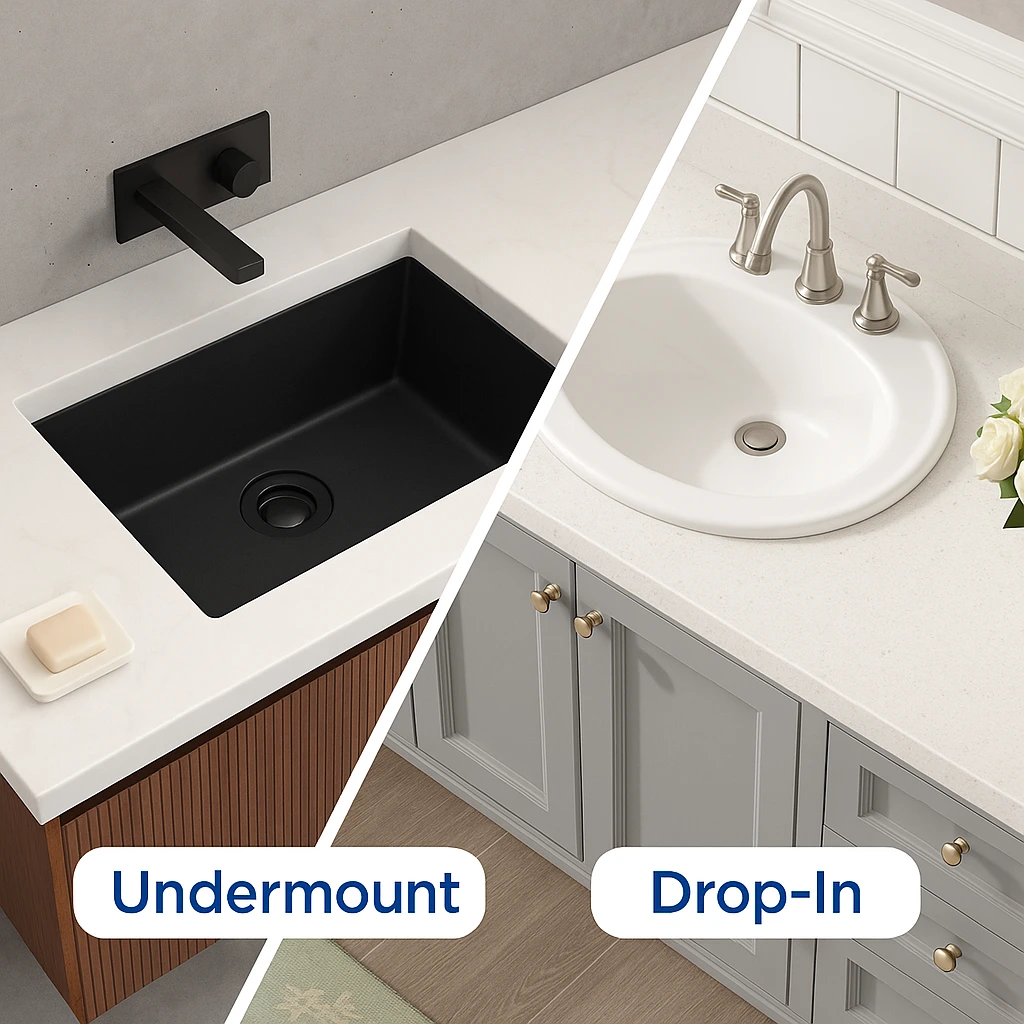
New designs and technology improve fixture function and look. Touchless faucets reduce germs and save water. Materials like stainless steel resist stains and damage. Matte finishes hide fingerprints and scratches well. Some sinks come with built-in accessories like cutting boards. Smart features offer better control and efficiency. Keep up with trends that match your style and budget.
Credit: www.kingkonree.com
Frequently Asked Questions
What Distinguishes A Kitchen Sink From A Bathroom Lavatory?
A kitchen sink is larger and designed for washing dishes and food. A bathroom lavatory is smaller, meant for handwashing and grooming. Materials and fixtures also differ to suit their specific uses.
Can Kitchen Sinks Be Used In Bathrooms?
Kitchen sinks are generally too large and deep for bathrooms. Their design focuses on heavy-duty cleaning, which is unnecessary in bathrooms. Bathroom lavatories are more compact and fit well in limited spaces.
Why Are Bathroom Lavatories Smaller Than Kitchen Sinks?
Bathroom lavatories are smaller to save space and suit light use. They handle handwashing and face washing only. Kitchen sinks need to accommodate large pots, pans, and food prep, requiring bigger sizes.
Are The Materials Of Kitchen Sinks And Bathroom Lavatories Different?
Yes, kitchen sinks often use stainless steel or heavy-duty composites. Bathroom lavatories usually feature porcelain or ceramic for easy cleaning and aesthetic appeal. Material choice reflects the usage demands and style preferences.
Conclusion
Kitchen sinks and bathroom lavatories serve different purposes in your home. Kitchen sinks are larger and built for washing dishes and food. Bathroom lavatories are smaller and meant for handwashing and grooming. Each has unique designs to fit its use.
Choosing the right one helps keep your space functional and clean. Knowing their differences makes home planning easier. Simple and clear.