
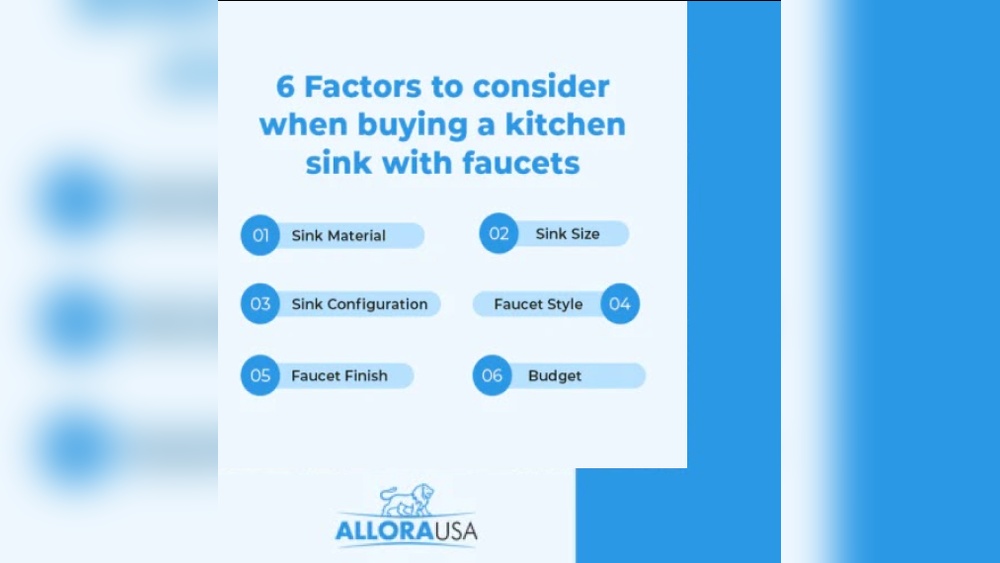
Choosing a new kitchen sink might seem simple, but there’s more to it than just picking a style you like. Your sink plays a big role in how you use your kitchen every day.
You want something that looks good, fits your space, and makes your tasks easier. Before you make a decision, it’s important to think about the materials, size, and features that will work best for you. Keep reading, and you’ll discover the key points that will help you find the perfect kitchen sink tailored to your needs.
Contents
Choosing The Right Material
Choosing the right material for your new kitchen sink affects its look and durability. The material also impacts how easy the sink is to clean and maintain. Different materials suit different kitchen styles and budgets. Knowing the benefits of each can help you make a smart choice.
Stainless Steel Benefits
Stainless steel sinks are popular for their strength and shine. They resist rust, stains, and heat well. These sinks fit most kitchen designs. They are lightweight and easy to clean. Noise reduction pads can make them quieter. Stainless steel lasts long and handles daily use easily.
Porcelain And Ceramic Options
Porcelain and ceramic sinks offer a smooth, classic look. Their shiny surface adds brightness to kitchens. These sinks resist stains but can chip if hit hard. They feel cool and solid under your hands. Cleaning is simple with mild soap and water. They suit traditional and modern kitchens alike.
Composite And Granite Sinks
Composite and granite sinks mix crushed stone with resin. These sinks look natural and come in many colors. They resist scratches and heat well. The surface stays cool and quiet during use. Composite sinks need gentle cleaning to avoid damage. They are a strong choice for busy kitchens.
Copper And Other Unique Materials
Copper sinks add warmth and charm to the kitchen. They develop a unique patina over time, changing their look. Copper has natural antibacterial properties. These sinks require regular care to keep their shine. Other materials like cast iron or fireclay offer unique styles. Each material brings a special character to your kitchen.

Credit: food.ndtv.com
Selecting The Sink Style
Choosing the right sink style is key for a kitchen’s look and function. The sink style affects cleaning ease, installation, and overall kitchen design. Consider the space and how you use your kitchen. A well-chosen sink can make tasks simpler and add charm.
Explore different sink types to find what fits your needs and style best.
Top-mount Vs. Undermount
Top-mount sinks sit on the countertop with a visible rim. They are easier to install and often cost less. Cleaning is simple, but crumbs can get stuck around the edges.
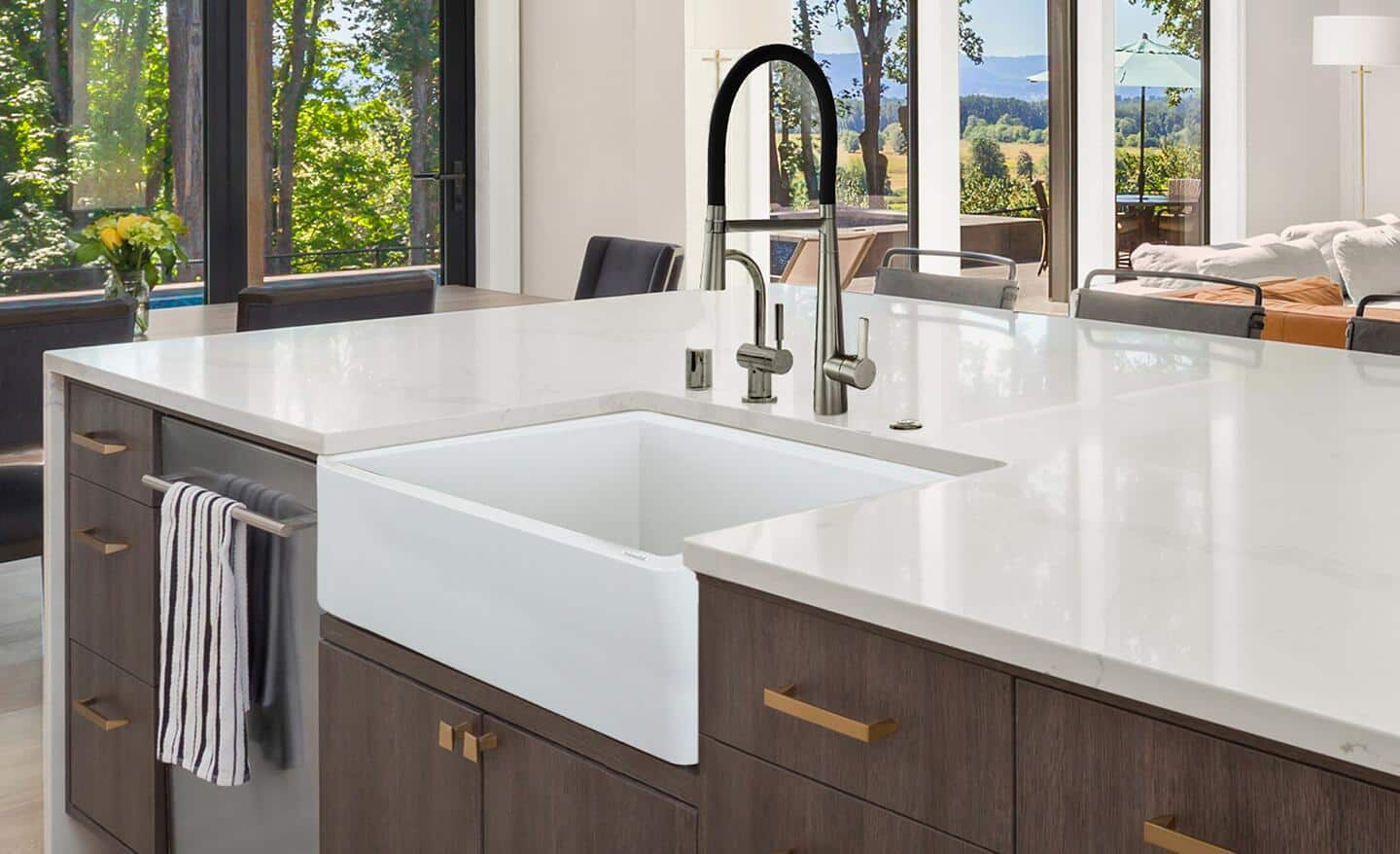
Undermount sinks attach below the countertop. They offer a smooth, seamless look. Wiping crumbs directly into the sink is easy. Installation can be pricier and needs a solid countertop.
Farmhouse And Apron Front Designs
Farmhouse sinks have a large, deep basin and a front panel that sticks out. They suit rustic or traditional kitchens. Their size helps with big pots and pans.
Apron front sinks are the same as farmhouse but focus on the front design. They add charm and a vintage feel. Cleaning can be easier with their wide front edge.
Integrated And Vessel Sinks
Integrated sinks are part of the countertop material. They create a clean, modern look with no seams. They are easy to clean but can be costly to replace.
Vessel sinks sit on top of the counter like a bowl. They add style and are common in small kitchens or bars. These sinks need more careful cleaning around the base.
Determining The Size And Configuration
Choosing the right size and configuration for a kitchen sink is important. It affects how you work and how your kitchen looks. Picking the correct sink can make daily tasks easier and keep your kitchen organized. Think about how much space you have and how you use your sink.
Single Vs. Double Bowls
Single bowl sinks offer one large basin. They are good for washing big pots and pans. Double bowl sinks have two separate basins. This setup helps with multitasking, like washing dishes in one bowl and rinsing vegetables in the other. Choose the type that fits your cooking and cleaning habits.
Depth And Dimensions
Sink depth affects comfort and splash control. A deeper sink holds more water and reduces spills. Shallow sinks make it easier to reach the bottom but may cause more splashing. Measure the sink’s width and length to fit your needs. Check if the size fits your kitchen’s scale.
Matching Sink To Counter Space
Measure your countertop space carefully. The sink should fit well without overcrowding. Leave room for other kitchen tasks and appliances. Think about the cabinet size under the sink too. Proper fit ensures easy installation and use.
Faucet Compatibility And Accessories
Choosing the right kitchen sink means thinking about faucet compatibility and accessories. These parts work together to make your kitchen more useful and easier to use. A sink without the right faucet or add-ons can limit your kitchen tasks.
Match the sink with faucets and fixtures that fit perfectly. This helps avoid leaks and keeps your kitchen neat. Accessories like soap dispensers or water filters add convenience. They improve your kitchen’s function without crowding the space.
Fitting Faucets And Fixtures
Check the number of holes in the sink. Faucets need the right holes to fit properly. Some sinks have one hole, others have three or more. Match faucet style and size with sink design. Make sure the faucet height fits under cabinets or shelves. Choose faucets with easy controls for daily use.
Garbage Disposal Integration
Pick a sink that works with your garbage disposal unit. Some sinks have special openings for disposal installation. The sink’s drain size must match the disposal inlet. This makes installation simpler and prevents leaks. A well-fitted disposal keeps the sink clean and odor-free.
Additional Features And Add-ons
Think about extra features like built-in soap dispensers or water filters. These add-ons save space and keep counters clear. Some sinks include cutting boards or drying racks that fit perfectly. These tools make food prep easier and faster. Choose accessories that match your kitchen style and needs.
Maintenance And Durability
Choosing a kitchen sink involves more than looks. Maintenance and durability matter a lot. A sink that stays clean and lasts long saves time and money. Understanding how to care for different sink materials helps keep them in good shape. Durability also means fewer repairs and replacements.
Cleaning Tips For Different Materials
Stainless steel sinks clean easily with mild soap and water. Avoid harsh cleaners that can dull the finish. Porcelain sinks need gentle sponges to stop scratches. For granite or composite sinks, use non-abrasive cleaners to keep the surface smooth. Regular wiping prevents buildup of grime and stains.
Scratch And Stain Resistance
Stainless steel resists stains but can show scratches. Choose a sink with a thicker gauge for better scratch resistance. Porcelain can chip but hides stains well. Granite and composite sinks stand up well to scratches and stains. Consider the daily use to pick the best material for your kitchen.
Longevity Expectations
Stainless steel sinks can last 15 to 30 years with care. Porcelain sinks may last 20 years but need gentle handling. Granite and composite sinks offer 25 years or more of use. Regular cleaning and avoiding heavy impacts extend sink life. A durable sink keeps your kitchen looking fresh for years.
Budgeting And Cost Considerations
Budgeting plays a key role in choosing a new kitchen sink. Knowing the costs helps pick the right sink without overspending. Costs vary by material, style, and installation needs. Planning your budget early keeps the project smooth and affordable.
Price Ranges By Material And Style
Kitchen sinks come in many materials. Stainless steel sinks usually cost less, often between $100 and $400. Composite granite sinks fall in the $200 to $600 range. Porcelain and fireclay sinks can cost $300 to $700 or more.
Style also affects price. Single-bowl sinks tend to be cheaper than double-bowl models. Undermount sinks often cost more than drop-in sinks. Consider both style and material to find a sink that fits your budget.
Installation Expenses
Installation costs depend on sink type and kitchen setup. Simple replacements may cost $100 to $300. Complex installations, like undermount sinks, can reach $500 or more. Plumbing changes add to the cost. Always get a clear quote from a professional plumber.
Balancing Cost And Quality
Choosing the cheapest sink can lead to quick wear or damage. Investing a bit more in quality saves money over time. Look for sinks with good reviews and solid warranties. Balance your budget with durability and style for the best value.
Credit: www.homedepot.com
Frequently Asked Questions
What Materials Are Best For A Kitchen Sink?
Stainless steel is durable and affordable. Granite composite offers strength and style. Porcelain is classic but can chip. Choose based on durability, maintenance, and kitchen style preferences.
How To Choose The Right Sink Size?
Measure your countertop space and cabinet size. Consider the sink’s depth for washing large pots. Match size to your kitchen’s daily use and available space.
Should I Get A Single Or Double Basin Sink?
Single basins offer more space for large items. Double basins allow multitasking, like washing and rinsing simultaneously. Choose based on your cooking habits and kitchen workflow.
What Sink Installation Types Are Available?
Top-mount sinks are easy to install and common. Undermount sinks offer a sleek look and easier cleaning. Choose based on aesthetics and countertop compatibility.
Conclusion
Choosing the right kitchen sink needs careful thought. Size, material, and style all matter. Think about how you use your kitchen every day. Durability and ease of cleaning can save time. Match the sink with your kitchen’s look. Don’t forget to check the installation type.
A good sink fits your needs and space well. Take your time to compare options before buying. Your kitchen will feel better with the right sink. Simple choices lead to long-lasting satisfaction.