

Have you ever wondered how much salt water is actually in your kitchen sink? It’s a simple question, but the answer might surprise you.
Whether you’re rinsing vegetables, soaking dishes, or just running the tap, salt water can sneak into your sink more often than you think. Understanding this can help you keep your kitchen cleaner and even protect your plumbing. Keep reading, and you’ll discover exactly how salt water ends up in your sink—and why it matters to you.
Contents
Salt Water In Household Sinks
Salt water in kitchen sinks is not common but can occur. It usually happens after cooking or cleaning with salty water. This water can affect the sink and pipes if left for too long.
Understanding how much salt water is in your sink helps protect your plumbing. It also helps keep your kitchen clean and safe.
Sources Of Salt Water In Kitchen Sinks
Salt water often comes from rinsing seafood or washing salty dishes. Sometimes, salty water is used to clean vegetables. People may also pour leftover brine or pickling liquid down the drain.
Effects Of Salt Water On Sink And Pipes
Salt water can cause corrosion in metal pipes over time. It may also leave white deposits on the sink surface. These deposits can be hard to clean and damage the sink finish.
How Much Salt Water Typically Enters The Sink?
The amount varies with usage. Usually, only small amounts enter the sink at a time. Large amounts may happen during heavy cooking or cleaning sessions involving salty water.
Tips To Manage Salt Water In Your Kitchen Sink
Flush the sink with fresh water after using salt water. Wipe the sink dry to prevent salt build-up. Avoid pouring large volumes of salty water down the drain.

Credit: www.youtube.com
Sources Of Salt Water In The Kitchen
Salt water in the kitchen sink comes from different sources. Knowing these sources helps understand salt levels in your water. Salt affects water taste and its use for cooking or cleaning.
Salt can enter the kitchen sink water from the tap, food preparation, and dishwashing detergents. Each source adds salt in small but noticeable amounts.
Tap Water Composition
Tap water contains minerals, including salt in small amounts. Water suppliers add salt to soften hard water. This helps prevent scale buildup in pipes and appliances.
Salt levels in tap water vary by location. Some areas have naturally salty water. Others add salt during treatment. This makes tap water a basic source of salt in your kitchen sink.
Salt From Food Preparation
Cooking often uses salt to flavor food. Salt washes off plates and utensils during cleaning. This salt mixes with water in the kitchen sink.
Foods like seafood, pickles, and canned goods contain salt. Rinsing these foods releases salt into the sink water. Over time, this adds to the salt content in the sink.
Impact Of Dishwashing Detergents
Some dishwashing detergents contain salt-based compounds. These help break down grease and food residues. When rinsed, these compounds add salt to sink water.
Detergents vary in salt content. Using more detergent increases salt levels. This affects the water quality in your kitchen sink.
Measuring Salt Levels In Sink Water
Measuring salt levels in kitchen sink water helps understand water quality. Salt in water affects taste and pipe condition. Knowing salt concentration can prevent damage and improve water use.
Tools And Techniques
Use a digital TDS meter to measure salt in water. TDS stands for Total Dissolved Solids, which includes salt. Dip the meter probe into the water and wait a few seconds. The meter shows salt concentration in parts per million (ppm).
Another tool is a conductivity meter. Salt increases water’s conductivity. The meter measures how well water conducts electricity. Higher conductivity means more salt.
Simple chemical test strips also work. Dip the strip in water and compare color change to a chart. This shows approximate salt levels. These strips are easy and fast.
Typical Salt Concentrations Found
Tap water usually has low salt levels, around 50 to 200 ppm. Salt mainly comes from minerals or water softeners. Higher salt levels, above 500 ppm, can appear if salt or cleaning agents enter the sink.
Salt water from cooking or cleaning may have much higher salt. For example, water from rinsing salty food can reach 1000 ppm or more. This can affect pipes if left for a long time.
Measuring salt helps decide if water treatment is needed. It also guides when to clean or flush the sink system.
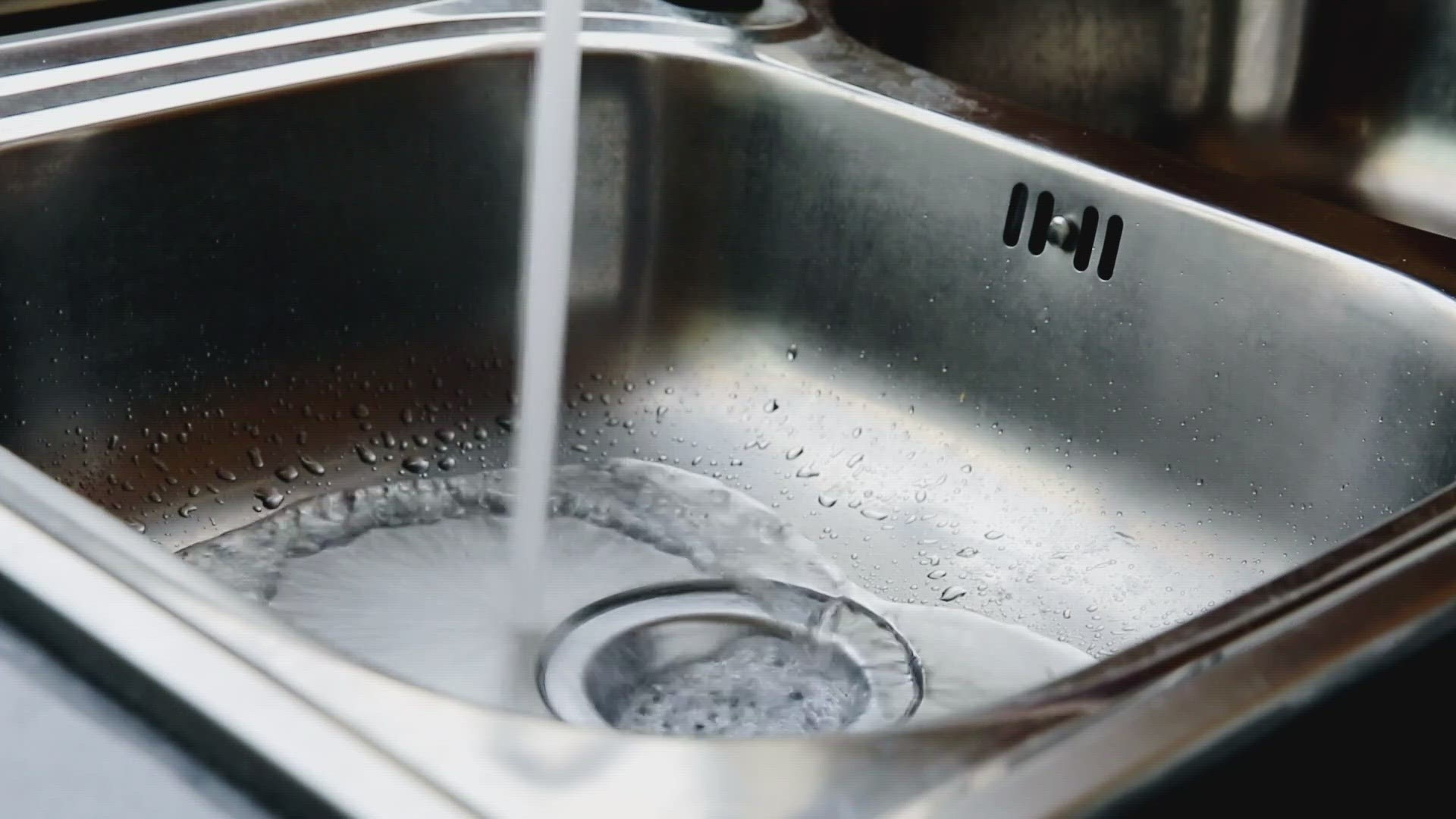
Credit: www.wwltv.com
Effects Of Salt Water On Plumbing
Salt water in the kitchen sink can impact your home’s plumbing system. It may cause damage over time. Understanding these effects helps protect your pipes and drains. Salt water is not as harmless as plain water. It contains minerals that can wear down plumbing materials.
Corrosion Risks
Salt water speeds up corrosion in metal pipes. It reacts with metals like copper and steel. This causes rust and weak spots. Over time, pipes may leak or break. Plastic pipes face less corrosion but can still suffer damage. Salt buildup can block pipes and reduce water flow.
Drain And Pipe Maintenance
Regular cleaning prevents salt deposits from building up. Use fresh water to flush drains after salt water use. Check pipes for signs of damage often. Early repairs stop small problems from growing. Avoid pouring large amounts of salt water down the sink. This helps keep the plumbing healthy and working well.
Environmental Impact Of Salt Water Disposal
Salt water disposal from kitchen sinks affects the environment in many ways. The salt can harm pipes and local water. Understanding these effects helps us protect nature and water supplies.
Effects On Sewage Systems
Salt water can corrode pipes and damage sewage systems. High salt levels make it hard for bacteria to break down waste. This can cause blockages and costly repairs. Sewage plants may need more energy to treat salty water. This raises maintenance costs and environmental risks.
Impact On Local Water Bodies
When salt water enters rivers or lakes, it changes the water quality. Salt harms fish and plants that need fresh water. It can kill small animals and reduce biodiversity. Salt also affects soil near water bodies, making it harder for plants to grow. These changes harm ecosystems and reduce water use for farming and drinking.

Credit: dropconnect.com
Reducing Salt Water In Kitchen Sinks
Salt water in kitchen sinks can cause problems like clogged pipes and bad smells. Reducing salt water helps keep sinks clean and working well. Small changes in daily habits make a big difference. Using less salt and filtering water can protect your sink and pipes.
Water Filtration Options
Water filters remove salt and other minerals from tap water. They improve water quality for cooking and cleaning. Reverse osmosis systems work well for removing salt. Simple charcoal filters can reduce some salt too. Installing a filter under the sink is easy. Filters need regular changing to keep working well.
Best Practices For Salt Use
Use salt sparingly in cooking to reduce salt water waste. Avoid dumping large amounts of salt down the drain. Rinse salty dishes before washing to lower salt in sink water. Collect salty water separately and reuse it for cleaning floors. These small steps help protect your plumbing and the environment.
Frequently Asked Questions
How Much Salt Water Is Usually In A Kitchen Sink?
Typically, a kitchen sink holds no salt water unless intentionally added. Salt water is uncommon in sinks as they primarily contain fresh tap water for cleaning and cooking.
Can Salt Water Damage Kitchen Sink Pipes?
Yes, salt water can corrode metal pipes over time. Salt accelerates rust and can damage plumbing if frequently used or left standing in the sink.
How To Safely Dispose Of Salt Water From The Sink?
Pour salt water down the drain with plenty of fresh water to dilute it. Avoid disposing large amounts to protect plumbing and the environment.
Does Salt Water Affect Kitchen Sink Cleaning Efficiency?
Salt water alone doesn’t improve cleaning. It may help with grease removal but isn’t as effective as specialized cleaning agents or fresh water with soap.
Conclusion
Salt water in the kitchen sink is usually very little. Most sinks have fresh water from the tap. Salt water might appear if you rinse seafood or salty dishes. It can affect your sink’s pipes if it stays long. Cleaning the sink well helps prevent build-up.
Knowing this helps you keep your kitchen clean and safe. Always rinse your sink after using salty water. That way, your kitchen stays fresh and working well. Simple steps make a big difference every day.