
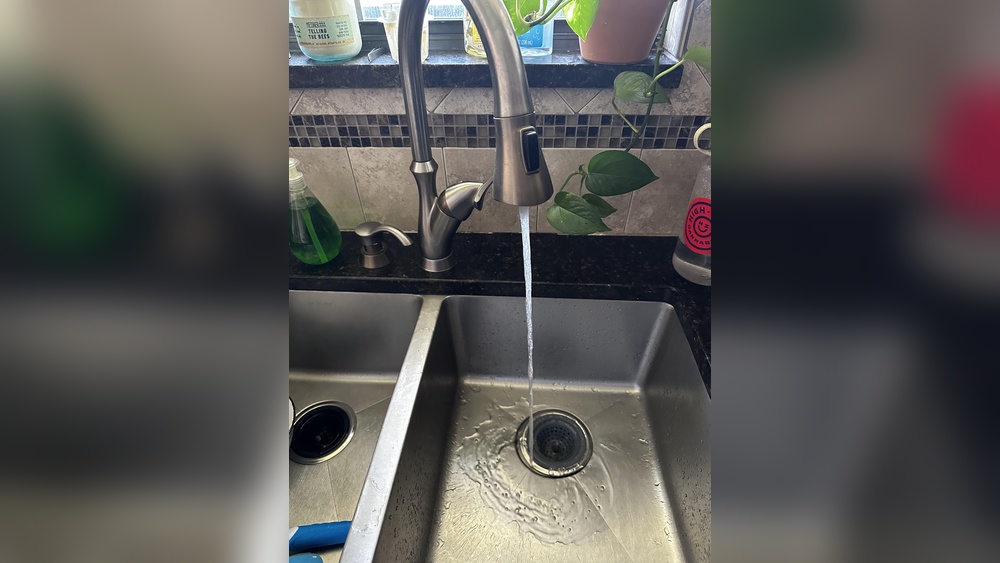
Is your kitchen sink suddenly struggling with low water pressure? It’s frustrating when you turn on the tap and only a weak trickle comes out.
You rely on your kitchen sink every day, whether it’s for washing dishes, filling pots, or quick cleanups. When the water pressure drops, it slows everything down and can throw off your whole routine. But don’t worry—you’re not alone, and this problem is often easier to fix than you think.
Keep reading to discover the common causes behind no water pressure in your kitchen sink and the simple steps you can take to get the flow back to normal fast.
Contents
Common Causes
Low or no water pressure in your kitchen sink can be frustrating. It disrupts daily chores like washing dishes and filling pots. Several common causes might reduce the water flow. Understanding these helps you fix the problem faster and avoid calling a plumber unnecessarily.
Clogged Aerator
The aerator is a small screen at the faucet tip. It mixes air with water to save water and reduce splashing. Over time, mineral deposits and debris can clog it. A blocked aerator limits water flow and lowers pressure. Cleaning or replacing it often restores normal flow.
Faulty Faucet Cartridge
The cartridge controls water flow inside the faucet. Wear and tear can cause it to fail or get stuck. A damaged cartridge reduces water pressure or causes uneven flow. Replacing the cartridge usually solves the issue quickly.
Blocked Supply Valves
Supply valves control water entering your faucet. They might be partially closed or clogged with debris. This restricts water flow and reduces pressure. Checking and fully opening supply valves can improve water pressure.
Pipe Leaks
Leaks in pipes reduce water pressure by losing water before it reaches the faucet. They also cause water damage and higher bills. Look for damp spots or puddles under the sink. Fixing leaks restores pressure and protects your home.
Municipal Water Issues
Sometimes, the problem is outside your home. Water main breaks or maintenance work can lower pressure. Also, high demand in your area can reduce flow temporarily. Contact your water supplier to check for local issues.
Tools You’ll Need
Fixing no water pressure in your kitchen sink requires a few basic tools. These tools help you check and repair the plumbing easily. Having them ready saves time and avoids extra trips to the store. Each tool has a specific role in the repair process.
Adjustable Wrench
An adjustable wrench fits different sizes of nuts and bolts. It helps loosen or tighten pipe connections under the sink. This tool is essential for removing faucet parts or supply lines safely.
Screwdriver Set
A screwdriver set includes flathead and Phillips screwdrivers. Use them to remove screws on faucet handles or access panels. This set makes it easy to disassemble parts without damage.
Plumber’s Tape
Plumber’s tape seals pipe threads to stop leaks. Wrap it around pipe threads before reconnecting parts. This tape prevents water from leaking at joints and improves pressure.
Bucket And Towels
A bucket catches water that may spill during repairs. Towels help keep the area dry and clean. These items protect your floor and make cleanup simple.
Fixing Clogged Aerator
Low water pressure in your kitchen sink often results from a clogged aerator. The aerator is a small screen at the faucet’s tip that mixes air with water. Dirt, minerals, and debris can block this screen, reducing water flow. Fixing a clogged aerator is simple and can restore your sink’s water pressure quickly.
Removing The Aerator
Start by turning off the faucet. Use your hand or a wrench to unscrew the aerator carefully. Wrap a cloth around the aerator if using a wrench to avoid damage. Place the aerator on a clean surface for cleaning.
Cleaning With Vinegar
Fill a small bowl with white vinegar. Soak the aerator parts in the vinegar for at least 30 minutes. Vinegar dissolves mineral buildup and loosens debris. Use an old toothbrush to scrub away stubborn particles gently. Rinse the aerator thoroughly with clean water.
Reinstalling The Aerator
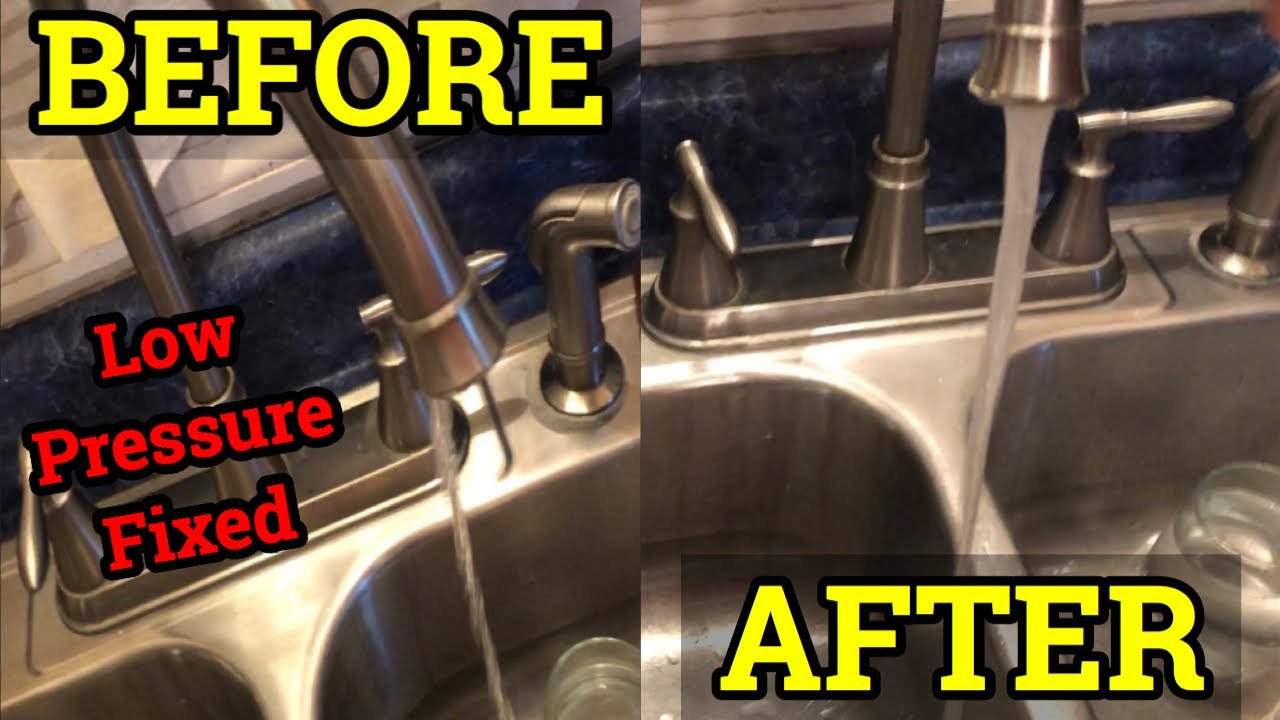
After cleaning, screw the aerator back onto the faucet. Tighten it by hand to avoid overtightening. Turn on the faucet to check water flow. The water pressure should improve once the aerator is clear.
Credit: www.youtube.com
Replacing Faucet Cartridge
Replacing the faucet cartridge can fix low or no water pressure in your kitchen sink. The cartridge controls water flow. Over time, it can wear out or get clogged. Changing it is simple and saves money on repairs.
Follow clear steps to replace the cartridge safely and correctly. This will restore proper water pressure quickly.
Shutting Off Water Supply
Find the water shut-off valves under the sink. Turn them clockwise to close. This stops water flow during the repair. Open the faucet to release any water left in the pipes. This prevents spills when removing the cartridge.
Removing Old Cartridge
Remove the faucet handle by loosening the screw. Use a screwdriver or Allen wrench. Carefully pull off the handle. Use pliers to unscrew the retaining nut. Pull out the old cartridge straight up. Check it for damage or buildup.
Installing New Cartridge
Insert the new cartridge into the faucet body. Make sure it fits snugly and aligns correctly. Tighten the retaining nut with pliers but do not overtighten. Replace the faucet handle and secure the screw. Turn on the water valves slowly. Test the faucet for proper water flow and leaks.
Checking Supply Valves
Checking the supply valves is a key step in fixing no water pressure in your kitchen sink. These valves control the water flow to your faucet. Sometimes, they get partially or fully closed. This stops water from flowing properly.
Inspecting the valves helps find simple issues. It saves time and avoids calling a plumber. Follow these easy steps to check the supply valves.
Locating Valves
Look under the kitchen sink cabinet. You will see two small valves. One controls hot water, the other cold water. They connect the water pipes to the faucet. These valves usually have round or oval-shaped handles. Sometimes, they look like small levers.
Ensuring Valves Are Open
Check if the valves are turned all the way open. Turn the handles counterclockwise to open. Water flows only if valves are fully open. Sometimes, they are partially closed by mistake. This reduces water pressure. Make sure both hot and cold valves open completely.
Clearing Valve Blockages
Valves can get clogged with dirt or minerals. This blocks water flow. To fix, first turn off both valves. Remove the valve handles carefully. Clean inside with a small brush or cloth. Remove any debris or buildup. Put the handles back and open valves slowly. Check if water pressure improves.

Credit: www.youtube.com
Detecting Pipe Leaks
Detecting pipe leaks is essential when facing no water pressure in the kitchen sink. Leaks can cause water loss and damage to your home. Finding leaks early saves money and prevents bigger problems. Understanding how to spot leaks helps keep your plumbing system healthy.
Inspecting Visible Pipes
Start by checking all pipes under the sink. Look for wet spots, rust, or corrosion. Pipes that feel damp or show water stains often have leaks. Listen for dripping sounds or water running when the faucet is off. Even small leaks can reduce water pressure.
Using Leak Detection Tools
Simple tools help find hidden leaks. A moisture meter detects dampness behind walls or under floors. Pressure gauges check if the water pressure drops suddenly. Dye tablets added to the water can reveal leaks by changing the water color. These tools make leak detection easier and more accurate.
Temporary Leak Sealing
Small leaks may need quick fixes before a plumber arrives. Use plumber’s tape or pipe clamps to seal leaks temporarily. Rubber patches work well on slow drips. Avoid turning on the water fully until the leak is fixed. Temporary sealing stops water loss and protects your home.
When To Call A Professional
Knowing when to call a professional for no water pressure in your kitchen sink can save time and stress. Some issues need expert tools and skills. This helps avoid damage and extra costs.
Persistent Low Pressure
If your kitchen sink keeps having low water pressure after basic checks, call a plumber. Persistent low pressure often means a hidden problem. It might involve clogged pipes or faulty valves that need professional attention.
Complex Plumbing Issues
Complex plumbing problems require a professional’s knowledge. Issues like pipe leaks inside walls or damaged water lines are hard to fix alone. Professionals can locate and repair these problems safely and correctly.
Safety Concerns
Some plumbing issues involve risks like water damage or electrical hazards. Handling these risks needs experience and proper tools. Calling a professional ensures safety for your home and family.

Credit: www.reddit.com
Preventive Tips
Preventing low water pressure in your kitchen sink starts with simple, regular care. Small steps keep your sink working well. This saves time and avoids costly repairs.
Regular Aerator Cleaning
The aerator is the small screen at the faucet’s tip. It can collect dirt and minerals. Clean it once a month. Unscrew the aerator and soak it in vinegar. Use a brush to remove buildup. Rinse it before putting it back. Clean aerators keep water flowing strong.
Routine Valve Checks
Valves control water flow to your sink. Check them every few months. Make sure they are fully open. Look for leaks or rust around valves. Tighten or replace parts if needed. Proper valve function ensures good water pressure.
Using Water Softener
Hard water causes mineral buildup inside pipes and faucets. A water softener reduces these minerals. It helps keep pipes clean and clear. Install a water softener if your water is hard. This protects your sink and improves pressure over time.
Frequently Asked Questions
Why Is There No Water Pressure In My Kitchen Sink?
No water pressure in your kitchen sink often results from clogged aerators, faulty valves, or plumbing leaks. Check and clean the aerator first. Also, inspect the shutoff valve and pipes for any blockages or damage. Addressing these issues usually restores proper water flow quickly.
How Can I Fix Low Water Pressure In The Kitchen Faucet?
To fix low water pressure, start by cleaning the faucet aerator. Remove mineral deposits that may block water flow. Next, check the shutoff valve under the sink to ensure it’s fully open. If problems persist, inspect the supply lines for leaks or damage.
Can A Clogged Aerator Cause No Water Pressure?
Yes, a clogged aerator is a common cause of no water pressure. Mineral buildup or debris can block water flow through the faucet. Removing and cleaning the aerator usually restores normal pressure. Regular maintenance prevents this issue from recurring.
Does Water Pressure Affect Dishwasher Performance?
Low water pressure can reduce dishwasher performance. Insufficient water flow prevents proper cleaning and rinsing of dishes. Ensure the kitchen sink faucet pressure is adequate, as it often supplies water to the dishwasher. Fixing pressure issues improves appliance efficiency.
Conclusion
No water pressure in your kitchen sink can cause big problems. Check the faucet, pipes, and valves for blockages or damage. Sometimes, cleaning the aerator or replacing old parts helps a lot. Regular maintenance keeps water flowing well. Don’t ignore low pressure—it can get worse over time.
Simple fixes often solve the issue quickly. Stay patient and follow easy steps to restore your sink’s water flow. Taking action today saves you from costly repairs tomorrow. Keep your kitchen working smoothly with steady water pressure.