
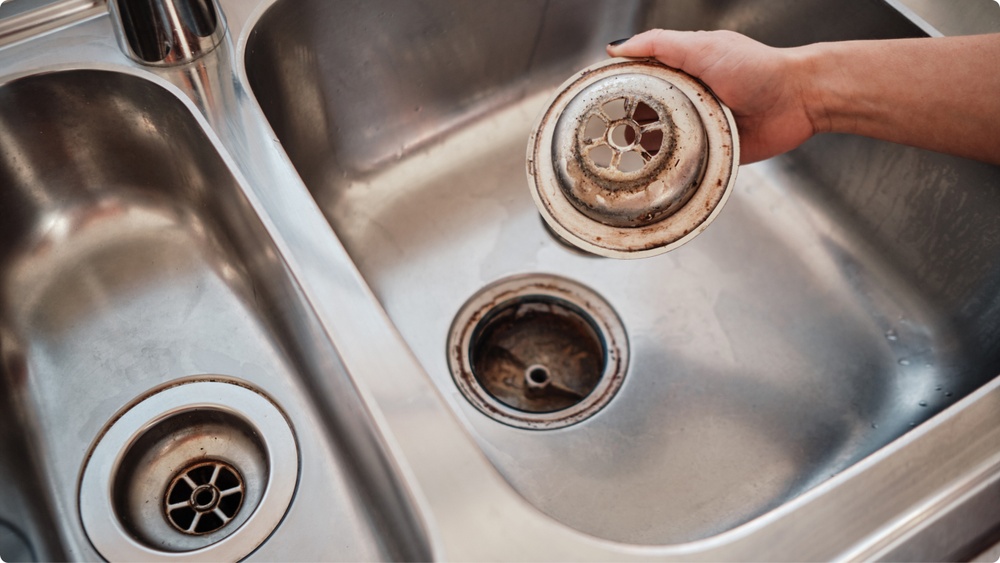
Is your kitchen sink drain pipe clogged or slow to drain? You’re not alone.
Over time, food particles, grease, and soap scum build up inside your drain pipe, causing unpleasant smells and frustrating blockages. But don’t worry—cleaning your kitchen sink drain pipe is easier than you think. You’ll discover simple, effective ways to clear out the grime and keep your sink running smoothly.
Keep reading, and you’ll learn how to fix the problem quickly—saving you time, money, and hassle.
:strip_icc()/how-to-clean-a-bathroom-sink-drain-01-c728294c8bee42428afdf3e69f449279.jpg)
Credit: www.bhg.com
Contents
Tools And Materials Needed
Cleaning a kitchen sink drain pipe requires some basic tools and materials. These items help remove clogs and keep your sink flowing smoothly. Having the right supplies makes the job easier and faster.
Most of these tools are common and easy to find. Preparing them before you start saves time and effort.
Plunger
A plunger creates suction to loosen blockages. It is one of the simplest tools for clearing drain clogs. Use a sink plunger, which has a smaller cup than a toilet plunger.
Pipe Wrench Or Adjustable Wrench
This wrench helps loosen or tighten the pipe connections under the sink. It allows you to remove the drain pipe safely without damage.
Bucket
A bucket catches water and debris when you disconnect the drain pipe. Place it under the pipe to avoid spills and mess.
Drain Snake Or Auger
A drain snake is a flexible tool that reaches deep clogs. It breaks up and pulls out stubborn blockages inside the pipe.
Cleaning Brush
A small brush helps scrub the pipe interior after removing it. It removes built-up grime and ensures a clean pipe.
Gloves
Wear gloves to protect your hands from dirt and chemicals. They keep your hands clean and safe during the cleaning process.
Baking Soda And Vinegar
These natural cleaners help dissolve minor clogs and freshen the drain. Pour baking soda followed by vinegar into the pipe for a simple cleaning boost.
Hot Water
Hot water flushes away loosened debris after cleaning. It helps clear the pipe and improve drainage.
Signs Of A Clogged Drain
Recognizing the signs of a clogged kitchen sink drain helps prevent bigger problems. Early detection saves time and money on repairs. Watch out for these common warning signals.
Slow Draining Water
Water takes longer to leave the sink. It pools around the drain instead of flowing quickly. Slow draining shows a partial blockage in the pipe.
Foul Odors
Bad smells come from the drain or under the sink. Food and grease build-up cause these odors. They signal trapped debris inside the pipes.
Gurgling Sounds
Strange noises come from the drain when water moves. Gurgling means air is trapped behind a clog. It indicates a partial or developing blockage.
Water Backup
Water rises back into the sink after draining. This happens when the clog blocks the pipe fully. Backup often leads to spills and messes.
Unusual Noises From Pipes
Clanking or banging sounds occur when water runs. These noises suggest pressure changes caused by a clog. Pipes may also vibrate or shake slightly.
Preparing The Sink Area
Preparing the sink area is the first step in cleaning the kitchen sink drain pipe. This step helps avoid mess and makes the cleaning process easier. A clean, organized workspace allows for better focus and faster results.
Start by clearing everything from around and under the sink. Remove dishes, soap bottles, and cleaning tools. This gives you space to work and prevents items from getting wet or dirty.
Next, gather all tools and materials needed for the task. Having everything at hand saves time and keeps the process smooth. Common tools include gloves, a bucket, a wrench, and cleaning agents.
Finally, check the sink drain for any visible debris. Removing loose food or grime helps the cleaning solution work better. This small step improves the overall effectiveness of the drain pipe cleaning.
Clear Items From Sink And Surroundings
Remove all dishes and cleaning supplies near the sink. Clear the cabinet below to access the drain pipe easily. A tidy area prevents accidents and makes space to work.
Gather Cleaning Tools And Materials
Collect gloves, a bucket, wrench, and cleaning products. Prepare a flashlight for better visibility under the sink. Having tools ready prevents interruptions during cleaning.
Inspect And Remove Visible Debris
Look inside the drain for food scraps or dirt. Use a paper towel to wipe away any loose particles. This step helps the cleaning agents reach deep into the pipes.
Manual Cleaning Method
Cleaning your kitchen sink drain pipe manually is simple and effective. This method removes clogs and bad smells fast. It does not need special tools or chemicals. Just some basic steps can clear most blockages.
Removing The Drain Stopper
First, take out the drain stopper. Most stoppers twist or pull up easily. Check if it is held by a clip or screw. Removing it gives clear access to the drain pipe.
Keep the stopper safe so you can put it back later. Wipe it clean with a cloth. This helps remove hair and grime stuck on it.
Clearing Debris By Hand
Use your hand or a small tool to pull out debris inside the drain. Hair, food bits, and grease often block the pipe. Wear gloves to keep your hands clean.
Reach deep to remove as much dirt as possible. This step improves water flow and reduces odors. Don’t rush; thorough cleaning works best.
Flushing With Hot Water
Pour hot water down the drain to clear leftover dirt. Hot water helps melt grease and flush away particles. Use boiling water carefully to avoid burns.
Repeat the process a few times for better cleaning. Hot water also refreshes the drain and stops bad smells.
Using Baking Soda And Vinegar
Using baking soda and vinegar is a natural way to clean your kitchen sink drain pipe. This method helps remove clogs and bad smells without harsh chemicals. It is safe for your pipes and the environment. The process is simple and effective.
Applying Baking Soda
Start by pouring about half a cup of baking soda into the drain. Baking soda is a gentle abrasive that loosens dirt and buildup. Make sure it goes down the drain pipe, not just the sink. This step prepares the pipe for the vinegar.
Adding Vinegar
Next, pour one cup of white vinegar into the drain. The vinegar reacts with the baking soda, causing fizzing and bubbling. This reaction helps break down grease and grime inside the pipe. It also kills some bacteria that cause odors.
Waiting And Flushing
Wait for about 15 minutes to let the mixture work. The fizzing action clears many blockages and cleans the pipe walls. After waiting, flush the drain with hot water. Hot water washes away loosened debris and leftover baking soda and vinegar.
Using A Plunger Or Drain Snake
Cleaning your kitchen sink drain pipe can be quick with the right tools. Using a plunger or drain snake helps clear blockages fast. These tools reach deep inside the pipe. They push out or pull up stuck debris. Here is how to use each tool effectively.
Plunger Technique
Choose a cup plunger, not a flange plunger. Cover the sink drain with the plunger cup. Push down firmly to create a seal. Pump the plunger up and down quickly. Do this about 15 times.
Lift the plunger to check if water flows freely. Repeat if the sink still drains slowly. Avoid using too much force to prevent pipe damage. The plunger uses pressure to move clogs out.
Drain Snake Usage
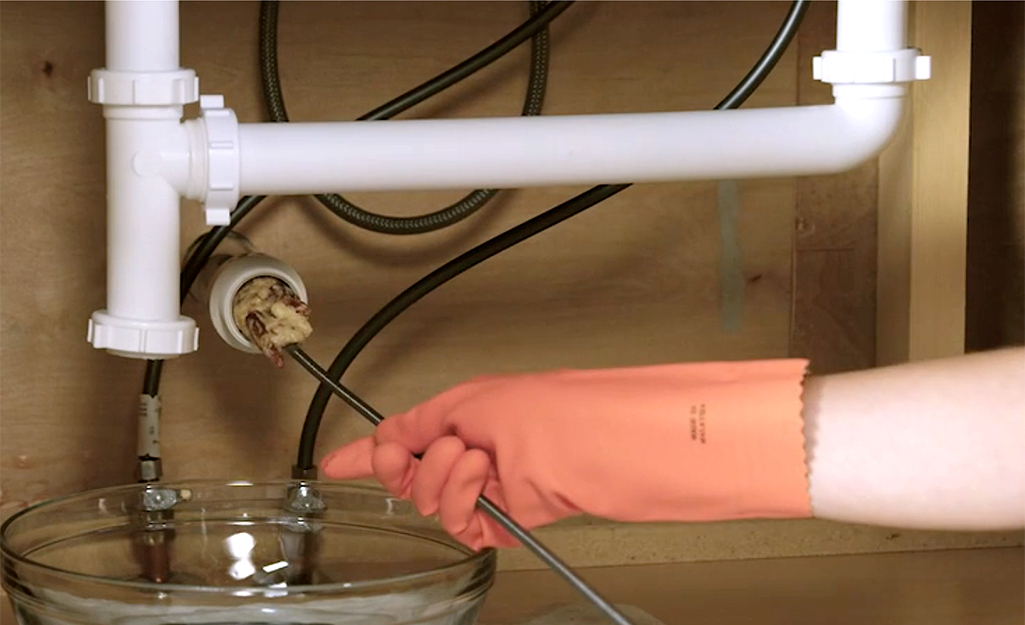
Insert the drain snake slowly into the drain pipe. Turn the handle clockwise to push it further. Feel resistance when the snake hits the clog.
Rotate the snake to break up or catch the blockage. Pull the snake out gently, bringing debris with it. Flush the drain with hot water to clear leftover dirt.
Drain snakes work well for tougher clogs that plungers can’t clear. They reach deeper and grab stuck material. Use gloves to keep hands clean during this process.
Chemical Cleaners: Pros And Cons
Chemical cleaners are a popular choice for cleaning kitchen sink drain pipes. They can dissolve clogs and clear grease quickly. Many people find them easy to use and effective for minor blockages.
Still, chemical cleaners have drawbacks. Some may damage pipes over time. Others can be harmful to the environment and your health. Knowing the pros and cons helps you decide if chemical cleaners suit your needs.
Chemical Cleaners Work Fast
Chemical cleaners break down grease, hair, and food particles fast. They reach deep into the drain pipe to clear blockages. This saves time compared to manual cleaning methods. A quick pour can restore water flow within minutes.
Possible Damage To Pipes
Strong chemicals can corrode metal and plastic pipes. Repeated use may cause leaks or pipe bursts. Older pipes are especially at risk. Use chemical cleaners sparingly to avoid costly repairs.
Health And Safety Risks
Many chemical cleaners contain harsh acids or bases. These can irritate skin and eyes on contact. Fumes may cause breathing problems. Always wear gloves and ensure good ventilation when using them.
Environmental Concerns
Chemicals from drain cleaners can pollute water sources. They may harm aquatic life and disrupt ecosystems. Choosing eco-friendly or natural cleaners reduces this risk. Dispose of chemical cleaners properly to protect the environment.
Preventing Future Clogs
Keeping your kitchen sink drain pipe clean helps avoid clogs. A clean drain pipe means less trouble with slow drainage or bad smells. Simple steps can keep the pipe clear and working well. Taking care now saves time and money later.
Regular Cleaning Tips
Clean the drain pipe regularly to stop buildup. Pour hot water down the drain once a week. It helps melt grease and flush away debris. Use a mixture of baking soda and vinegar monthly. This natural cleaner breaks down grime without harsh chemicals. Avoid letting food scraps go down the drain. Use a strainer to catch bits of food. Clear the strainer after each use to keep water flowing freely.
Avoiding Common Blockages
Do not pour grease or oil down the drain. They solidify and cause clogs. Dispose of cooking fats in the trash. Avoid washing coffee grounds and eggshells in the sink. These items build up and block pipes. Rinse dishes before washing to remove large food pieces. Keep hair and soap scum out of the kitchen sink. These can stick inside pipes and slow drainage.
When To Call A Professional
Knowing when to call a professional is important for kitchen sink drain pipe problems. Some issues can be fixed easily at home. Others need expert help to avoid damage or big costs.
Recognizing signs early can save time and money. A professional plumber has the right tools and skills. They can fix problems safely and quickly.
Persistent Clogs That Do Not Clear
Try home remedies first for small clogs. If the blockage stays after several attempts, call a plumber. Persistent clogs may mean a bigger problem inside the pipe.
Foul Odors That Won’t Go Away
Bad smells coming from the drain are a warning sign. These odors often mean trapped debris or mold. Professionals can clean deep inside the pipes to remove the cause.
Water Leaks Under The Sink
Leaks need immediate attention. Water can damage cabinets and floors quickly. A plumber can find the leak source and fix it properly.
Slow Draining Even After Cleaning
Slow draining might mean a partial blockage or pipe damage. If the sink drains slowly despite cleaning, call a professional. They can inspect and solve the issue fully.
Strange Noises From The Drain
Gurgling or bubbling sounds are not normal. These noises suggest air trapped or venting issues in the drain system. Professionals know how to fix this safely.
Credit: www.homedepot.com
Frequently Asked Questions
How Often Should I Clean Kitchen Sink Drain Pipes?
Clean your kitchen sink drain pipes every 1-2 months. Regular cleaning prevents clogs and removes grease buildup. This helps maintain smooth drainage and avoids foul odors. Frequent maintenance extends the lifespan of your plumbing system.
What Natural Ingredients Clean Sink Drain Pipes Effectively?
Baking soda and vinegar are effective natural cleaners. Pour half a cup of baking soda into the drain, followed by half a cup of vinegar. Let it fizz for 15 minutes, then flush with hot water. This removes grime and deodorizes the pipes safely.
Can I Use Chemical Drain Cleaners For Kitchen Pipes?
Chemical drain cleaners can damage pipes if used frequently. They may corrode metal pipes and harm the environment. Use them sparingly and follow instructions carefully. For regular cleaning, natural methods are safer and more eco-friendly.
How Do I Prevent Clogs In Kitchen Sink Drains?
Avoid pouring grease, food scraps, and coffee grounds down the drain. Use a drain strainer to catch debris. Regularly flush drains with hot water. These habits reduce buildup and keep your sink drain pipes clear and clog-free.
Conclusion
Cleaning your kitchen sink drain pipe keeps your home fresh and safe. Regular care stops bad smells and blockages. Use simple tools and natural cleaners for the best results. A clean drain pipe helps water flow smoothly every day. Small efforts save you from costly repairs later.
Try these easy steps soon and enjoy a cleaner kitchen. Keep your sink drain clear, and your kitchen stays happy.