
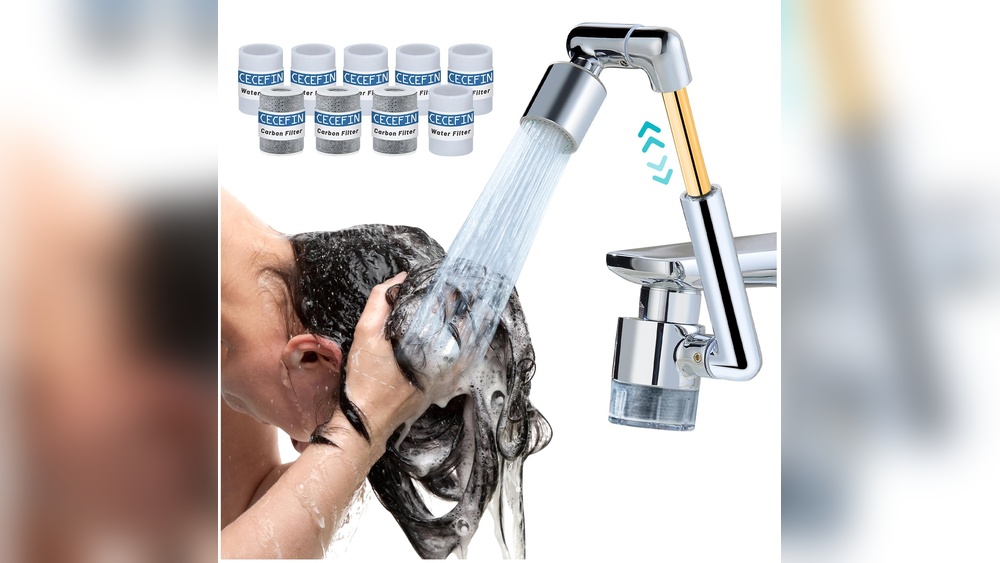
Are you tired of dealing with hard water stains and buildup around your kitchen sink? Imagine turning your regular kitchen sink into a soft water system that protects your pipes, makes cleaning easier, and leaves your dishes sparkling.
You don’t need to be a plumbing expert to make this change. You’ll discover simple steps to transform your kitchen sink water quality, saving you time and money while improving your daily routine. Keep reading to learn how you can enjoy the many benefits of soft water right at your kitchen sink.
Contents
Benefits Of Soft Water In the Kitchen
Soft water in the kitchen offers many benefits. It helps protect your appliances and keeps your dishes cleaner. Using soft water also supports better health and skin. Changing your kitchen sink to a soft water system can improve daily tasks and home care.
Improved Appliance Longevity
Soft water reduces mineral buildup in appliances. Minerals in hard water cause damage over time. With soft water, your dishwasher and coffee maker last longer. This saves money on repairs and replacements. It also keeps appliances working at their best.
Better Cleaning Results
Soft water cleans dishes and surfaces more effectively. It stops spots and film from forming on glassware. Soap and detergent work better in soft water. You use less soap and get better results. Kitchen surfaces stay cleaner and shine longer.
Health And Skin Advantages
Soft water is gentle on your skin and hands. Hard water can cause dryness and irritation. Using soft water reduces these problems. It also helps wash away soap fully from your skin. This means less itching and softer skin after washing.
Types Of Soft Water Systems
Choosing the right soft water system for your kitchen sink is important. Different types work in different ways. Each has its own benefits and suits different needs. Knowing the types helps you pick the best fit for your home.
Salt-based Water Softeners
Salt-based water softeners use salt to remove hard minerals. These systems replace calcium and magnesium with sodium. This process makes the water soft and safe for your pipes. They are very effective for very hard water. Regular salt refills are needed to keep them working well.
Salt-free Conditioners
Salt-free conditioners do not use salt or chemicals. They change the structure of minerals so they do not stick to surfaces. This method stops scale buildup but does not remove minerals. These systems need less maintenance and use no salt. They work well for mild to moderate hard water.
Reverse Osmosis Systems
Reverse osmosis systems filter water through a special membrane. This removes many impurities, including hard minerals. The result is very clean and soft water. These systems are often used with a softener for better results. They need regular filter changes to stay effective.
Tools And Materials Needed
Changing your kitchen sink to a soft water system requires specific tools and materials. Having the right items ready makes the process smooth and safe. This section lists everything you need for a successful installation.
Basic Plumbing Tools
You need simple plumbing tools for pipe adjustments. A pipe wrench helps loosen and tighten fittings. Adjustable pliers work well for gripping pipes. A basin wrench reaches tight spaces under the sink. A screwdriver is essential for removing screws. Teflon tape seals pipe threads to stop leaks. A bucket catches water during disconnection. Finally, a utility knife helps cut tubing if needed.
Water Softener Components
The main parts include the water softener unit and a bypass valve. Connectors and tubing link the softener to your water line. Resin beads inside the softener trap hardness minerals. Salt or potassium chloride refills the softener for regeneration. A drain line carries away the hard minerals. Installation instructions guide you through the setup. Check if your system needs a power supply or battery backup.
Safety Equipment
Wear safety goggles to protect your eyes from splashes. Gloves keep your hands safe from sharp edges. Turn off your water supply before starting work. Use a flashlight to see clearly under the sink. Keep a towel nearby to clean spills fast. A smoke detector nearby ensures safety if electrical work is involved. Working carefully prevents accidents and damage.
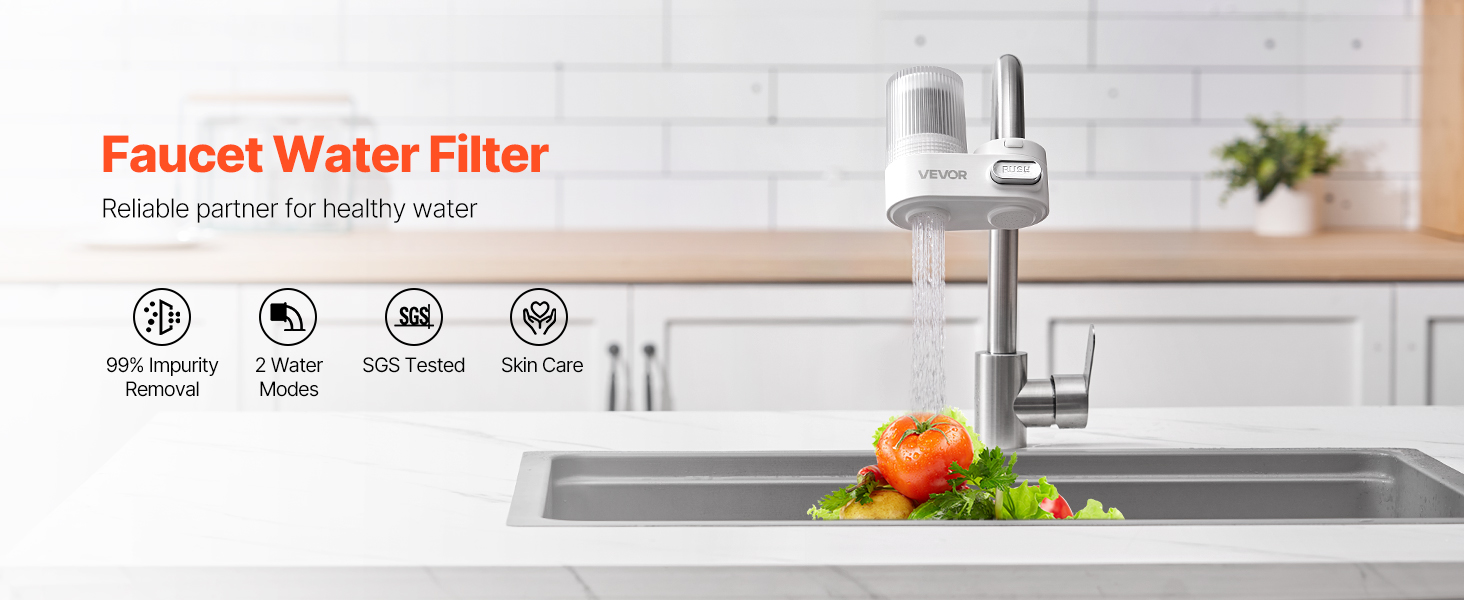
Credit: www.ebay.com
Preparing Your Kitchen Sink
Preparing your kitchen sink is the first step to installing a soft water system. This step ensures safety and a smooth installation process. You need to get the sink ready by following a few simple actions.
Shutting Off Water Supply
Turn off the main water valve under the sink. This stops water flow to avoid leaks. Check if the water stops by opening the faucet. Always keep a bucket or towel nearby to catch any drips.
Removing Existing Fixtures
Use a wrench to loosen the nuts holding the faucet and pipes. Carefully remove the faucet and drain fittings. Place all small parts in a safe spot. Be gentle to avoid damage to the plumbing or sink.
Cleaning The Area
Clear dirt, grime, and old sealant around the sink area. Use a cloth and mild cleaner for the best results. Make sure the surface is dry before installing new parts. A clean area helps the soft water system fit well and work properly.
Installing The Soft Water System
Installing a soft water system in your kitchen improves water quality and protects your pipes. The process involves a few key steps that anyone can follow. Proper installation ensures your system works well and lasts longer.
Connecting The Water Softener
Start by turning off the main water supply. Attach the softener’s inlet to the cold water pipe near your kitchen sink. Use a flexible hose or copper tubing for a secure fit. Connect the outlet of the softener to the pipe leading to your faucet. Check that all fittings match your plumbing size.
Securing Plumbing Connections
Use pipe tape on threads to stop leaks. Tighten all connections with a wrench, but avoid over-tightening. Secure hoses and pipes with clamps to prevent movement. Make sure the system stays in place and does not strain the pipes.
Testing For Leaks
Turn on the main water supply slowly. Watch all connection points for drips or moisture. Use a dry cloth to check hidden joints. If you see leaks, tighten connections again. Test the water flow to confirm the system works correctly.
Adjusting Settings And Maintenance
Adjusting settings and maintaining your soft water system keeps it working well. Simple care helps avoid problems and keeps water soft. Small daily steps save time and costs later.
Setting Softener Controls
Start by reading the manufacturer’s guide for control settings. Set the hardness level to match your local water supply. Use the control panel to input the correct data. This helps the system soften water efficiently. Check settings after power outages or resets.
Regular Salt Refills
Soft water systems need salt to work well. Check the salt level every two weeks. Add salt when the level is low, but avoid overfilling. Use high-quality salt made for water softeners. Keep the salt container clean and dry to prevent clumps.
Routine System Checks
Inspect your system monthly for leaks or damage. Clean the brine tank once a year to stop salt buildup. Look for any unusual noises or slow water flow. Test water hardness regularly to confirm system performance. Call a professional if you notice persistent issues.
Troubleshooting Common Issues
Troubleshooting common issues with a soft water system helps keep it working well. Understanding these problems saves time and effort. It also ensures your kitchen sink gets soft water consistently.
Some problems happen often but have easy fixes. Knowing the signs of trouble helps spot them early. This way, you avoid bigger issues later.
Low Water Pressure
Low water pressure can affect water flow from the sink. It may happen due to clogged filters or pipes. Check the system’s filter and clean it if dirty. Also, inspect pipes for blockages or leaks. Clearing these can restore normal pressure quickly.
Salt Bridging
Salt bridging forms a hard crust in the salt tank. This stops salt from dissolving properly. It causes the softener to stop working well. Break the crust gently with a broom handle or stick. Avoid using sharp tools that can damage the tank.
System Not Softening Water
The system may fail to soften water for several reasons. Check if the salt level is low and add more if needed. Ensure the regeneration cycle runs on schedule. Also, verify the settings on the control valve are correct. Fixing these issues restores soft water fast.

Credit: www.amazon.ae
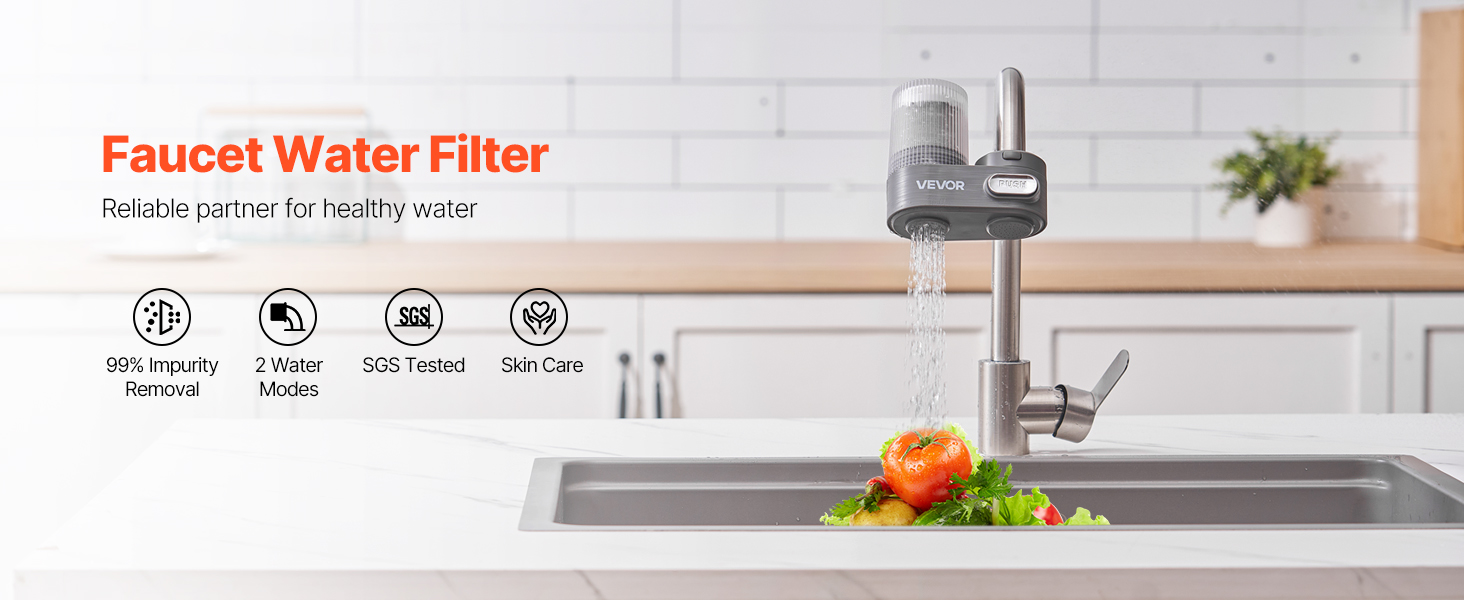
Credit: www.ebay.com
Frequently Asked Questions
How Do I Convert A Kitchen Sink To A Soft Water System?
To convert, install a water softener unit on your main water line. Connect the soft water outlet to your kitchen sink plumbing. This reduces hardness minerals, preventing scale buildup and improving water quality for washing and drinking.
What Tools Are Needed To Change To Soft Water System?
You will need a water softener unit, adjustable wrench, plumber’s tape, tubing, and connectors. A screwdriver and bucket may also help. Ensure you have basic plumbing knowledge or consult a professional for installation.
How Long Does It Take To Install A Soft Water System?
Installation usually takes 1 to 3 hours depending on plumbing complexity. Simple setups are quicker, while older homes may require more time. Always follow manufacturer instructions or hire a professional for best results.
Will Soft Water Damage My Kitchen Sink Pipes?
No, soft water is gentler on pipes and fixtures. It prevents mineral buildup and corrosion, extending pipe life. Soft water improves plumbing health and efficiency, making it safer for your kitchen sink system.
Conclusion
Changing your kitchen sink to a soft water system brings many benefits. You get cleaner dishes and softer skin. The process is simple with the right tools and steps. Save money by reducing soap and detergent use. Enjoy less hard water buildup on your fixtures.
Soft water also helps your pipes last longer. Take your time and follow instructions carefully. Soon, you will notice the positive changes in your kitchen water. A small change can make daily tasks easier and more pleasant.