
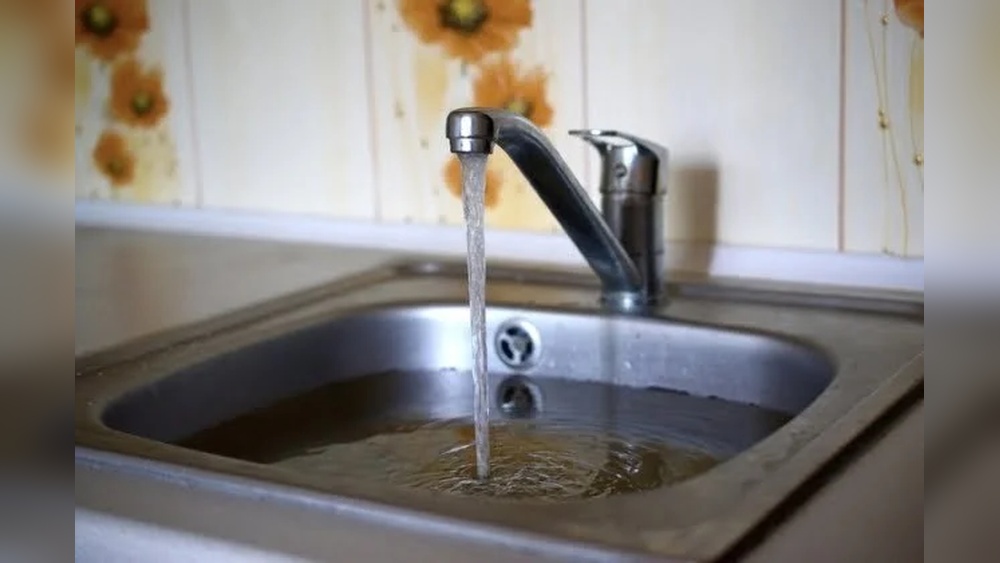
Have you ever stopped to think about what water your kitchen sink actually uses? It might seem like a simple question, but the answer can affect your health, your bills, and even the environment.
Understanding the type of water flowing through your kitchen sink can help you make better choices for your home and family. Keep reading, and you’ll discover everything you need to know about the water in your kitchen sink—and why it matters to you.
:strip_icc()/102437074_preview-3923811efa1e472ebd0053285150d9c9.jpg)
Credit: www.bhg.com
Contents
Types Of Water For Kitchen Sinks
Kitchen sinks use different types of water depending on the source and treatment. Each type affects the water’s taste, quality, and how it interacts with your plumbing. Understanding these types helps in choosing the best water for cooking and cleaning.
Tap Water
Tap water comes directly from your local water supply. It is treated to meet safety standards for drinking and household use. This water often contains minerals, chlorine, and sometimes fluoride. These additives keep the water safe but can affect taste and smell. Tap water is the most common water used in kitchen sinks.
Filtered Water
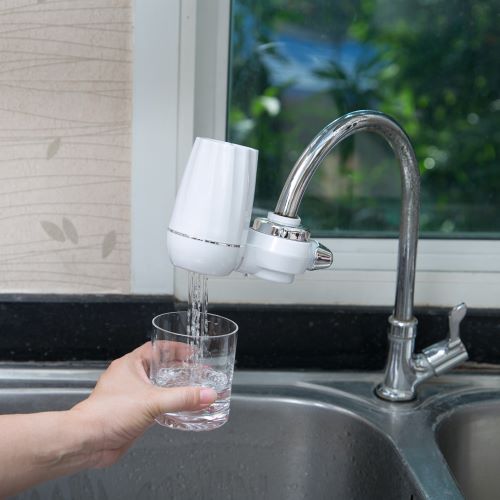
Filtered water passes through a purification system to remove impurities. Filters can reduce chlorine, sediment, and some minerals. This water tastes cleaner and is better for cooking and drinking. Many people install filters on their kitchen faucets for better water quality. Filtered water helps protect appliances from mineral buildup too.
Hard Vs Soft Water
Hard water has high mineral content, especially calcium and magnesium. It can cause spots on dishes and leave deposits in pipes. Soft water has fewer minerals and feels smoother on the skin. Using soft water in the kitchen sink prevents scale buildup. Knowing your water hardness helps in maintaining plumbing and appliances.
Water Quality Standards
Water quality standards ensure the water from your kitchen sink is safe and clean. These standards control what is allowed in the water. They protect your health and make sure the water tastes good. Knowing these rules helps you understand what water you use daily.
Water quality rules are set by health agencies. These rules cover many factors like chemicals, bacteria, and clarity. They keep harmful substances out of your drinking and cooking water.
Safe Drinking Water Criteria
Safe drinking water must meet specific criteria. It must be free from harmful bacteria and viruses. The water should not have dangerous chemicals or metals. Agencies set limits on how much of these can be in the water. Clear water with no bad smell or taste is important too. These rules help prevent illnesses from water.
Contaminants To Watch
Some common contaminants can affect kitchen sink water. Lead can come from old pipes and cause health problems. Bacteria like E. coli can make water unsafe to drink. Chemicals such as pesticides and chlorine may also be present. Hard water has minerals that can damage appliances. Knowing these contaminants helps you keep your water safe.
Water Sources For Kitchen Sinks
Kitchen sinks need clean and safe water for daily use. Water can come from different sources depending on where you live. Understanding these sources helps you know the quality and safety of your kitchen water.
Water sources vary in availability and treatment methods. Each type has unique benefits and concerns for kitchen use.
Municipal Supply
Most homes use municipal water for their kitchen sinks. This water comes from city treatment plants. It is cleaned and tested to meet safety standards. Pipes deliver the water directly to your home. Municipal water is reliable and easy to access. It usually contains chlorine or other disinfectants to kill germs.
Well Water
Well water comes from underground sources. People living in rural areas often use it. A pump draws water from a well to the kitchen sink. Well water is natural but may need testing for safety. It can contain minerals or bacteria. Many homeowners install filters to ensure clean water for cooking and drinking.
Rainwater Harvesting
Some homes collect rainwater for kitchen use. This water comes from rooftops and stored tanks. It is eco-friendly and reduces water bills. Rainwater needs proper filtering and treatment before use. It can supply water for washing dishes and other tasks. Rainwater harvesting supports water conservation efforts in dry regions.
Credit: www.culligan.com
Water Treatment Options
Water treatment options for kitchen sinks improve water quality. They remove impurities and protect your plumbing. Choosing the right system depends on your water source and needs. Clean water helps food taste better and keeps your family safe.
Filtration Systems
Filtration systems remove particles like dirt, rust, and sediment. They use filters made from carbon or ceramic materials. These systems improve water clarity and taste. Filters need regular changing to work well. Many kitchen sinks use under-sink filtration for convenience.
Water Softeners
Water softeners reduce hardness caused by minerals like calcium and magnesium. Hard water can cause scale buildup in pipes and appliances. Softeners replace these minerals with sodium or potassium. This process protects your plumbing and makes soap work better. Soft water feels smoother on skin and hair.
Uv Purifiers
UV purifiers use ultraviolet light to kill bacteria and viruses. They do not add chemicals to the water. These systems provide safe water free from harmful germs. UV purifiers require electricity to run. They work best with pre-filtered water for clear results.
Impact On Plumbing And Appliances
The type of water used in a kitchen sink affects plumbing and appliances significantly. Water quality impacts their lifespan and performance. Understanding these effects helps maintain your kitchen’s functionality and avoid costly repairs.
Effect Of Hard Water
Hard water contains minerals like calcium and magnesium. These minerals can cause problems in pipes and appliances. They reduce water flow and increase energy use. Hard water also affects soap’s ability to clean well. It leaves spots on dishes and sinks.
Corrosion And Build-up
Some water types cause corrosion inside pipes. Corrosion damages metal pipes and fixtures. Build-up from minerals forms scale that clogs plumbing. Scale reduces water pressure and harms appliances. It can cause leaks and expensive damage.
Maintaining Appliances
Regular cleaning helps prevent mineral build-up. Use water softeners to reduce hard water effects. Flush appliances like dishwashers and water heaters often. This keeps them running smoothly and saves energy. Maintenance extends the life of kitchen appliances.
Environmental And Health Considerations
Water used in kitchen sinks affects both the environment and health. Using water wisely helps save natural resources. Clean water reduces risks of sickness. Understanding these factors can guide better water use in your home.
Water Conservation Tips
Turn off the tap while washing dishes. Use a bowl to rinse vegetables instead of running water. Fix leaks quickly to stop water waste. Choose faucets with low flow rates. Collect and reuse water for plants. Small changes cut water use significantly.
Health Benefits Of Clean Water
Clean water keeps germs and bacteria away. It protects your family from waterborne diseases. Proper filtration removes harmful chemicals. Safe water supports good digestion and skin health. Drinking and cooking with clean water improves overall wellness.
Credit: www.reddit.com
Frequently Asked Questions
What Type Of Water Does A Kitchen Sink Use?
A kitchen sink uses potable water, which is safe for drinking and cooking. This water comes from municipal or well sources and meets health standards.
Can Kitchen Sink Water Be Hot Or Cold?
Yes, kitchen sinks provide both hot and cold water through separate taps or a mixer faucet. This allows temperature control for various uses.
Is Kitchen Sink Water Safe For Drinking?
Generally, yes. Kitchen sink water is treated and filtered to meet safety standards, making it safe for drinking and food preparation.
How Is Kitchen Sink Water Supplied?
Water is supplied to kitchen sinks via plumbing pipes connected to the main water source. Pipes deliver water under pressure for everyday use.
Conclusion
A kitchen sink uses clean, treated water from your home’s supply. This water is safe for washing dishes, hands, and food. Cold and hot water flow through separate pipes to the sink. Hot water helps remove grease and dirt more easily.
Knowing this helps you understand your kitchen better. Good water means a healthier home and easier cleaning. Keep your sink pipes clean to avoid blockages. Simple care ensures your water works well every day. Water is basic, but it plays a big role in your kitchen.