
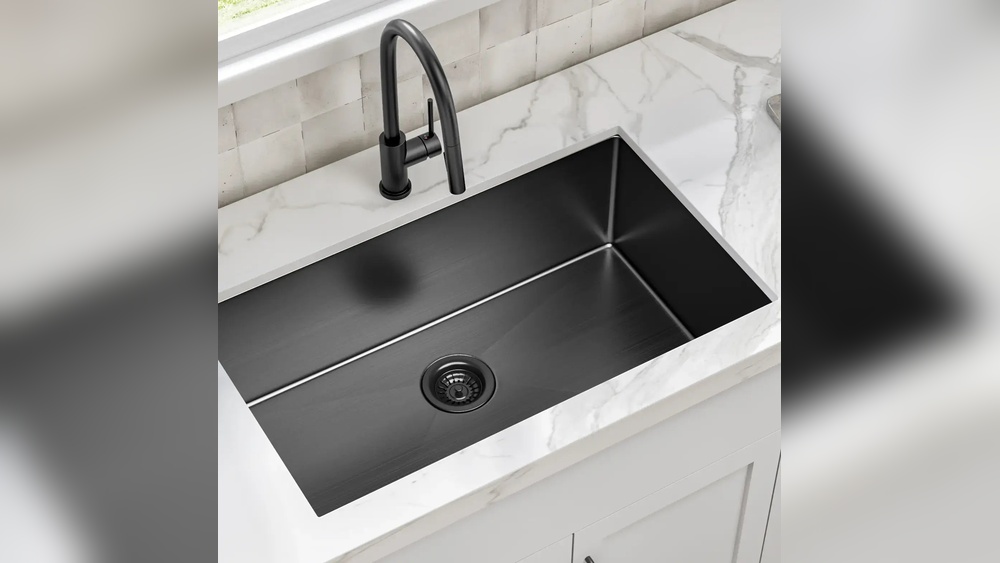
Choosing the right material for your kitchen sink is more important than you might think. Your sink needs to be durable, easy to clean, and stylish enough to match your kitchen’s look.
But with so many options available, how do you know which one is best for you? Whether you love cooking, have a busy family, or just want a sink that lasts, this guide will help you make a confident choice.
Keep reading to discover the best materials that combine strength, beauty, and practicality for your kitchen sink. Your perfect sink is closer than you think!
Credit: vevano.com
Contents
Popular Sink Materials
Choosing the right material for your kitchen sink affects its look and how long it lasts. Many materials are popular today because they offer different benefits. Some are strong, some look great, and others resist stains or scratches well.
Below are some popular sink materials. Each has unique features that suit different kitchens.
Stainless Steel
Stainless steel sinks are very common. They resist rust and stains well. These sinks are easy to clean and fit most kitchen styles. They can be noisy but adding soundproofing helps. Stainless steel is affordable and durable.
Cast Iron
Cast iron sinks have a thick, heavy build. They are coated with enamel to prevent rust. These sinks are strong and last for many years. Their smooth surface resists scratches and chips. They work well in classic or traditional kitchens.
Composite Granite
Composite granite sinks mix stone and resin. They look natural and feel solid. These sinks resist heat, scratches, and stains. They come in many colors to match your kitchen. Composite granite is tough and low-maintenance.
Fireclay
Fireclay sinks are made from clay fired at high heat. They have a smooth, glossy finish. Fireclay resists chips and scratches. These sinks suit farmhouse or vintage kitchens. They are easy to clean and very durable.
Copper
Copper sinks add warmth and charm to kitchens. They develop a natural patina over time. Copper has antibacterial properties. These sinks are softer, so they can scratch more easily. They need regular care to keep their shine.
Quartz
Quartz sinks are made from crushed quartz and resin. They are hard and scratch-resistant. Quartz sinks handle heat well and resist stains. They come in many colors and styles. Quartz is a modern choice for busy kitchens.
:max_bytes(150000):strip_icc()/GettyImages-1098390260-48e2f81dd4de4c1381af5e811a031e42.jpg)
Credit: www.thespruce.com
Durability And Maintenance
Durability and maintenance play a big role in choosing the best material for kitchen sinks. A sink must handle daily use without losing its look or function. It should resist damage and be easy to clean. These factors help keep the sink looking new and working well for years.
Resistance To Scratches And Stains
Kitchen sinks face many scratches from pots, pans, and utensils. Some materials resist scratches better than others. Stainless steel sinks can show scratches, but hide them well with a brushed finish. Granite composite sinks resist scratches and keep their smooth look. Stains can come from food, drinks, or hard water. Materials like porcelain and granite resist stains better than some metals.
Ease Of Cleaning
A good sink cleans quickly with little effort. Stainless steel sinks clean easily with soap and water. Porcelain sinks need gentle cleaning to avoid dulling. Granite composite sinks wipe clean without harsh chemicals. Avoid materials that trap dirt or food in small cracks. Smooth surfaces make cleaning faster and keep germs away.
Impact Of Heat And Chemicals
Heat from pots and pans can damage some sink materials. Stainless steel and granite sinks handle heat well without warping. Porcelain may crack under extreme heat. Chemical cleaners can harm some sinks. Granite composite sinks resist damage from most household chemicals. Avoid strong acids or bleach on delicate surfaces. Choosing heat- and chemical-resistant sinks protects your kitchen investment.
Aesthetic Appeal
The aesthetic appeal of a kitchen sink plays a big role in the overall look of your kitchen. Choosing the right material can make your sink stand out or blend in smoothly. The right sink adds charm and style to your cooking space.
Kitchen sinks come in many materials, each offering unique colors and finishes. These options let you find a sink that fits your taste and kitchen design perfectly.
Color And Finish Options
Materials like stainless steel offer a sleek, shiny finish. They suit modern kitchens well. Porcelain sinks come in white and soft pastel shades, giving a classic look. Granite composite sinks provide rich, natural colors with a matte finish. They resist stains and scratches. Copper sinks develop a warm, rustic patina over time. This adds character and depth.
Matching Kitchen Styles
Choose stainless steel for a modern or industrial kitchen style. Porcelain fits well with traditional or farmhouse kitchens. Granite composite sinks complement contemporary kitchens with natural tones. Copper sinks suit rustic or vintage kitchen themes. Picking a sink material that matches your kitchen style keeps your space balanced and inviting.
Cost Comparison
Choosing the right kitchen sink depends a lot on cost. Different materials come with different price tags. This section breaks down the costs to help you decide.
Initial Price Range
Stainless steel sinks usually cost between $100 and $500. They are affordable and popular. Porcelain sinks range from $200 to $600. They look nice, but can chip easily. Granite composite sinks often start around $300 and can go up to $900. They are durable but pricier upfront. Copper sinks cost between $400 and $1,200. These sinks add a unique style but come at a higher price. Cast iron sinks with enamel coating range from $300 to $1,000. They are strong but heavy and expensive.
Long-term Value
Stainless steel sinks last long with little maintenance. They resist stains and dents well. Porcelain sinks may need repairs if chipped. They can lose shine over time. Granite composite sinks resist scratches and heat. They keep their look for years. Copper sinks develop a patina, which some like. This changes their appearance but protects the metal. Cast iron sinks are very durable, but can crack if dropped. They often require more care to maintain their finish.
Installation Considerations
Choosing the best material for kitchen sinks involves more than looks and durability. Installation matters a lot. It affects how your sink fits and works in your kitchen. Understanding the installation process helps you pick the right sink for your space. This section covers key points about installing kitchen sinks.
Mounting Types
Sinks come with different mounting styles. Each type needs specific installation steps.
Top-mount sinks sit on the countertop. They are easier to install and replace. The sink rim rests on the counter, hiding the edges.
Undermount sinks attach below the countertop. They offer a smooth, seamless look. Installation requires strong support and precise cutting.
Farmhouse or apron sinks have a front panel exposed outside the cabinet. They need special cabinet modifications for installation.
Compatibility With Countertops
Sink material must match your countertop type. Some materials work better with certain counters.
Granite or quartz counters pair well with undermount sinks. The solid surface supports heavy sinks like stainless steel or fireclay.
Laminated countertops suit top-mount sinks better. Undermount sinks may damage thin or fragile counters.
Consider the sink weight. Heavy sinks need strong countertops and extra support.
Environmental Impact
Choosing the right kitchen sink material affects more than just style and durability. It also impacts the environment. Different materials have different effects on natural resources and waste. Understanding these effects can help you pick a sink that is better for the planet.
Sustainability Of Materials
Sustainable materials use fewer resources and last longer. Stainless steel sinks are popular because they often contain recycled metal. They are also durable, reducing the need for frequent replacement. Composite sinks made from natural stone and resin offer a longer lifespan too. Cast iron sinks have a long life but require more energy to produce. Materials that last reduce waste and lower environmental harm.
Recyclability
Recycling kitchen sinks helps reduce landfill waste. Stainless steel is one of the easiest materials to recycle. It can be melted down and reused many times. Porcelain sinks are harder to recycle because they break easily and are less processed. Composite sinks often cannot be recycled due to mixed materials. Choosing recyclable sinks supports a circular economy and lowers environmental damage.
Tips For Choosing The Right Sink
Choosing the right kitchen sink affects both daily use and kitchen look. Picking a sink that fits your needs and style makes cooking and cleaning easier. Consider key points before buying to avoid future issues. Here are some tips to guide your decision.
Assessing Your Kitchen Needs
Think about how you use your sink each day. Do you wash many large pots or just small dishes? Size matters. A bigger sink helps with large pans but takes more space. Also, check how many bowls you need. Double bowls help multitask, while single bowls offer more room for big items.
Consider your countertop and cabinet size. The sink should fit well without crowding. Look at your faucet type and plumbing setup too. Some sinks need special taps or drains. Matching these saves time and money during installation.
Balancing Functionality And Style
Choose a sink material that fits your kitchen style and use. Stainless steel is popular for its durability and simple look. Porcelain sinks bring a classic, clean feel but need gentle care. Granite composite sinks resist stains and scratches, offering a modern touch.
Think about color and texture. A sink can match your countertop or stand out as a feature. Pick a finish that hides water spots and scratches. This keeps your sink looking good longer with less cleaning.
Credit: vevano.com
Frequently Asked Questions
What Is The Most Durable Kitchen Sink Material?
Stainless steel is the most durable kitchen sink material. It resists stains, heat, and corrosion well. It also fits various kitchen styles and budgets.
Which Kitchen Sink Material Is Easiest To Clean?
Porcelain and stainless steel sinks are easiest to clean. Their smooth surfaces prevent dirt build-up and are resistant to stains. Daily wiping keeps them looking new.
Are Granite Composite Sinks Worth The Investment?
Yes, granite composite sinks are highly durable and scratch-resistant. They offer a stylish matte finish and withstand heat well. They are a popular choice for modern kitchens.
How Does Cast Iron Compare For Kitchen Sinks?
Cast iron sinks are extremely durable and offer a classic look. They have a porcelain coating that resists chipping and stains. However, they are heavy and may require extra support.
Conclusion
Choosing the best material for your kitchen sink depends on your needs. Think about durability, style, and budget. Stainless steel is popular for its strength and ease of cleaning. Granite sinks offer a natural look and resist scratches well. Porcelain sinks bring classic charm but need careful handling.
Each material has its own benefits and drawbacks. Decide what fits your kitchen use and design best. A good sink makes daily tasks easier and adds value to your home. Take time to pick the right one for you.