
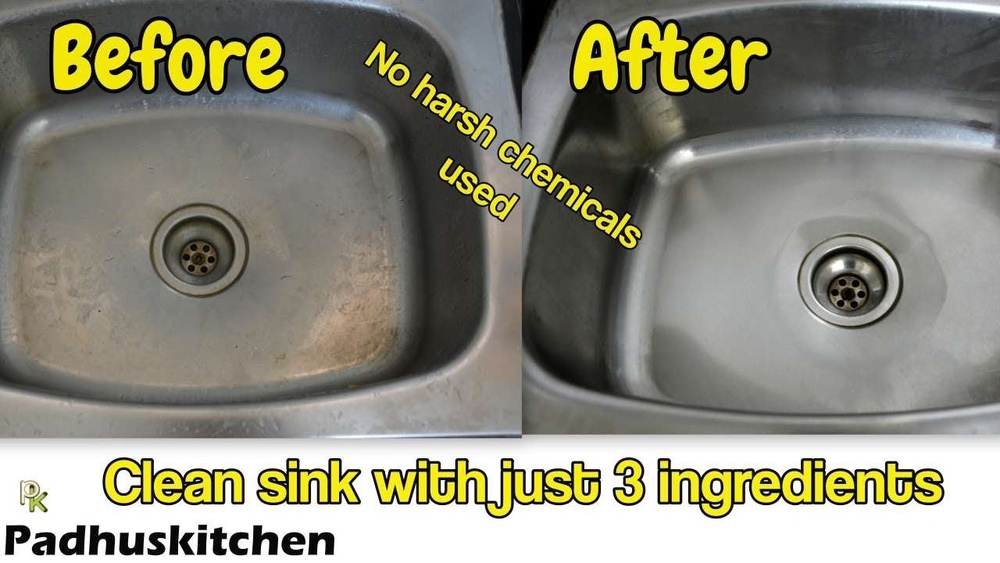
Is your stainless steel sink looking dull or stained? You rely on it every day, so keeping it clean isn’t just about looks—it’s about hygiene too.
But how do you get that shiny, spotless finish without wasting time or harsh chemicals? You’ll discover simple, effective steps to make your sink sparkle like new. Ready to transform your kitchen and impress everyone who sees it? Let’s dive in and make cleaning your stainless steel sink easier than ever.
Contents
Choosing The Right Cleaning Tools
Choosing the right tools for cleaning a stainless steel sink makes the task easier and safer. The wrong tools can scratch or damage the surface. Picking soft and gentle items protects the sink’s shine. This section explains the best options for cleaning tools.
Soft Cloths And Sponges
Soft cloths and sponges are the best for daily cleaning. They wipe away dirt and water spots without scratching. Microfiber cloths work very well because they trap dust and grime. Avoid rough or abrasive cloths that can leave marks.
Non-abrasive Scrubbers
Non-abrasive scrubbers help remove tough stains without harming the sink. Nylon scrub pads or soft-bristle brushes are safe choices. They clean stubborn spots and food residue gently. Avoid steel wool or hard scrubbers that cause scratches.
Safe Cleaning Agents
Choose cleaning agents made for stainless steel. Mild dish soap mixed with water cleans well. Baking soda is a gentle scrubbing powder for stains. Avoid bleach or harsh chemicals that can damage the metal. Using safe cleaners keeps the sink shiny and healthy.

Credit: www.youtube.com
Daily Cleaning Routine
Keeping your stainless steel sink clean every day helps it stay shiny and new. A simple daily routine stops dirt and stains from building up. You do not need strong cleaners. Just a few easy steps will keep your sink fresh and bright.
Rinsing And Wiping
Start by rinsing the sink with warm water after each use. This removes leftover food and soap. Use a soft cloth or sponge to wipe the sink dry. Drying stops water spots and streaks from forming. Wiping also keeps the sink surface smooth and shiny.
Removing Water Spots
Water spots can make your sink look dull. Use a mixture of equal parts water and white vinegar. Spray it on the spots and let it sit for a few minutes. Then, wipe with a soft cloth. Vinegar breaks down the minerals that cause spots without harming the steel.
Preventing Stains
Stains happen when food or liquids stay too long on the sink. Rinse the sink after every use. Avoid leaving metal cans or wet sponges in the sink. These items can cause rust or stains. Keep your sink clean and dry to prevent marks and damage.
Deep Cleaning Techniques
Deep cleaning a stainless steel sink removes stubborn dirt and restores its shine. It targets grime that regular cleaning misses. These techniques use simple, natural ingredients. They clean well without harsh chemicals. Follow these easy steps to make your sink sparkle.
Using Baking Soda And Vinegar
Sprinkle baking soda all over the sink surface. It works as a gentle scrub that won’t scratch. Pour white vinegar over the baking soda. The mixture bubbles and lifts dirt away. Let it sit for five minutes. Use a soft sponge to scrub the sink. Rinse with warm water and dry with a towel. This method cleans and deodorizes your sink naturally.
Applying Lemon For Shine
Cut a lemon in half and rub it across the sink. The natural acid helps remove water spots and stains. Lemon also gives a fresh, clean scent. Leave the lemon juice on for a few minutes. Rinse the sink with warm water afterward. Dry the surface with a soft cloth. This simple trick brightens the stainless steel quickly.
Dealing With Tough Stains
For tough stains, make a paste using baking soda and water. Apply the paste to the stained areas. Let it sit for 10 to 15 minutes. Scrub gently with a sponge or soft brush. Avoid steel wool to prevent scratches. Rinse well with warm water and dry. Repeat if needed. This method helps remove rust and hard water stains effectively.
Removing Rust And Hard Water Deposits
Rust and hard water deposits can make your stainless steel sink look old and dirty. Removing these stains restores its shine and keeps the sink clean. This section shows simple ways to spot and clean these stubborn marks safely.
Identifying Rust Spots
Rust spots are usually small, reddish-brown marks on the sink surface. They often appear near the drain or faucet where water stays longer. Hard water deposits look like white or chalky stains. These spots can feel rough or crusty to touch. Checking your sink regularly helps catch these issues early. Early removal prevents damage to the sink’s finish.
Natural Remedies
Baking soda and vinegar work well against rust and hard water stains. Make a paste of baking soda and water. Apply it on rust spots and let sit for 15 minutes. Scrub gently with a soft cloth or sponge. Rinse with clean water. For hard water stains, soak a cloth in vinegar and place it on the stain for 10 minutes. Wipe away and rinse. These natural ingredients are safe and easy to use.
Commercial Rust Removers
Choose rust removers made for stainless steel sinks. Read the label to ensure it is safe for your sink type. Apply the product following the instructions carefully. Usually, you apply, wait a few minutes, then scrub lightly. Rinse well with water to remove all residue. Use gloves to protect your skin. Commercial removers can be stronger, so use them only if natural methods fail.
Polishing For Extra Shine
Polishing a stainless steel sink gives it a fresh, bright look. It removes small marks and restores its natural shine. A polished sink looks clean and feels smooth to touch. This step is simple but makes a big difference in your kitchen.
Using Olive Oil Or Baby Oil
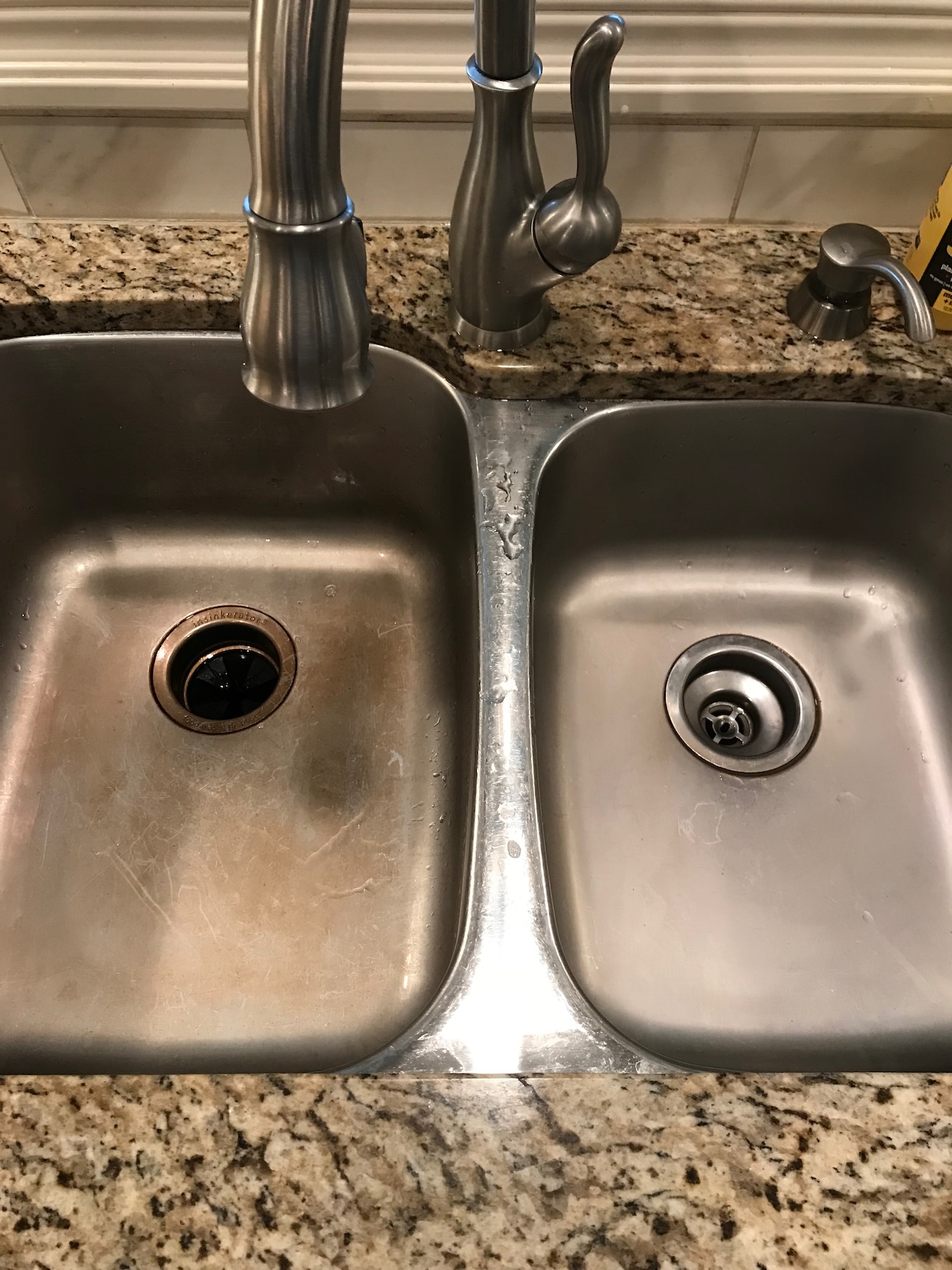
Choose olive oil or baby oil for a natural shine. Put a few drops on a soft cloth. Rub the oil gently over the sink’s surface. This helps hide water spots and light scratches. The oils make the sink look smooth and glossy. Avoid using too much oil to prevent a greasy feel.
Buffing Tips
Use a clean, dry cloth to buff the sink after oil application. Move the cloth in small, circular motions. This spreads the oil evenly and brings out the shine. Buff until the sink feels dry and looks bright. Use microfiber cloths for the best results. They do not scratch and work well for polishing.
Maintaining The Shine
Keep the shine by wiping the sink after each use. Use a soft cloth to remove water and soap spots. Avoid harsh cleaners that dull the surface. Polish the sink every few weeks with oil. Regular care keeps your sink shiny and new. A little effort makes your kitchen look great.
Credit: lifelovelarson.com
Preventing Damage To Your Sink
Keeping your stainless steel sink looking new takes care and attention. Avoiding damage helps keep its shine and strength. Small habits can protect your sink for years. Follow these easy tips to prevent scratches and stains. Protecting your sink means less work and a nicer kitchen.
Avoiding Harsh Chemicals
Harsh chemicals can ruin the sink’s surface. Bleach, ammonia, and strong cleaners cause dull spots. Use gentle cleaners made for stainless steel instead. Mild soap and warm water work well. Avoid products with chlorine or acid. These chemicals eat away the metal finish. Protect your sink by choosing safe cleaning options.
Handling Scratches
Scratches make your sink look old and worn. Use a soft cloth or sponge to clean only. Avoid steel wool or abrasive pads. For small scratches, try a stainless steel cleaner. Rub gently along the grain of the metal. Deep scratches may need professional help. Prevent scratches by not dropping heavy items in the sink.
Regular Maintenance Tips
Clean your sink regularly to keep it bright. Wipe it dry after every use. Standing water causes spots and stains. Use a soft cloth for drying. Polish the sink once a week with a stainless steel cleaner. Avoid leaving food or metal cans in the sink overnight. Regular care keeps your sink safe from damage.

Credit: www.homedit.com
Frequently Asked Questions
How Often Should I Clean A Stainless Steel Sink?
Clean your stainless steel sink daily to prevent stains and buildup. Weekly deep cleaning keeps it shiny and germ-free. Regular maintenance preserves its appearance and extends its lifespan.
What Household Items Clean Stainless Steel Sinks Effectively?
Use baking soda, vinegar, and mild dish soap for cleaning. These items remove stains and kill bacteria safely. Avoid abrasive cleaners that can scratch the sink’s surface.
Can I Use Bleach To Clean My Stainless Steel Sink?
Avoid bleach as it can damage stainless steel and cause discoloration. Instead, use gentle, non-abrasive cleaners to maintain the sink’s finish. Bleach may also corrode metal over time.
How Do I Remove Water Spots From Stainless Steel Sinks?
Wipe the sink with a soft cloth and vinegar to dissolve spots. Dry thoroughly with a microfiber cloth to prevent new watermarks. Regular drying keeps the sink spotless and shiny.
Conclusion
Cleaning your stainless steel sink keeps it shiny and fresh. Use mild cleaners and soft cloths to avoid scratches. Regular care stops stains and water spots from building up. Rinse and dry the sink after each use for best results.
A clean sink makes your kitchen look neat and inviting. Simple steps can save you time and effort later. Keep your sink looking great with easy, regular cleaning. Try these tips and enjoy a spotless, bright sink every day.