
Choosing the perfect kitchen sink can feel overwhelming. You want something that looks great, fits your space, and stands up to daily use.
But with so many styles, materials, and sizes, how do you know what’s right for you? This guide will help you make smart choices that match your needs and style. By the end, you’ll feel confident picking a sink that makes your kitchen work better and look stunning.
Keep reading, because your ideal kitchen sink is closer than you think.

Credit: kohlercampaign.com
Contents
Types Of Kitchen Sinks
Choosing the right kitchen sink affects both style and function. Kitchen sinks come in different types. Each type has unique features and benefits. Knowing these types helps pick a sink that fits your kitchen needs and space.
Top-mount Vs Undermount
Top-mount sinks sit on top of the countertop. They are easier to install and replace. The rim is visible, making cleaning around it simple. Undermount sinks are installed below the countertop. They create a smooth, seamless look. Cleaning is easier since crumbs can be wiped straight in.
Single Vs Double Basin
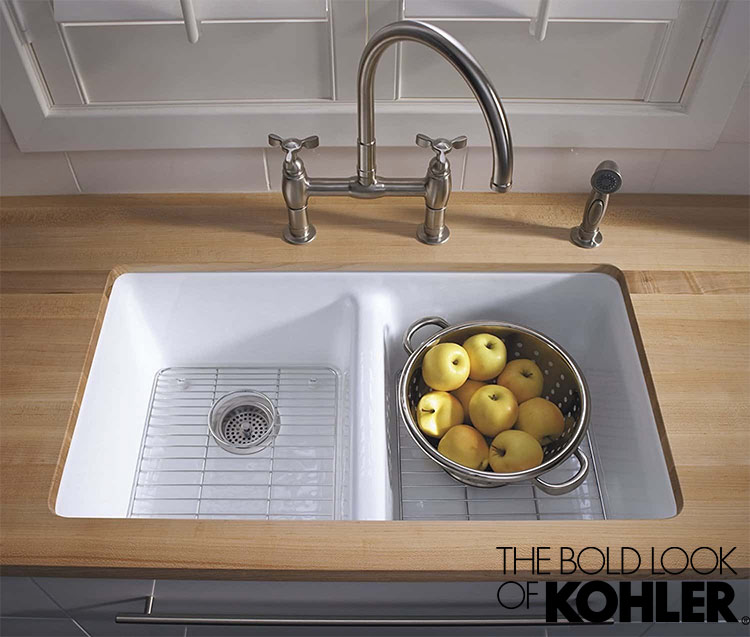
Single basin sinks have one large bowl. They are great for washing large pots and pans. Double basin sinks have two separate bowls. This design allows multitasking, like washing dishes on one side and rinsing on the other. Choose based on kitchen tasks and space.
Material Options
Sinks come in various materials. Stainless steel is common and durable. It resists stains and heat well. Porcelain or ceramic sinks offer a classic look. They are easy to clean but can chip. Granite composite sinks are strong and scratch-resistant. Consider material durability and style.
Measuring For The Right Fit
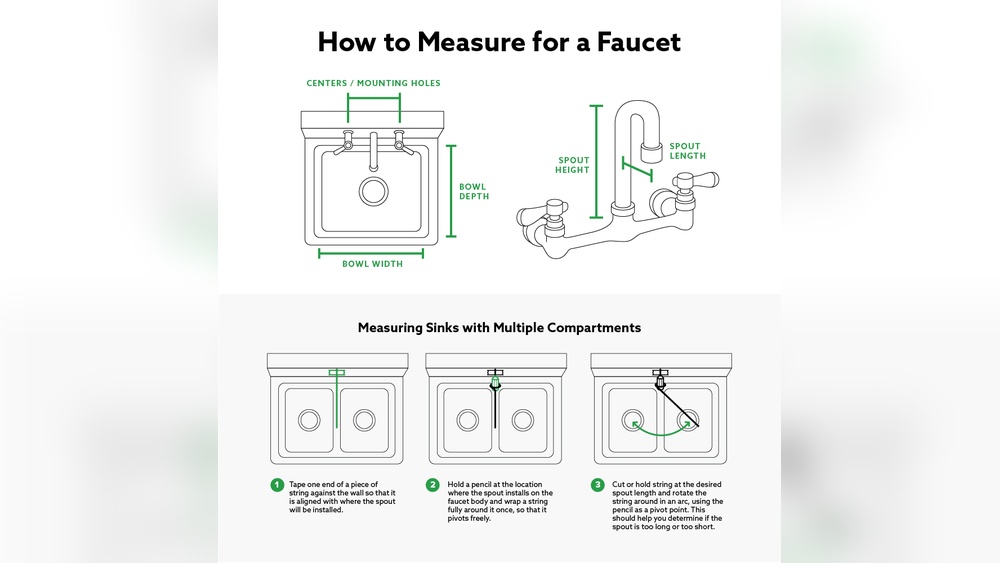
Choosing the right kitchen sink starts with accurate measurements. A sink that fits well makes your kitchen look neat and works better. Measuring ensures your new sink matches your space perfectly. You avoid costly mistakes and extra work. Follow these steps to measure your kitchen for the ideal sink.
Assessing Countertop Space
Start by measuring the available countertop area. Use a tape measure to find the length and width. Note any corners or edges that could limit the sink size. Leave room for faucet installation and accessories. Make sure the sink won’t crowd your workspace or other appliances.
Considering Cabinet Size
Check the cabinet under the countertop next. Measure its width, depth, and height inside. The sink’s base must fit inside this cabinet. Remember, plumbing pipes need space too. Choose a sink size that leaves room for pipes and cleaning access.
Depth And Basin Dimensions
Next, think about the basin depth. Deeper basins hold more dishes but may need extra cabinet height. Measure how deep the cabinet is to avoid problems. Also, check the basin length and width. These affect how much space you have to wash and rinse.
Material Pros And Cons
Choosing the right kitchen sink material affects its look, durability, and care. Each material has strengths and weaknesses. Knowing these helps pick a sink that fits your kitchen style and daily needs.
Stainless Steel
Stainless steel sinks are common and affordable. They resist rust and stains well. They handle heat and impacts without damage. Noise can be an issue, but soundproofing pads reduce it. They fit modern and traditional kitchens easily. Scratches may show, but these do not affect function.
Cast Iron
Cast iron sinks have a strong, glossy finish. They resist chips and scratches well. Heavyweight means a sturdy feel and easy cleaning. They keep water warm longer than metal sinks. Their weight needs strong cabinet support. Colors and styles vary widely for design options.
Composite Granite
Composite granite sinks mix stone and resin. They look natural and elegant. These sinks resist scratches, stains, and heat. They feel solid and quiet under running water. Cleaning is simple with mild soap. Colors usually stay vibrant and do not fade.
Fireclay And Porcelain
Fireclay and porcelain sinks have a smooth, shiny surface. They resist heat and stains well. These sinks are less prone to scratches. They can chip if hit hard. They offer a classic, timeless kitchen look. Cleaning requires gentle products to keep the shine.
Credit: capitolkitchensandbaths.com
Style And Design Choices
Choosing the right kitchen sink involves more than just size and function. Style and design play a big role in how your kitchen looks and feels. The sink should fit well with your kitchen’s overall design. It adds to the room’s beauty and harmony. Consider different styles, colors, and edges to find the perfect match.
Matching Kitchen Aesthetics
The sink should blend with your kitchen style. For modern kitchens, sleek stainless steel sinks work well. Rustic kitchens often suit farmhouse or apron-front sinks. Traditional kitchens may benefit from classic porcelain or cast-iron sinks. Think about the cabinet style and countertop material. The sink should complement these elements for a balanced look.
Color And Finish Options
Kitchen sinks come in many colors and finishes. Stainless steel is popular for its clean look and durability. Matte black or white sinks add a bold touch. Colored sinks like blue or green create a unique style. Finish choices like glossy or matte affect the sink’s appearance and feel. Pick a color and finish that fits your kitchen’s mood.
Edge And Rim Styles
Edges and rims change the sink’s look and installation. An undermount sink has no visible rim, giving a smooth countertop. Drop-in sinks have a rim that rests on the counter, adding a classic touch. Flat rim sinks create a modern, clean edge. Rounded edges offer a softer look, while square edges appear sharp and precise. Choose the rim style that fits your kitchen design and cleaning preference.
Functionality Features
Choosing the right kitchen sink means thinking about how it works every day. Functional features make a big difference in your kitchen tasks. They affect your comfort and efficiency while washing dishes or preparing food.
Focus on features that reduce noise, proper drain placement, and useful extras. These details improve your kitchen experience and make chores easier.
Soundproofing And Noise Reduction
Loud sinks can be annoying during busy kitchen times. Soundproofing helps keep noise low. Look for sinks with thick walls or special pads. These materials absorb sound and reduce water noise. A quiet sink makes your kitchen calm and pleasant.
Drain Placement
The position of the drain affects sink use and cabinet space. A center drain is traditional and works well for many tasks. Offset drains give more room for large pots and pans. They also allow extra storage under the sink. Choose a drain placement that fits your kitchen layout.
Accessories And Extras
Extras add convenience and improve sink use. Consider built-in cutting boards, drying racks, or colanders. These tools help with food prep and cleaning. Some sinks come with soap dispensers or spray faucets. Pick accessories that match your cooking style and needs.
Budget Considerations
Choosing a kitchen sink involves thinking about your budget. The price depends on the material, size, and brand. Planning your budget helps you avoid surprises later. It also guides you to the right sink for your kitchen and wallet.
Balancing Cost And Quality
Cheap sinks may look good but might break soon. Expensive sinks last longer but cost more upfront. Find a sink that fits your budget and offers good quality. Think about how often you cook and clean. Pick a sink that can handle your daily use.
Installation Expenses
Installation costs add to the sink price. Some sinks need simple fitting, others need plumbing changes. Complex sinks can raise installation bills. Ask a plumber for an estimate before buying. Plan your budget to include these extra expenses.
Maintenance Costs
Some sinks need more care than others. Stainless steel sinks are easy to clean and last long. Porcelain sinks may chip and need repair. Consider how much time and money you spend on upkeep. Choose a sink that fits your lifestyle and budget.
Installation Tips
Installing a kitchen sink needs care and the right steps. A good installation stops leaks and fits the sink perfectly in your kitchen. Understanding the basics helps you decide how to install your sink properly. Follow these tips to get started.
Diy Vs Professional Installation
Installing a kitchen sink yourself can save money. You need basic tools and some skills. Small mistakes may cause water leaks or damage. Professionals bring experience and tools. They can finish the job faster and with fewer problems. Think about your skills before deciding.
Plumbing Adjustments
New sinks may need plumbing changes. Pipes and drains must match the sink size and shape. Check water supply lines and drainage for fit. Sometimes, pipes need to be moved or replaced. Proper plumbing avoids leaks and ensures smooth water flow.
Ensuring Proper Sealing
Sealing the sink is key to stopping water damage. Use good-quality sealant or plumber’s putty around edges. Press the sink firmly in place to seal gaps. Wipe off extra sealant quickly. Check the seal after installation and redo if needed.

Credit: www.youtube.com
Frequently Asked Questions
What Factors Should I Consider When Choosing A Kitchen Sink?
Consider size, material, style, installation type, and durability. Also, think about your kitchen layout and daily usage needs for the best fit.
Which Kitchen Sink Material Is The Most Durable?
Stainless steel is highly durable, resistant to stains and heat. Composite granite also offers excellent durability and scratch resistance for busy kitchens.
How Do I Choose The Right Sink Size For My Kitchen?
Measure your countertop space and cabinet size. Choose a sink that fits well without crowding, allowing enough room for food prep and washing.
What Installation Types Are Available For Kitchen Sinks?
Popular types include top-mount, undermount, and farmhouse. Each offers different aesthetics and ease of cleaning, depending on your kitchen design.
Conclusion
Choosing the right kitchen sink makes daily tasks easier. Think about size, material, and style that fit your space. Durability matters for long-term use. Match the sink to your kitchen design and needs. Simple care keeps it looking good longer.
A good sink adds value and comfort to your home. Take your time and pick what feels right. Your kitchen deserves a sink that works well every day.