
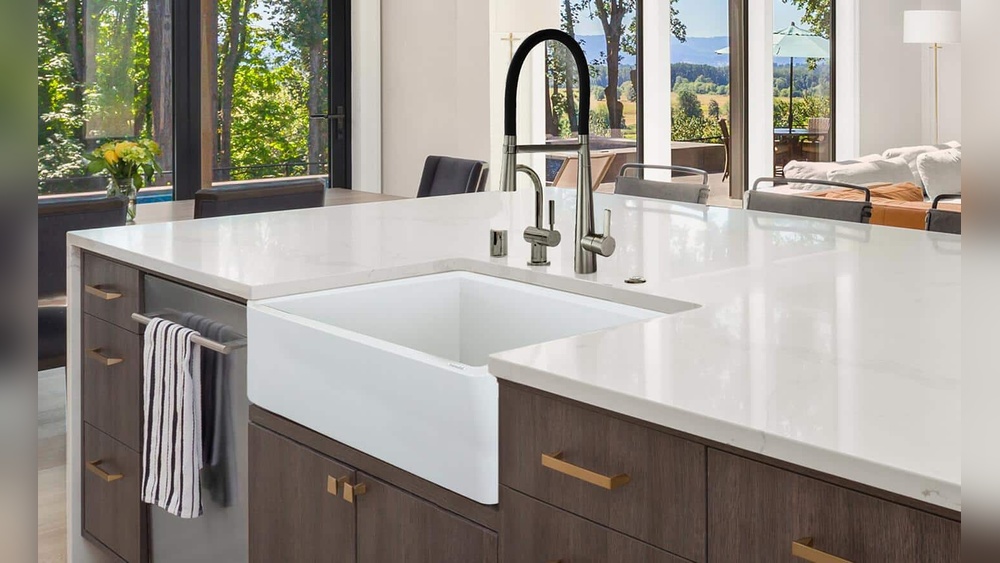
Choosing the right kitchen sink shape can change the way you cook, clean, and even enjoy your kitchen space. But with so many options out there, how do you know which one fits your needs best?
Whether you’re washing big pots, prepping meals, or just want a sink that looks great, the shape you pick matters more than you think. Keep reading, and you’ll discover which kitchen sink shape matches your lifestyle perfectly—making your daily kitchen tasks easier and more enjoyable.
Contents
Common Kitchen Sink Shapes
Choosing the right kitchen sink shape helps improve your kitchen’s look and function. Sinks come in many shapes. Each shape fits different kitchen styles and needs. Understanding common sink shapes makes it easier to pick the best one for your space.
Square Sinks
Square sinks have equal sides and sharp corners. They offer a modern and clean look. These sinks give more space for washing large pots and pans. Their straight edges fit well in compact kitchens. Square sinks are easy to install and maintain.
Rectangular Sinks
Rectangular sinks are longer than they are wide. They provide extra room for cleaning dishes and food prep. These sinks fit well in most kitchen designs. Rectangular shapes offer a classic and practical style. Many people prefer this shape for its balance of size and utility.
Round Sinks
Round sinks have smooth, curved edges. They create a soft and simple look. These sinks work well in small kitchens or bars. Round shapes are easy to clean due to the lack of corners. They add a unique touch to kitchen decor.
Oval Sinks
Oval sinks blend round and rectangular shapes. They have curved sides and longer length. Oval sinks offer a stylish and elegant appearance. They provide good space for washing without sharp corners. These sinks fit well in many kitchen styles.

Credit: www.fontanashowers.com
Benefits Of Each Shape
Choosing the right kitchen sink shape affects daily use and kitchen style. Each shape offers unique benefits. Understanding these helps in picking the best fit for your space and needs.
Space Efficiency
Square and rectangular sinks use space well. They fit tight corners and straight edges. Round sinks take less room but offer less basin space. Oval sinks balance space and shape. Choosing a sink that fits your kitchen layout saves room and improves comfort.
Ease Of Cleaning
Round and oval sinks have no sharp corners. Dirt and grime do not build up easily. Square sinks with sharp corners need more cleaning effort. Smooth curves allow quick wiping and less hassle. A sink shape that cleans easily keeps your kitchen fresh.
Aesthetics
Round sinks bring soft, classic looks to kitchens. Oval shapes add a modern touch. Square and rectangular sinks offer a clean, sharp style. Match your sink shape to your kitchen design for a pleasing look. The right shape enhances the room’s overall feel.
Functionality
Rectangular sinks offer more basin space for washing large pots. Round sinks work well for smaller kitchens and light tasks. Oval sinks provide a good balance for multitasking. Choose a shape that fits your cooking and cleaning habits for better use.
Matching Sink Shape To Kitchen Style
Choosing the right kitchen sink shape helps complete the kitchen’s look. The sink must match the kitchen’s style to feel right. Each kitchen style has sink shapes that fit best. This makes the kitchen both stylish and practical. Pick a sink shape that blends with the kitchen’s design and enhances its charm.
Modern Kitchens
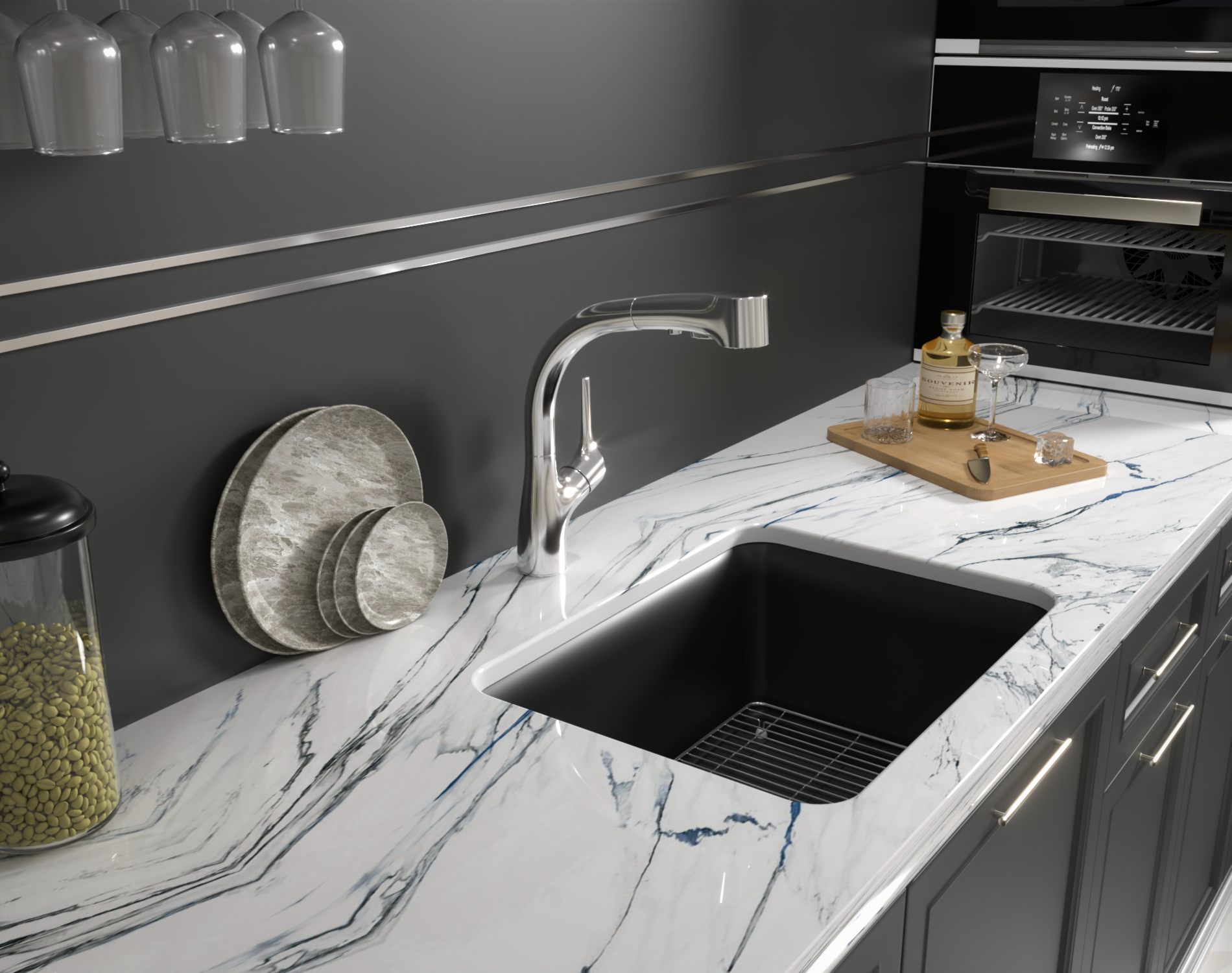
Modern kitchens suit sinks with clean, straight lines. Rectangular or square shapes work well here. These shapes look sleek and simple. Stainless steel or matte finishes fit modern designs. Undermount sinks keep counters smooth and easy to clean. They add to the modern, streamlined feel.
Traditional Kitchens
Traditional kitchens call for softer, rounded sink shapes. Oval or farmhouse sinks match this style perfectly. These shapes feel warm and inviting. Porcelain or fireclay materials suit traditional kitchens well. Apron-front sinks add a classic touch. They bring charm and old-world style.
Rustic And Farmhouse Styles
Rustic kitchens pair well with large, deep farmhouse sinks. These sinks offer a cozy, country look. Materials like copper or stone blend nicely here. Rounded corners and apron fronts add character. The sink should look sturdy and natural. It fits the rustic, homey atmosphere.
Minimalist Designs
Minimalist kitchens need simple, unobtrusive sink shapes. Square or rectangular undermount sinks fit best. The sink should blend into the countertop. Choose sinks with little or no visible edges. White or neutral colors work well. This keeps the kitchen clean and calm.
Credit: www.homedepot.com
Choosing Sink Shape Based On Usage
Choosing the right kitchen sink shape depends mainly on how you use your sink daily. Different shapes fit different needs and kitchen styles. Knowing your usual tasks helps pick the best shape for comfort and efficiency.
Single Vs Double Bowl
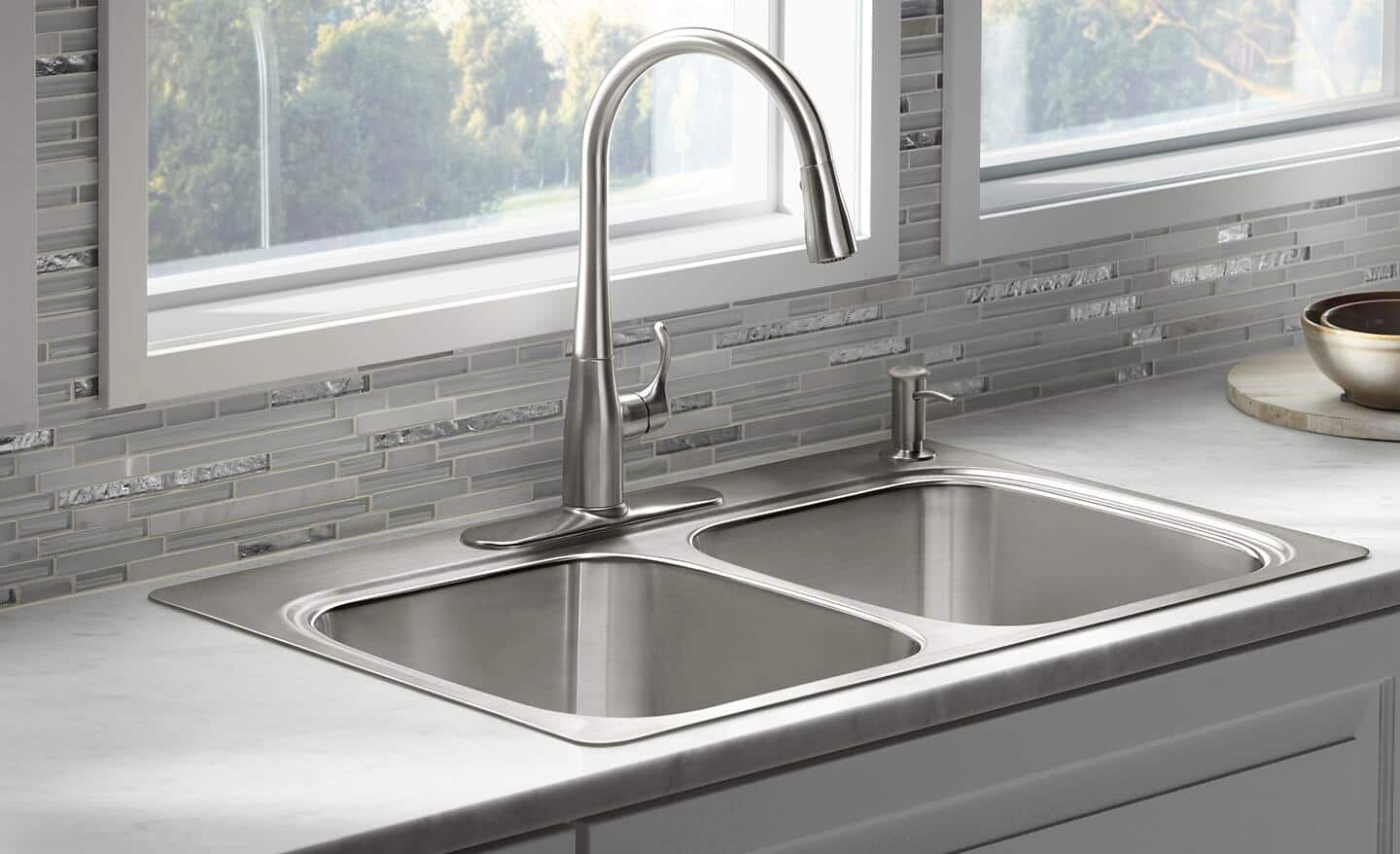
A single bowl sink offers one large space. It suits big pots and pans easily. Great for washing large items without space limits. Double bowl sinks split the area into two parts. One side can hold dirty dishes. The other can be used for rinsing or food prep. This split helps keep tasks separate and organized.
Deep Vs Shallow Basins
Deep basins hold more water and large dishes. They reduce splashing and keep counters dry. Perfect for families or heavy cooking. Shallow basins fill and drain quickly. They are easier to reach inside but fit fewer items. Ideal for small kitchens or light use.
Multi-purpose Usage
Some sinks combine different shapes for versatile use. For example, a double bowl with one deep and one shallow side. This setup supports washing, rinsing, and prepping at once. Consider your kitchen routine before choosing. Think about tasks like washing vegetables, soaking pans, or cleaning fish. Matching sink shape with tasks saves time and effort.
Materials And Their Impact On Shape Choice
Choosing the right kitchen sink shape depends a lot on the material it is made from. Different materials offer different strengths and styles. This affects how the sink looks and works in your kitchen. Some materials are better for certain shapes because of their weight, durability, or finish.
Understanding these materials helps you pick a sink that fits your kitchen’s design and your daily needs. Let’s explore how each common sink material influences the shape you can choose.
Stainless Steel
Stainless steel sinks are light and strong. They come in many shapes, including rectangular and round. Thin steel works best for simple shapes like single bowls. Thicker steel can hold more complex designs. This material resists stains and rust well. It suits modern and minimalist kitchens. Stainless steel sinks can fit tight spaces easily.
Cast Iron
Cast iron sinks are heavy and very durable. They usually have a smooth, glossy finish. This material is best for classic shapes like farmhouse or apron-front sinks. Cast iron holds its shape well but is hard to install. It resists scratches and heat. The weight limits very large or unusual shapes. It fits traditional kitchen styles nicely.
Composite Granite
Composite granite sinks mix stone and resin. They are strong and scratch-resistant. This material allows for many shapes, from square to oval. Composite granite can mimic natural stone look. It handles heavy use without damage. The sinks are quite heavy but less than cast iron. They suit both modern and rustic kitchens well.
Fireclay
Fireclay sinks are made from clay and glaze. They have a smooth, shiny surface. Fireclay works best for simple shapes like rectangular or single bowl. It is very strong but can chip if hit hard. This material fits farmhouse and vintage kitchen styles. Fireclay sinks keep their shape well over time.
Installation Considerations
Choosing the right kitchen sink shape involves more than style. Installation plays a key role. It affects the sink’s look and function. Knowing installation details helps pick the best sink for your kitchen.
Top-mount Vs Undermount
Top-mount sinks sit above the countertop. They are easier to install and replace. The sink’s rim is visible, creating a border around the bowl.
Undermount sinks attach below the countertop surface. This style offers a clean, seamless look. It allows easy countertop cleaning by wiping debris directly into the sink.
Top-mount sinks work well with most countertops. Undermount sinks need solid, thick countertops like granite or quartz for support.
Countertop Compatibility
Sink shape must match the countertop material and design. Heavy sinks require sturdy countertops to hold their weight. Thin or fragile materials may crack under pressure.
Some shapes fit better with certain countertop edges. Rounded sinks suit curved edges. Square or rectangular sinks fit sharp, straight edges.
Measure your countertop cutout before buying a sink. Proper fit avoids leaks and damage during installation.
Plumbing Adjustments
Sink shape affects plumbing setup under the counter. Deeper or larger sinks may need longer drain pipes. Multiple bowls require extra plumbing connections.
Changing sink shape can mean moving water supply lines or drains. This adds cost and time to installation.
Check plumbing space below the sink. Make sure there is room for pipes and garbage disposal if needed.
Maintenance Tips For Different Sink Shapes
Different kitchen sink shapes need different care. Proper maintenance keeps sinks looking new and working well. Each shape has unique spots that need attention. Following simple tips helps avoid stains and scratches. It also extends the sink’s life. Clean sinks make your kitchen more pleasant and healthy.
Preventing Stains And Scratches
Round sinks have fewer corners, so dirt collects less. Use soft cloths to wipe them daily. Square and rectangular sinks have sharp edges. Clean these edges carefully to avoid buildup. Avoid harsh scrubbing tools on all sink shapes. Use gentle sponges or cloths to stop scratches. Rinse sinks after each use to prevent stains. Dry sinks with a soft towel to avoid water marks.
Cleaning Techniques
For round sinks, mild soap and warm water work well. Use a soft brush to reach any curved areas. Square sinks need extra care in corners. Clean corners with a small brush or old toothbrush. Avoid bleach on all sink types; it can damage surfaces. Use baking soda paste for tough stains. Rinse thoroughly after cleaning to remove residue. Dry the sink to keep it shiny and fresh.
Longevity And Durability
Regular care helps every sink shape last longer. Round sinks avoid dirt traps, reducing wear and tear. Square sinks need frequent corner checks to stop damage. Avoid dropping heavy items in any sink shape. Use sink grids or mats to protect surfaces. Fix small chips or scratches quickly to stop bigger problems. Proper maintenance keeps your sink strong and beautiful for years.
Credit: kohlercampaign.com
Frequently Asked Questions
What Kitchen Sink Shape Is Most Popular?
The most popular kitchen sink shape is the rectangular one. It offers ample space and fits well with various kitchen styles. Rectangular sinks are versatile, easy to clean, and accommodate large pots and pans efficiently.
Which Sink Shape Saves The Most Counter Space?
A round or oval kitchen sink saves the most counter space. Their compact design fits smaller kitchens and tight countertops. These shapes allow better workflow without sacrificing sink functionality.
Are Farmhouse Sinks Better In Shape Or Size?
Farmhouse sinks are better for size, offering deep basins. Their rectangular shape allows large pots and pans to fit comfortably. They add a rustic charm while providing practical benefits for heavy kitchen use.
How Does Sink Shape Affect Kitchen Workflow?
Sink shape affects workflow by influencing ease of use and cleaning. Rectangular sinks offer more workspace, while round sinks are compact and efficient. Choosing the right shape improves kitchen efficiency and task management.
Conclusion
Choosing the right kitchen sink shape depends on your needs and space. Square sinks offer a modern look and more space. Round sinks fit well in small kitchens and look soft. Rectangular sinks balance style and function nicely. Think about how you use your sink daily.
A good sink makes cooking and cleaning easier. Pick a shape that fits your kitchen style and lifestyle. This way, your kitchen will be both useful and nice to see.