
Your kitchen sink drain is one of the busiest spots in your home, but it’s also one of the easiest places for grime, food particles, and odors to build up. If you’ve noticed slow drainage or a funky smell coming from your sink, it’s time to take action.
Deep cleaning your kitchen sink drain isn’t just about keeping things fresh—it can prevent clogs and keep your kitchen running smoothly. You’ll discover simple, effective steps to get your drain sparkling clean and odor-free. Ready to transform your kitchen sink?
Let’s dive in!
Contents
Tools And Materials Needed
Deep cleaning your kitchen sink drain requires some basic tools and materials. Having the right supplies makes the task easier and more effective. Use items that are easy to find in stores or at home. Prepare everything before you start to avoid interruptions.
Essential Cleaning Supplies
- Baking soda – a natural cleaner that removes odors.
- White vinegar – helps dissolve grime and kills bacteria.
- Boiling water – flushes away loosened dirt and debris.
- Old toothbrush – scrubs hard-to-reach areas inside the drain.
- Plunger – clears minor clogs by creating pressure.
- Pipe brush or flexible drain brush – cleans deep inside pipes.
- Rubber gloves – protect your hands from dirt and chemicals.
- Bucket – to catch water or debris when cleaning.
Safety Gear To Wear
- Rubber gloves – keep your hands safe and dry.
- Safety goggles – protect your eyes from splashes.
- Face mask – prevents inhaling strong cleaning fumes.
- Old clothes or apron – avoid ruining your clothing.

Credit: www.oxo.com
Preparing The Sink Area
Preparing the sink area is the first step to deep-cleaning your kitchen sink drain. A clean and clear space helps you work better and faster. It also stops dirt from spreading around.
This section guides you through clearing the sink and removing debris from the drain. Follow these simple steps to make the cleaning process smooth and effective.
Clearing The Sink
Remove all dishes, utensils, and items from the sink. Wipe the sink surface with a damp cloth to clear crumbs and stains. This creates a clean workspace to focus on the drain.
Empty the sink completely. A clear sink stops water from pooling and helps you see the drain better. Use a small brush to clean around the sink edges if needed.
Removing Debris From The Drain
Look inside the drain for visible debris. Use a pair of gloves to pull out hair, food scraps, or other blockages. Dispose of these wastes in the trash, not the drain.
If the drain has a stopper or strainer, remove it carefully. Clean it with soap and warm water. This prevents old food particles from causing bad odors or clogs.
Step-by-step Cleaning Process
Deep cleaning your kitchen sink drain is easier than you think. This step-by-step process breaks down each action clearly. Follow these simple steps for a fresh, clean drain that works better and smells great.
Applying Baking Soda And Vinegar
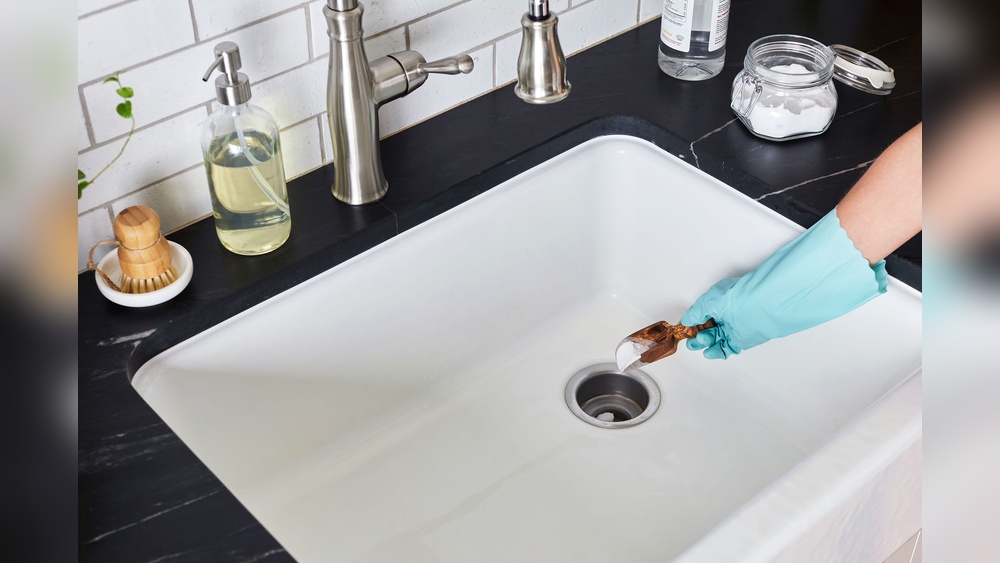
Start by pouring half a cup of baking soda directly into the drain. Baking soda helps break down grime and neutralize odors. Next, pour half a cup of white vinegar into the drain. The vinegar reacts with the baking soda to create a fizzy cleaning action. Let this mixture sit for 15 minutes. This pause allows the ingredients to work deep inside the pipes.
Scrubbing The Drain
After waiting, use a long-handled brush or an old toothbrush. Scrub the inside of the drain carefully. Focus on the visible parts where dirt collects. This step removes stubborn buildup that the baking soda and vinegar loosened. Be gentle to avoid damaging the drain surface. Cleaning this area improves water flow and reduces bad smells.
Flushing With Hot Water
Finally, boil a kettle or heat water until very hot. Slowly pour the hot water down the drain. The heat helps wash away any remaining residue. Hot water also kills bacteria and keeps pipes clear. Repeat this step twice for best results. Your kitchen sink drain will feel cleaner and smell fresher.
Tackling Tough Clogs
Tough clogs in the kitchen sink drain can stop water from flowing. These blockages often cause bad smells and slow drainage. Clearing them fast keeps your kitchen clean and working well. Use simple tools at home to fix these clogs without calling a plumber.
Using A Plunger
A plunger can push and pull clogs loose. First, fill the sink with some water. Place the plunger over the drain. Push down and pull up quickly several times. This creates pressure that moves the clog. After a few tries, lift the plunger to see if water drains. Repeat if needed.
Employing A Drain Snake
A drain snake is a long, flexible tool that reaches deep clogs. Insert the snake into the drain slowly. Turn the handle to help it move through the pipe. When you feel resistance, twist to break up the clog. Pull the snake out carefully to remove debris. Run water to check if the drain is clear.
Natural Remedies For Odors
Kitchen sink drains often hold bad smells. These odors come from trapped food and grease. Natural remedies can clean and freshen the drain safely. They avoid harsh chemicals and work well. Using simple kitchen items can solve odor problems quickly.
Lemon And Salt Treatment
Lemon and salt make a great combo to fight odors. Cut a lemon in half and sprinkle salt on it. Rub the lemon over the drain area. The salt scrubs away grime while lemon kills germs. Lemon’s fresh scent replaces bad smells. Let it sit for 10 minutes, then rinse with hot water. This method cleans and freshens at once.
Essential Oils For Freshness
Essential oils add a strong, pleasant aroma to drains. Choose oils like tea tree, eucalyptus, or peppermint. Mix 10 drops of oil with a cup of baking soda. Pour the mixture into the drain. Wait 15 minutes to let oils work. Flush the drain with hot water. This removes odors and leaves a fresh scent behind. Oils also help prevent future bad smells.
Preventing Future Build-up
Keeping your kitchen sink drain clean is important for a fresh and healthy kitchen. Preventing build-up stops clogs and bad smells. Small daily habits help keep the drain clear. A clean drain saves time and avoids costly repairs.
Regular Cleaning Schedule
Set a regular time to clean your sink drain. Cleaning once a week helps stop dirt and grease build-up. Use simple ingredients like baking soda and vinegar. Pour baking soda down the drain, then add vinegar. Let it sit for 15 minutes. Rinse with hot water to clear the drain.
Wipe the sink and drain area daily. This removes food bits and stops them from going down the drain. Regular cleaning keeps your sink smelling fresh and working well.
Best Practices For Sink Use
Avoid pouring grease or oil down the drain. These substances harden and cause blockages. Use a strainer to catch food scraps. Throw scraps in the trash instead of the sink. Run hot water for a few seconds after each use. This helps move food and grease down the drain.
Do not flush coffee grounds or eggshells. They can stick and clog pipes. Keep your sink clean by following these simple habits every day.
When To Call A Professional
Knowing when to call a professional for a deep kitchen sink drain clean is important. Some problems need expert help to avoid damage or costly repairs. Simple clogging can often be fixed at home. But serious issues require a trained plumber’s tools and skills.
Signs Of Serious Drain Issues
Strong bad smells that do not go away. Water is backing up into the sink or nearby areas. Slow draining that worsens over days. Strange noises like gurgling or bubbling from the drain. Visible leaks or water pooling under the sink. These signs mean a deeper problem exists. Do not delay calling a professional in these cases.
Choosing The Right Expert
Look for a licensed plumber with good reviews. Make sure they have experience with kitchen drains. Ask about their cleaning methods and tools. A good expert explains the problem clearly. They also offer a fair price before starting work. Hiring the right professional saves time and money.
:max_bytes(150000):strip_icc()/how-to-clean-a-sink-stainer-GettyImages-126838006-44a1e3984db94fdda1e8e3e30ea9c012.jpg)
Credit: www.realsimple.com
Frequently Asked Questions
How Often Should I Deep Clean My Kitchen Sink Drain?
Deep clean your kitchen sink drain at least once a month. Regular cleaning prevents clogs, removes odor-causing buildup, and maintains proper drainage. This keeps your kitchen sanitary and your sink functioning smoothly.
What Household Items Effectively Clean Kitchen Sink Drains?
Baking soda, vinegar, and hot water effectively clean kitchen sink drains. Baking soda loosens debris, vinegar kills bacteria, and hot water flushes away residues. These natural ingredients safely remove buildup and odors without harsh chemicals.
Can I Use Bleach To Deep Clean Kitchen Sink Drains?
Bleach can clean kitchen sink drains but use it sparingly. It kills germs and whitens surfaces but may damage pipes if overused. Always dilute bleach with water and rinse thoroughly to protect plumbing and the environment.
What Causes Bad Odors In Kitchen Sink Drains?
Bad odors in kitchen sink drains come from trapped food particles, grease buildup, and bacterial growth. These residues decay and emit unpleasant smells. Regular deep cleaning removes these causes and keeps your sink smelling fresh.
Conclusion
A clean kitchen sink drain keeps your home fresh and hygienic. Regular deep cleaning stops clogs and bad smells. Use simple tools and natural cleaners for safe results. Small efforts prevent big problems later. Keep your sink drain clear to enjoy a healthier kitchen space.
Try these easy steps and see the difference today. Clean drains make daily chores easier and more pleasant.