
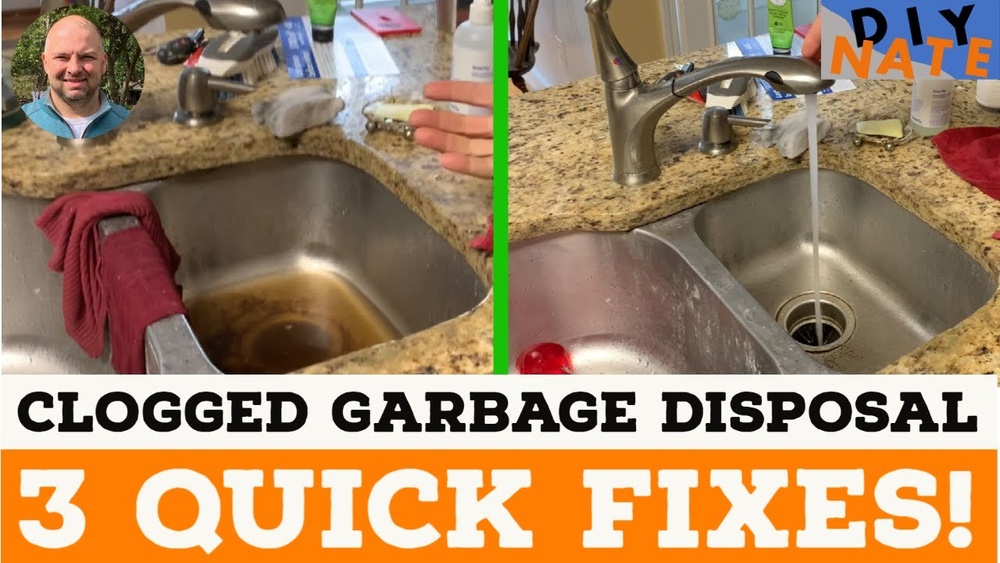
Is your kitchen sink clogged and slowing down your day? A blocked sink with a disposal can be frustrating, but you don’t have to call a plumber just yet.
You have the power to fix it yourself quickly and safely. You’ll discover simple, effective steps to unclog your kitchen sink with the disposal. Keep reading, and you’ll be back to a smoothly running kitchen in no time.
Contents
Common Causes Of Kitchen Sink Clogs
Kitchen sink clogs with the disposal can stop your kitchen work. Understanding what causes these clogs helps you fix them faster. Common causes include food waste, grease, foreign objects, and soap scum. These block the drain and slow water flow.
Food Waste Buildup
Food scraps can get stuck in the disposal. Over time, they pile up and block pipes. Fibrous foods like celery and potato peels cause clogs. Avoid putting large amounts of food waste down the sink.
Grease And Oil Accumulation
Grease and oil harden inside pipes. They create thick layers that trap debris. Hot water does not wash grease away. Pouring oil down the drain leads to slow drainage and clogs.
Foreign Objects In Disposal
Small objects like bones, utensils, or bottle caps fall into the disposal. These items jam the blades and block water flow. Be careful what goes into the disposal to prevent damage.
Soap Scum And Debris
Soap mixes with minerals in water to form scum. This sticky layer sticks to pipe walls. Dust and tiny food particles collect on soap scum. It narrows pipes and causes slow drainage.

Credit: www.wikihow.life
Safety Tips Before Starting
Before you start unclogging your kitchen sink with a disposal, safety must come first. Working with kitchen disposals can be risky. Taking simple safety steps can prevent accidents and injuries.
These tips will help you work safely and protect yourself throughout the process.
Turn Off Power To Disposal
Always switch off the power to the disposal unit. Unplug it or turn off the circuit breaker. This stops the disposal from turning on by accident. Even a small movement can cause injury if the disposal runs unexpectedly.
Wear Protective Gear
Wear gloves to protect your hands from sharp objects and dirty water. Safety glasses keep your eyes safe from splashes. Use old clothes to avoid stains and cuts. Protection reduces risks and keeps you safe.
Clear Surrounding Area
Remove dishes, utensils, and other items near the sink. A clean space helps you work freely and avoid knocking things over. It also keeps harmful objects out of the way while you fix the clog.
Basic Tools Needed
To unclog a kitchen sink with a disposal, gather the right tools first. These tools help you work safely and fix the problem faster. Having them ready avoids frustration and saves time. Below are the basic tools needed for this task.
Plunger
A plunger is essential for clearing minor clogs. It creates pressure to push blockages through the drain. Use a cup plunger, designed for sinks, not toilets. Make sure to cover the drain completely for the best results.
Allen Wrench
An Allen wrench fits into the disposal’s reset hole. It helps manually turn the blades if they get stuck. This tool is usually small and comes with the disposal. Use it to free any jam inside the unit.
Bucket And Towels
A bucket catches water when you disconnect pipes. Towels clean up spills and keep the area dry. These help avoid mess and water damage under the sink. Always have them ready before starting work.
Pipe Wrench
A pipe wrench loosens tight fittings on drain pipes. It provides grip and leverage to remove or adjust pipes. Use it carefully to avoid damaging the plumbing. This tool is key for clearing deep clogs or replacing parts.
Step-by-step Unclogging Methods
Unclogging a kitchen sink with a disposal can seem tricky. Follow these step-by-step methods to clear the blockage safely and quickly. Each step targets common causes of clogs. Try them one by one for the best results.
Using A Plunger Effectively
Start by covering the sink drain with a plunger cup. Fill the sink with enough water to cover the plunger edge. Push the plunger down firmly and pull up quickly. Repeat this motion 10 to 15 times. This creates pressure to loosen the clog. Avoid using too much force to protect the pipes.
Manual Removal Of Debris
Turn off the power before starting. Use tongs or gloves to reach inside the disposal. Remove any visible food scraps or objects blocking the blades. Avoid putting your hand directly into the disposal. Clearing debris manually often solves minor blockages fast.
Resetting The Disposal
Locate the reset button at the bottom of the disposal unit. Press the button firmly to reset the motor. This can fix jams caused by overload or overheating. Wait a few minutes before turning the disposal back on. Try running water and turning on the disposal again.
Clearing The Trap
Place a bucket under the sink trap to catch water. Use a wrench to loosen the slip nuts on the trap. Remove the trap carefully and clean out any debris inside. Reassemble the trap tightly to avoid leaks. This step clears blockages beyond the disposal unit.
Natural Remedies For Minor Clogs
Minor clogs in your kitchen sink with disposal can be fixed using natural remedies. These methods are safe, easy, and use common household items. They help clear small blockages without harsh chemicals. Try these simple steps before calling a plumber.
Baking Soda And Vinegar
Start by pouring half a cup of baking soda into the drain. Next, add half a cup of white vinegar. The mixture will bubble and fizz. Let it sit for 15 minutes. Then, flush the drain with hot water. This helps break down grease and food bits stuck inside.
Hot Water Flush
Boil a kettle of water. Slowly pour the hot water down the drain. The heat melts grease and softens debris blocking the pipes. Repeat this process two or three times. This method works best for minor clogs caused by oils and fats.
Salt And Boiling Water
Mix half a cup of salt with boiling water. Pour the salt into the drain first. Follow with the boiling water. Let it sit for 20 minutes. Salt helps scrub the pipes, while hot water clears the blockage. This is a simple way to keep your sink flowing smoothly.
When To Use Chemical Cleaners
Using chemical cleaners can help clear a clogged kitchen sink with a disposal. These cleaners break down grease, food, and other debris that block pipes. Knowing when to use these products is important to avoid damage and ensure safety.
Choosing Safe Cleaners
Select cleaners labeled safe for kitchen sinks and disposals. Avoid harsh chemicals that can harm pipes or the disposal unit. Look for biodegradable or enzyme-based options. These work gently but effectively to clear clogs.
Proper Application
Read the instructions carefully before use. Pour the recommended amount slowly into the drain. Let the cleaner sit for the suggested time to work well. Flush the sink with hot water afterward to clear residue.
Precautions And Risks
Wear gloves and avoid direct contact with cleaners. Keep the area well-ventilated to reduce fumes. Do not mix different chemical cleaners; this can cause dangerous reactions. Use chemicals only when other methods fail to clear the clog.
Preventive Measures To Avoid Future Clogs
Preventive measures keep your kitchen sink disposal working smoothly. Clogs happen when debris builds up over time. Stopping clogs early saves time and effort. Simple habits protect your sink and disposal. Follow easy steps to avoid future problems.
Proper Disposal Habits
Only put small food scraps into the disposal. Avoid fibrous foods like celery or corn husks. These can tangle and block the blades. Run cold water while using the disposal. Water helps move waste through pipes quickly. Do not overload the disposal at once. Feed scraps slowly to prevent jams.
Regular Maintenance Tips
Clean the disposal regularly with ice cubes and salt. Ice sharpens the blades, and salt removes buildup. Use lemon or orange peels to freshen the smell. Flush the disposal with hot water weekly. Hot water melts grease that can cause blockages. Check the disposal for leaks or unusual noises often.
Avoiding Harmful Substances
Never pour grease or oil down the sink. These substances harden and clog pipes. Avoid putting coffee grounds and eggshells in the disposal. They create thick layers that block drains. Keep large bones and starchy foods like pasta out. These can damage the disposal and cause backups.
When To Call A Professional
Knowing when to call a professional plumber is important for clogged kitchen sinks with a disposal. Some problems need expert help to avoid damage and save time. Recognizing these moments can prevent bigger issues and costly repairs.
Signs Of Serious Blockages
Water drains very slowly or not at all. Strange noises come from the disposal. Foul odors linger even after cleaning. Water backs up into the sink or dishwasher. These signs show a serious blockage. A professional can clear tough clogs safely.
Complex Plumbing Issues
Leaks appear under the sink or around pipes. Pipes are damaged or corroded. Problems affect multiple drains or fixtures. Plumbing systems with many parts need expert care. A plumber can diagnose and fix these complex issues correctly.
Disposal Replacement Needs
The disposal stops working completely. Frequent jams or breakdowns occur. The unit is old and inefficient. Replacing a disposal requires special tools and skills. Professionals ensure proper installation and prevent future problems.
Frequently Asked Questions
How Do I Safely Unclog A Kitchen Sink With a Disposal?
Turn off the power to the disposal. Use a plunger or disposal wrench to dislodge clogs. Avoid harsh chemicals that can damage pipes. Always reset the disposal after clearing the clog.
What Common Items Cause Disposal Clogs?
Fibrous vegetables, coffee grounds, grease, and large bones often clog disposals. Avoid putting these down the drain. Regularly run cold water while using the disposal to prevent buildup.
Can Baking Soda And Vinegar Unclog A Disposal?
Yes, baking soda and vinegar create a fizzing reaction that helps loosen minor clogs. Pour half a cup of baking soda, followed by half a cup of vinegar. Let it sit for 15 minutes, then flush with hot water.
When Should I Call A Professional Plumber?
Call a plumber if the sink remains clogged after DIY attempts. Also seek help if the disposal hums but won’t grind. Persistent odors or leaks are signs to get professional help.
Conclusion
Clogged kitchen sinks with disposals can cause big problems. Using simple tools and steps can fix most blockages quickly. Regular care helps keep your sink running smoothly. Avoid putting tough items down the disposal to prevent clogs. Stay patient and follow the steps carefully for best results.
Clean sinks make cooking and cleaning easier every day. Keep this guide handy for quick fixes when needed. A little effort saves time and money in the long run.