
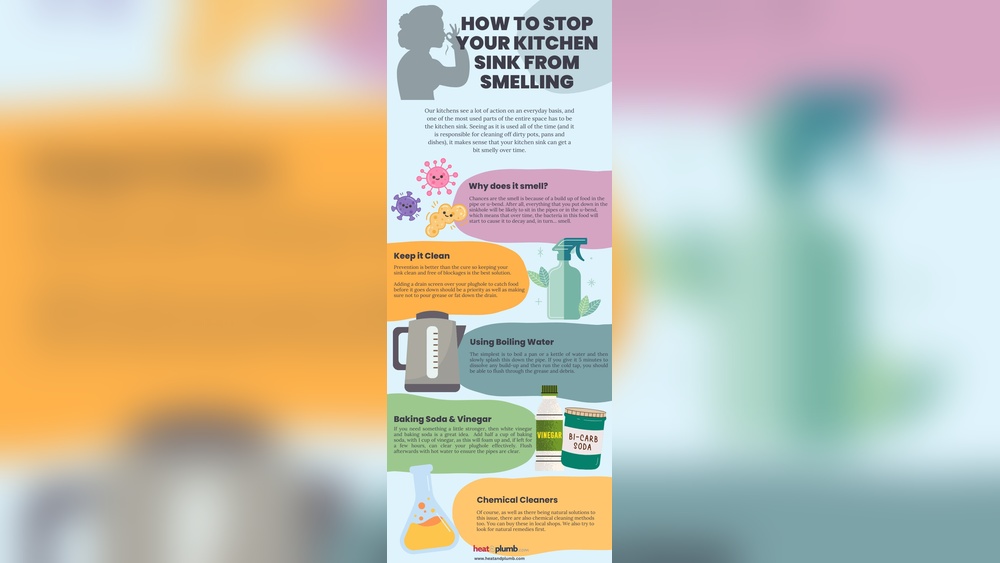
Is your kitchen sink giving off an unpleasant smell that just won’t go away? You’re not alone.
A stinky sink can make your entire kitchen feel less fresh and inviting. But here’s the good news—you can fix it quickly and easily. You’ll discover simple, effective ways to stop your kitchen sink from smelling bad. Keep reading, and you’ll learn how to enjoy a cleaner, fresher kitchen every day.
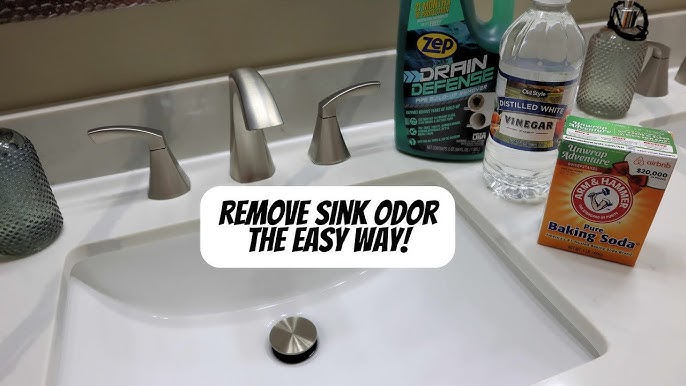
Credit: www.youtube.com
Contents
Common Causes Of Sink Odors
Kitchen sink odors often come from hidden problems. These smells can make your kitchen unpleasant. Understanding the common causes helps you fix the issue fast. Simple problems can cause bad smells.
Food Debris Buildup
Small food pieces get stuck in the sink drain. Over time, they start to rot and smell bad. Grease and oil also add to the buildup. Regular cleaning stops this from happening.
Clogged Drains
Drains can slow down or stop water flow. This happens when debris blocks the pipes. Stagnant water creates a bad odor. Clearing the clog helps the sink smell fresh again.
Bacterial Growth
Moist and dark places are perfect for bacteria. Bacteria feed on leftover food and grime. They produce foul smells that spread in the kitchen. Cleaning and disinfecting kill bacteria and stop the smell.
Dry P-trap Issues
The P-trap holds water to block sewer gases. If it dries out, gases escape into the kitchen. This causes a strong, unpleasant odor. Running water regularly keeps the P-trap full and odor-free.
Daily Habits To Prevent Smells
Preventing bad smells in the kitchen sink starts with daily habits. Small actions can keep your sink fresh and clean. These habits stop odors before they begin. Follow these simple steps every day for a smell-free kitchen sink.
Proper Sink Cleaning
Clean the sink daily with soap and warm water. Use a sponge or cloth to scrub all surfaces. Pay attention to the drain area where dirt builds up. Rinse well to remove soap and food bits. Dry the sink to stop bacteria growth and smells.
Regular Garbage Disposal Use
Run the garbage disposal often to prevent food buildup. Turn on cold water before and after use. This helps move waste through the pipes. Avoid letting scraps sit in the disposal for a long time. Regular use keeps the disposal clean and odor-free.
Avoiding Food Waste Down The Drain
Never pour large food scraps or grease down the drain. These cause clogs and bad smells. Use a trash bin for leftover food and grease. Wipe plates and pans before washing. Keeping food out of the drain reduces odor problems.
Simple Cleaning Solutions
Simple cleaning solutions can freshen your kitchen sink quickly. These methods use items found in most homes. They clean and remove bad smells without harsh chemicals.
Baking Soda And Vinegar Method
Sprinkle half a cup of baking soda down the drain. Pour one cup of white vinegar after it. Let it fizz and sit for 15 minutes. Flush with hot water to clear the drain. This removes dirt and neutralizes odors well.
Using Lemon And Salt
Cut a lemon in half and sprinkle salt on it. Rub the lemon on the sink and drain area. The salt scrubs away grime and the lemon adds a fresh scent. Rinse with warm water to finish. This method cleans and smells great.
Boiling Water Flush
Boil a kettle of water. Pour the boiling water slowly down the drain. This melts grease and clears small clogs. It also helps wash away food bits causing smells. Do this once a week for best results.

Credit: www.robinsplumbing.com
Deep Cleaning Techniques
Deep cleaning your kitchen sink can stop bad smells for good. Dirt and food bits hide in parts you can’t see. Cleaning these parts removes the source of the odor. Use simple tools and natural cleaners for best results. Follow the steps below to clean your sink deeply.
Cleaning The P-trap
The P-trap is the curved pipe under your sink. It holds water to block sewer gases. Over time, it can fill with gunk and cause smells. Place a bucket under the trap to catch water. Unscrew the slip nuts and remove the trap. Clean inside with a brush or cloth. Rinse well before putting it back.
Disinfecting The Drain Pipes
Drain pipes carry waste away from your sink. Bacteria and mold can grow inside them. Pour a mix of baking soda and vinegar down the drain. Let it sit for 15 minutes. Then, flush with hot water. This kills germs and clears minor clogs. Repeat monthly to keep pipes fresh.
Removing And Cleaning The Garbage Disposal
The garbage disposal often traps food scraps. These scraps rot and create bad smells. Turn off the power before cleaning. Remove any visible debris with tongs. Use a brush and dish soap to scrub inside. Run cold water and turn the disposal on briefly. Use ice cubes and lemon slices to freshen it.
Preventive Maintenance Tips
Preventive maintenance keeps your kitchen sink fresh and odor-free. It stops smells before they start. Simple habits and regular care make a big difference. These tips help you maintain a clean and pleasant kitchen environment.
Regular Drain Inspections
Check your drain often for blockages or buildup. Look for any trapped food or debris. Clean out the drain to avoid bad smells. Early inspection stops small problems from growing. Make it a habit to inspect weekly.
Using Enzyme Cleaners
Enzyme cleaners break down organic waste inside pipes. They remove food particles and grease naturally. Use these cleaners once a week for best results. They keep your drain clean without harsh chemicals. Safe for plumbing and the environment too.
Keeping The Sink Dry When Not In Use
Moisture encourages bacteria and mold growth. Wipe the sink dry after washing dishes. Leave the sink open to air dry if possible. Dry sinks smell better and stay cleaner longer. This simple step helps prevent unpleasant odors.
When To Call A Professional
Knowing when to call a professional plumber is important. Some kitchen sink problems need expert help. Trying to fix complex issues alone can cause more damage. A skilled plumber has the right tools and knowledge. They will solve the problem quickly and safely.
Persistent Odors Despite Cleaning
Bad smells that stay after cleaning need a plumber. Dirt and food bits deep inside pipes can cause odors. Professionals can find hidden buildup and clean it well. This stops the smell from coming back again.
Severe Clogs
Strong clogs that block water flow require expert care. Simple plungers might not clear tough blockages. Plumbers use special equipment to remove hard clogs safely. They prevent pipe damage and restore proper drainage.
Drainpipe Damage
Cracked or broken drainpipes cause leaks and odors. Detecting damage is tricky without tools and experience. Plumbers inspect pipes and fix or replace damaged parts. This keeps your kitchen sink working well and smelling fresh.

Credit: www.wikihow.com
Frequently Asked Questions
How Do I Eliminate Bad Odors From My Kitchen Sink?
Clean your sink regularly using baking soda and vinegar. Rinse with hot water to remove trapped food particles causing odors.
What Natural Remedies Stop Kitchen Sink Smells Fast?
Use lemon juice or baking soda to neutralize odors. These natural agents clean and deodorize without harsh chemicals.
Why Does My Kitchen Sink Smell Even After Cleaning?
Trapped food, grease, or mold in pipes can cause persistent smells. Clean the drain thoroughly and check the trap for buildup.
Can Clogged Drains Cause Kitchen Sink Odors?
Yes, clogged drains trap food debris and bacteria, leading to bad smells. Regular cleaning and unclogging prevent odor buildup.
Conclusion
A fresh-smelling kitchen sink makes cooking more pleasant. Clean the drain regularly to stop bad odors. Use natural cleaners like baking soda and vinegar. Avoid putting grease or food scraps down the drain. Keep the sink dry when not in use.
Small daily habits prevent smells from coming back. A clean sink means a happier kitchen for everyone. Try these simple steps and enjoy a fresh kitchen every day.