
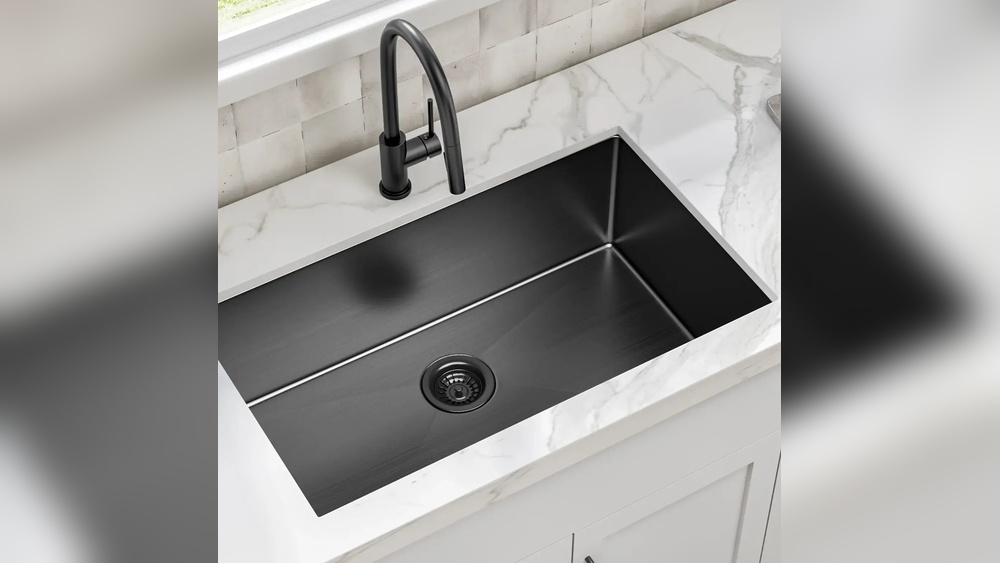
Choosing the best kitchen sink can change the way you cook, clean, and enjoy your kitchen. You want something that looks great, fits your space, and stands up to daily use.
But with so many options out there, how do you know which one is right for you? You’ll discover the key factors to consider, the pros and cons of popular materials, and expert tips to help you make the perfect choice.
Keep reading to find the kitchen sink that matches your style and meets your needs effortlessly.
Credit: www.ruvati.com
Contents
Types Of Kitchen Sinks
Choosing the right kitchen sink depends on material, style, and durability. Different sink types offer unique benefits and fit various kitchen designs. Understanding popular sink materials helps make a better choice. Below are some common types of kitchen sinks.
Stainless Steel Sinks
Stainless steel sinks are popular for their strength and shine. They resist rust and stains well. These sinks fit most kitchen styles and budgets. Easy to clean and maintain, they suit busy kitchens. Noise levels vary by thickness, so check before buying.
Porcelain Sinks
Porcelain sinks have a smooth, glossy finish. They offer a classic look and feel. These sinks resist stains but can chip if hit hard. Cleaning is simple with mild soap and water. Porcelain sinks suit traditional kitchen designs well.
Composite Granite Sinks
Composite granite sinks combine crushed stone and resin. They look natural and come in many colors. These sinks resist scratches, heat, and stains. Heavy and durable, they add a modern touch. Cleaning requires non-abrasive products only.
Cast Iron Sinks
Cast iron sinks are coated with enamel for shine and strength. They last long and handle heavy use. These sinks resist stains but can chip enamel. They feel solid and quiet during use. Cast iron fits vintage or farmhouse kitchen styles.
Fireclay Sinks
Fireclay sinks are made from clay fired at high heat. They have a glossy, hard surface. These sinks resist stains and scratches well. Their classic look suits farmhouse kitchens best. Cleaning needs gentle products to avoid damage.
Key Features To Consider
Choosing the best kitchen sink depends on many factors. These key features help you pick a sink that fits your needs and style. Understanding these points can make your choice easier and more practical.
Material Durability
The sink material affects its strength and lifespan. Stainless steel is common and resists stains and rust. Porcelain looks classic but can chip easily. Granite composite is tough and scratch-resistant. Pick a material that lasts and fits your kitchen use.
Size And Depth
Sink size and depth impact your workspace. Larger sinks hold more dishes and pots. Deeper sinks prevent water splashes and give more room for washing. Choose a size that matches your kitchen and daily tasks.
Mounting Styles
Mounting style changes how the sink fits your countertop. Top-mount sinks sit on top of the counter and are easy to install. Undermount sinks attach below the counter for a smooth look. Consider your countertop type and cleaning ease.
Number Of Bowls
Sinks come with one, two, or even three bowls. Single bowls offer more space for big pots. Double bowls let you wash and rinse separately. Multiple bowls help organize kitchen work better.
Drain Placement
Drain position affects water flow and cabinet space. Center drains work with most faucets and give a balanced space. Offset drains free up cabinet room for storage. Think about your plumbing and storage needs before choosing.
Top Kitchen Sink Styles
Choosing the right kitchen sink style changes how your kitchen looks and works. Sinks come in many styles. Each style suits different kitchen needs and designs.
Understanding the top kitchen sink styles helps you pick the best one. Think about your kitchen space and how you use it daily. Here are popular sink styles to consider.
Farmhouse Sinks
Farmhouse sinks have a large, deep basin. They stick out slightly from the cabinet front. This style is perfect for washing big pots and pans. It adds a classic, cozy look to kitchens. Farmhouse sinks suit rustic and modern designs alike.
Undermount Sinks
Undermount sinks fit below the countertop. This creates a smooth look without edges. Cleaning is easy since crumbs sweep right into the sink. This style works well with stone or solid surface counters. Undermount sinks offer a sleek, modern feel.
Drop-in Sinks
Drop-in sinks sit on top of the counter with a rim around. They are easy to install and replace. This style fits most kitchen designs and budgets. The rim can catch water spills, keeping counters dry. Drop-in sinks come in many sizes and materials.
Integrated Sinks
Integrated sinks are part of the countertop. They share the same material for a seamless look. This style is very easy to clean and maintain. Integrated sinks create a minimalist and modern kitchen design. They work best with solid surface or quartz counters.

Credit: www.housebeautiful.com
Durability Factors
Durability is a key factor when choosing the best kitchen sink. A durable sink lasts long and keeps its look even after heavy use. Different sinks offer different types of durability based on their materials and build. Understanding these durability factors helps you pick a sink that fits your kitchen needs.
Scratch Resistance
Scratch resistance means how well the sink avoids marks from knives and utensils. Stainless steel sinks often show scratches easily. Granite and quartz composite sinks resist scratches better. A sink with high scratch resistance looks new for many years.
Heat Resistance
Heat resistance is important for sinks near hot pots or pans. Some materials can crack or discolor from heat. Stainless steel and fireclay sinks handle heat well. Avoid sinks that can warp or change color from hot items.
Stain Resistance
Stain resistance stops the sink from getting permanent marks. Dark-colored sinks hide stains better than light ones. Porcelain and granite sinks resist stains well. Choose a sink that stays clean with daily use.
Maintenance Needs
Maintenance needs affect how easy it is to keep the sink clean. Stainless steel sinks need regular wiping to avoid water spots. Composite sinks require gentle cleaners and less frequent care. Pick a sink that matches your cleaning habits.
Popular Brands And Models
Choosing the best kitchen sink means knowing the top brands and their popular models. Each brand offers unique features and designs. This guide covers trusted names and what makes them stand out. It helps you find a sink that fits your kitchen and style.
Kraus
Kraus sinks are known for durability and modern design. Many models use stainless steel with noise reduction. Their apron-front sinks are popular for farmhouse kitchens. Kraus also offers versatile undermount sinks. These sinks combine style with practical use.
Blanco
Blanco focuses on quality materials like granite composite. Their sinks resist scratches and stains well. Blanco’s designs are sleek and fit many kitchen styles. The Diamond series is a favorite for durability. Customers praise Blanco for easy maintenance and long life.
Kohler
Kohler is famous for innovation and strong build. Their sinks come in stainless steel and cast iron. Kohler offers deep bowls that handle large pots easily. The Vault and Whitehaven collections are popular choices. These sinks balance style with everyday function.
Elkay
Elkay sinks blend affordability with quality materials. Stainless steel is their most common choice. Elkay offers various sizes for small to large kitchens. Their Lustertone finish resists scratches and fingerprints. Many homeowners select Elkay for reliable performance.
Moen
Moen is better known for faucets but also makes sinks. Their sinks focus on durability and easy cleaning. Moen’s All Pro series features soundproofing technology. They offer stainless steel and granite options. Moen sinks match well with their faucets for a unified look.
Budget And Price Range
Choosing the best kitchen sink depends a lot on your budget. Kitchen sinks come in many price ranges. Knowing your budget helps find the right sink for your kitchen. This guide breaks down options by price to help you decide.
Affordable Options
Affordable sinks fit small budgets well. These sinks are usually made from stainless steel or composite materials. They offer good durability and basic styles. Affordable sinks suit rental homes or simple kitchen designs. You can find reliable options under $150.
Mid-range Picks
Mid-range sinks cost between $150 and $400. They offer more style and features than budget models. Materials include better stainless steel, fireclay, and granite composites. These sinks resist stains and scratches better. Mid-range picks often include deeper bowls and soundproofing.
Premium Choices
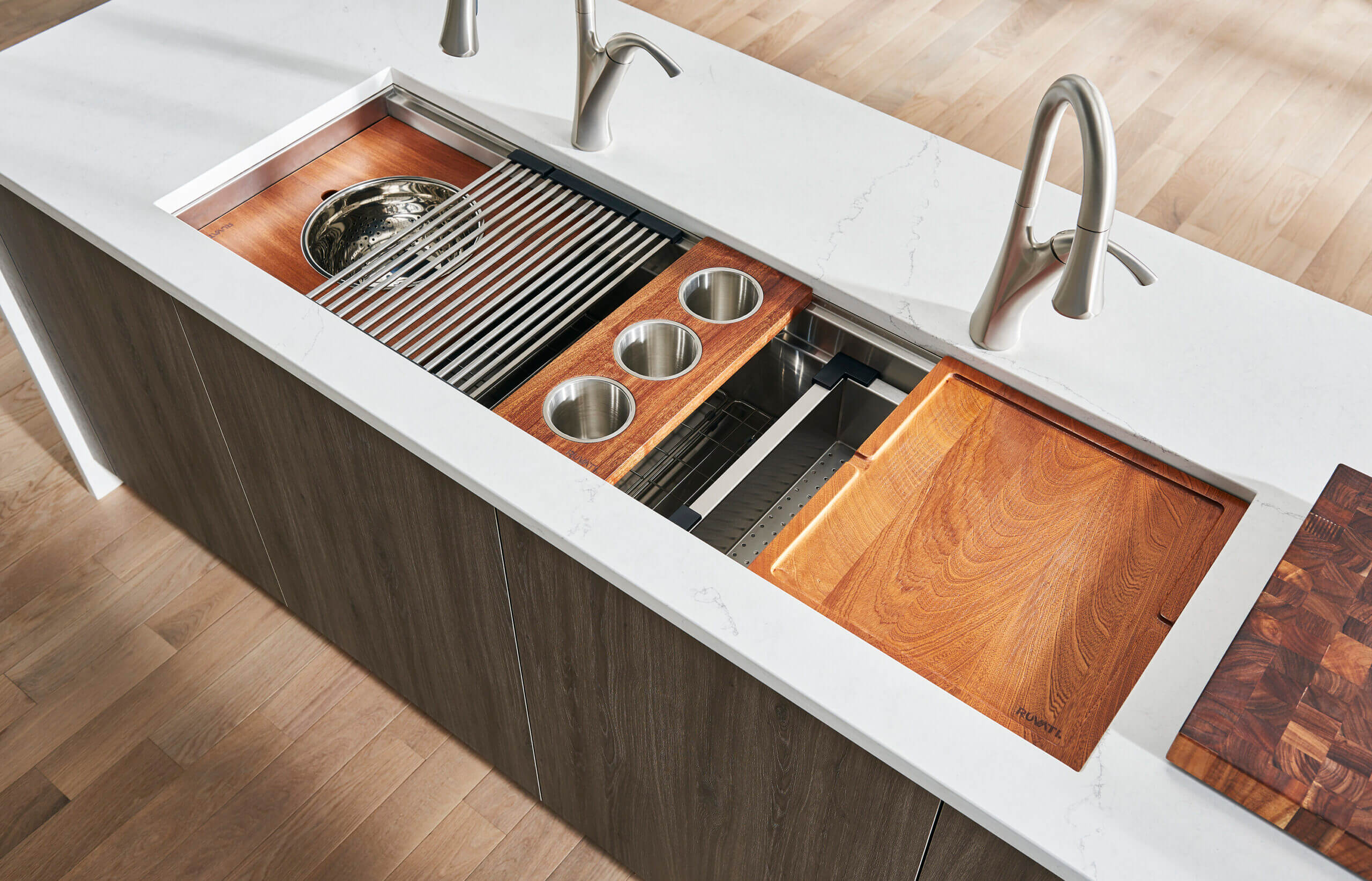
Premium kitchen sinks cost above $400. They use high-end materials like copper, solid granite, and designer fireclay. Premium sinks focus on style and long-lasting quality. They often have extra features like integrated cutting boards or multiple bowls. These sinks fit upscale kitchens and serious home chefs.
Installation Tips
Installing a kitchen sink can change the look and function of your kitchen. Proper installation ensures no leaks, good water flow, and a secure fit. This guide shares useful tips to help you install your sink with ease and confidence.
Diy Vs Professional
Installing a sink yourself saves money. Simple models are easier to handle. Complex sinks or unusual plumbing need a pro. A professional avoids mistakes that cause leaks or damage. Choose based on your skill level and the tools available.
Tools Required
Gather these tools before you start: an adjustable wrench, plumber’s putty, a screwdriver, silicone sealant, and a pipe wrench. A level helps to align the sink properly. Clean cloths and buckets are useful to catch water spills.
Common Installation Mistakes
Skipping the sealant leads to water leaks. Forgetting to tighten connections causes drips. Not checking the fit wastes time and money. Avoid rushing. Take time to measure and secure all parts carefully.
Maintaining Your Kitchen Sink
Maintaining your kitchen sink keeps it looking good and working well. A clean sink also helps keep your kitchen hygienic. Regular care stops stains, scratches, and other damage. Here are simple ways to maintain your sink every day.
Cleaning Techniques
Use mild soap and warm water for daily cleaning. Avoid harsh cleaners that can damage the sink’s surface. A soft sponge or cloth works best. Rinse the sink thoroughly after washing. Dry the sink with a towel to stop water spots. For tough stains, use a baking soda and water paste. Gently scrub the paste on the stain and rinse well.
Preventing Damage
Do not put hot pans directly on the sink. Use a sink grid or mat to protect from scratches. Avoid dropping heavy items inside the sink. Do not use steel wool or abrasive pads for cleaning. Keep sharp objects away from the sink surface. Regularly check the drain and pipes for clogs or leaks. Fix small issues early to prevent bigger damage.
Extending Sink Life
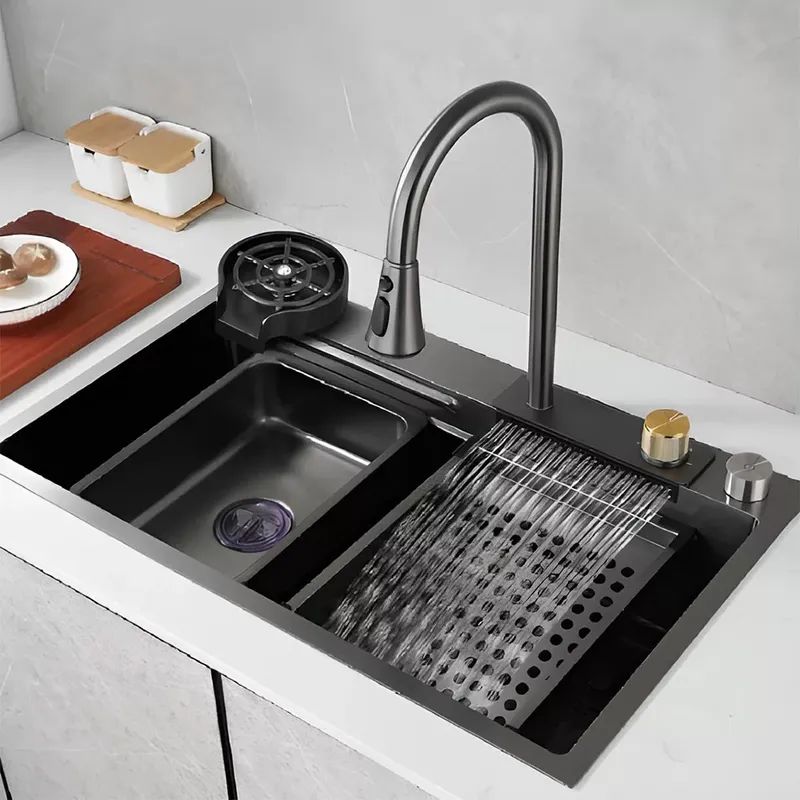
Clean the sink regularly to avoid the build-up of grime. Use a protective coating if recommended by the manufacturer. Avoid leaving acidic foods or liquids in the sink for long. Rinse the sink after each use to clear residues. Treat your sink gently to keep it strong and lasting. Proper care makes your sink look new for years.
Credit: www.jabrasanitary.com
Frequently Asked Questions
What Material Is Best For A Kitchen Sink?
Stainless steel is popular for its durability and easy cleaning. Granite composite resists scratches and stains. Porcelain offers a classic look but can chip. Choose based on your kitchen style and maintenance preference.
Which Kitchen Sink Shape Is Most Practical?
Rectangular sinks offer maximum space and fit most countertops. Oval sinks provide a smooth, modern look. Double-bowl sinks allow multitasking and better organization. Consider your kitchen usage to decide the best shape.
How To Choose The Right Sink Size?
Measure your countertop space and cabinet size first. Standard sinks are 22 to 33 inches wide. Ensure the sink fits comfortably without crowding the workspace. Match sink size to your kitchen’s daily needs.
What Is The Best Kitchen Sink Installation Type?
Undermount sinks create a seamless look and easy cleaning. Top-mount sinks are easier to install and replace. Farmhouse sinks add style and deep basins. Choose based on aesthetics and installation convenience.
Conclusion
Choosing the best kitchen sink depends on your needs and style. Think about size, material, and how often you cook. Stainless steel sinks suit busy kitchens. Porcelain sinks look classic and clean. Consider ease of cleaning and durability, too. A good sink makes kitchen work easier and more pleasant.
Take time to pick one that fits your space well. Your perfect kitchen sink awaits, ready to support your daily tasks.