
Are you wondering if kitchen sink drains are universal? You’re not alone.
Many people face this question when it’s time to replace or fix their sink. Knowing whether your drain will fit perfectly or need special adjustments can save you time, money, and frustration. You’ll discover the truth about kitchen sink drains, what to look for, and how to make sure your drain works seamlessly with your sink.
Keep reading—your next plumbing project will be much easier with this knowledge.

Credit: www.kraususa.com
Contents
Types Of Kitchen Sink Drains
Kitchen sink drains come in different types. Knowing these types helps you pick the right one for your sink. Each type has unique features and sizes. Understanding them saves time and effort during installation or replacement.
Drain types vary by size, material, and parts. These details affect how the drain fits and works. Let’s explore the main types of kitchen sink drains below.
Standard Drain Sizes
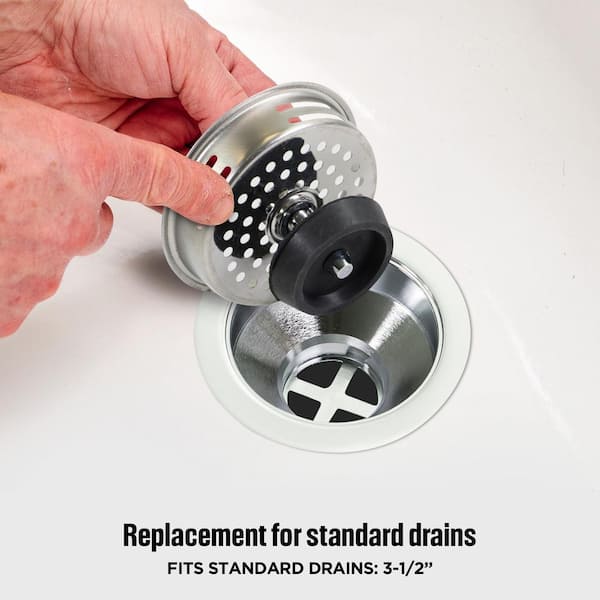
Most kitchen sink drains have a standard size of 3.5 inches in diameter. This size fits most kitchen sinks in the United States. Some drains may be 1.25 or 1.5 inches wide for smaller sinks or bar sinks. Knowing the size ensures you buy the correct drain for your sink.
Material Variations
Kitchen sink drains come in different materials. Common types include stainless steel, plastic, and brass. Stainless steel is strong and resists rust. Plastic drains are lightweight and cost less. Brass drains last long and look attractive. The material affects the drain’s durability and style.
Drain Assembly Components
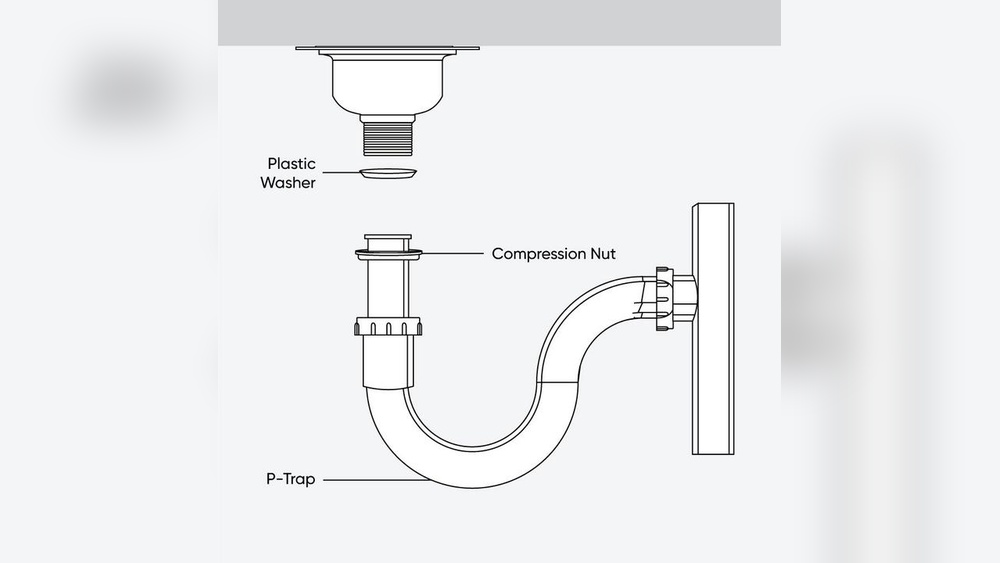
A kitchen sink drain has several parts. These include the drain flange, strainer, gasket, and locknut. The flange sits on top of the sink hole. The strainer stops food from going down the drain. Gaskets prevent leaks between parts. Locknuts hold everything tightly together. Each part plays a role in a leak-free drain.

Credit: www.amazon.com
Compatibility Factors
Understanding the compatibility of kitchen sink drains helps avoid installation problems. Various factors affect how well a drain fits with your sink and plumbing. These factors include the sink’s design, plumbing connections, and any garbage disposal units.
Sink Design Influences
Sink shapes and sizes vary widely. Some sinks have one bowl; others have two or more. Drain holes may differ in diameter and placement. These differences impact which drains will fit properly. Choosing a drain that matches the sink design ensures a good seal and prevents leaks.
Plumbing Connection Differences
Plumbing setups vary by home and region. Drain pipes can have different diameters and thread types. Some use slip joints; others use threaded connections. Matching the drain’s outlet to the home’s plumbing avoids costly adjustments. It also keeps water flowing smoothly and stops clogs.
Garbage Disposal Integration
Not all drains connect easily to garbage disposals. Some drains come with special fittings for disposals. Others require adapters or different parts. Confirm the drain’s compatibility with your disposal unit. Proper integration prevents leaks and ensures efficient waste removal.
Common Drain Standards
Kitchen sink drains follow specific standards to fit properly. These standards ensure pipes and fittings connect without leaks. Knowing these rules helps when replacing or installing drains. Standards vary by use and location. Understanding the common types avoids costly mistakes.
Drains differ by where they are used and how they are made. The size and shape may change based on the sink’s purpose. Awareness of these differences makes the process smoother and faster.
Domestic Vs Commercial Drains
Domestic drains are smaller and fit household sinks. They handle less water and waste. Commercial drains are larger to manage heavy use. Kitchens in restaurants need stronger, wider pipes. These drains use tougher materials for durability. Mixing these types can cause fitting issues and leaks.
Regional Variations
Drain sizes and shapes change by country or region. Plumbing rules differ in the US, Europe, and Asia. Pipe diameters and thread types are not the same everywhere. This affects which parts will connect correctly. Checking local standards saves time and money.
Universal Fittings Myth
Many believe kitchen sink drains fit all sinks. This is not true. Universal fittings rarely work for every drain. Variations in size and design cause poor fits. Using the right parts ensures a secure seal. Avoiding the universal fitting myth prevents future problems.
Installation Challenges
Installing a kitchen sink drain is not always simple. Many people think all drains fit the same. This is not true. Various challenges can arise during installation. Knowing these issues helps avoid mistakes and saves time.
Seal And Gasket Issues
One common problem is with seals and gaskets. These parts stop water leaks. If the gasket is the wrong size, water can drip. Sometimes, the material does not match the sink. This causes hard fitting or damage. Proper seals ensure a tight, leak-free connection.
Alignment And Fit Problems
Drain parts must align perfectly. Misalignment makes it hard to attach pipes. Pipes may not fit or may be loose. Different sink models have different drain hole sizes. This causes fit issues with universal drains. Proper measurements are key for a smooth fit.
Tools And Techniques Needed
Installing a sink drain needs the right tools. Pipe wrenches, plumber’s putty, and screwdrivers are common. Knowing how to use these tools is important. Some techniques ensure better sealing and fitting. Without proper tools and skills, installation can fail.
Choosing The Right Drain
Choosing the right kitchen sink drain is key to a smooth installation and lasting use. Not all drains fit every sink. Understanding how to pick the correct drain saves time and money. It also prevents leaks and other problems.
Measuring Your Sink
Start by measuring the drain opening of your sink. Use a tape measure to find the diameter. Most kitchen sinks have drain openings between 3.5 and 4.5 inches. Check if your sink has one or two bowls. Each bowl may need its own drain size. Write down your measurements for reference.
Matching Drain Parts
Drain parts must fit your sink’s design. Look at the shape of the drain flange and tailpiece. Some sinks require specific types of gaskets or seals. Make sure the drain matches the sink’s material, like stainless steel or porcelain. Mixing parts can cause poor fit and leaks. Match parts carefully to avoid these issues.
Consulting Manufacturer Guidelines
Read the sink and drain manufacturer instructions. They give details about compatible drain sizes and types. Follow their recommendations for the best results. Guidelines may include special drain features for your sink model. Using approved parts keeps your warranty valid. Manufacturer advice helps choose the right drain with confidence.
Maintenance And Replacement Tips
Maintaining your kitchen sink drain is key to keeping your sink working well. Regular care helps avoid costly repairs and keeps your drain clean. Knowing when and how to replace parts can save time and money.
Identifying Wear And Tear
Check your drain often for signs of damage. Look for cracks, rust, or loose fittings. Watch for slow draining water or strange smells. These signs show the drain needs attention. Early spotting helps fix problems before they get worse.
When To Replace Drains
Replace your drain if it leaks or clogs often. Old drains may not fit new sinks well. If cleaning does not stop bad smells or slow water, replacement is needed. Use a drain that fits your sink size and style.
Preventing Clogs And Leaks
Keep your drain clear by avoiding food scraps and grease down the sink. Use a drain strainer to catch debris. Pour hot water or baking soda and vinegar to clean the drain weekly. Tighten loose parts to stop leaks early.
Credit: www.homedepot.com
Frequently Asked Questions
Are Kitchen Sink Drains The Same Size Universally?
No, kitchen sink drains are not universally the same size. Different sinks and plumbing systems require specific drain sizes. Always measure your drain opening before purchasing a replacement or new drain parts.
Can I Replace My Kitchen Sink Drain Myself?
Yes, you can replace a kitchen sink drain yourself with basic tools. Ensure you have the correct drain size and follow step-by-step instructions to avoid leaks.
What Types Of Kitchen Sink Drains Exist?
Common kitchen sink drains include basket strainer drains, garbage disposal drains, and flat drains. Each type fits different sink designs and plumbing setups.
How Do I Know If A Drain Fits My Sink?
Check your sink’s drain opening diameter and compare it with the drain’s specifications. Also, verify compatibility with your plumbing connections.
Conclusion
Kitchen sink drains are not always universal. Different sinks and plumbing systems use various sizes and designs. Always check your sink’s drain type before buying parts. Choosing the right drain helps avoid leaks and clogs. Simple measurements can save time and money.
Matching parts makes installation easier and faster. Remember, small details matter for a good fit. Take time to find the correct drain for your kitchen sink. This prevents future problems and keeps your sink working well.