
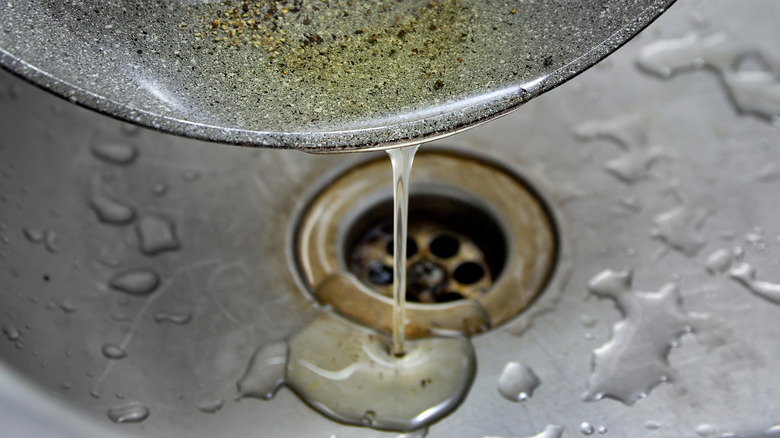
Have you ever wondered what happens when you pour grease down your sink? It might seem like an easy way to get rid of leftover cooking fat, but is it really okay for your plumbing and the environment?
If you’ve been unsure or curious about the right way to handle grease, this article is for you. Keep reading to discover why pouring grease down the sink could cause serious problems—and what simple steps you can take instead to protect your pipes and your home.
Contents
Why Grease Tempts You Down The Sink
Grease often feels like the easiest thing to pour down the sink. It is liquid and smooth when warm. It seems to disappear quickly with water. This makes it tempting to rinse it away without a second thought.
Many people think grease is harmless because it melts. It looks like it will flow away safely. This illusion tricks many into pouring it directly into drains. The convenience feels better than cleaning it out otherwise.
Grease Melts And Flows Easily
When heated, grease turns into liquid. It moves quickly down pipes with water. This makes it seem safe to wash away. The easy flow hides the future problems it causes.
Cleaning Up Is Quick And Simple
Pouring grease down the sink saves time. It avoids wiping pans multiple times. This quick clean feels like a good choice. It reduces effort after cooking.
Grease Seems Harmless At First
Grease looks natural and safe. It is a common kitchen byproduct. People assume it won’t cause damage. This false impression leads to poor disposal habits.
Water Washes Grease Away Instantly
Running water seems to clear grease fast. This makes people trust the drain’s ability. They believe pipes will handle it easily. This trust often causes blockages later.
What Happens When Grease Goes Down
Pouring grease down the sink might seem easy. Many people think liquid grease will just wash away with water. The truth is different. Grease changes as it cools and causes big problems. Understanding what happens helps avoid damage and costly repairs.
Impact On Pipes
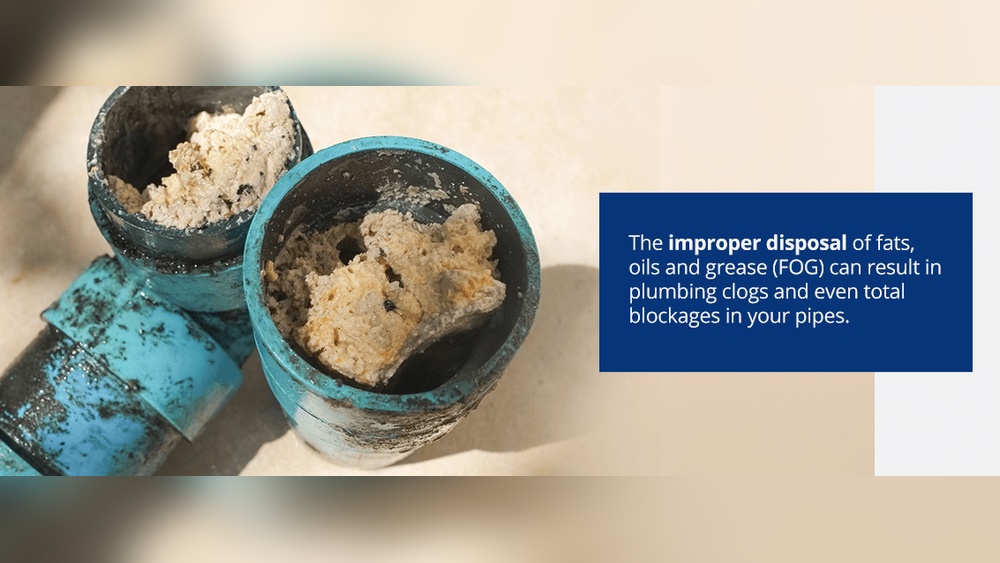
Grease hardens inside pipes after cooling. It sticks to pipe walls and traps other debris. Over time, this buildup blocks water flow. Blocked pipes cause slow drains and backups. Fixing these issues can be expensive and messy.
Effects On Sewer Systems
Grease clogs sewer lines and pumping stations. It creates thick masses called “fatbergs.” Fatbergs block sewer pipes and cause overflows. These overflows can flood streets and homes. Repairing sewer systems takes time and money.
Environmental Consequences
Grease pollution harms rivers and lakes. It reduces oxygen in water, hurting fish and plants. Grease also attracts pests like rats and insects. Cleaning polluted water costs communities a lot. Protecting the environment starts with proper grease disposal.
Common Myths About Pouring Grease
Many people have questions about pouring grease down the sink. Some beliefs about this topic are not true. These myths can cause confusion and damage plumbing or the environment. Let’s clear up common myths about pouring grease.
Myth 1: Small Amounts Of Grease Won’t Cause Problems
People often think a little grease is safe to pour. Even small amounts can build up inside pipes. Over time, this buildup blocks drains and causes clogs. Grease hardens when it cools, sticking to pipe walls.
Myth 2: Hot Water Can Wash Grease Away
Many believe hot water melts grease and carries it down the drain. Hot water only melts grease temporarily. As water cools, grease solidifies again in pipes. This leads to blockages and plumbing troubles.
Myth 3: Dish Soap Breaks Down Grease Completely
Dish soap helps remove grease from dishes but not pipes. Soap breaks grease into smaller bits but does not dissolve it fully. Grease pieces can still stick inside plumbing and cause clogs.
Myth 4: Pouring Grease Is Safe For Septic Systems
Some think grease won’t harm septic tanks. Grease harms septic systems by clogging pipes and filters. It disrupts bacteria that break down waste. This can cause system failure and expensive repairs.
Safe Ways To Dispose Of Grease
Grease can cause serious plumbing problems if poured down the sink. It hardens inside pipes, leading to clogs and costly repairs. Safe disposal protects your home and the environment.
Learn easy ways to handle grease safely. These methods prevent blockages and reduce pollution.
Cooling And Collecting Methods
Let the grease cool after cooking. It thickens and becomes easier to manage. Pour the cooled grease into a container with a lid. Use old jars or cans to store it. Keep the container in the fridge or freezer until full. This method keeps grease from spilling and clogging drains.
Recycling Grease
Some places accept used cooking grease for recycling. This grease can turn into biofuel or soap. Check local recycling centers or waste programs. Bring your sealed container of grease to a drop-off point. Recycling helps reduce waste and supports green energy.
Disposal In Trash
If recycling is not an option, dispose of grease in the trash. Make sure the grease is solid or semi-solid first. Pour it into a disposable container or wrap it in paper towels. Seal it well to avoid leaks. Throw the container in the garbage bin. This keeps grease out of plumbing and sewers.
Tips To Prevent Grease Build-up
Grease build-up in kitchen pipes causes clogs and bad smells. It can damage plumbing and lead to costly repairs. Stopping grease from going down the drain helps keep pipes clean and water flowing well. Simple steps protect your home and save money.
Regular Pipe Maintenance
Check pipes often for slow drains or bad odors. Use a plunger or drain snake to clear small clogs. Flush pipes with hot water weekly to melt any grease inside. Avoid harsh chemicals that can harm pipes.
Using Grease Traps
Install grease traps under sinks to catch oil and fat before they reach pipes. Clean traps regularly to keep them working well. Grease traps help stop blockages and keep drains clear.
Avoiding Grease In Garbage Disposal
Do not pour grease or oil into the garbage disposal. It can stick to blades and pipes, causing jams and clogs. Instead, wipe pans with paper towels before washing. Dispose of grease in sealed containers or trash.

Credit: marcoplumbing.ca
When Grease Causes Serious Plumbing Issues
Pouring grease down the sink can lead to serious plumbing problems. Grease hardens inside pipes, causing blockages that stop water flow. These blockages can cause slow drains, bad smells, and even pipe bursts. Understanding the signs and costs helps prevent damage. Knowing what to do in an emergency can save your home and money.
Signs Of Blockages
Slow-draining water is a common sign of a grease blockage. Water may pool in sinks or tubs. Strange noises, like gurgling, come from drains. Bad odors can escape from clogged pipes. Frequent clogs show grease buildup is worsening. Watch for water backing up into sinks or toilets.
Cost Of Repairs
Fixing grease blockages can be expensive. Small clogs cost less but need quick attention. Severe blockages may require pipe replacement. Plumbing services charge for labor and parts. Emergency repairs often cost more than planned fixes. Preventive care saves money over time.
Emergency Measures
Stop using water in blocked areas immediately. Remove standing water to avoid overflow. Use a plunger gently to try clearing clogs. Avoid chemical drain cleaners; they can harm pipes. Call a plumber if problems persist. Early action reduces damage and repair costs.
Credit: www.housedigest.com
Frequently Asked Questions
Can I Pour Cooking Grease Down The Sink?
No, pouring cooking grease down the sink can clog pipes and damage plumbing. It solidifies and causes blockages in your drains.
What Happens If Grease Clogs My Kitchen Drain?
Grease buildup narrows pipes, leading to slow drainage and costly repairs. It can cause unpleasant odors and plumbing backups.
How Should I Dispose Of Cooking Grease Safely?
Let grease cool and solidify, then scrape it into a container. Dispose of it in the trash or recycle if possible.
Can Small Amounts Of Grease Go Down The Drain?
Even small amounts can accumulate over time and cause blockages. Avoid pouring grease down the drain altogether to protect your plumbing.
Conclusion
Pouring grease down the sink can cause big problems. It clogs pipes and damages plumbing. Grease hardens and blocks drains over time. Instead, cool the grease and throw it in the trash. This simple step saves money and keeps your home safe.
Taking care of your pipes helps avoid costly repairs. Remember, small actions protect your plumbing and the environment. Keep grease out of your sink for a cleaner, smoother kitchen. It’s easy and smart to follow this rule every day.