
Are you tired of dealing with slow-draining sinks and stubborn clogs? You’re not alone.
A clogged sink can disrupt your daily routine and cause unnecessary stress. But what if you could stop those clogs before they even start? Knowing the best way to prevent sink clogs can save you time, money, and frustration. You’ll discover simple, effective tips that anyone can follow to keep your sink flowing smoothly.
Keep reading, and take control of your sink’s health today.
Contents
Common Causes Of Sink Clogs
Sink clogs happen for many reasons. Knowing the common causes helps prevent blockages. This section explains what often blocks your sink drains. Avoiding these issues keeps water flowing smoothly.
Food Particles And Grease
Food scraps often go down the sink. Small pieces can stick inside pipes. Grease and oil are worse. They cool and harden, trapping debris. Over time, this buildup blocks water flow.
Hair And Soap Scum
Hair easily clogs bathroom sinks. It forms tangles that catch dirt. Soap scum mixes with hair and water. This mix creates thick layers on pipe walls. It narrows the drain and slows water.
Foreign Objects
Objects like jewelry, cotton balls, and toys cause clogs. They get stuck and stop water from draining. Kids’ small items often end up in drains. These blockages need to be removed with tools or help.
Hard Water Deposits
Hard water leaves mineral deposits inside pipes. These deposits build up over time. They reduce pipe space and block water flow. Cleaning pipes regularly prevents these hard water clogs.

Credit: www.allwaysdrains.com
Daily Habits To Avoid Clogs
Daily habits play a big role in keeping your sink drains clear. Small actions can stop clogs from forming. A clean sink means less stress and fewer repairs. Consistent care protects your pipes and saves money.
Proper Disposal Of Food Waste
Throw food scraps in the trash, not the sink. Avoid pouring grease or oil down the drain. These substances harden and block pipes. Use a compost bin for vegetable peels and coffee grounds. This habit keeps your drain flowing smoothly.
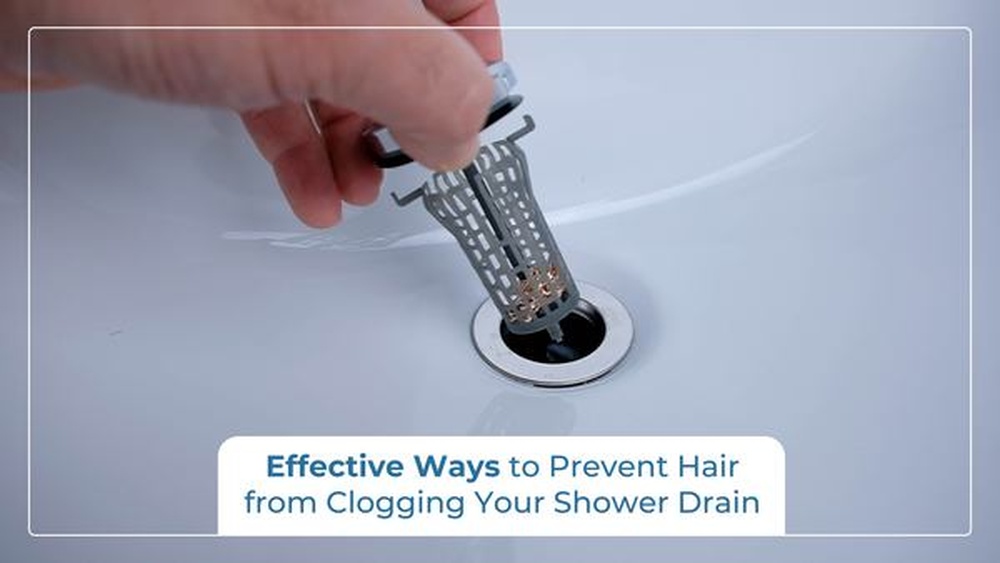
Using Drain Strainers
Place strainers over sink drains to catch debris. They stop hair, food bits, and soap scum from entering pipes. Empty strainers regularly to prevent buildup. Strainers are a simple tool that protects your plumbing system.
Avoiding Harsh Chemicals
Harsh drain cleaners can damage pipes over time. Choose natural or mild cleaning options instead. Harsh chemicals may cause leaks and corrosion. Regular cleaning with gentle products keeps your pipes safe.
Regular Hot Water Flushing
Pour hot water down the drain weekly. Hot water helps dissolve grease and soap residue. This practice keeps drains clear and reduces odors. It’s an easy, effective way to maintain your plumbing.
Simple Tools For Maintenance
Simple tools can help keep your sink drains clear and working well. Regular use of these tools stops clogs before they start. They are easy to find and simple to use. A little effort goes a long way in sink maintenance.
Using the right tools often saves money and avoids big plumbing problems. Here are some effective options to try at home.
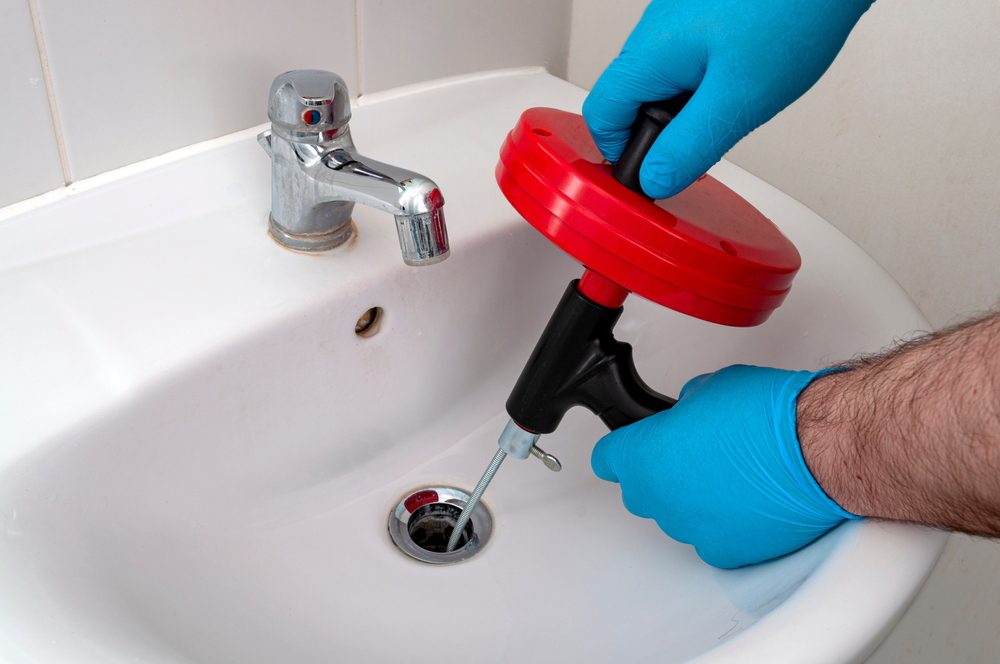
Plungers And Drain Snakes
Plungers push air and water to clear blockages fast. They work best for minor clogs near the drain surface. Drain snakes reach deeper to pull out stubborn debris. These tools require no chemicals or electricity. They are safe and can be used by anyone.
Natural Cleaning Solutions
Baking soda and vinegar mix well to clean drains naturally. Pour baking soda, then vinegar, and wait 15 minutes. Flush with hot water to clear dirt and grease. This method is safe for pipes and the environment. It helps remove odors and keeps drains fresh.
Enzyme-based Cleaners
Enzyme cleaners use natural bacteria to break down waste. They dissolve hair, grease, and food particles gently. These cleaners are non-toxic and safe for septic tanks. Use regularly to keep drains flowing and avoid build-up. Enzyme cleaners work slowly but effectively.
Credit: www.horizonservices.com
When To Call A Professional
Knowing when to call a professional plumber can save your sink from serious damage. Some clogs are easy to fix. Others need expert help to avoid bigger problems. Understanding the signs helps you decide the right time to get professional aid.
Signs Of Serious Blockages
Slow-draining water shows a minor clog. Water backing up means a bigger problem. Strange noises from pipes warn of serious blockages. Bad smells near the sink suggest trapped waste. Frequent clogs mean a deep or tough blockage.
Benefits Of Regular Inspections
Professional inspections find hidden problems early. They prevent costly repairs in the future. Inspections keep your plumbing working smoothly. Regular checks improve your home’s water flow. Experts can spot small issues before they grow.
Preventive Plumbing Services
Plumbers offer cleaning and maintenance to stop clogs. They use special tools to clear pipes fully. Preventive services extend the life of your plumbing. These services reduce the chance of emergency repairs. Scheduling routine care keeps your sink healthy.
Long-term Prevention Strategies
Preventing sink clogs over time saves money and stress. Long-term strategies help keep drains clear and water flowing smoothly. These simple steps protect pipes and reduce the risk of blockages.
Upgrading Sink Fixtures
Old sink fixtures often cause slow drains and clogs. New fixtures with better designs allow water to flow freely. Choose fixtures with smooth surfaces that resist debris buildup. This change lowers the chances of blockages forming inside pipes.
Installing Garbage Disposals
Garbage disposals break down food waste before it reaches pipes. This stops many common clogs caused by leftover scraps. Use the disposal properly by running cold water during and after use. Avoid putting fibrous or hard items in the disposal to prevent damage.
Routine Maintenance Schedule
Regular cleaning removes grease, hair, and food particles from drains. Use a mild drain cleaner or natural solutions like baking soda and vinegar. Flush drains with hot water weekly to keep them clear. Checking pipes often helps catch problems early before clogs form.
Frequently Asked Questions
How Can I Prevent Sink Clogs Naturally?
Use baking soda and vinegar regularly to clear debris. Avoid pouring grease or food scraps down the drain. Use a drain strainer to catch particles. These simple habits keep your sink flowing smoothly without harsh chemicals.
What Household Items Help Prevent Sink Clogs?
Baking soda, vinegar, and hot water are effective. Baking soda loosens debris, vinegar breaks down buildup, and hot water flushes it away. Regular use prevents grease and soap scum from causing blockages.
Why Avoid Pouring Grease Down The Sink?
Grease solidifies in pipes, causing blockages over time. It sticks to pipe walls, trapping food particles. This leads to slow drainage and clogs. Dispose of grease in containers instead of the sink.
How Often Should I Clean My Sink Drain?
Cleaning once a month is ideal for prevention. Regular maintenance removes buildup before clogs form. Use natural cleaners like baking soda and vinegar to keep drains clear and odor-free.
Conclusion
Preventing sink clogs takes simple daily habits. Avoid pouring grease and food scraps down the drain. Use a drain strainer to catch debris before it enters pipes. Regularly clean your sink and pipes with safe, natural solutions. These small steps save time and money on repairs.
Keep your sink flowing smoothly and avoid messy blockages. A little care goes a long way in maintaining your plumbing. Stay consistent and enjoy a clog-free sink every day.