
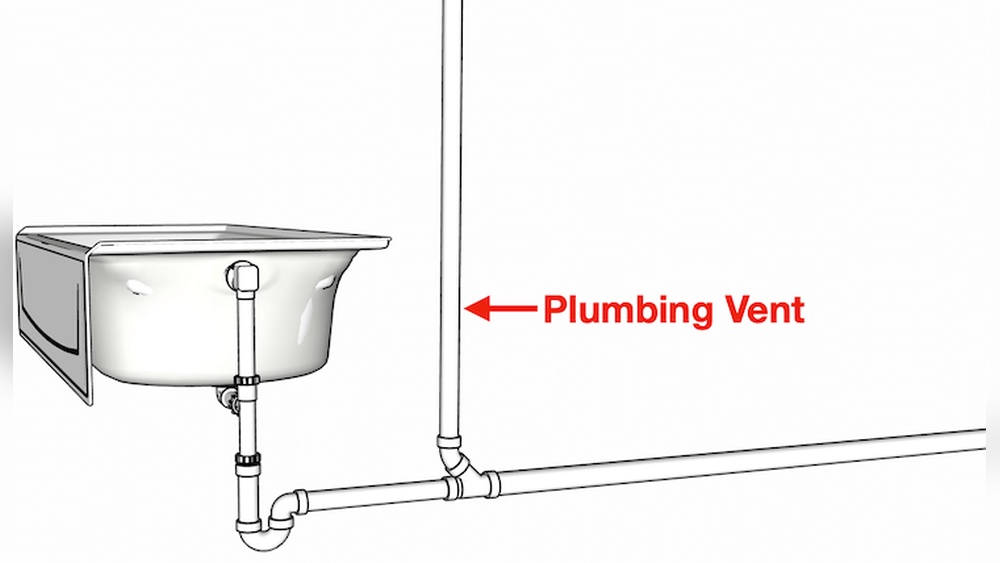
Have you ever wondered why your kitchen sink sometimes gurgles or drains slowly? It might surprise you, but the secret often lies in whether your sink has a proper vent.
A kitchen sink vent plays a crucial role in keeping your plumbing running smoothly and preventing unpleasant odors from creeping into your home. In this guide, you’ll discover exactly why a kitchen sink needs a vent, how it works, and what could happen if it’s missing.
Keep reading to make sure your kitchen stays fresh, and your plumbing stays trouble-free.
Contents
Why Kitchen Sink Vents Matter
Kitchen sink vents play a key role in keeping your plumbing system healthy. They allow air to flow through pipes. This airflow helps water drain smoothly and stops problems before they start. Without vents, sinks can have slow drainage and bad smells. Understanding why vents matter can save time and money on repairs.
Role Of Venting in Plumbing
Vents let air enter the drainage system. This air balances pressure inside the pipes. Balanced pressure means water can flow without resistance. Vents prevent water traps from being sucked dry. Water traps stop sewer gases from entering your home. Without vents, plumbing does not work properly.
Preventing Drainage Issues
Vents stop slow drainage and blockages. Air in the pipes helps waste water move faster. Without vents, water can drain slowly or back up. This causes clogs and may damage pipes. Proper venting keeps water flowing freely and pipes clear.
Avoiding Sewer Gas Build-up
Kitchen sink vents prevent harmful gases from entering your home. Sewer gases smell bad and can cause health problems. Vents keep these gases outside by maintaining water in traps. When vents are missing, gases can leak through drains. Proper venting protects your home’s air quality.
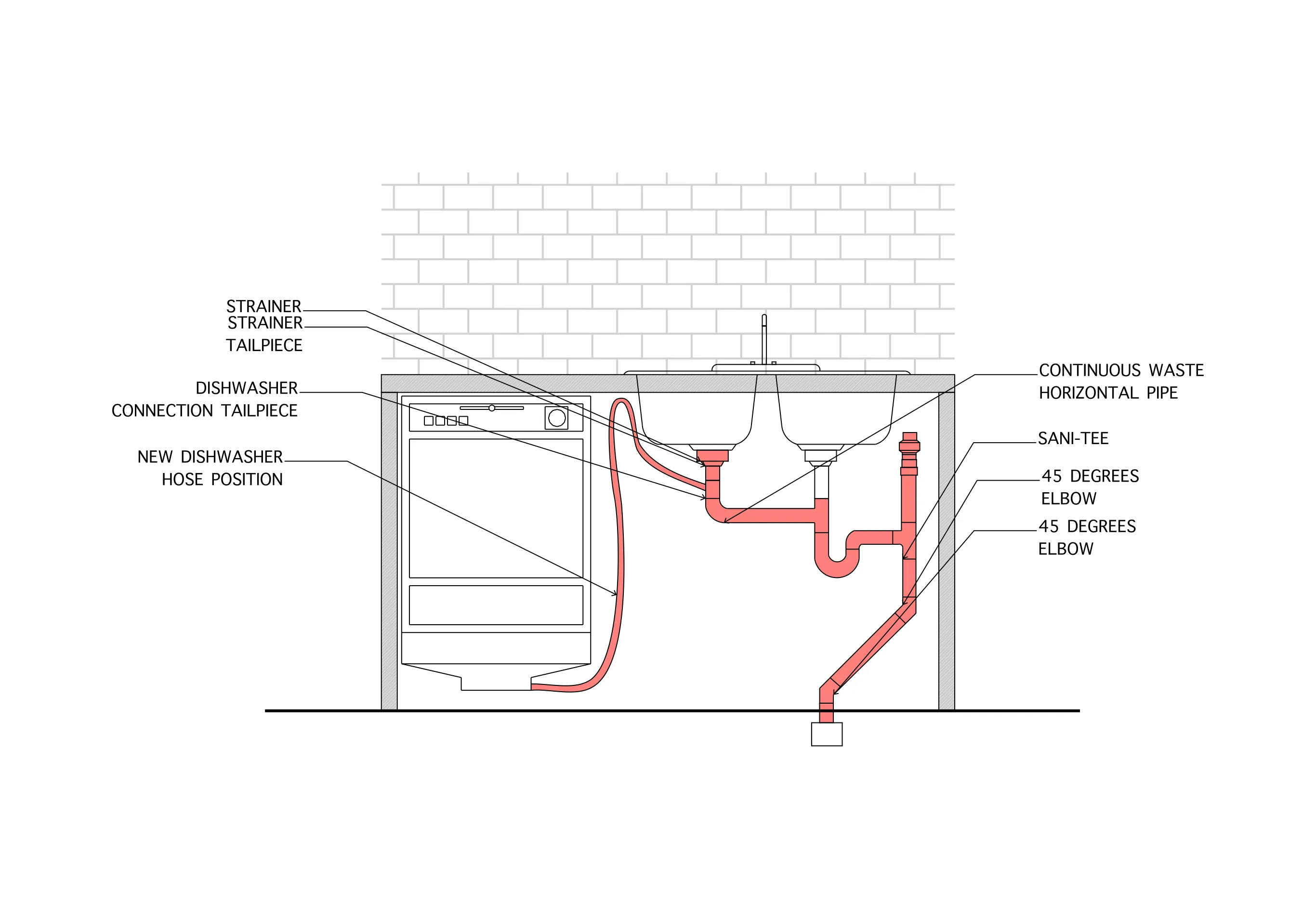
Credit: www.arcsite.com
How Kitchen Sink Vents Work
Kitchen sink vents play a key role in your plumbing system. They help water flow smoothly and keep bad smells out. Understanding how these vents work can help you spot problems early. Let’s explore the basics of kitchen sink vents and their function.
Airflow And Pressure Balance
Kitchen sink vents allow air to enter the drain pipes. This air stops a vacuum from forming. Without air, water drains slowly or may get stuck. The vent balances pressure in the pipes. It keeps water flowing properly and prevents gurgling sounds. Proper airflow also stops sewer gases from coming inside your home.
Common Vent Types For Sinks
There are different vent types for kitchen sinks. The most common is the traditional vent pipe. It goes through the roof and connects to the main vent system. Another type is the air admittance valve (AAV). This valve lets air in but seals off sewer gases. AAVs are easier to install in tight spaces. Both types ensure good airflow and pressure balance in the pipes.
Signs Your Kitchen Sink Needs Venting
Venting helps your kitchen sink work well by letting air into the drain pipes. This stops pressure problems that slow water flow. Without venting, your sink may show signs it needs attention.
Watch for these signs. They often mean your kitchen sink needs a vent to fix plumbing issues.
Slow Draining Water
Water takes longer to drain than usual. It may pool around the sink drain. This happens because air cannot enter the pipes properly. Slow drainage means pressure is off balance in the plumbing system.
Gurgling Sounds
Strange noises come from the drain when water flows. Gurgling or bubbling sounds show air is trapped. Pipes need venting to let air in and stop these noises. This prevents bad pressure that harms your sink’s drainage.
Unpleasant Odors
Smells from the drain can fill your kitchen. These odors come from sewer gases trapped in pipes. A vent lets these gases escape safely outside. Without venting, smells stay inside and cause discomfort.
/sink-vent-installing-an-auto-vent-2718828-05-ca0dcb2915be457b9693ccd2655e6c21.jpg)
Credit: www.thespruce.com
Vent Installation Options
Proper venting is crucial for a kitchen sink to work well. There are different ways to install vents. Each method has its own use and suits different situations. Understanding these options helps in making the right choice for your plumbing.
Traditional Vent Pipes
Traditional vent pipes run from the drain to the roof. They allow air to flow into the plumbing system. This air prevents water traps from drying out. It also helps wastewater flow smoothly. These vents must be installed by following local building codes. They are reliable and last a long time.
Air Admittance Valves
Air Admittance Valves (AAVs) are small devices that fit under the sink. They open to let air in when water drains out. AAVs stop sewer gases from entering your home. They do not need to go through the roof. Installation is easier and faster compared to traditional vents. They are useful in tight spaces or remodels.
Pros And Cons Of Each
Traditional vent pipes work well for most homes. They offer steady airflow and meet most codes. But, they can be costly and need roof access. Air Admittance Valves are cheaper and easier to install. They save space and avoid roof work. Still, they can fail over time and need replacement. Some areas may not allow AAVs by code.
Local Codes And Regulations
Local codes and regulations guide the plumbing work in every area. They ensure safety and proper function of plumbing systems. These rules tell you when and how to install vents for kitchen sinks. Following them avoids problems like bad smells or slow drainage.
When Vents Are Required
Most local codes require vents for kitchen sinks. Vents prevent water traps from losing air pressure. This stops sewer gases from entering your home. Some codes allow exceptions for very simple or temporary setups. Check your local rules to know the exact requirements.
Permits And Inspections
Many areas require a permit before plumbing work begins. The permit ensures that a professional reviews the plan. After installation, an inspection confirms the work meets code. Passing inspections avoids fines and future repairs. Always contact local authorities to get the right permits.
Diy Vs Professional Installation
Deciding between DIY and professional installation for your kitchen sink vent depends on several factors. Some tasks are simple enough for beginners, while others demand expert skills. Understanding your abilities and the job’s complexity helps make the right choice.
Assessing Your Skills
Start by evaluating your plumbing knowledge. Have you worked with pipes before? Do you understand venting basics? Simple installations might be doable if you feel confident. Complex vent setups require experience and proper tools. Safety and code compliance are essential.
Common Challenges
Plumbing vents can be tricky to install. Finding the right vent location is crucial. Poor venting causes an incorrect drainage of odors. Cutting into walls or ceilings needs care. Incorrect pipe slope leads to clogs. Tight spaces limit movement. Mistakes often result in leaks or damage.
When To Call A Plumber
Hire a plumber if you lack experience or tools. Professional help ensures correct vent placement and installation. Licensed plumbers follow local codes and prevent future issues. Complex vent repairs or remodels need expert skills. Save time and avoid costly mistakes by choosing pros.
Maintaining Your Kitchen Sink Vent
Maintaining your kitchen sink vent is essential for a healthy plumbing system. It helps keep air flowing and prevents bad odors and slow drains. Regular care can stop common problems before they start. Simple steps keep your kitchen sink vent working well for years.
Regular Inspections
Check your kitchen sink vent at least twice a year. Look for cracks, rust, or loose parts. Make sure the vent pipe is clear and not blocked by leaves or debris. Inspecting often helps catch small issues early. It saves money and avoids bigger repairs.
Clearing Blockages
Blockages can stop air from moving through the vent. Use a plumber’s snake to clear any clogs inside the pipe. Avoid pushing debris further down, which can cause bigger problems. You can also flush the vent with water to remove dirt. Always wear gloves and take safety precautions.
Long-term Care Tips
Keep your vents clean by trimming nearby trees and plants. Avoid pouring grease or food scraps down the drain, which can cause build-up. Consider installing a vent cover to keep out pests and debris. Schedule a professional check-up every few years to ensure everything is fine.

Credit: www.youtube.com
Frequently Asked Questions
Does A Kitchen Sink Require A Vent Pipe?
Yes, a kitchen sink needs a vent pipe to prevent sewer gases from entering. It also helps wastewater flow smoothly by balancing air pressure in the drain system.
What Happens If A Kitchen Sink Lacks Ventilation?
Without proper venting, water drains slowly, and traps may dry out. This can cause foul odors and plumbing issues like gurgling sounds or backups.
Can I Install A Kitchen Sink Vent Myself?
While possible, vent installation requires plumbing knowledge and permits. Hiring a licensed plumber ensures the vent meets local codes and functions correctly.
How Does A Vent Improve Kitchen Sink Drainage?
A vent allows air into the drain system, preventing vacuum formation. This helps water flow freely and stops water seals in traps from being siphoned away.
Conclusion
A kitchen sink needs a vent to work properly. The vent helps air flow and stops bad smells. Without it, water drains slowly or makes noise. A vent also protects pipes from damage. Checking your plumbing can save you from future problems.
Keep vents clear and clean for best results. Good venting means a healthy and smooth-running kitchen sink. Simple steps can prevent costly repairs. Trust basic plumbing rules for a better home.