
Have you ever wondered where the water from your kitchen sink actually goes? You might assume it simply disappears, but understanding whether your kitchen sink drains directly to the sewer line is important.
Knowing this can help you avoid costly plumbing problems and keep your home running smoothly. You’ll discover how your kitchen sink connects to your home’s drainage system and why it matters for your safety and comfort. Keep reading—you’ll be surprised by what you learn about something you use every day.
Contents
How Kitchen Sink Drains Work
Understanding how kitchen sink drains work helps you maintain a clean and efficient plumbing system. The process is simple but very important for proper water flow and waste removal. Each part of the drain plays a key role in guiding water safely out of your home.
Basic Drainage Path
Water from the kitchen sink flows down through a drain opening. It travels through a pipe that leads to the main drainage system. This pipe carries wastewater away from your home. It directs the flow smoothly to prevent clogs and backups.
Role Of P-trap
The P-trap is a curved pipe located under the sink. It holds a small amount of water at all times. This water acts as a barrier to stop sewer gases from entering your home. The P-trap also catches debris and food particles to prevent blockages further down the line.
Connection To Sewer Line
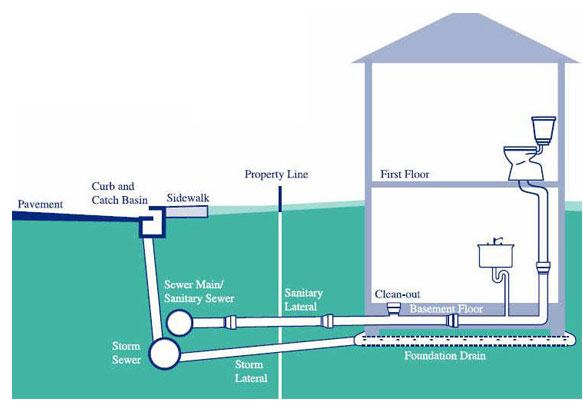
The kitchen sink drain connects to the larger sewer line. This main sewer line carries waste to the city sewer system or septic tank. Proper connection ensures that wastewater is safely removed. It also prevents leaks and foul odors inside your home.
Types Of Drainage Systems
Understanding the types of drainage systems helps explain where kitchen sink water goes. Drainage systems guide wastewater safely away from homes. Two common types are municipal sewer connections and septic systems. Each system works differently and has unique features.
Municipal Sewer Connection
In many cities, kitchen sinks drain directly into the municipal sewer system. Pipes carry wastewater through underground networks to a treatment plant. The plant cleans the water before releasing it into the environment. This system serves many homes in urban areas. It requires less maintenance for homeowners. The city handles repairs and cleaning. This system ensures safe disposal of kitchen waste and water.
Septic System Drainage
Homes outside cities often use septic systems for drainage. Wastewater from the kitchen sink flows into a septic tank. Solids settle at the bottom while liquids drain into a soil absorption field. The soil naturally filters and cleans the water. Septic systems need regular inspection and pumping. Proper use prevents clogs and damage. This system works well in rural areas without city sewer access.
Common Plumbing Configurations
Understanding how kitchen sinks drain is important for home plumbing. Pipes can connect in different ways. These setups control where the water and waste flow after use. Knowing the common plumbing configurations helps you spot problems early. It also guides repairs or upgrades.
Each home may use one of these typical systems. The choice depends on local codes and home design. Here are the main types found in many kitchens.
Direct Sewer Line Drain
Many kitchen sinks connect straight to the sewer line. Wastewater flows directly to the municipal sewer system. This setup is simple and common in city homes. Pipes from the sink join with other drains before reaching the sewer. It ensures fast removal of waste and water.
Greywater Systems
Some homes use greywater systems for sink drainage. Greywater means wastewater from sinks, showers, or washers. It stays separate from toilet waste. This water can be reused for watering plants or flushing toilets. It helps save water and reduce sewer load. The kitchen sink may drain into this system if allowed.
Disposal Unit Impact
Garbage disposal units affect how sinks drain. They break down food waste before it moves to the drain. This can increase solids in the wastewater. Pipes must handle this extra load to avoid clogs. Sometimes, local rules restrict disposal use because of sewer impact. Proper installation and maintenance are important.

Credit: www.smileydrain.com
Signs Your Sink Drains To the Sewer
Knowing if your kitchen sink drains to the sewer helps spot problems early. This knowledge protects your home from costly damage and health risks. Signs are often clear but easy to miss. You can check for these signs yourself.
Odor Indicators
A strong, unpleasant smell near the sink often means sewer gases are present. These odors come from waste in the sewer line. A foul smell that won’t go away suggests a blockage or leak. Check under the sink for leaks or broken pipes.
Slow Drainage Issues
Water that drains slowly is a common sign of sewer connection problems. Waste builds up and slows water flow. This can cause water to pool in the sink. Slow drainage may also signal a clog in the sewer line.
Backflow Symptoms
Backflow happens when wastewater flows back into the sink. It causes dirty water to appear in the drain. This is a serious sign of sewer line issues. You might see water bubbling up or hear gurgling sounds from the drain.
Potential Problems And Solutions
Kitchen sink drains connect to the sewer line to carry wastewater away. Problems can arise in this system. These issues cause inconvenience and damage. Knowing common problems and solutions helps keep your sink working well.
Clogs And Blockages
Food scraps and grease often cause clogs in the drain. Slow drainage or water backup signals a blockage. Use a plunger or drain snake to clear minor clogs. Avoid pouring grease or coffee grounds down the sink. For tough blockages, call a plumber to prevent pipe damage.
Leaks And Water Damage
Leaks can happen at pipe joints or under the sink. Water stains, damp spots, or mold show leaks nearby. Tighten loose connections or replace worn washers to stop leaks. Persistent leaks need professional repair to avoid costly water damage.
Preventive Maintenance Tips
Regular cleaning of drain traps reduces buildup inside pipes. Use baking soda and vinegar for a natural drain cleaner. Avoid harsh chemicals that can damage pipes. Check under the sink for leaks often. Prevent clogs by disposing of food waste properly.
Regulations And Environmental Concerns
Understanding the rules about kitchen sink drainage helps protect the environment. These rules guide how wastewater flows from sinks to sewer lines. Following them keeps water clean and prevents pollution. Regulations also support proper sewer system function. This section explains key regulations and environmental concerns.
Local Plumbing Codes
Local plumbing codes set standards for sink drain connections. They ensure wastewater goes into approved sewer lines. These codes prevent unsafe connections that can cause leaks or contamination. Plumbers must follow these rules during installation or repairs. Codes vary by city or state. Checking local rules avoids legal problems and protects health.
Greywater Reuse Rules
Greywater is gently used water from sinks and showers. Some places allow greywater reuse for watering plants or flushing toilets. Strict rules govern how to collect and use this water safely. Kitchen sink water often contains grease and food waste. This limits its reuse. Knowing greywater rules helps reduce water waste and keeps soil safe.
Impact On Sewer Systems
Kitchen sink drainage affects sewer system health. Oils and food scraps can clog pipes and cause backups. Excess grease hardens and blocks sewer lines. This leads to costly repairs and spills. Proper disposal and following regulations protect sewers. Clean water flow supports treatment plants and the environment.
Credit: maplewoodplumbing.com
Frequently Asked Questions
Does Kitchen Sink Water Go To The Sewer Line?
Yes, kitchen sink drains are connected to the home’s sewer line. Wastewater flows through pipes into the municipal sewer system or a septic tank for treatment.
Can Kitchen Sink Drains Cause Sewer Backups?
Yes, grease and food debris can clog kitchen sink drains. These blockages may cause wastewater to back up into sinks or other plumbing fixtures.
How Does A Kitchen Sink Drain Connect to the eSewer
The kitchen sink drain connects via a P-trap to a larger drain pipe. This pipe leads to the home’s main sewer line for waste removal.
Is Kitchen Sink Drainage Treated Before Sewer Entry?
No, kitchen sink wastewater flows directly into the sewer. It undergoes treatment later at a municipal wastewater treatment plant or septic system.
Conclusion
A kitchen sink usually drains directly to the sewer line. This helps keep your home clean and safe. Pipes carry wastewater away from your sink quickly. Proper drainage prevents bad smells and clogs. Knowing how your sink connects can help with repairs.
Always check for leaks or slow drainage signs. Taking care of your plumbing saves time and money. Simple steps keep your kitchen working well every day. Understanding this system makes home maintenance easier.