
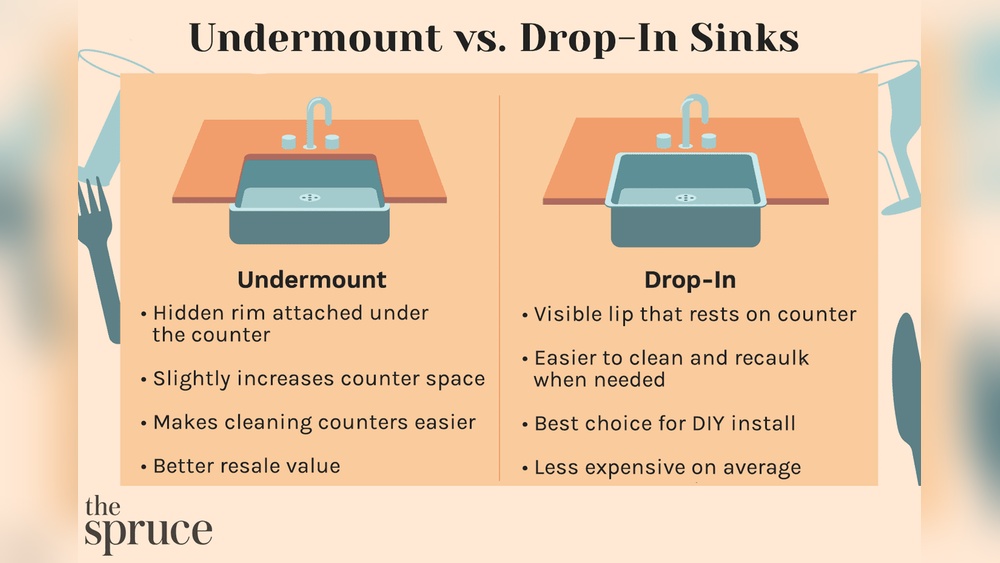
Choosing the right kitchen sink can change how you work and feel in your kitchen every day. You might be wondering: should you go for a drop-in sink or an undermount sink?
Each option has its own benefits and challenges that could affect your kitchen’s look, cleaning routine, and even installation costs. You’ll discover the key differences between drop-in and undermount kitchen sinks, so you can make a smart choice that fits your style and needs perfectly.
Keep reading to find out which sink installation will make your kitchen both beautiful and practical.

Credit: www.taskrabbit.com
Contents
Drop-in Sink Basics
Drop-in sinks are a popular choice for many kitchens. They fit into a hole cut in the countertop. The sink rim rests on the counter surface. This makes installation easier for many homeowners. Drop-in sinks come in many styles and materials. They suit different kitchen designs and budgets.
Design And Features
Drop-in sinks have a visible rim that sits on the counter. This rim helps to hold the sink in place. They often have one or more bowls. Some models include accessories like cutting boards or drying racks. The design fits well with laminate and solid surface countertops. The edges can be rounded or sharp, based on style preferences.
Installation Process
Installing a drop-in sink is straightforward. First, measure and cut the countertop hole. Next, apply sealant around the hole’s edge to prevent leaks. Then, lower the sink into the cutout. The rim rests on the countertop surface. Finally, secure the sink using clips or brackets underneath. Plumbing connections come last.
Material Options
Drop-in sinks come in many materials. Stainless steel is common and affordable. Porcelain offers a classic look and feels smooth. Composite sinks use granite or quartz mixed with resin. These are strong and resist scratches. Cast iron sinks have a durable enamel finish. Each material affects the sink’s look and price.
Cost Considerations
Drop-in sinks are generally less expensive than undermount sinks. Installation costs are lower due to simpler fitting. Material choice affects the price range. Stainless steel sinks are budget-friendly. Porcelain and cast iron tend to cost more. Plan for additional costs like plumbing and sealants.
Undermount Sink Essentials
Undermount sinks offer a sleek, modern look in kitchens. They attach below the countertop, creating a smooth surface. This style makes cleaning easier. Food scraps can be wiped directly into the sink. The design also helps save counter space. Understanding the basics of undermount sinks helps in choosing the right one.
Here are the key points about undermount sinks. Learn their features, how to install them, material options, and price ranges.
Key Characteristics
Undermount sinks are mounted under the countertop. No rim sits on the counter surface. This gives a clean, seamless look. They need solid countertop materials like granite or quartz. The sink edges are hidden, showing only the basin. Water spills stay contained inside the sink. They often have deeper bowls than drop-in sinks.
Installation Steps
First, measure the sink and countertop cutout precisely. The opening must fit the sink perfectly. Next, apply waterproof sealant on the sink rim. Then, carefully position the sink under the countertop. Use mounting clips or brackets to hold it in place. Let the sealant dry fully before using the sink. Proper support prevents leaks and damage.
Material Choices
Common materials include stainless steel, granite composite, and fireclay. Stainless steel is durable and resists stains. Granite composite is strong and quiet during use. Fireclay sinks offer a classic, glossy finish. Each material varies in weight and care needs. Choose based on your kitchen style and maintenance preference.
Price Range
Prices vary by material and size. Stainless steel sinks typically cost less. Granite composite and fireclay tend to be pricier. Installation fees add to the total cost. Expect to pay more for custom or larger sinks. Budget for quality to ensure long-term use.
Comparing Durability And Maintenance
Durability and maintenance are important when choosing a kitchen sink. Both drop-in and undermount sinks have strengths. Understanding these helps pick the right sink for your kitchen. This section compares their resistance to wear, cleaning ease, and repair needs.
Resistance To Wear
Drop-in sinks have a rim that sits on the countertop. This rim can chip or crack over time. Undermount sinks are installed under the countertop. They avoid rim damage but may have edges exposed to moisture. Both types last long if made from strong materials.
Cleaning Ease
Undermount sinks are easier to clean. No rim means crumbs and spills sweep right into the sink. Drop-in sinks have a rim that traps dirt and water. This makes cleaning harder and may cause mold. Undermount sinks keep counters cleaner with less effort.
Repair And Replacement
Drop-in sinks are easier to replace. You can lift and remove them without much trouble. Undermount sinks need more work to remove. Their attachment under the counter is harder to access. Repairs are simpler for drop-in sinks, saving time and cost.
Impact On Kitchen Aesthetics
The choice between drop-in and undermount kitchen sinks affects the look of your kitchen. Both styles change how your countertop and sink blend. The right sink style can lift your kitchen’s overall style and feel. Understanding their impact helps you pick a sink that fits your design goals.
Visual Appeal
Drop-in sinks have a rim that sits on the countertop. This rim is visible and adds a border around the sink. It can give a traditional or casual look. Undermount sinks are installed below the countertop. This creates a smooth, seamless edge that looks modern and sleek. The clean lines of undermount sinks often make kitchens feel more spacious.
Countertop Compatibility
Drop-in sinks work with most countertop materials. They do not need special edges or finishes. This makes them easier to install on laminate or wood surfaces. Undermount sinks require strong, solid surfaces like granite or quartz. The countertop edges must be polished and smooth for a secure fit. This pairing highlights the countertop and sink as one unit.
Design Flexibility
Drop-in sinks offer a wide range of shapes and sizes. Their visible rim allows more design choices. You can match or contrast the rim with other kitchen elements. Undermount sinks focus on a minimalist look. They fit well with modern or high-end kitchen designs. Their hidden edge creates a clean look that suits many styles.
Functional Differences
Understanding the functional differences between drop-in and undermount kitchen sinks helps you pick the right style. Each type affects daily kitchen use in unique ways. This section covers key functions like water containment, counter space use, and accessibility.
Water Containment
Drop-in sinks have a raised rim that sits above the counter. This rim helps keep water from spilling onto the floor. Water often pools around the edge but stays inside the sink area. Undermount sinks sit below the counter surface. This design allows water to flow directly into the sink. The counter edge can get wet more easily. Cleaning is easier with undermount sinks since crumbs and spills sweep straight in.
Counter Space Usage
Drop-in sinks take up more counter space due to the rim. This rim limits the usable area around the sink. Undermount sinks create a seamless look with the counter. The edge is flush, providing more workspace. They make the countertop appear larger and cleaner. Countertop materials also last longer without water damage near the edges.
Accessibility
Drop-in sinks offer easy installation and replacement. The rim provides a firm grip for cleaning and scrubbing. Undermount sinks allow smooth access to the sink edges. Wiping crumbs and spills into the sink is simple. They often work better with larger, deeper basins. Both sink types suit different kitchen needs and styles.
:max_bytes(150000):strip_icc()/double-sink-plumbing-differences-and-how-to-install-5209390-02-4f80d5c8fb654eb08dd30a44b7835f01.jpg)
Credit: www.thespruce.com
Installation Challenges
Installing a kitchen sink can be tricky. Drop-in and undermount sinks both have unique challenges. Knowing what to expect helps avoid errors and saves time. Each type needs different preparation and care during installation.
Tools And Skills Needed
Drop-in sinks need basic tools like a jigsaw and a wrench. You must cut a precise hole in the countertop. Undermount sinks require stronger skills and special tools. A router and clamps help secure the sink from below. Both types need sealing to stop leaks. Skill in measuring and leveling is important for both.
Common Mistakes
Cutting the wrong-sized hole is common with drop-in sinks. This causes gaps or tight fits. For undermount sinks, poor sealing leads to water damage. Not supporting the sink properly causes it to loosen over time. Using the wrong sealant can cause leaks. Ignoring countertop material can lead to cracks or breaks.
Professional Vs Diy
DIY installation saves money but risks mistakes. Professionals have experience with both sink types. They use the right tools and know how to fix problems fast. Hiring a pro ensures a strong and leak-free fit. DIY might work for simple drop-in sinks. Undermount sinks usually need a pro for best results.
Cost And Budgeting Tips
Choosing between drop-in and undermount kitchen sinks affects your budget. Understanding cost factors helps you plan better. This section breaks down expenses and offers tips to manage costs.
Material Costs
Drop-in sinks often cost less than undermount models. They use simpler designs and less material. Stainless steel is common and affordable for both types. Granite or quartz sinks raise prices more. Choose materials that fit your budget and style.
Labor Expenses
Installing drop-in sinks usually costs less in labor. They are easier to fit and require less precision. Undermount sinks need expert installation for a tight seal. This increases labor fees. Factor in professional help when budgeting.
Long-term Value
Undermount sinks offer a sleek look and easy cleaning. They may add value to your home over time. Drop-in sinks are durable and simple to replace. Consider durability and maintenance costs for smart spending. Balance upfront cost with future benefits.
Choosing The Right Sink For Your Kitchen
Choosing the right sink for your kitchen affects how your space looks and works. Sinks come in many styles, but drop-in and undermount sinks are the most popular. Each type has benefits and fits different kitchen needs. Picking the right one means thinking about your lifestyle, the kitchen layout, and what you like best.
Lifestyle Considerations
Think about how you use your kitchen every day. Drop-in sinks are easier to install and fix. They work well if you want a simple setup. Undermount sinks offer more counter space and look sleek. They suit people who cook a lot and want a clean, smooth surface. Your daily habits guide which sink fits best.
Kitchen Layout Impact
The shape and size of your kitchen matter. Drop-in sinks have a rim that rests on the counter. They fit most counters, especially laminate or tile. Undermount sinks attach under solid surfaces like granite or quartz. They need special support but create a seamless look. Match the sink type to your counter material and space.
Personal Preferences
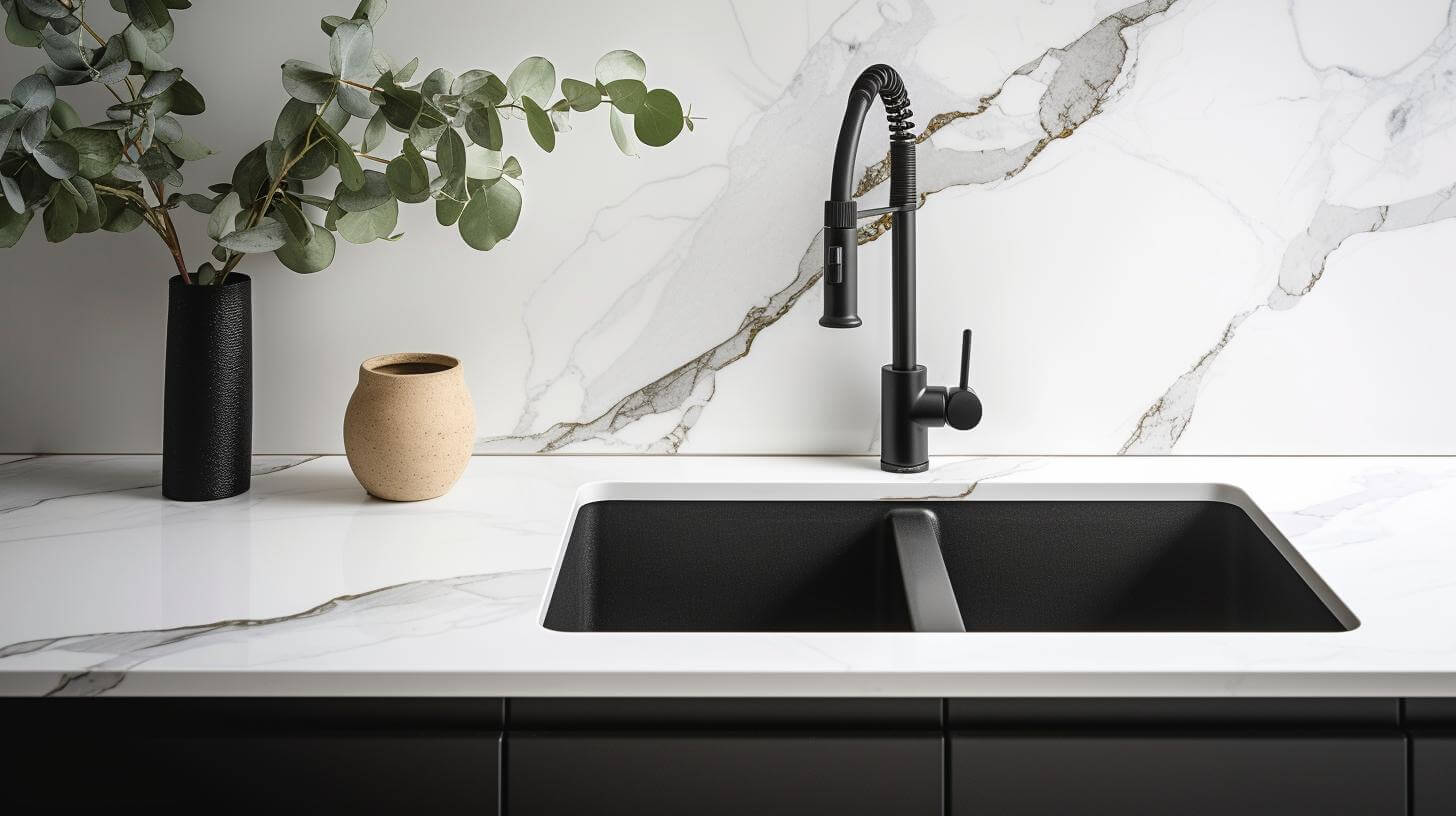
Style and ease of use influence your choice. Drop-in sinks show a rim, which some find classic. They often come in many shapes and finishes. Undermount sinks hide the edges for a modern feel. Cleaning is easier since crumbs drop straight in. Choose the style that fits your taste and cleaning habits.
Credit: www.ruvati.com
Frequently Asked Questions
What Is The Main Difference Between Drop-in And Undermount Sinks?
Drop-in sinks sit on top of the counter with a visible rim. Undermount sinks are installed below the countertop, creating a seamless look. This affects cleaning ease and countertop choice.
Which Sink Type Is Easier To Install, Drop-in Or Undermount?
Drop-in sinks are generally easier and quicker to install. Undermount sinks require professional installation and precise countertop support. Installation complexity depends on countertop material.
Are Drop-Inn Sinks Or Undermount Sinks Better For Cleaning?
Undermount sinks are easier to clean since debris can be wiped directly into the sink. Drop-in sinks have a rim that traps dirt and requires extra cleaning.
Can I Install An Undermount Sink On Any Countertop?
Undermount sinks require solid, non-porous countertops like granite or quartz. They are not recommended for laminate or wood countertops, which lack adequate support.
Conclusion
Choosing between drop-in and undermount sinks depends on your kitchen style. Drop-in sinks are easier to install and fit many countertops. Undermount sinks offer a sleek look and easy cleaning, but need more work to install. Consider your budget, countertop type, and how you use your sink.
Both types have strengths that suit different needs. Think about what fits your kitchen best before deciding. This helps you enjoy your kitchen sink for years.