
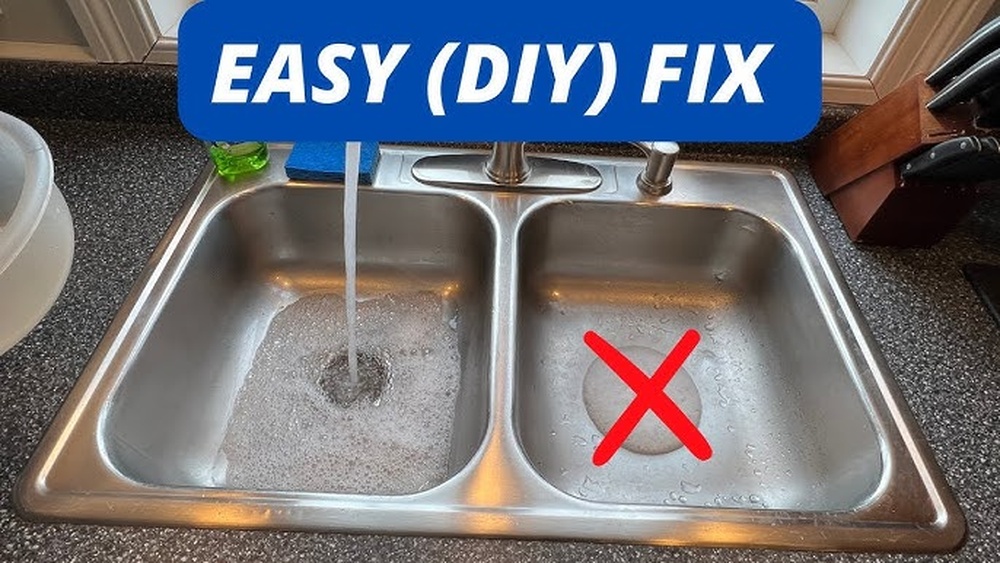
Is your kitchen sink taking forever to drain? A slow draining sink can turn simple tasks into frustrating chores.
You might be wondering why this happens and how to fix it quickly without calling a plumber. The good news is, you can solve this problem yourself with a few easy steps. Keep reading to discover simple, effective ways to get your sink draining smoothly again—saving you time, money, and stress.
Contents
Common Causes Of Slow Drain
Slow draining in a kitchen sink is a common annoyance. It can make washing dishes frustrating and slow down your daily routine. Understanding the common causes helps fix the problem quickly. Many factors can block the flow of water, leading to slow drainage. Knowing these causes helps you take the right action.
Clogged Drain Pipes
Drain pipes often get clogged with debris. Hair, soap scum, and dirt stick inside the pipes. Over time, this build-up reduces water flow. Small clogs grow bigger and slow down the drain. Clearing these clogs restores proper drainage.
Grease Build-up
Grease from cooking can block pipes easily. Hot grease might seem liquid but cools and hardens inside pipes. This hardened grease traps food bits and debris. It narrows the pipe opening and slows water flow. Avoid pouring grease down the drain to prevent this.
Food Particles And Debris
Food scraps often go down the drain during washing. Large pieces or sticky food get stuck in the drain trap. Over time, these build-up and block water flow. Using a drain strainer helps catch food before it enters the pipes.
Vent Pipe Blockages
Vent pipes allow air into the plumbing system. They help water flow smoothly by preventing vacuum pressure. Leaves, nests, or debris can block these vents. Blocked vents cause slow drainage and gurgling sounds. Clearing the vent pipe improves drainage speed.
Credit: www.homedepot.com
Tools You’ll Need
Fixing a slow draining kitchen sink requires a few simple tools. These tools help clear clogs and clean the pipes. Having the right tools saves time and effort. Below are the main tools you will need.
Plunger
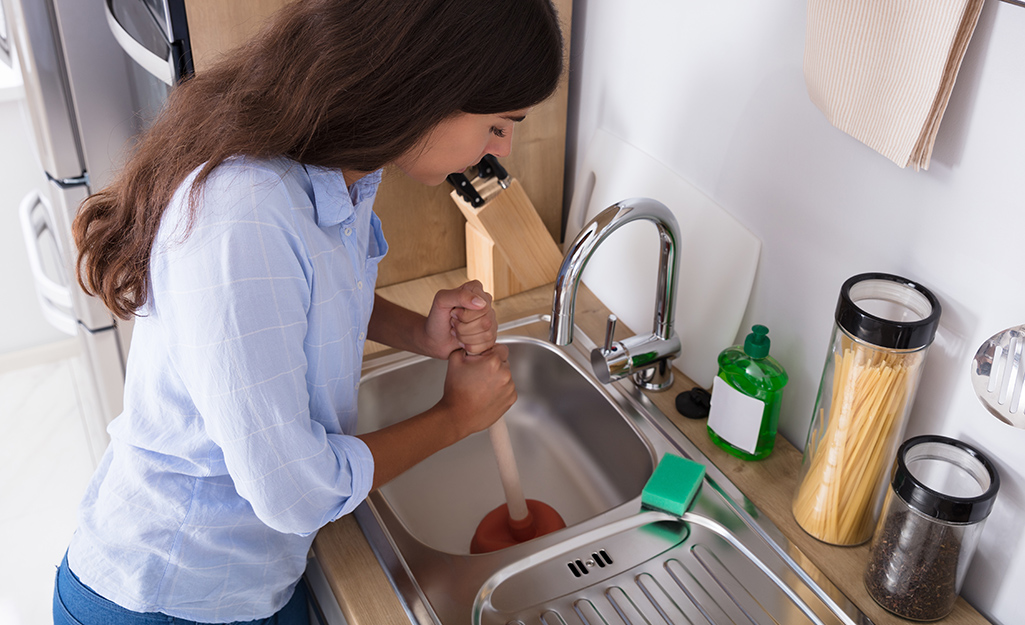
A plunger is a basic tool that creates suction to remove blockages. It helps push or pull debris stuck in the drain. Use a sink plunger, smaller than a toilet plunger. Make sure to cover the drain fully for best results.
Drain Snake
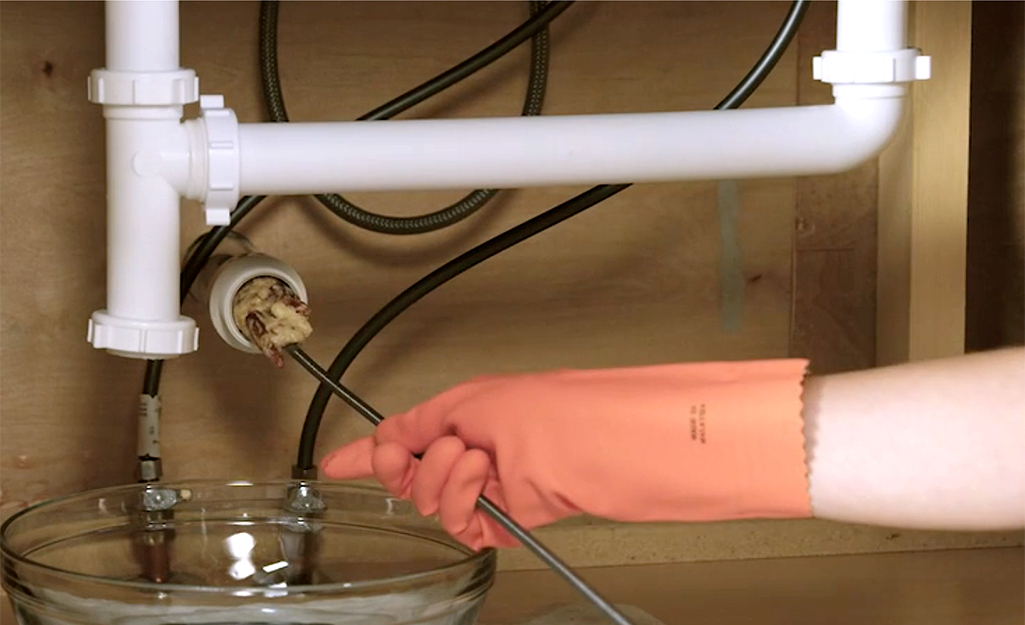
A drain snake is a flexible wire tool that reaches deep inside pipes. It breaks up tough clogs and pulls out trapped debris. Snakes come in manual or powered versions. They are very effective for stubborn blockages.
Baking Soda And Vinegar
Baking soda and vinegar form a natural cleaning duo. Pour baking soda down the drain first, then add vinegar. The fizzing action helps dissolve grease and grime. This method is safe and eco-friendly for clearing minor clogs.
Bucket And Wrench
A bucket and wrench are useful for removing the sink trap. The bucket catches water that drains out. The wrench loosens the nuts holding the pipes together. This allows you to clean the trap and remove debris manually.
Quick Fixes To Try First
Slow-draining kitchen sinks cause frustration during daily chores. Many blockages come from food scraps and grease buildup. Quick fixes can clear minor clogs and speed drainage. These easy steps use common household items. They save time and avoid costly plumber visits. Try these simple methods first to see fast results.
Boiling Water Flush
Boil a large pot of water. Carefully pour the water down the drain in stages. This helps dissolve grease and soap buildup. Repeat twice for a better effect. Avoid this method if your pipes are PVC. Hot water may soften plastic pipes.
Plunging The Sink
Use a sink plunger to force out clogs. Fill the sink with enough water to cover the plunger cup. Push the plunger up and down quickly several times. Lift the plunger to see if water drains faster. Repeat as needed. Plunging loosens debris blocking the drain.
Using Baking Soda And Vinegar
Pour half a cup of baking soda into the drain. Add half a cup of white vinegar next. Let the mixture fizz and sit for 15 minutes. Flush the drain with hot water to clear loosened debris. This natural method breaks down buildup without harsh chemicals.
Clearing The P-trap
Place a bucket under the sink’s P-trap pipe. Unscrew the trap carefully to avoid spills. Remove trapped food and gunk inside. Clean the trap with a brush or cloth. Reassemble the pipe tightly before testing the drain. Clearing the P-trap removes common blockages directly.

Credit: www.youtube.com
Deep Cleaning Methods
Deep cleaning your kitchen sink drain can solve slow-draining issues effectively. Dirt, grease, and food particles build up inside the pipes. Removing these blockages clears the way for water to flow freely. A few simple tools and methods can restore your sink’s function quickly.
Removing And Cleaning The Drain Stopper
Start by taking out the drain stopper. It often traps hair and food debris. Pull the stopper up and twist to remove it. Clean it thoroughly using a brush and warm, soapy water. Check the drain opening for any visible gunk and wipe it clean. Putting the stopper back after cleaning improves water flow.
Using A Drain Snake Effectively
A drain snake is a flexible tool that reaches deep into pipes. Insert the snake slowly into the drain. Turn the handle to catch blockages inside the pipe. Pull out the snake to remove the trapped debris. Repeat this process until water flows smoothly. This tool works well for tough clogs beyond the stopper.
Chemical Drain Cleaners: Pros And Cons
Chemical cleaners dissolve grease and organic matter quickly. They can clear minor clogs fast. Use only as directed to avoid pipe damage. Chemicals may harm the environment and irritate the skin. Frequent use can weaken plumbing over time. Choose safer, natural cleaning alternatives when possible.
Preventing Future Clogs
Preventing future clogs in your kitchen sink saves time and stress. Small actions can stop big problems. Use smart habits and tools to keep water flowing smoothly.
Proper Waste Disposal Habits
Throw food scraps in the trash, not down the drain. Avoid pouring grease or oil into the sink. These substances harden and block pipes. Use a compost bin for organic waste. Run cold water while using the garbage disposal. This helps flush debris through the pipes.
Regular Maintenance Tips
Clean your sink drain regularly to avoid buildup. Pour a mixture of baking soda and vinegar down the drain monthly. Let it sit for 15 minutes, then flush with hot water. Use a plunger or drain snake for minor blockages. Check pipes under the sink for leaks or damage. Early fixes prevent bigger clogs later.
Installing A Sink Strainer
A sink strainer catches food and debris before they enter pipes. Choose one that fits your sink drain snugly. Empty the strainer after each use to keep water flowing. This simple tool reduces the chance of clogs and saves you from messy cleanups.
Credit: www.homedepot.com
When To Call A Professional
Knowing when to call a professional for a slow draining kitchen sink saves time and stress. Some problems need expert help. Trying to fix complex issues alone can cause more damage. Recognizing the signs helps you decide the right time to get a plumber.
Persistent Drain Issues
Sometimes, clogs return quickly after cleaning. If your sink drains slowly again in a few days, the problem runs deeper. DIY fixes may only clear surface blockages. Persistent issues need a professional’s tools and skills. They can find hidden clogs and remove them safely.
Signs Of Pipe Damage
Leaks, strange smells, or wet spots under the sink show pipe damage. Cracked or rusted pipes cause slow drainage and water waste. These problems worsen over time and can lead to bigger repairs. A plumber can inspect and replace damaged pipes. Avoid water damage and costly repairs by acting fast.
Complex Plumbing Problems
Old plumbing systems or unusual layouts can cause slow drains. Problems like vent blockages or deep sewer line issues require expert knowledge. Professionals use special cameras and tools to diagnose these problems. They fix complicated issues that simple methods cannot handle. Calling a plumber avoids unnecessary damage and ensures a proper fix.
Frequently Asked Questions
Why Is My Kitchen Sink Draining Slowly?
A slow-draining sink usually means a clog in the pipes. Food particles, grease, or soap buildup often block the drain. Regular cleaning and avoiding pouring grease down the sink help prevent clogs. Using a plunger or drain snake can also clear minor blockages effectively.
How Can I Clear A Clogged Kitchen Sink Drain?
To clear a clog, first remove visible debris from the drain opening. Use a plunger to create suction and dislodge blockages. For tougher clogs, a drain snake or a mixture of baking soda and vinegar helps break down buildup safely without chemicals.
Can Baking Soda And Vinegar Fix Slow Drains?
Yes, baking soda and vinegar create a natural reaction that helps dissolve grease and debris. Pour half a cup of baking soda followed by half a cup of vinegar down the drain. Let it sit for 15 minutes, then flush with hot water to clear slow drains.
When Should I Call A Plumber For A Slow Drain?
Call a plumber if the sink remains slow after DIY fixes or if multiple drains are affected. Persistent slow drainage may indicate deep pipe clogs or plumbing issues. Professional help ensures a thorough inspection and safe, long-term solutions.
Conclusion
A slow-draining kitchen sink can cause daily hassle and frustration. Clearing clogs and cleaning pipes often helps fix the issue quickly. Regular sink maintenance keeps water flowing smoothly and prevents blockages. Small actions like avoiding grease down the drain make a big difference.
Taking care of your sink saves time and money in the long run. Keep these tips in mind to enjoy a faster, cleaner kitchen sink every day. Simple steps can bring great results.