

Have you ever wondered what happens beneath your kitchen sink every time you turn on the tap? Understanding how kitchen sink plumbing works can save you time, money, and frustration.
Whether you’re dealing with slow drainage, strange noises, or planning a DIY repair, knowing the basics gives you control over your home’s most used workspace. You’ll discover simple explanations of your sink’s plumbing system, so you can spot problems early and keep everything running smoothly.
Ready to become your own plumbing expert? Let’s dive in!
Credit: www.youtube.com
Contents
Kitchen Sink Components
The kitchen sink has several important parts. Each part plays a role in making water flow and waste go away. Understanding these parts helps you know how your sink works.
These components work together to give you clean water and proper drainage. Knowing them can help with small repairs or choosing the right sink.
Faucet And Handles
The faucet controls water flow. It mixes hot and cold water for the right temperature. Handles turn the water on or off. Some sinks have one handle; others have two. The faucet also directs water into the sink basin.
Drain Assembly
The drain assembly lets water leave the sink. It includes the drain hole, stopper, and flange. The stopper can open or close to hold water. The flange connects the drain to the sink. This part guides water down to the pipes.
Trap And Pipes
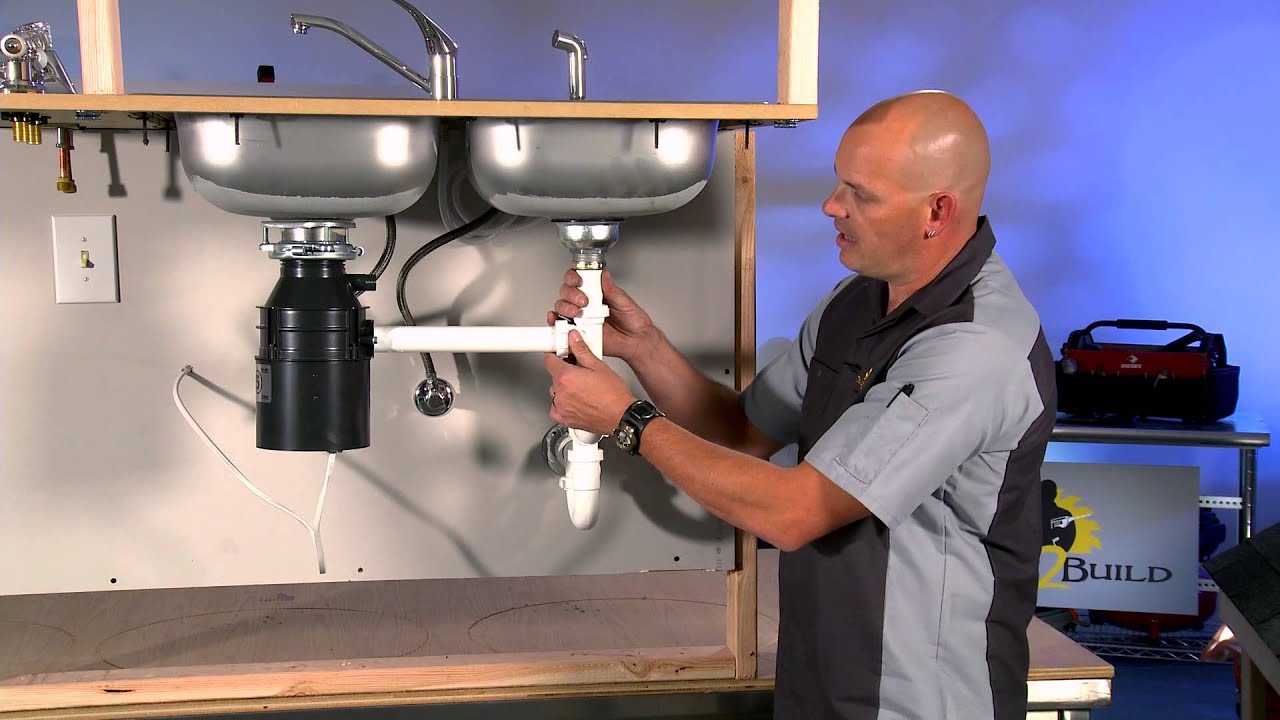
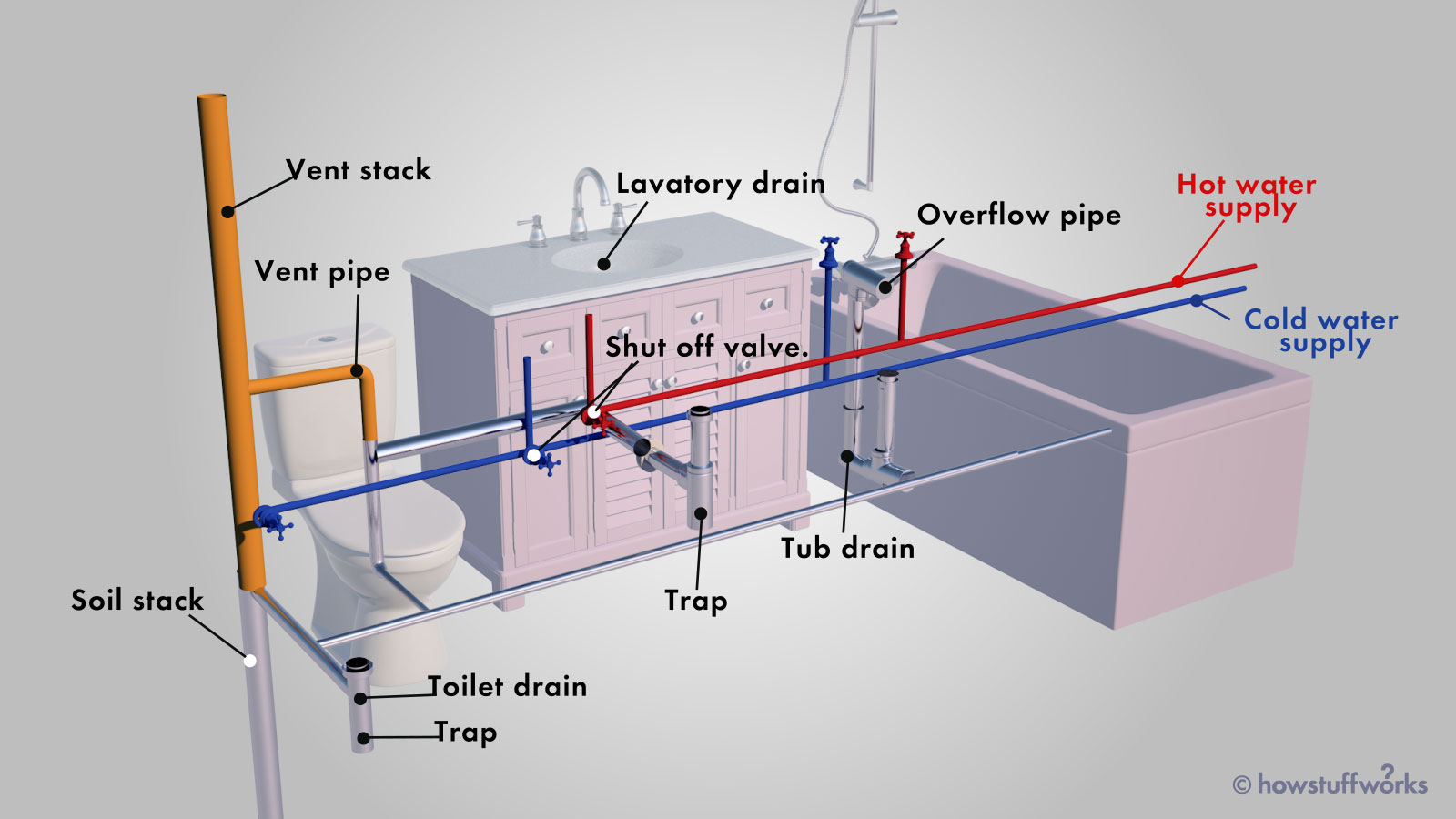
The trap is a curved pipe under the sink. It keeps bad smells from coming back up. The trap holds some water to block sewer gases. Pipes connect the trap to the home’s drainage system. They carry waste water safely away.
Credit: home.howstuffworks.com
Water Supply System
The water supply system is a key part of how kitchen sink plumbing works. It brings water from the main pipes into your sink. This system controls the flow of both cold and hot water. Every part must work well to keep water moving smoothly and safely.
Cold And Hot Water Lines
Cold and hot water lines are two separate pipes. One pipe carries cold water straight from the main supply. The other pipe delivers hot water from your water heater. Both pipes connect to your kitchen sink faucet. They allow you to control water temperature easily.
Shutoff Valves
Shutoff valves are small devices on each water line. They let you stop the water flow to the sink. This helps during repairs or emergencies. You can turn off only the sink water without affecting the whole house. Shutoff valves are usually under the sink for easy access.
Supply Connectors
Supply connectors link the shutoff valves to the faucet. They are flexible tubes made of metal or plastic. These connectors carry water safely and prevent leaks. Good connectors fit tightly and last for many years. They keep the water moving from the pipes to your faucet smoothly.
Drainage Process
The drainage process in the kitchen sink plumbing moves wastewater safely out of your home. It removes dirty water from the sink and sends it into the sewer system. This process stops bad smells and keeps your kitchen clean. The system has parts that work together to drain water quickly and prevent clogs.
Drain Pipe Layout
The drain pipe layout connects the sink to the home’s main drain line. Pipes slope downward to help water flow by gravity. They are usually made of PVC or metal. Proper layout avoids water backup and leaks. Pipes must be the right size for fast drainage.
P-trap Function
The P-trap is a curved pipe under the sink. It holds a small amount of water. This water blocks sewer gases from entering the kitchen. The P-trap also catches small debris to prevent clogs. It is easy to remove for cleaning or repairs.
Vent System Role
The vent system lets air enter the pipes. It balances air pressure in the drainage system. This helps water flow smoothly through the pipes. Vents prevent water from being sucked out of the P-trap. Without vents, drains would drain slowly or make gurgling sounds.

Credit: www.youtube.com
Common Plumbing Issues
Kitchen sink plumbing can face many common issues. These problems can cause inconvenience and damage. Knowing these issues helps in quick fixes and prevents bigger troubles.
Leaks And Drips
Leaks often happen at pipe joints or under the sink. Drips waste water and raise bills. They may cause water stains or mold growth. Tightening connections or replacing washers can stop leaks.
Clogs And Blockages
Clogs occur when food, grease, or debris block pipes. Blockages slow water flow and cause backups. Avoid pouring grease down the drain. Use strainers to catch food scraps and clean regularly.
Slow Drainage
Slow drainage happens due to partial blockages or pipe buildup. Water takes longer to leave the sink. This can lead to bad smells or overflow. Regular cleaning and using drain cleaners help maintain flow.
Maintenance Tips
Keeping your kitchen sink plumbing in good shape helps avoid many problems. Regular care can stop clogs and leaks. It saves time and money on repairs.
Here are some simple maintenance tips. Follow these to keep your sink plumbing working well every day.
Regular Cleaning
Clean the sink and drain often. Remove food scraps and grease that can block pipes. Use a mild cleaner or baking soda with vinegar. Avoid harsh chemicals that damage pipes. Run hot water after cleaning to clear debris.
Leak Prevention
Check under the sink for water drops or stains. Tighten loose connections gently with a wrench. Replace worn-out washers or seals quickly. Watch for slow drips that waste water. Fix small leaks early to stop bigger problems.
When To Call A Plumber
Call a plumber if the sink drains very slowly or not at all. Strange noises or smells are warning signs. Leaks that you cannot fix need professional help. If water pools under the sink, don’t wait. A plumber has the tools to solve tough issues safely.
Frequently Asked Questions
How Does Kitchen Sink Plumbing Prevent Clogs?
Kitchen sink plumbing uses a trap to catch debris before it reaches the drainpipe. This prevents clogs by blocking solid particles. Regular cleaning of the trap and drain helps maintain smooth water flow and avoid blockages.
What Materials Are Used In Kitchen Sink Plumbing?
Common materials include PVC, ABS plastic, copper, and stainless steel. PVC and ABS are popular for drainage due to their durability and corrosion resistance. Copper and stainless steel are used for water supply lines because of their strength and longevity.
How Does The Kitchen Sink Drain Connect To The Main Sewer?
The sink drain connects via a P-trap to a branch drain pipe. This pipe leads to the home’s main sewer line. The design ensures wastewater flows out efficiently while preventing sewer gases from entering the home.
Why Is A P-trap Important In Kitchen Plumbing?
A P-trap holds water to create a seal that blocks sewer gases. It also traps food debris and prevents it from clogging the main drain. This makes it a crucial component for hygiene and proper plumbing function.
Conclusion
Understanding how kitchen sink plumbing works helps you spot problems early. Pipes carry water in and drain it out smoothly. The trap stops bad smells from coming back up. Clean and clear pipes keep water flowing well. Small leaks or clogs can cause big issues over time.
Regular checks save time and money later. Knowing these basics makes plumbing less confusing. You can keep your kitchen sink working right every day. Simple care goes a long way in avoiding plumbing troubles.