

Have you ever stopped to think about how long your kitchen sink will last? Your kitchen sink is one of the most used fixtures in your home, yet many people don’t consider its lifespan until a problem arises.
Knowing how long a kitchen sink typically lasts can help you plan for repairs or replacements before unexpected leaks or damages occur. You’ll discover the key factors that affect your sink’s durability and learn how to make your kitchen sink last as long as possible.
Keep reading to protect your investment and avoid costly surprises down the road.
Contents
Factors Affecting Sink Lifespan
The lifespan of a kitchen sink depends on several important factors. These elements affect how long your sink will stay functional and look good. Understanding these factors helps you choose and care for your sink better. Here are the key points that influence sink durability and performance.
Material Type
The type of material plays a big role in sink lifespan. Stainless steel sinks resist rust and stains. Porcelain sinks can chip or crack over time. Granite composite sinks offer strong resistance to scratches. Each material has its own strengths and weaknesses. Choose a material that fits your needs and style.
Usage Frequency
Sinks used often wear out faster. Daily heavy use causes more scratches and stains. A sink in a busy kitchen lasts less than one in a guest bathroom. The more you use your sink, the more care it needs. Light use can extend its life significantly.
Maintenance Habits
Cleaning and care affect sink lifespan greatly. Regular cleaning prevents build-up and damage. Avoid harsh chemicals that can harm the surface. Wipe spills quickly to avoid stains. Proper maintenance keeps the sink looking new and working well.
Water Quality Impact
Water quality affects sink durability. Hard water causes mineral deposits that can stain or corrode. Soft water is gentler on sink materials. Using a water softener can protect your sink from damage. Check your water quality to understand its effect on your sink.
Credit: blog.abchomeandcommercial.com
Common Sink Materials
Kitchen sinks come in many materials. Each type has its own strength and lifespan. Knowing these helps you choose a sink that lasts long and fits your style.
Stainless Steel
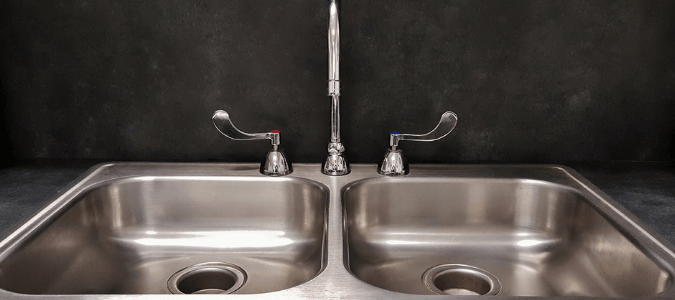
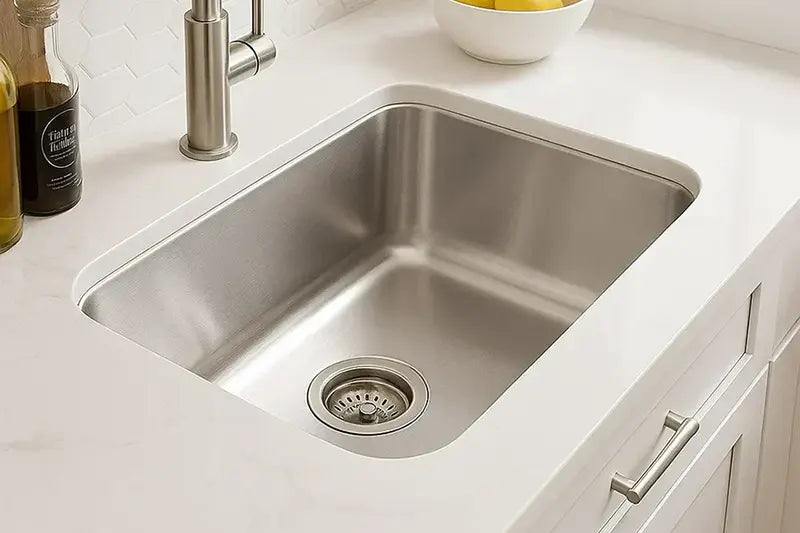
Stainless steel sinks are common and affordable. They resist rust and stains well. These sinks usually last 15 to 30 years. They handle heat and impacts without damage. Noise can be a downside, but many have soundproofing pads.
Porcelain
Porcelain sinks look classic and clean. They have a smooth, glossy surface. These sinks may chip or crack over time. Lifespan ranges from 20 to 30 years. They need gentle cleaning to avoid scratches.
Composite Granite
Composite granite sinks blend crushed stone with resin. They resist scratches and stains strongly. These sinks last about 20 to 25 years. They feel solid and modern in the kitchen. Colors stay vibrant without fading.
Cast Iron
Cast iron sinks have a thick enamel coating. They are heavy but very durable. Lifespan can be 25 to 50 years with care. They resist chips but can crack if hit hard. Cleaning regularly keeps the shine bright.
Fireclay
Fireclay sinks are molded from clay and fired at high heat. They offer a tough, glossy finish. These sinks last 30 years or more. They resist scratches and stains well. Avoid dropping heavy items to prevent cracks.
Expected Lifespan By Material
The lifespan of a kitchen sink depends greatly on the material it is made from. Different materials wear down at different rates. Knowing how long each type lasts helps in choosing the right sink for your kitchen. This guide breaks down the expected life of popular sink materials. It also explains their durability and care needs.
Durability Of Stainless Steel
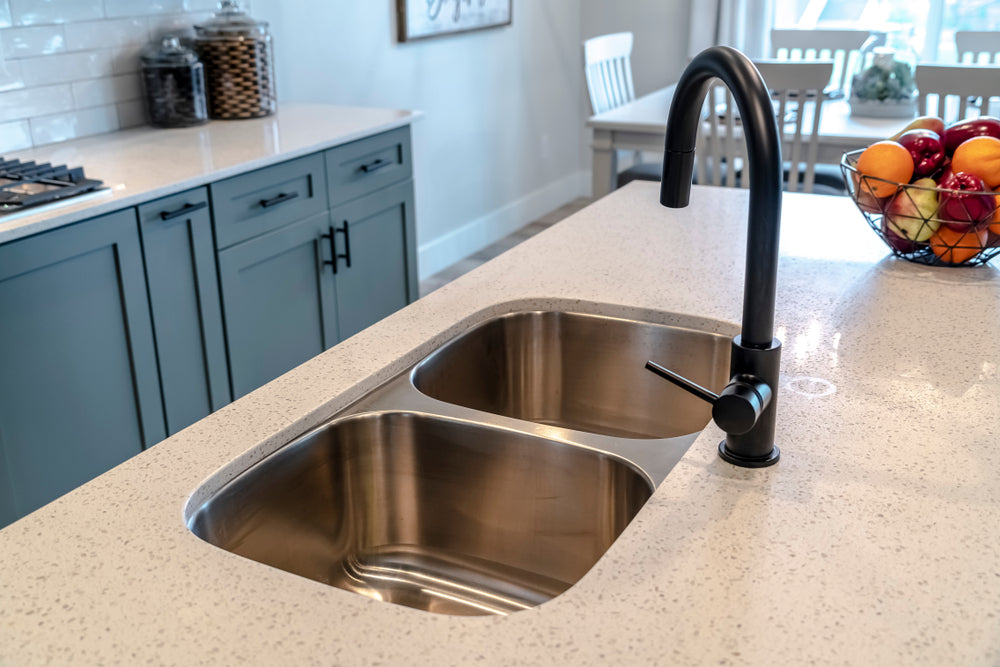
Stainless steel sinks are very popular. They usually last 15 to 30 years. This depends on the thickness of the steel. Thicker steel means a stronger sink. Stainless steel resists rust and stains well. It handles heat and impacts without damage. Scratches can happen, but do not affect function. Regular cleaning keeps the sink looking good.
Longevity Of Porcelain
Porcelain sinks can last 20 years or more. They have a smooth, shiny surface. Porcelain is prone to chipping and cracking. Heavy impacts can damage the sink easily. Avoid dropping hard objects in it. Porcelain sinks need gentle cleaning to prevent wear. They look classic but require careful use.
Composite Granite Lifespan
Composite granite sinks last about 20 to 25 years. They are made from crushed stone and resin. This mix makes them very strong. Composite sinks resist scratches, chips, and heat well. They stay looking new with simple cleaning. Their weight means they need solid support. These sinks combine durability with style.
Cast Iron Durability
Cast iron sinks coated with enamel last 20 to 40 years. They are very heavy and strong. The enamel finish protects against stains and scratches. Chipping can expose the iron underneath. This may cause rust if not treated. Cast iron sinks keep their shine with regular care. They add a vintage touch to kitchens.
Fireclay Durability
Fireclay sinks last 25 to 30 years or longer. They are made from fired clay and glaze. Fireclay is very hard and chip-resistant. It can handle hot pots and pans safely. The smooth surface resists stains and scratches. Fireclay sinks need careful cleaning to avoid damage. They offer a clean, bright look for many years.
Credit: www.wallplanks.com
Signs Your Sink Needs Replacement
Knowing when to replace your kitchen sink can save time and money. Some signs show the sink no longer works well or looks bad. These signs affect your kitchen’s hygiene and style. Watch for visible damage, stains, leaks, and smells. These clues mean it might be time for a new sink.
Visible Cracks And Chips
Cracks and chips on your sink surface are clear signs of wear. These damages can grow bigger over time. They make cleaning harder and can trap dirt. Cracks may lead to leaks or water damage. If you see these, consider replacing the sink soon.
Persistent Stains And Discoloration
Stains that do not go away with cleaning show the sink is aging. Discoloration changes the sink’s look and feel. It may also mean damage to the sink’s material. Stains can make your kitchen look old and dirty. A new sink brings a fresh, clean look.
Leaks And Water Damage
Leaks under or around the sink cause water damage to cabinets and floors. Water damage can lead to mold and wood rot. Even small leaks waste water and raise bills. If you notice leaks, check the sink and plumbing. Persistent leaks often mean the sink or pipes need replacing.
Foul Odors And Mold Growth
Bad smells near the sink suggest mold or bacteria growth. Mold grows in damp, dark places like under the sink. It can cause health problems and damage kitchen areas. Clean smells quickly fade, but strong odors do not. If mold keeps coming back, it’s time for a new sink.
Maintenance Tips To Extend Sink Life
Keeping a kitchen sink in good shape helps it last longer. Simple care steps protect your sink from damage and wear. These tips save money and keep your sink looking nice.
Regular Cleaning Practices
Clean the sink daily with mild soap and water. Use a soft cloth or sponge to avoid scratches. Rinse well to remove soap residue. Dry the sink after washing to stop water spots. Regular cleaning stops stains and buildup.
Avoiding Harsh Chemicals
Strong chemicals can harm sink surfaces. Avoid bleach, drain cleaners, and abrasive powders. Use natural cleaners like baking soda and vinegar instead. Test any cleaner on a small area first. Gentle products keep the sink’s finish safe.
Preventing Scratches And Dents
Use a sink grid or mat to protect the bottom. Avoid dropping heavy pots or utensils inside. Cut food on a cutting board, not in the sink. Handle sharp tools carefully around the sink. These steps reduce dents and scratches.
Timely Repairs And Sealant Use
Fix leaks and cracks quickly to prevent damage. Apply sealant around the edges to stop water seepage. Replace worn-out seals or caulk yearly. Prompt repairs extend the sink’s life and keep it working well.
When To Upgrade Your Kitchen Sink
Knowing the right time to upgrade your kitchen sink helps keep your kitchen functional and stylish. A kitchen sink can last many years, but signs may show it needs replacement. Damage, stains, or outdated style can affect your kitchen’s look and use. Upgrading offers chances to improve your kitchen’s design and efficiency.
Modern Design Benefits
New sinks come in fresh designs that fit modern kitchens. Sleek shapes and colors can match your cabinets and counters. A stylish sink makes your kitchen look clean and inviting. Changing your sink can update the whole kitchen’s feel without a full remodel.
Improved Functionality
Older sinks may lack features that make kitchen tasks easier. New models often have deeper basins and better drainage. Some include accessories like cutting boards or drying racks. These features save time and make cooking less messy.
Energy And Water Efficiency
Modern sinks often work well with water-saving faucets and fixtures. This reduces water use and lowers your bills. Efficient sinks help protect the environment by saving resources. Upgrading can make your kitchen greener and cheaper to run.
Enhancing Home Value
A new kitchen sink adds value to your home. Buyers notice updated kitchens and better functionality. It shows that the home is well cared for. A fresh sink can make your home easier to sell in the future.
Credit: allorausa.com
Frequently Asked Questions
How Long Does A Stainless Steel Kitchen Sink Last?
A stainless steel kitchen sink typically lasts 15 to 30 years. Its durability depends on maintenance and usage. Regular cleaning prevents rust and damage, extending its lifespan.
What Factors Affect A Kitchen Sink’s Lifespan?
Material quality, frequency of use, and maintenance impact a sink’s lifespan. Harsh chemicals and heavy impacts reduce durability. Proper care can significantly extend how long your kitchen sink lasts.
When Should You Replace A Kitchen Sink?
Replace your kitchen sink if it has cracks, leaks, or severe stains. Frequent clogging or rust spots also indicate replacement time. Upgrading improves kitchen hygiene and functionality.
Does Sink Installation Affect Its Longevity?
Yes, proper installation ensures better durability and prevents leaks. Poor installation can cause premature damage and reduce a kitchen sink’s lifespan. Always hire professionals for installation.
Conclusion
A kitchen sink can last many years with proper care. Materials like stainless steel or granite affect its lifespan. Regular cleaning helps avoid stains and damage. Fix leaks quickly to prevent bigger problems. Changing the faucet can refresh your sink’s look.
Remember, a well-maintained sink saves money in the long run. Choose quality when buying to ensure durability. A good sink makes kitchen work easier every day. Keep an eye on wear and replace parts as needed. Your kitchen sink should serve you well for a long time.