

Are you tired of that old, dripping kitchen sink faucet? Changing it might seem tricky, but it’s easier than you think.
Imagine having a shiny new faucet that works perfectly and makes your kitchen look fresh. In this guide, you’ll learn simple steps to replace your faucet quickly and without stress. By the end, you’ll feel confident tackling the job yourself—and enjoy the satisfaction of a beautiful, functional kitchen upgrade.
Let’s get started!
Credit: www.homedepot.com
Contents
Tools And Materials Needed
Changing a kitchen sink faucet needs the right tools and materials. Having everything ready makes the job easier and faster. This section lists what you need before starting.
Essential Tools
Gather a basin wrench to reach tight spaces under the sink. Use an adjustable wrench for loosening nuts and bolts. A screwdriver set helps remove mounting screws. Pliers are useful for gripping and turning parts. A bucket will catch any water that leaks during the process.
Choosing The Right Faucet
Select a faucet that fits your sink’s holes and style. Check the number of holes in your sink before buying. Decide between single-handle or double-handle faucets. Make sure the faucet’s height and reach suit your sink size. Choose a finish that matches your kitchen décor.
Additional Supplies
Use plumber’s tape to seal threaded connections. Silicone sealant prevents water leaks around the faucet base. Have clean rags to wipe spills and dry surfaces. Keep a flashlight handy to see under the sink clearly. A towel or mat protects your cabinet floor from water damage.
Preparing The Workspace
Preparing the workspace is an important first step before changing your kitchen sink faucet. It helps you work safely and avoid damage. A clean and organized area makes the task easier and faster.
Shutting Off Water Supply
Turn off the water valves under the sink. This stops water flow and prevents leaks. If there are no valves, shut off the main water supply to the house. Test by turning on the faucet to check if the water stops.
Clearing The Area
Remove all items from under the sink and around the workspace. This gives you room to move and keeps things safe. Clear the countertop and sink area, too. A tidy space reduces distractions and accidents.
Protecting Cabinets And Surfaces
Place a towel or plastic sheet inside the cabinet. This protects wood and paint from water and scratches. Cover the countertop near the sink to avoid damage. Use painter’s tape to secure protective covers in place.
Removing The Old Faucet
Removing the old kitchen sink faucet is the first step in installing a new one. This task requires care and some basic tools. Follow the steps below to take out your old faucet safely and cleanly.
Disconnecting Water Lines
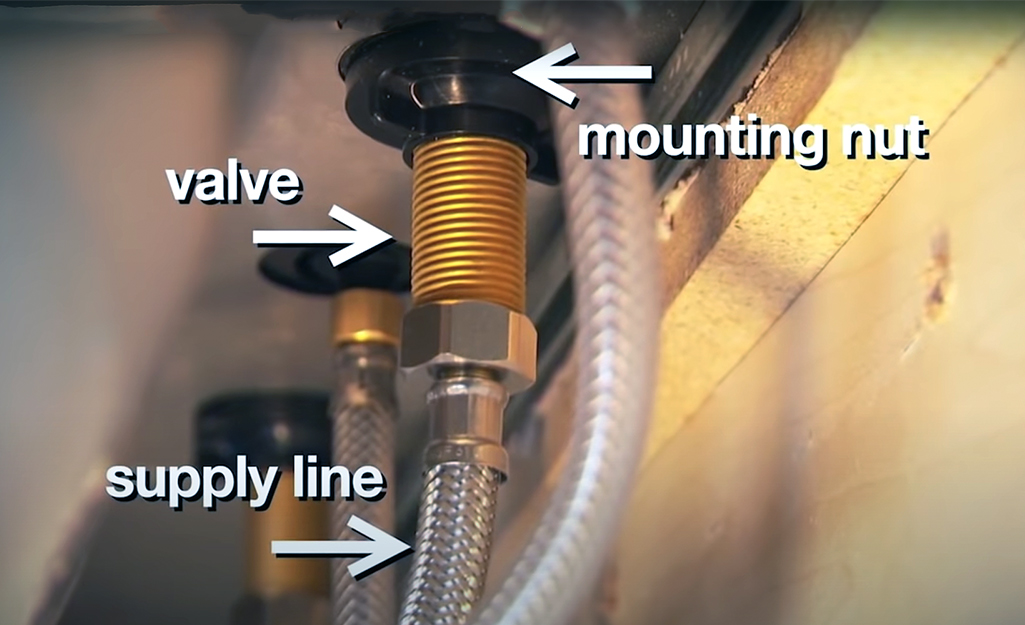
Start by turning off the water supply under the sink. Use a wrench to loosen the nuts on the water lines. Carefully pull the water lines away from the faucet. Have a small bucket ready to catch any water left in the pipes.
Unscrewing Mounting Nuts
Look under the sink for the mounting nuts holding the faucet. Use a basin wrench or adjustable wrench to loosen these nuts. Turn the nuts counterclockwise to unscrew them. Remove all nuts to free the faucet from the sink.
Lifting Out The Faucet
Once the nuts are off, gently lift the faucet from the sink surface. Wiggle it slightly if it feels stuck. Clean the sink area to remove old sealant or grime. Your old faucet is now ready to be replaced.
Installing The New Faucet
Installing the new faucet is the next step after removing the old one. This part needs care and focus. A well-installed faucet works without leaks and lasts a long time. Follow each step carefully to ensure a smooth setup.
Positioning The Faucet
Place the new faucet in the sink holes. Make sure it fits well and sits flat. Check the faucet’s orientation so the handles face the right way. Hold it steady while preparing to secure it.
Securing Mounting Hardware
Under the sink, attach the mounting hardware to hold the faucet tight. Use the nuts or brackets that come with your faucet. Tighten them by hand first, then with a wrench. Avoid over-tightening to prevent damage.
Connecting Water Lines
Attach the water supply lines to the faucet’s connectors. Match hot water to the hot side, cold water to the cold side. Use plumber’s tape on threads for a better seal. Tighten the connections with a wrench, but keep them snug, not too tight.
Testing And Final Adjustments
After installing your new kitchen sink faucet, the next step is testing and making final adjustments. This ensures the faucet works well and does not leak. Proper testing helps avoid water damage and keeps your kitchen safe.
Turning On the Water Supply
Start by turning on the water supply valves under the sink. Turn them slowly to prevent pressure shocks. Watch for water flow from the faucet. Check both hot and cold water to confirm they work.
Checking For Leaks
Look carefully around the faucet base and under the sink. Use a dry cloth to spot any water drops. Tighten connections if you see leaks. Let the water run for a few minutes to check again.
Adjusting Faucet Settings
Test the faucet handle for smooth movement. Adjust the water temperature by mixing hot and cold water. Set the flow rate to your comfort level. Make sure the spray function, if any, works properly.

Credit: www.instructables.com
Troubleshooting Common Issues
Troubleshooting common issues helps keep your kitchen sink faucet working well. Small problems can cause big annoyances. Fixing them early saves time and money. You can handle most issues with simple tools and clear steps.
Here are solutions for three frequent problems: leaks, low water pressure, and loose fixtures.
Fixing Leaks
Leaks often come from worn-out washers or seals. Turn off the water supply before fixing. Remove the faucet handle to check the inside parts. Replace any cracked or damaged washers. Tighten all connections but avoid over-tightening. Test the faucet by turning the water back on. Watch carefully for any drips. Repeat if leaks continue.
Dealing With Low Water Pressure
Low pressure can result from clogged aerators or valves. Unscrew the aerator at the spout’s tip. Clean out any dirt or mineral build-up. Use a small brush or soak it in vinegar. Check the water supply valves under the sink. Make sure they are fully open. Clear any blockages in the pipes if possible. Turn on the faucet and check the flow. Repeat cleaning steps if pressure stays low.
Handling Loose Fixtures
Loose fixtures cause wobbling or noise when using the faucet. Check the mounting nuts under the sink. Tighten nuts with a basin wrench or pliers. Avoid forcing parts to prevent damage. Look for worn washers or gaskets. Replace any that appear cracked or soft. Secure the faucet firmly but gently. Test stability by moving the faucet gently. Tighten more if needed, but be careful.
Credit: www.youtube.com
Frequently Asked Questions
How Do I Remove An Old Kitchen Sink Faucet?
Turn off the water supply first. Disconnect water lines using a wrench. Unscrew mounting nuts under the sink. Carefully lift out the old faucet.
What Tools Are Needed To Change A Kitchen Faucet?
You need an adjustable wrench, basin wrench, screwdriver, plumber’s tape, and bucket. These tools help disconnect and install the faucet easily and securely.
How Long Does It Take To Replace A Kitchen Faucet?
Replacing a kitchen faucet usually takes 30 to 60 minutes. Time varies based on faucet type and your plumbing experience.
Can I Change A Faucet Without A Plumber?
Yes, you can replace a faucet yourself with basic tools. Follow step-by-step instructions carefully to avoid leaks or damage.
Conclusion
Changing a kitchen sink faucet can be simple and quick. Follow each step carefully and take your time. Use the right tools to avoid damage. Check for leaks once finished to ensure a good fit. A new faucet can improve your kitchen’s look and function.
You can do this yourself without calling a plumber. Enjoy your refreshed kitchen space with confidence. Ready to try your own faucet change?