
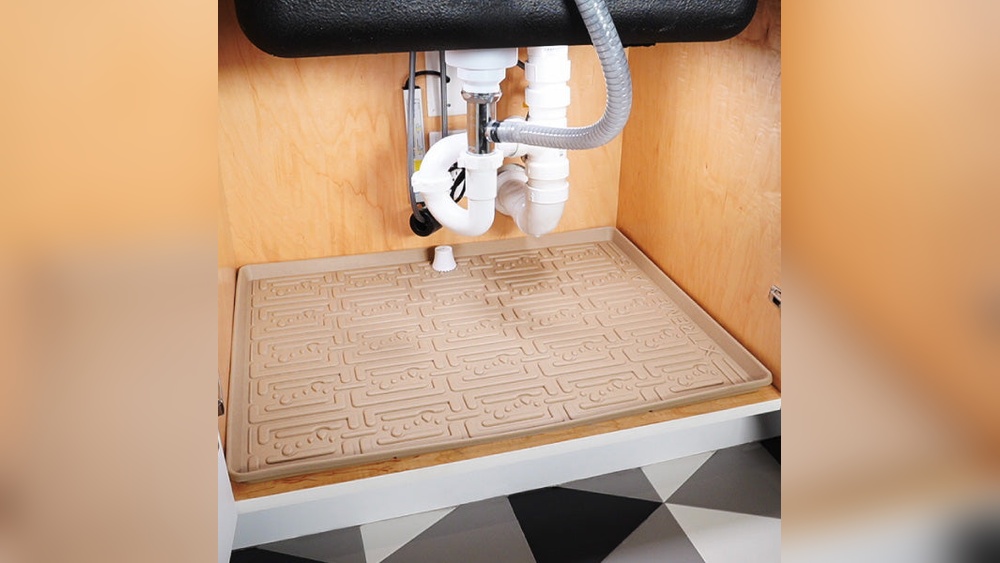
Your kitchen sink mat can be a hidden hotspot for mold and bacteria. If you don’t clean it properly, it can cause unpleasant smells and even affect your health.
But don’t worry—cleaning your sink mat is easier than you think. You’ll learn simple, effective steps to keep your kitchen sink mat fresh and mold-free. By the end, you’ll have a clean, safe space where you can prepare food without worry.
Ready to protect your kitchen and your family? Let’s dive in!

Credit: www.reddit.com
Contents
Choosing The Right Sink Mat
Choosing the right sink mat helps keep your kitchen clean and mold-free. A good mat protects your sink and dishes. It also stops water from building up, which can cause mold. Picking the right mat is key to easy cleaning and long use.
Materials That Resist Mold
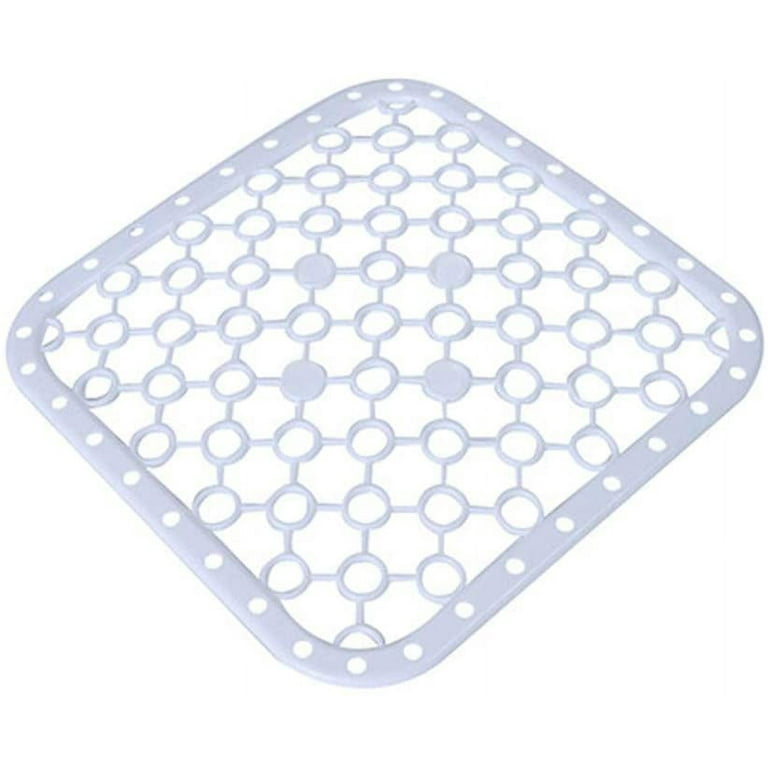
Some materials stop mold better than others. Silicone mats dry quickly and do not hold water. Rubber mats also resist mold , but may need more drying. Plastic mats can trap water, causing mold to grow faster. Choose mats made from silicone or high-quality rubber for less mold risk.
Size And Fit Considerations
Choose a mat that fits your sink well. A mat that is too big or too small can trap water. Water trapped under the mat creates a perfect place for mold. Measure your sink before buying a mat. A good fit lets water drain easily and keeps the area dry.
Daily Maintenance Tips
Keeping kitchen sink mats clean every day stops mold and bad smells. Daily care helps mats last longer and stay fresher. Small habits can make a big difference. Follow simple steps after each use to keep mats dry and clean.
These daily maintenance tips are easy to do. They prevent dirt and moisture buildup. This keeps your kitchen healthy and neat.
Rinsing And Drying After Use
Rinse the mat with warm water after washing dishes. This removes soap and dirt from the surface. Shake off extra water to speed drying. Place the mat in a spot with good air flow. Dry mats do not hold moisture. Mold needs moisture to grow. Keep mats dry to stop mold.
Removing Food Debris Regularly
Check the mat for leftover food bits daily. Use a soft brush or cloth to remove crumbs. Food pieces attract bacteria and mold. Clean mats prevent these problems. Do not let food stay on the mat for long. A quick clean keeps your kitchen safe and clean.
Deep Cleaning Methods
Deep cleaning kitchen sink mats is important for removing dirt and mold. Regular cleaning may not remove all grime. Deep cleaning helps keep mats fresh and safe. These methods use common household items. They are simple and effective.
Using Vinegar And Baking Soda
Sprinkle baking soda over the mat surface. Then spray white vinegar on the baking soda. The mixture will bubble and lift dirt. Let it sit for 10 to 15 minutes. Scrub the mat gently with a soft brush. Rinse well with warm water. This method kills mold and removes odors.
Soaking In Bleach Solution
Fill a basin with water and add bleach. Use one part bleach to ten parts water. Submerge the sink mat fully in the solution. Soak for 5 to 10 minutes only. Remove and rinse thoroughly with water. This kills mold spores and disinfects the mat. Avoid soaking for too long to protect the material.
Dishwasher Cleaning Option
Place the sink mat on the top rack of the dishwasher. Use a normal wash cycle with hot water. Skip detergent to avoid residue on the mat. The dishwasher’s heat and water pressure clean and sanitize. This method is easy and saves time. Ensure your mat is dishwasher safe before using.
Preventing Mold Growth
Mold grows quickly on kitchen sink mats if they stay wet too long. Preventing mold keeps your kitchen cleaner and safer. Simple steps help stop mold before it starts.
Ensuring Proper Ventilation
Airflow helps dry the mat faster. Open windows or use a fan near the sink. Let the mat dry completely after washing. Avoid leaving it in a damp spot.
Frequent Mat Replacement
Old mats trap moisture and mold spores. Replace mats every few months. Regular replacement keeps mold from building up. Choose mats made of quick-dry materials.
Using Antimicrobial Sprays
Antimicrobial sprays kill mold and bacteria on mats. Spray the mat after cleaning and drying it. Use sprays safe for kitchen use. This step reduces mold risk effectively.
Additional Tips For Sink Hygiene
Keeping your kitchen sink clean goes beyond washing the mats. It needs attention in many small ways. These extra steps help stop mold and keep your kitchen fresh.
Cleaning Around The Sink Area
Wipe the sink edges and countertop daily. Use a mild cleaner or soap and water. Dirt and moisture often hide in corners. Clean these spots to stop mold growth. Also, dry the area well after cleaning. This keeps the space fresh and safe.
Avoiding Standing Water
Standing water is a perfect place for mold to grow. Check the sink and mats after use. Remove any water left behind. Use a towel or cloth to dry the sink quickly. This simple habit can stop mold before it starts.
Regular Sink Drain Maintenance
Clean the sink drain often to avoid clogs and bad smells. Pour boiling water down the drain once a week. Baking soda and vinegar work well to clean and freshen. Keep the drain clear to prevent mold and bacteria buildup.
Credit: www.walmart.com

Credit: edelweisshotel.ch
Frequently Asked Questions
How Often Should I Clean Kitchen Sink Mats?
Clean kitchen sink mats at least once a week. Regular cleaning prevents mold buildup and bacterial growth. Frequent washing keeps mats hygienic and odor-free, ensuring a safer kitchen environment.
What Is The Best Way To Remove Mold From Sink Mats?
Use a vinegar and baking soda solution to remove mold. Soak the mat for 10 minutes, scrub gently, then rinse thoroughly. This natural method kills mold without harsh chemicals.
Can IMachine-Wash Kitchen Sink Mats Safely?
Yes, most kitchen sink mats are machine washable. Use cold water and mild detergent on a gentle cycle. Air-dry mats completely to prevent mold and extend their lifespan.
How Do I Prevent Mold Growth On Kitchen Sink Mats?
Dry mats thoroughly after each use to prevent mold. Avoid leaving mats in standing water and clean them weekly. Proper drying and regular cleaning inhibit mold formation effectively.
Conclusion
Cleaning kitchen sink mats regularly keeps your sink fresh and safe. Use mild soap and warm water for best results. Let the mats dry completely before placing them back. Avoid mold by drying mats often and airing out the sink area.
Small steps help keep mold away and maintain hygiene. A clean kitchen sink mat makes daily chores easier and healthier. Simple care routines save time and prevent bad smells. Keep your kitchen safe and clean with these easy tips.