
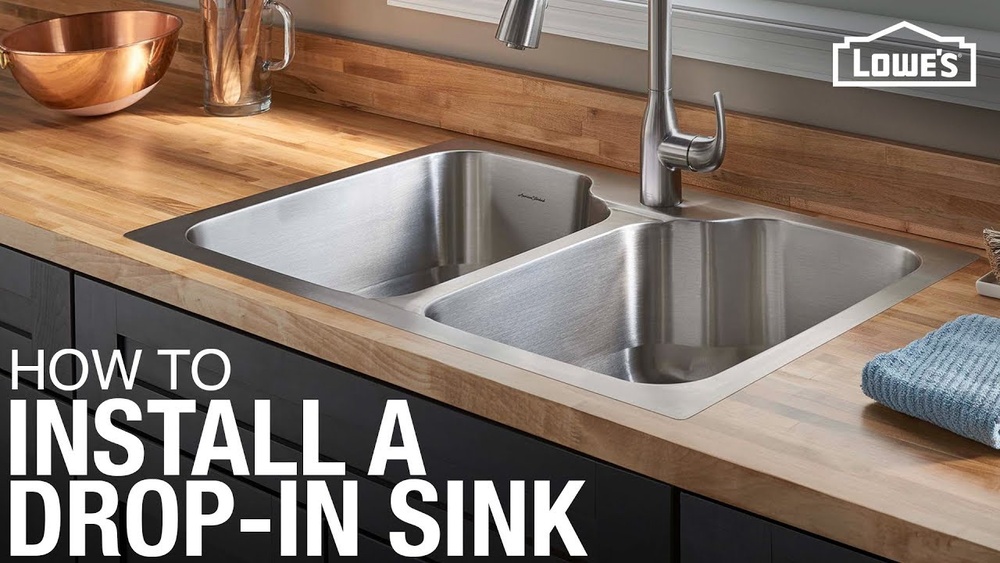
Are you ready to give your kitchen a fresh, new look? Installing a new kitchen sink can instantly upgrade your space and make daily tasks easier.
But the idea of tackling plumbing work might feel overwhelming. Don’t worry—you can do this yourself with the right steps and a little patience. In this guide, you’ll learn exactly how to install a new kitchen sink, even if you’ve never handled tools before.
Keep reading, and by the end, you’ll have the confidence to transform your kitchen with a sink that fits your style and needs perfectly.
Contents
Choosing The Right Sink
Choosing the right kitchen sink is important for both style and function. The sink must fit your kitchen space and daily needs. It affects your cooking and cleaning routines. A well-chosen sink improves your kitchen’s look and makes chores easier. Consider types, materials, and size before buying.
Types Of Kitchen Sinks
Single bowl sinks have one large basin. They are good for washing big pots and pans. Double bowl sinks have two separate basins. One side can be for washing, the other for rinsing. Farmhouse sinks sit partly outside the counter. They add a rustic look and have deep basins. Undermount sinks install under the countertop. They create a smooth surface and are easy to clean.
Materials And Finishes
Stainless steel sinks are common and last long. They resist stains and heat well. Porcelain sinks have a classic, shiny look. They can chip or crack if hit hard. Granite composite sinks are strong and scratch-resistant. They come in various colors to match your kitchen. Cast iron sinks are heavy but very durable. They often have a glossy enamel finish.
Measuring For A Perfect Fit
Measure the width and length of your current sink space. Check the depth of the sink area too. Make sure the new sink fits your countertop cutout. Leave some extra space for installation ease. Measure the distance between faucet holes if needed. Accurate measuring prevents costly mistakes and fitting problems.
Gathering Tools And Supplies
Gathering the right tools and supplies is the first step to install a new kitchen sink. Having everything ready makes the work easier and faster. It also helps avoid interruptions in the middle of the job. This section lists what you need and how to stay safe while working.
Essential Tools List
- Adjustable wrench
- Pipe wrench
- Basin wrench
- Screwdriver set
- Plumber’s putty or silicone sealant
- Measuring tape
- Utility knife
- Bucket or container for water
- Flashlight
- Rubber gloves
Materials Needed
- New kitchen sink
- Sink mounting clips
- Drain assembly kit
- Water supply lines
- Teflon tape
- Plumbing putty
- Pipe sealant
- Cleaning cloths
Safety Precautions
Turn off the water supply before starting. This stops leaks and water damage.
Wear rubber gloves to protect your hands from sharp edges.
Use proper tools to avoid slipping or breaking parts.
Work in a well-lit area to see all parts clearly.
Keep electrical devices away from water to prevent shocks.
Removing The Old Sink
Removing the old kitchen sink is the first step in installing a new one. This process needs care and patience. Taking the right steps ensures no damage to the pipes or countertop. Follow these simple instructions to remove the old sink safely.
Shutting Off Water Supply
Turn off the water supply to the sink. Locate the shutoff valves under the sink. Twist them clockwise to close. If no valves exist, turn off the main water supply. Open the faucet to drain any water left in the pipes.
Disconnecting Plumbing
Place a bucket under the sink to catch water. Use a wrench to loosen the nuts on the drain pipe. Remove the water supply lines by unscrewing them. Keep the parts in a safe place for reuse or disposal. Check for any leaks or water spills.
Detaching The Old Sink
Cut through any sealant or caulk around the sink edges. Use a putty knife to loosen the sink from the countertop. Lift the sink carefully to avoid damage. If the sink is heavy, ask for help. Remove any clips or fasteners holding the sink in place.

Credit: www.familyhandyman.com
Preparing The Installation Area
Preparing the installation area is the first important step when installing a new kitchen sink. A clean and well-checked space ensures a smooth and secure fit. This stage helps avoid problems during and after the installation.
Cleaning And Inspecting
Start by removing any debris or old sealant from the countertop. Use a mild cleaner to wipe the area thoroughly. Look closely for cracks or damage around the sink opening. Check for mold or water stains that may need attention. A clean surface helps the new sink fit better and last longer.
Repairing The Countertop
Fix any cracks or chips in the countertop before installing the sink. Use a suitable filler or patch kit for your countertop material. Smooth the repaired area and let it dry completely. A strong and even surface supports the sink and prevents leaks. Repairing now saves time and costs later.
Checking Plumbing Connections
Inspect the pipes under the sink for leaks or damage. Tighten any loose fittings and replace worn washers. Make sure the water supply lines match the new sink’s connections. Clear out any blockages in the drain to avoid clogs. Proper plumbing setup ensures good water flow and avoids leaks.
Installing The New Sink
Installing a new kitchen sink is a key step in upgrading your kitchen. This process needs careful attention to ensure a tight fit and avoid leaks. Follow simple steps to position and secure your sink correctly.
Applying Sealant
Start by applying a bead of silicone sealant around the sink opening. Use a smooth, even line to cover the edges. This sealant stops water from leaking under the sink. Avoid applying too much sealant. A thin layer works best and dries faster.
Positioning The Sink
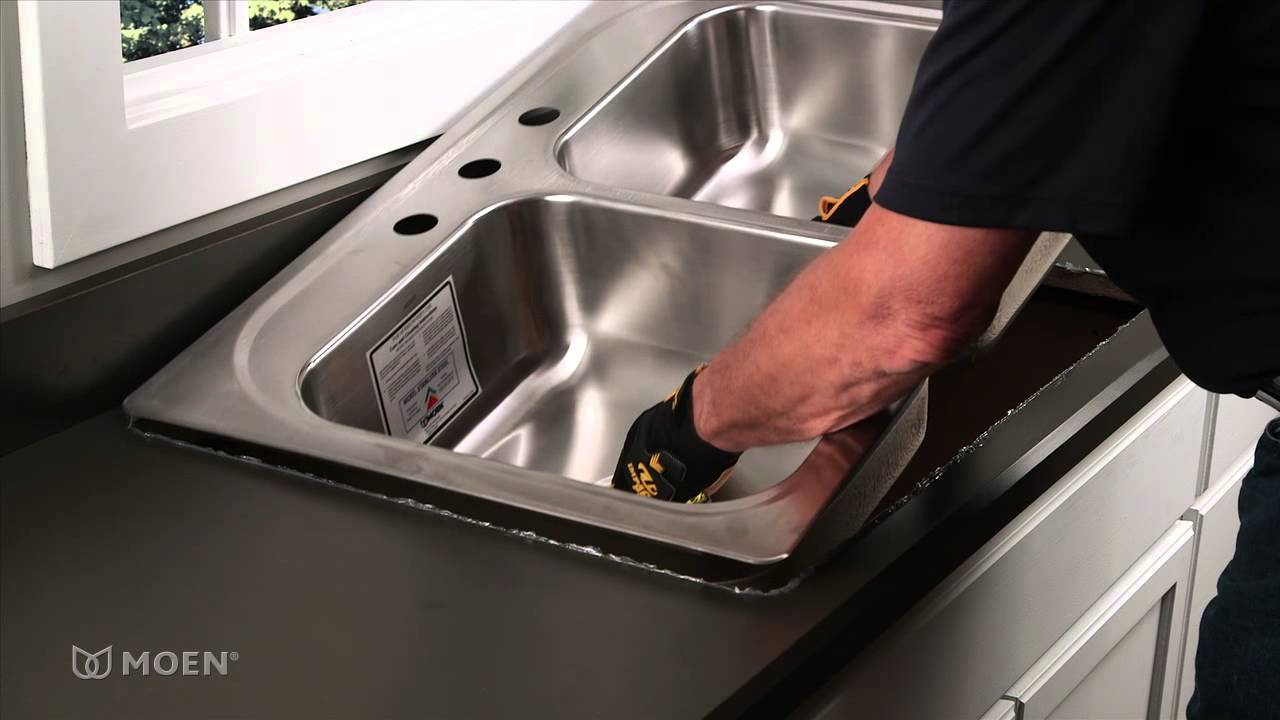
Carefully lower the sink into the countertop hole. Make sure it fits snugly without gaps. Check that the sink edges sit flat on the counter. Adjust the sink slightly until it is centered. Take your time to get it right. A well-positioned sink looks better and lasts longer.
Securing The Sink In Place
Attach the sink clips or brackets under the countertop. Tighten them evenly to hold the sink firmly. Do not overtighten, as this can damage the sink or counter. Check the sink again for level and alignment. Wipe away any extra sealant before it hardens. Your sink is now ready for plumbing connections.
Credit: www.youtube.com
Reconnecting Plumbing
Reconnecting plumbing is the key step after installing your new kitchen sink. It ensures water flows properly and drains without leaks. This part requires careful attention to detail and basic tools. Following clear steps helps avoid common problems like drips or blockages.
Attaching Drain Pipes
Start by fitting the drain pipes to the sink’s drain opening. Use plumber’s putty or a rubber gasket to create a tight seal. Hand-tighten the slip nuts to connect the pipes. Make sure the pipes align straight to prevent leaks or clogs. Avoid overtightening, which can crack plastic fittings.
Connecting Water Lines
Attach the hot and cold water supply lines to the faucet valves. Wrap the valve threads with plumber’s tape for a better seal. Use an adjustable wrench to tighten the connections snugly. Check that the lines are not twisted or kinked. Proper connection stops water leaks and ensures steady flow.
Testing For Leaks
Turn on the water supply slowly and watch for drips around pipes. Use a dry cloth to spot moisture easily. Tighten any loose connections if you find leaks. Run water through both hot and cold taps to check all lines. Fixing leaks early saves water and prevents damage to cabinets.
Finishing Touches
After installing your new kitchen sink, some final steps ensure it looks great and works well. These finishing touches help protect your sink and make it ready for daily use. Taking time here prevents leaks and keeps the area clean.
Cleaning Excess Sealant
Sealant often squeezes out during installation. Remove this extra sealant before it dries. Use a damp cloth or a plastic scraper for best results. Avoid sharp tools that may scratch the sink or countertop. Cleaning now keeps the area neat and prevents mold growth.
Installing Accessories
Add sink accessories like strainers, soap dispensers, or drying racks. Follow the product instructions carefully. Tighten all fittings to stop leaks. Check for smooth operation of the faucet and any moving parts. Accessories improve sink function and convenience.
Final Inspection
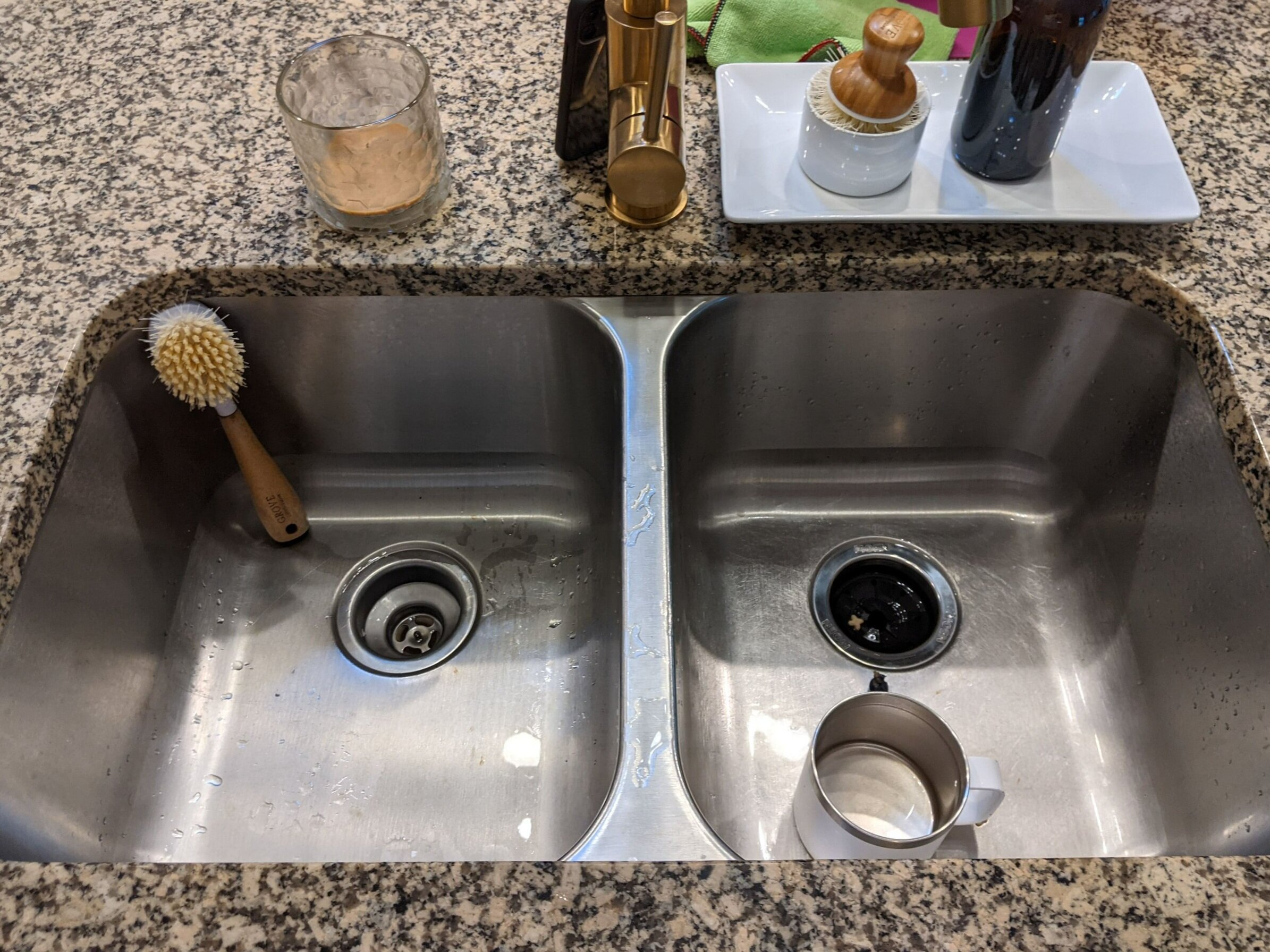
Look over your entire sink area. Check for leaks under the sink and around all connections. Turn on the water and watch closely. Tighten any loose parts. Confirm the sink drains properly without any blockage. A thorough final check ensures long-term sink performance.
Credit: housebythepreserve.com
Troubleshooting Common Issues
Troubleshooting is a key step after installing a new kitchen sink. Small issues can cause big problems later. Fixing these early saves time and money. This section covers common problems and easy fixes.
Dealing With Leaks
Leaks often come from loose connections or bad seals. Check all pipes under the sink. Tighten any loose nuts using a wrench. Look for cracks in the sealant around the sink. Replace worn-out washers or gaskets. Use plumber’s tape on threaded parts to prevent leaks.
Adjusting Sink Position
A sink that sits unevenly can cause water to pool. Check if the sink is level using a spirit level. Adjust the mounting clips under the sink for better fit. Add or remove shims to balance the sink. Make sure the sink edge seals tightly to the countertop. This avoids water damage to cabinets below.
Handling Drainage Problems
Poor drainage can lead to slow water flow or clogs. Inspect the drain pipes for blockages or bends. Clean out any debris inside the trap or pipes. Confirm the drain pipe slope guides water properly. A small downward angle helps water flow smoothly. Consider using a drain strainer to catch food particles.
Frequently Asked Questions
How Do I Prepare For Installing A New Kitchen Sink?
Start by measuring your sink space and gathering tools. Turn off water supply and disconnect plumbing before removal. Clear the area for easy access and protect surfaces from damage during installation.
What Tools Are Essential For Kitchen Sink Installation?
You’ll need a wrench, plumber’s putty, screwdriver, silicone sealant, and a bucket. These tools help secure fittings, seal edges, and manage water lines efficiently.
How Long Does It Take To Install A New Kitchen Sink?
Installation typically takes 2 to 4 hours depending on sink type and plumbing complexity. Experienced DIYers might complete it faster with proper preparation.
Can I Install A Kitchen Sink Without Professional Help?
Yes, if you have basic plumbing skills and tools. Follow step-by-step instructions carefully to avoid leaks and ensure proper fitting.
Conclusion
Installing a new kitchen sink can seem hard but is doable. Follow each step carefully and take your time. Use the right tools to avoid mistakes. Check all connections for leaks after installation. A well-installed sink makes your kitchen work easier.
Practice helps you get better with DIY projects. Enjoy the fresh look and function of your new sink. Simple tasks like this can boost your confidence at home. Keep this guide handy for future repairs or changes.