
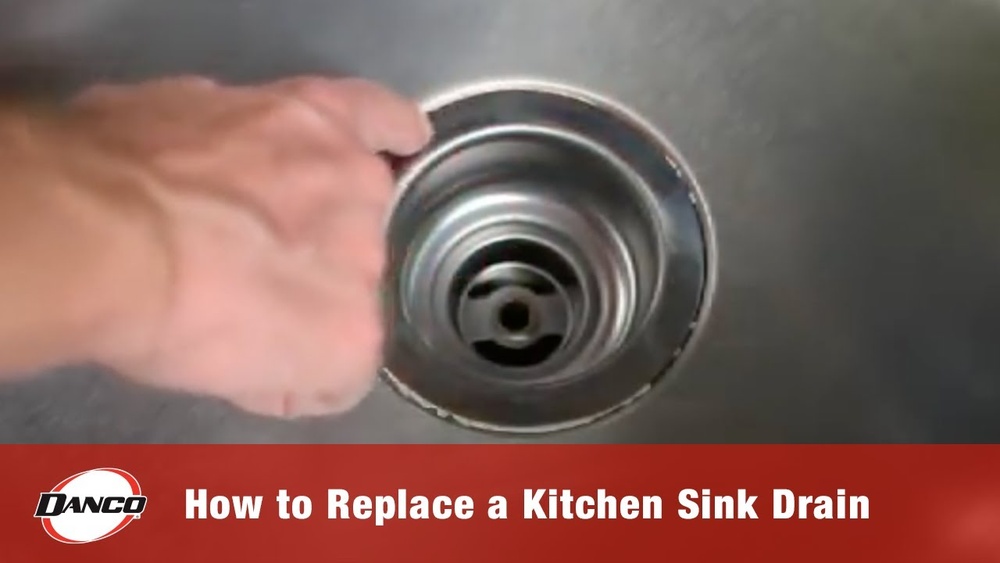
Is your kitchen sink drain clogged or leaking? Removing it might seem tricky, but you can do it yourself with the right steps.
Imagine saving money and avoiding the hassle of calling a plumber. In this guide, you’ll learn simple, clear instructions to remove your kitchen sink drain quickly and safely. Keep reading, and you’ll gain the confidence to handle this common kitchen fix on your own.
Contents
Tools Needed
Removing a kitchen sink drain requires the right tools to make the job easier. Having the proper tools helps you work safely and quickly. Some tools are basic, and most people already have them. Others are optional but can save time or effort. Knowing these tools prepares you for the task ahead.
Basic Tools
A wrench is essential for loosening nuts under the sink. A pair of pliers helps grip and turn small parts. A bucket catches water that may spill during removal. A flashlight lights up dark areas under the sink. A towel or rag cleans up drips and keeps the area dry.
Optional Tools
A basin wrench reaches tight spots behind the sink. A plumber’s putty knife helps remove old sealant. A pipe cutter can be useful if you need to cut pipes. A flashlight with a flexible neck improves visibility in hard-to-see places. Gloves protect your hands from sharp edges and grime.

Credit: www.wikihow.com
Prepare The Area
Clear the space under the sink by removing items and placing a bucket nearby. Turn off the water supply to avoid leaks during the drain removal.
Clear The Cabinet
Start by emptying the cabinet under the sink. Remove all items like cleaning supplies and tools. This gives you space to work safely and comfortably. A clear area prevents accidents and lost parts during the process.
Turn Off Water Supply
Locate the shut-off valves under the sink. Turn them clockwise to close the water flow. This step stops water from leaking while you remove the drain. Confirm no water is dripping before you proceed.
Place A Bucket
Put a bucket or large bowl under the drain pipes. It will catch any water left in the pipes. This keeps your cabinet dry and avoids a mess. Use an old towel to wipe up small spills.
Remove The Sink Drain
Removing the sink drain is a key step to fixing or replacing your kitchen sink parts. It helps clear clogs and makes cleaning easier. Follow simple steps to take out the drain safely and without damage. Keep tools ready and work carefully.
Let’s start with loosening the drain flange, then disconnecting the P-trap, and finally unscrewing the locknut.
Loosen The Drain Flange
The drain flange sits at the top of the sink drain. It holds the drain in place. Use a wrench or pliers to turn it counterclockwise. This loosens the flange from the sink surface. Be gentle to avoid scratching the sink.
Disconnect The P-trap
The P-trap is the curved pipe below the sink. It traps debris and prevents odors. Place a bucket under the P-trap to catch water. Unscrew the slip nuts by hand or with pliers. Remove the P-trap carefully to avoid spills.
Unscrew The Locknut
The locknut holds the drain assembly under the sink. Use a pipe wrench or channel locks to turn it. Turn the locknut counterclockwise to loosen it. Slide the drain assembly out from the sink drain hole. Clean the area before installing a new drain.
Clean The Drain Components
Cleaning the drain components is a key step in removing your kitchen sink drain. Dirt, grease, and food bits often build up inside the parts. This can cause clogs and slow drainage. Thorough cleaning helps keep your sink working well and extends the life of the drain.
Remove Debris
Start by clearing out all visible debris from the drain parts. Use a small brush or an old toothbrush to scrub off stuck particles. Rinse the pieces under warm water to wash away loosened dirt. Make sure to clean the drain opening and the pipe sections carefully.
Inspect For Damage
Look closely at each component for cracks or wear. Damaged parts can cause leaks or poor drainage. Check the rubber washers and seals for signs of hardening or breaks. Replace any parts that look worn out to avoid future problems.
Replace Or Repair Drain Parts
Replacing or repairing the drain parts is key to fixing many sink problems. Old or damaged parts cause leaks and clogs. Fixing these parts can save money and time. It also helps keep your kitchen clean and safe.
Before starting, check which parts need repair or replacement. Some parts wear out faster due to water and use. Knowing the right parts to replace makes the job easier.
Choosing Replacement Parts
Pick parts that fit your sink model. Measure the drain size before buying. Use quality parts to avoid future leaks. Plastic parts are cheaper but less durable. Metal parts last longer but cost more. Choose parts with good reviews for the best results.
Applying Plumber’s Putty
Plumber’s putty seals the drain to the sink. Roll a small amount into a rope shape. Press it under the drain flange before tightening. This stops water from leaking around the drain. Wipe off extra putty after installation. Let it sit for a few minutes before testing.

Credit: www.wikihow.com
Reassemble The Drain
After removing and cleaning the kitchen sink drain, it’s time to put everything back. Reassembling the drain is key to making sure your sink works well. Careful steps will prevent leaks and keep water flowing smoothly.
Take your time and follow each step to reassemble the drain correctly. This will save you from future repairs and water damage.
Reattach The Locknut
First, slide the drain pipe back into the sink drain hole. Then, screw the locknut onto the drain pipe under the sink. Tighten it by hand until it is snug. Use a wrench to give it a final turn, but do not overtighten. The locknut holds the drain pipe securely in place.
Reconnect The P-trap
Next, connect the P-trap to the drain pipe. Align the P-trap’s inlet with the drain pipe’s outlet. Slide the slip nuts and washers onto the pipes. Hand-tighten the nuts to hold the parts together. Make sure the P-trap is not twisted or bent. It must fit straight for proper drainage.
Test For Leaks
Turn on the faucet and let water run for a few minutes. Watch under the sink for any drips or water spots. Check around the locknut and P-trap connections. Tighten any loose nuts if you see leaks. A dry area means your drain is reassembled correctly.
Tips For Maintenance
Maintaining your kitchen sink drain is key to keeping it working well. Simple care can stop many problems. Small efforts save time and money. Here are easy tips to help you maintain your drain.
Regular Cleaning
Clean your sink drain often to avoid buildup. Use warm water and mild soap to clear dirt. A soft brush helps remove grime around the drain edges. Cleaning stops bad smells and keeps water flowing smoothly. Do this once a week for best results.
Avoiding Clogs
Prevent clogs by not pouring grease or oil down the drain. These substances harden and block pipes. Use a strainer to catch food bits and debris. Empty the strainer into the trash regularly. Pour hot water down the drain after use to flush small particles away.

Credit: www.youtube.com
Frequently Asked Questions
How Do I Safely Remove A Kitchen Sink Drain?
Turn off the water supply before starting. Use a wrench to loosen the slip nuts. Carefully detach the drain parts and clean the area. Wear gloves to protect your hands from sharp edges.
What Tools Are Needed To Remove A Kitchen Sink Drain?
You need a wrench, bucket, pliers, and plumber’s putty. A flashlight helps see tight spaces. Having towels ready to catch spills is also useful.
Can I Remove A Kitchen Sink Drain Without A Plumber?
Yes, removing a kitchen sink drain is a simple DIY task. Follow safety steps and use proper tools. If unsure, watch tutorials or consult a professional for guidance.
How Long Does It Take To Remove A Kitchen Sink Drain?
It usually takes 20 to 30 minutes. Time varies based on sink type and clog severity. Proper preparation speeds up the process.
Conclusion
Removing your kitchen sink drain can be simple and quick. Follow each step with care and patience. Use the right tools for a smooth process. Take your time to avoid damage or leaks. Clean the area well before installing a new drain.
This task saves money and keeps your sink working well. Try it yourself and feel proud of your work. A little effort goes a long way in home care. Remember, safety first. Good luck with your kitchen project!