

Are you tired of water seeping under your kitchen sink edges and causing damage? Sealing your kitchen sink edges properly is one simple step that can save you from costly repairs and keep your kitchen looking fresh.
In this guide, you’ll discover easy, effective ways to seal those edges like a pro. Whether you’re a DIY beginner or just want to improve your home’s upkeep, this article will give you clear, step-by-step tips to protect your sink and maintain a clean, dry kitchen space.
Keep reading to learn how to get it done right the first time!
Contents
Tools And Materials Needed
Sealing the edges of your kitchen sink helps prevent water damage and keeps your countertop clean. You need the right tools and materials to do the job well. This section covers what you will need before starting.
Types Of Sealants
Silicone sealant is the most common choice for kitchen sinks. It sticks well and resists water and mold. There are also latex-based sealants that are easier to clean up but less durable. Choose a sealant that is waterproof and safe for kitchen use. Clear or white colors usually match most sinks and countertops.
Essential Tools
A caulking gun is necessary to apply the sealant smoothly. You will also need a utility knife to cut the sealant tube tip. Use painter’s tape to create clean edges and avoid mess. Have a clean cloth or paper towels ready to wipe away extra sealant. A plastic scraper or your finger helps smooth the sealant line.
Safety Precautions
Sealants can have strong smells. Work in a well-ventilated area or open windows. Wear gloves to protect your skin from irritation. Avoid touching your face or eyes while applying sealant. Keep tools and materials away from children and pets during use.

Credit: www.amazon.com
Preparing The Sink Edges
Preparing the sink edges is the first step in sealing your kitchen sink properly. This step ensures the sealant sticks well and lasts longer. Taking time to prepare the edges can prevent leaks and water damage later.
Clean and dry edges help the sealant bond better. Removing old sealant also stops mold and dirt buildup. Follow these simple steps to get the sink edges ready.
Cleaning The Surface
Start by cleaning the sink edges with warm water and soap. Use a sponge or cloth to remove grease and dirt. Clean edges allow the sealant to stick tightly. Avoid harsh cleaners that can damage the sink surface.
Removing Old Sealant
Look for any old sealant around the sink edges. Use a plastic scraper or putty knife to remove it gently. Avoid metal tools that can scratch the sink. Clear edges help the new sealant bond well.
Drying The Area
Dry the sink edges completely with a clean towel. Moisture can stop sealant from sticking properly. Leave the area to air dry for a few minutes. Dry edges make sure the sealant sets strongly and lasts long.
Applying The Sealant
Applying sealant around your kitchen sink edges is the last step for a tight and clean finish. It stops water from leaking under the sink and causing damage. Getting this step right helps keep your kitchen dry and fresh.
Choosing The Right Sealant
Pick a sealant made for kitchens and bathrooms. Silicone sealants are best because they resist water well. Look for one that is mold and mildew-resistant. Clear or white colors fit most sinks. Check the label to ensure it sticks well to your sink and countertop materials.
Cutting The Nozzle
Cut the sealant tube nozzle at a 45-degree angle. Make the opening small to control the flow. A smaller hole helps you apply a neat bead. Cut just enough to fit the sink edges. Too big a cut can cause messy application and waste.
Applying Smooth Beads
Hold the tube at a steady angle. Move the nozzle slowly along the sink edges. Apply one continuous bead of sealant for best results. Avoid stopping and starting to keep the line smooth. Use a wet finger or a smoothing tool to even out the sealant quickly.

Credit: www.amazon.com
Finishing The Seal
Finishing the seal on your kitchen sink edges is the final step for a clean, waterproof result. This process helps stop water from leaking and keeps your sink area tidy. Taking care with the finish improves the seal’s strength and appearance.
Smoothing The Sealant
After applying the sealant, smooth it out carefully. Use a wet finger or a smoothing tool. This action pushes the sealant into small gaps. It also makes the line even and neat. A smooth sealant looks better and lasts longer.
Removing Excess Sealant
Remove extra sealant before it dries. Use a damp cloth or paper towel. Wipe gently around the edges to avoid ruining the seal. Cleaning excess sealant keeps the sink edge clean and attractive. It also stops dirt from sticking to sticky spots.
Allowing Proper Drying Time
Let the sealant dry fully before using the sink. Drying times vary by product but usually take 24 hours. Avoid water contact during this time. Proper drying makes the seal strong and prevents leaks. Patience here saves time and effort later.
Maintenance Tips
Maintaining the seal around your kitchen sink edges helps prevent water damage and mold growth. Proper care keeps the seal strong and extends its life. Simple habits make a big difference in keeping your kitchen safe and clean.
Regular Inspection
Check the sealed edges every few weeks. Look for cracks, gaps, or peeling. Early signs of damage can be fixed easily. Use a flashlight for better visibility in tight spots.
Cleaning Around Sealed Edges
Clean the edges gently with a soft cloth. Avoid harsh chemicals that can weaken the seal. Mild soap and water work best. Dry the area after cleaning to prevent moisture buildup.
When To Reseal
Reseal when you see gaps or cracks in the seal. If water starts leaking under the sink, resealing is needed. It is better to fix small problems early to avoid bigger repairs.
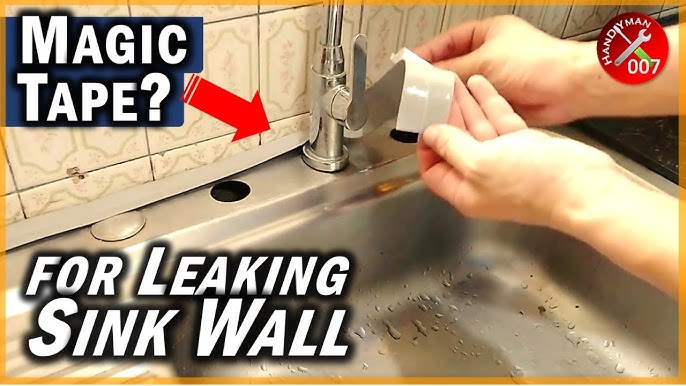
Credit: www.youtube.com
Frequently Asked Questions
How Do I Prepare Kitchen Sink Edges For Sealing?
Clean the edges thoroughly with mild detergent and water. Remove old sealant using a scraper. Dry the area completely before applying new sealant. Proper preparation ensures strong adhesion and a watertight seal.
What Type Of Sealant Is Best For Kitchen Sinks?
Use a high-quality silicone or acrylic sealant designed for kitchens. These sealants resist moisture, mold, and temperature changes. Silicone sealants offer flexibility, while acrylics are paintable. Choose based on your sink material and preferences.
How Long Does Kitchen Sink Sealant Take To Dry?
Sealant typically takes 24 hours to cure fully. Avoid using the sink during this time. Drying times vary with humidity and temperature. Follow the manufacturer’s instructions for best results.
Can I Seal Kitchen Sink Edges Myself?
Yes, sealing sink edges is a simple DIY task. With basic tools and sealant, you can achieve a professional finish. Take your time to clean, apply, and smooth the sealant carefully for best results.
Conclusion
Sealing kitchen sink edges keeps water from causing damage. Clean the area well before applying sealant. Use a steady hand for a neat finish. Let the sealant dry completely to ensure protection. Regular checks help catch any gaps or cracks early.
A well-sealed sink edge makes your kitchen safer and cleaner. Simple steps make a big difference in home care. Try it yourself to maintain your kitchen’s durability. Easy and effective—sealing your sink edges saves time and money.