
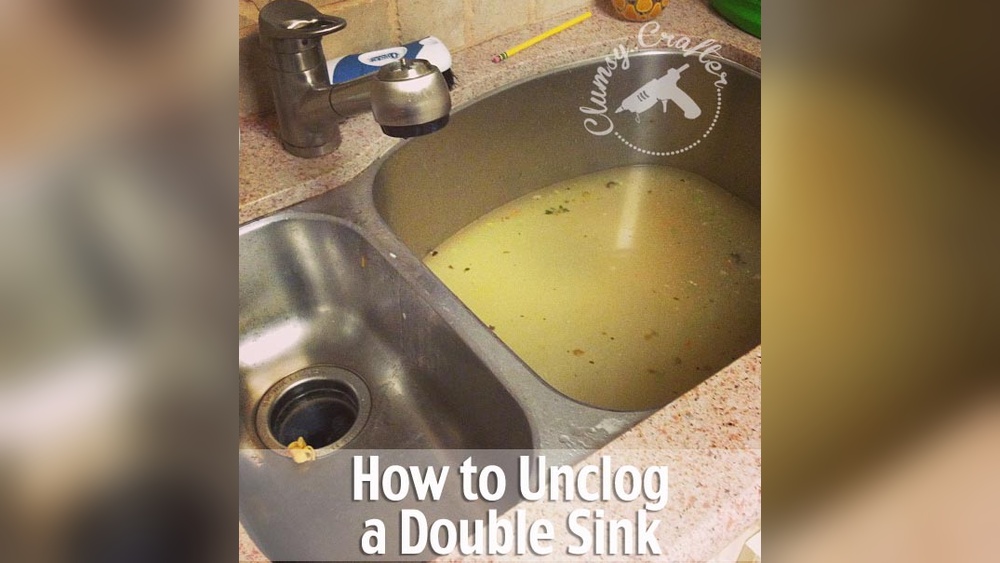
Is your double kitchen sink draining slowly or completely clogged? It’s a frustrating problem that can disrupt your daily routine and make kitchen tasks a hassle.
But don’t worry, you don’t have to call a plumber right away. You can fix this yourself with a few simple steps. In this guide, you’ll learn easy and effective ways to unclog your double kitchen sink, saving time, money, and stress.
Keep reading to get your sink flowing smoothly again in no time!
Contents
Common Causes Of Double Sink Clogs
Double kitchen sink clogs happen for several common reasons. Understanding these causes helps prevent future blockages. It also guides you in choosing the right cleaning method. Below are the most frequent causes of clogs in double sinks.
Food Debris Buildup
Small food particles often get stuck in the drain. Over time, these bits gather and block the pipes. Leftovers like rice, pasta, and vegetable peels cause buildup. Regular rinsing helps, but bits can still accumulate inside.
Grease And Oil Accumulation
Grease and oil poured down the drain, and cooled and hardened. This creates sticky layers that trap other debris. Over weeks, these layers grow and narrow the pipe opening. Avoid pouring fats down the sink to stop this buildup.
Soap Scum And Residue
Soap mixes with minerals in water and leaves a residue. This residue sticks to pipe walls and slows water flow. Soap scum combines with grease and food, making clogs worse. Cleaning pipes regularly reduces this problem.
Foreign Objects
Sometimes small objects fall into the sink accidentally. Items like jewelry, bottle caps, or utensils can block the drain. These objects cause immediate or slow clogs depending on their size. Check your sink area to prevent this issue.

Credit: www.youtube.com
Tools And Materials Needed
Unclogging a double kitchen sink requires the right tools and materials. Having these ready makes the job easier and faster. This guide covers basic tools, natural cleaners, chemical options, and safety gear.
Basic Plumbing Tools
Start with a plunger designed for sinks. It helps push blockages free. A pipe wrench or adjustable wrench is useful for loosening and tightening pipes. A bucket will catch water when you disconnect pipes. A plumber’s snake or drain auger can reach deep clogs. Clean rags help wipe spills and messes. These tools form the foundation for fixing most clogs.
Natural Cleaning Agents
Baking soda and vinegar create a powerful natural cleaner. They break down grease and debris without harsh chemicals. Lemon juice adds a fresh scent and extra cleaning power. Hot water flushes away loosened grime. These eco-friendly options work well for mild clogs and regular maintenance.
Chemical Drain Cleaners
Chemical cleaners dissolve tough blockages fast. Use products labeled safe for kitchen sinks. Read instructions carefully to avoid damage. Avoid mixing different chemicals to prevent dangerous reactions. These cleaners work best for stubborn clogs that natural methods cannot remove.
Safety Equipment
Wear rubber gloves to protect your hands from chemicals and sharp objects. Safety goggles shield your eyes from splashes. A mask helps avoid inhaling fumes from cleaners. Keep a well-ventilated workspace to reduce exposure. Safety gear keeps you safe during unclogging tasks.
Step-by-step Diy Methods
Unclogging a double kitchen sink can seem tough. You do not always need a plumber. Simple tools and home remedies often work well. Follow these step-by-step DIY methods to clear the blockage.
These methods use common items and easy techniques. They save time and money. Each step targets different types of clogs. Try one or more to get your sink draining fast again.
Boiling Water Flush
Boil a large pot of water. Carefully pour it down both drain sides. Hot water helps dissolve grease and soap buildup. Repeat the process two or three times. This method is gentle and safe for pipes.
Using A Plunger
Cover one drain with a wet cloth. Place the plunger over the other drain. Push and pull the plunger firmly for 20 seconds. The pressure can break up stubborn blockages. Remove the plunger and test the water flow.
Manual Removal Of Debris
Wear gloves and look under the sink. Use a bucket to catch water. Unscrew the pipes connecting the two drains. Check for trapped food, hair, or debris. Remove any clogs by hand or with a wire hanger. Reassemble the pipes tightly.
Baking Soda And Vinegar Treatment
Pour half a cup of baking soda into each drain. Follow with half a cup of vinegar. Let the mixture fizz and sit for 15 minutes. Flush with hot water to clear loosened debris. This natural method deodorizes and cleans drains well.
Chemical Cleaner Application
Choose a drain cleaner made for kitchen sinks. Read and follow all safety instructions on the label. Pour the recommended amount into each drain. Wait the suggested time before flushing with water. Use this method only if other options do not work.
Preventive Measures For Double Sink Maintenance
Maintaining a double kitchen sink prevents clogs and costly repairs. Simple steps keep water flowing smoothly. Regular care helps avoid blockages and bad smells. Follow these tips to protect your sink daily.
Regular Cleaning Tips
Clean your sink weekly to stop grime buildup. Use warm water and mild soap for best results. Scrub drains gently with a soft brush. Avoid harsh chemicals that can damage pipes.
Proper Waste Disposal
Do not pour grease or oil down the drain. These substances harden and cause clogs. Throw food scraps in the trash, not the sink. Use a compost bin for vegetable waste if possible.
Installing Sink Strainers
Place strainers over each drain to catch debris. They stop food particles from entering pipes. Clean strainers after each use to keep water flowing. Choose strainers that fit your sink perfectly.
Routine Inspection And Upkeep
Check pipes and drains regularly for leaks or blockages. Tighten loose connections to prevent water damage. Listen for slow draining or gurgling sounds. Fix small problems early to avoid bigger issues.
When To Call A Professional
Knowing when to call a professional plumber is important for your double kitchen sink. Some problems need expert help to avoid bigger damage. Recognizing these signs saves time, money, and stress.
Persistent Clogs
Clogs that come back after cleaning need a plumber’s attention. Simple tools might not reach deep blockages. Professionals use special equipment to clear tough clogs fully.
Leaks And Water Damage
Leaks under the sink can cause water damage quickly. If you see wet spots or smell mold, call a plumber. They find hidden leaks and fix them correctly to protect your home.
Complex Plumbing Issues
Problems like low water pressure or strange noises are signs of complex plumbing. These issues need expert diagnosis and repair. A professional ensures your plumbing works smoothly again.
Credit: www.youtube.com

Credit: www.wikihow.com
Frequently Asked Questions
How Do I Unclog A Double Kitchen Sink Fast?
Start by removing debris from both drain stoppers. Use a plunger on each side separately. If needed, apply a baking soda and vinegar mix, then flush with hot water. For stubborn clogs, consider using a drain snake or calling a plumber.
Can Baking Soda And Vinegar Unclog A Kitchen Sink?
Yes, baking soda and vinegar create a fizzing reaction that breaks down grime. Pour half a cup of baking soda followed by half a cup of vinegar into the drain. Wait 15 minutes, then flush with hot water to clear minor clogs.
Why Is Only One Side Of My Double Sink Clogged?
This usually happens because the two sides have separate drain traps. Food debris often clogs one trap while the other remains clear. Cleaning each trap individually can solve this problem and prevent future blockages.
Is It Safe To Use Chemical Drain Cleaners?
Chemical drain cleaners can damage pipes and harm the environment. They should be used sparingly and as a last resort. Always follow the product instructions carefully and consider safer alternatives like natural cleaners or manual removal.
Conclusion
Clearing a double kitchen sink clog is easier than it seems. Small tools and simple steps make the job quick. Regular cleaning helps avoid future blockages. Stay patient and work carefully to protect your pipes. You can save money by fixing minor clogs yourself.
Keep these tips in mind and enjoy a smoothly running sink. No need to call a plumber for every clog. Try these methods next time water drains slowly. A clean sink means a happier kitchen.