

Is your kitchen sink draining slowly or not at all? A clogged sink can turn simple tasks into frustrating struggles.
But don’t worry—you don’t need to call a plumber right away. You can fix it yourself with some easy steps. In this guide, you’ll learn how to unclog your kitchen sink quickly and effectively. Imagine how satisfying it will feel to see your water flowing smoothly again.
Keep reading, and by the end, you’ll have the confidence to tackle this common problem on your own.
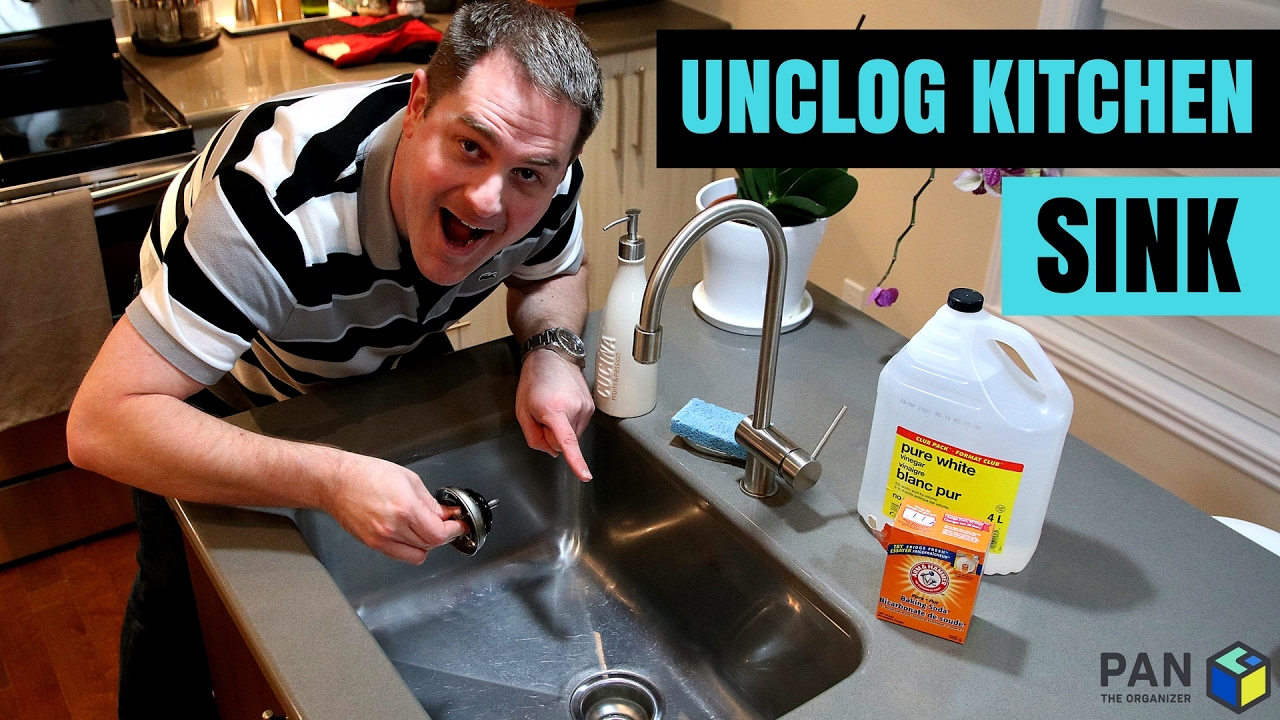
Credit: www.youtube.com
Contents
Common Causes Of Sink Clogs
Clogs in kitchen sinks happen often. They block water flow and cause frustration. Understanding common causes helps fix the problem faster. It also prevents future blockages. Here are the main reasons kitchen sinks get clogged.
Food Particles And Grease
Food scraps left in the sink cause clogs. Bits of vegetables, rice, or coffee grounds stick in pipes. Grease is another big problem. It cools down and hardens inside pipes. This buildup narrows the drain and stops water from flowing.
Soap Scum Build-up
Soap mixes with minerals in water. This creates a hard layer called soap scum. Soap scum sticks to pipe walls. Over time, it blocks the drain. Soap scum often combines with hair and dirt. This makes the clog worse and harder to clear.
Foreign Objects
Objects like utensils or small toys accidentally fall into the sink. They get stuck in the pipes. This stops water from draining properly. Foreign objects cause sudden, tough clogs. Removing them quickly avoids damage to the plumbing.
Pipe Damage
Old or broken pipes cause slow drainage. Cracks or corrosion inside pipes catch debris. This leads to frequent clogs. Pipe damage needs repair to prevent leaks and blockages. Regular checks help catch these issues early.
Tools And Materials Needed
Unclogging a kitchen sink does not need many tools. Most homes already have what is needed. Using the right tools makes the job easier and faster. Below are the basic tools and materials to prepare before starting.
Plunger
A plunger is a simple tool to clear blockages. It uses suction to push or pull clogs loose. Choose a cup-style plunger for sinks, not a flange plunger. Make sure there is enough water in the sink to cover the plunger’s cup. This helps create a good seal for better pressure.
Drain Snake
A drain snake is a long, flexible tool. It reaches deep into pipes to break up clogs. Turn the handle to move it through the drain. It can pull out hair, food, and other blockages. Drain snakes come in manual and powered types. Manual ones are easy to use for small clogs.
Baking Soda And Vinegar
Baking soda and vinegar form a natural cleaning solution. The mixture creates fizz that helps break down grime. Pour half a cup of baking soda into the drain first. Follow with half a cup of vinegar. Let it sit for 15 minutes. Then flush with hot water to clear debris.
Boiling Water
Boiling water helps dissolve grease and soap buildup. Pour it slowly down the drain in stages. Let the hot water work for a few minutes after pouring. Repeat if needed. Avoid boiling water for PVC pipes as it may cause damage. Use this method with caution.
Step-by-step Diy Methods
Clogged kitchen sinks cause frustration and slow down daily tasks. Fixing it yourself saves time and money. Follow these simple DIY methods to clear your drain quickly.
Using A Plunger Effectively
Start by removing any standing water from the sink. Place the plunger over the drain, ensuring a tight seal. Push down and pull up with quick, strong motions. Repeat about 10 times. Check if water drains properly. Repeat if needed.
Applying Baking Soda And Vinegar
Pour half a cup of baking soda into the drain. Follow with half a cup of vinegar. Let the mixture bubble for 15 minutes. Boil water during this time. Pour boiling water down the drain to flush out debris.
Clearing With A Drain Snake
Insert the drain snake into the drain slowly. Twist it as you push deeper. Feel for resistance and pull out debris gently. Repeat the process until the drain clears. Run water to test the flow.
Flushing With Boiling Water
Boil a kettle of water. Slowly pour the boiling water directly into the drain. Do this in stages, allowing hot water to work. This method helps dissolve grease and loosen blockages. Repeat as necessary for best results.
Preventing Future Clogs
Preventing future clogs in your kitchen sink saves time and stress. Small habits can keep your drain clear and water flowing smoothly. A few easy steps help avoid blockages and costly repairs.
Proper Disposal Habits
Never pour grease or oil down the drain. These substances harden and trap food scraps. Use a container to collect cooking fats and throw them in the trash.
Avoid putting large food pieces or coffee grounds in the sink. They build up and cause blockages. Scrape plates into the trash before washing dishes.
Regular Cleaning Tips
Clean your sink drain weekly to stop debris buildup. Pour hot water down the drain to melt grease and soap scum. Use a mixture of baking soda and vinegar to break down grime naturally.
Remove and clean the drain stopper often. It catches hair and food particles that cause clogs.
Installing Drain Screens
Drain screens catch food bits and prevent them from entering pipes. Choose a fine mesh screen for best results. Empty the screen after each use to keep water flowing freely.
Screen installation is simple and affordable. It acts as the first line of defense against clogs.
Routine Maintenance
Check your sink pipes for leaks or slow drainage regularly. Early detection stops small problems from growing. Use a plunger or drain snake to clear minor blockages fast.
Schedule professional inspections every year. Experts can spot hidden issues before they worsen.
When To Call A Professional
Knowing when to call a professional plumber is important. Some sink problems need expert help to avoid damage or extra cost. A plumber can save time and fix the issue correctly. Below are clear signs that show it is time to get professional help.
Persistent Clogs
Clogs that return after several attempts to clear them need a plumber. Simple methods like plunging or using a drain snake may not work. Persistent blockages can mean deeper problems in the pipes. Professionals have tools to find and fix these tough clogs.
Signs Of Pipe Damage
Leaks or cracks near the sink indicate pipe damage. Water stains or damp spots under the sink are warning signs. Pipe damage can cause water waste and mold growth. A plumber can inspect and repair pipes before the damage worsens.
Complex Plumbing Issues
Unusual noises, bad smells, or slow drainage can signal complex problems. These issues may involve multiple pipes or the main sewer line. Complex problems need expert diagnosis and repair to avoid costly damage. Calling a plumber ensures the right solution quickly.
:max_bytes(150000):strip_icc()/how-to-unclog-a-kitchen-sink-2718799_sketch_FINAL-6d86f43bcb464f8ca5b61f240c2d8bf9.png)
Credit: www.thespruce.com
Frequently Asked Questions
How Do I Unclog A Kitchen Sink Naturally?
To unclog naturally, pour baking soda followed by vinegar down the drain. Wait 15 minutes, then flush with hot water. This method breaks down grease and debris safely without harsh chemicals.
What Tools Are Best For Unclogging A Kitchen Sink?
A plunger, a drain snake, and a bucket are essential. Use the plunger to dislodge clogs, and the snake to reach deeper blockages. A bucket helps catch water when removing the trap.
Can Boiling Water Unclog A Kitchen Sink?
Yes, boiling water can dissolve grease and soap buildup. Pour it slowly in stages to avoid pipe damage. This method works well for minor clogs and regular maintenance.
When Should I Call A Professional Plumber?
Call a plumber if clogs persist after DIY attempts. Also, seek help if you notice leaks, foul odors, or slow drainage. Professionals have tools to handle tough blockages safely.
Conclusion
Clogged sinks can cause big problems in the kitchen. Using simple tools and steps can clear most blockages fast. Regular cleaning helps keep drains flowing well. Avoid pouring grease or large food scraps down the drain. Acting quickly stops small clogs from getting worse.
These easy tips save time and money on repairs. Keep your kitchen sink working smoothly every day. A clear sink means a cleaner, happier kitchen space.