
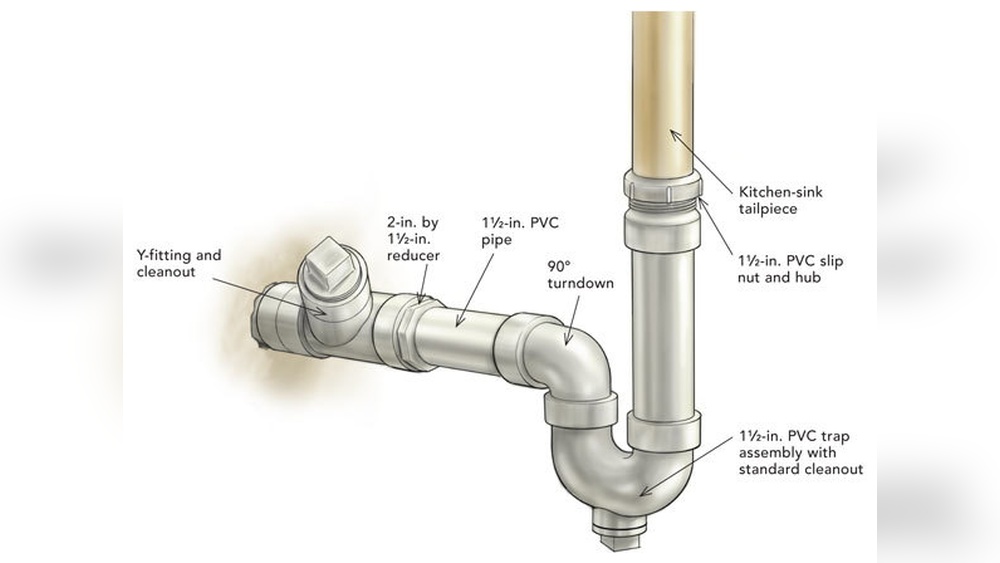
Have you ever noticed your kitchen sink draining slowly or smelling unpleasant? The problem might be hiding right beneath your sink—inside the clean out plug.
This small but important part plays a big role in keeping your pipes clear and your kitchen fresh. If you’re wondering how to tackle clogs or maintain your plumbing, understanding the kitchen sink clean out plug is the first step.
Keep reading, and you’ll discover simple tips to fix issues fast and avoid costly repairs. Your kitchen deserves this easy care—let’s get started!
Contents
Types Of Kitchen Sink Plugs
Kitchen sink plugs come in different styles to fit various needs. Each type offers unique features to control water flow and catch debris. Knowing about these options helps you choose the best plug for your sink.
Standard Rubber Plugs
Standard rubber plugs are the simplest type. They fit directly into the drain hole to stop water from draining. These plugs are flexible and easy to use. They work well for short-term water hold.
Pop-up Drain Stoppers
Pop-up drain stoppers have a lever or knob to open and close. They are built into the sink drain assembly. This type offers convenience with one hand control. Pop-up stoppers also prevent debris from entering the drain.
Basket Strainers
Basket strainers catch food and waste before they enter the drain. They look like small baskets with holes. These plugs keep pipes clear and reduce clogs. Many have a handle to lift the basket out easily.
Push-button plugs open and close by pressing the plug itself. They are simple and quick to operate. This style fits snugly into the drain hole. Push-button plugs provide a neat and modern look to sinks.
Common Causes Of Sink Clogs
Kitchen sinks often clog due to various common reasons. Understanding these causes helps keep your sink clean and flowing. Clogs slow down water and cause bad smells. They also make washing dishes harder. Below are the main causes of sink blockages.
Food Debris Build-up
Small food bits get stuck in the drain. Over time, they gather and block water flow. Starchy foods like rice and pasta swell with water. This makes the clog worse. Avoid putting large scraps down the sink.
Grease And Oil Residue
Grease and oils may seem liquid when hot. But they cool and harden in the pipes. This creates thick layers that trap debris. These sticky layers slow down drainage. Pour fats into a container instead of the sink.
Hair And Soap Scum
Hair strands from washing hands or cleaning can clog pipes. Soap mixes with minerals in water to form soap scum. This scum sticks to pipe walls and traps hair. Together, they build a tough blockage over time.
Foreign Objects
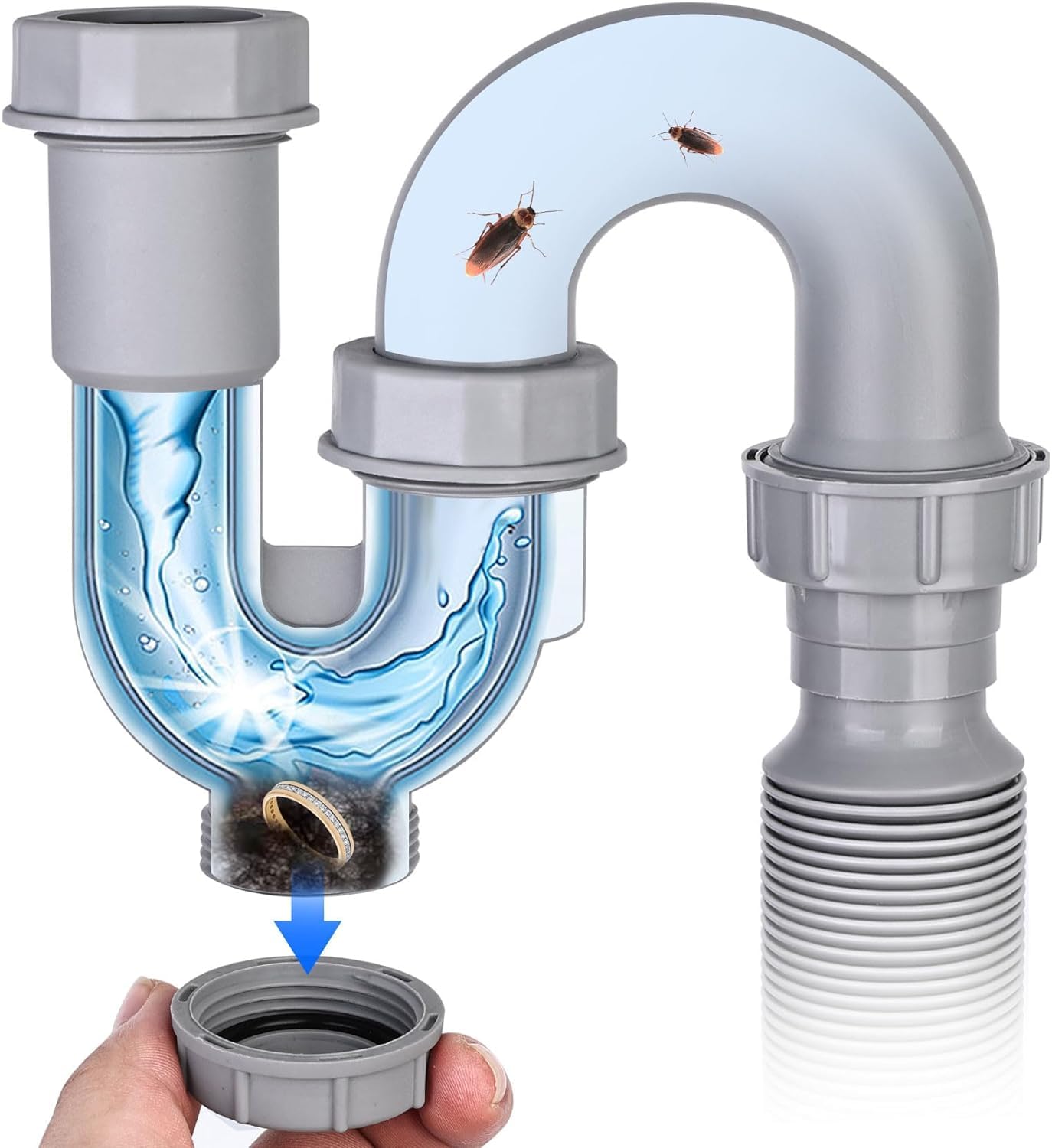
Sometimes, small objects fall into the sink drain. Items like bottle caps, jewelry, or toys block water flow. These objects are hard to remove without tools. Keep sink plugs in place to stop things from falling in.
Tools For Cleaning Sink Plugs
Cleaning a kitchen sink plug can be simple with the right tools. These tools help remove dirt, hair, and grime that block the drain. Some tools work better for certain types of clogs. Using the correct tool saves time and effort.
Plunger And Drain Snake
A plunger creates suction to push clogs loose. It works best for small blockages near the surface. A drain snake is a long, flexible wire. It reaches deep into the drain to pull out hair and debris. Both tools are easy to use and are often found at home.
Chemical Cleaners
Chemical cleaners dissolve grease and organic matter. They come in liquid or powder form. Use these with care and follow instructions. Avoid mixing chemicals to prevent harmful reactions. These cleaners clear clogs that tools cannot reach.
Baking Soda And Vinegar
Baking soda and vinegar create a natural cleaning reaction. Pour baking soda into the drain, then add vinegar. Let it fizz for a few minutes. Flush with hot water to clear grime. This method is safe and eco-friendly for regular cleaning.
Wire Brush And Toothpick
A wire brush scrubs away stubborn dirt on the plug. Use a small brush to reach tight spaces. A toothpick helps remove trapped hair and food bits. These tools clean the plug’s surface without damage. They are perfect for detailed cleaning tasks.
Step-by-step Cleaning Process
Cleaning your kitchen sink, cleaning out the plug keeps your drain working well. Dirt, food bits, and soap can build up fast. Regular cleaning stops clogs and bad smells. Follow these simple steps to clean the plug properly. It will help your sink stay fresh and clear.
Removing The Plug Safely
First, make sure the sink is dry. Use gloves to protect your hands. Grip the plug firmly and twist it counterclockwise. Some plugs pull straight up instead. Avoid using force to prevent damage. Place the plug on a clean surface.
Clearing Debris
Check the plug for hair and food scraps. Use a soft brush or cloth to remove dirt. Clean inside the drain opening, too. Dispose of all debris in the trash. This stops the buildup that can block water flow.
Soaking And Scrubbing
Fill a bowl with warm water and mild soap. Soak the plug for 10 to 15 minutes. Use a soft brush to scrub all sides gently. Rinse the plug under running water. Dry it with a clean towel before reinstalling.
Reinstalling The Plug
Place the plug back into the drain opening. Turn it clockwise until it feels secure. Test the plug by running water in the sink. Make sure the water drains smoothly. Tighten or adjust if needed for a perfect fit.
Preventive Maintenance Tips
Keeping your kitchen sink clean and functional saves time and money. A kitchen sink clean-out plug needs care to prevent clogs and bad smells. Simple steps can help maintain it in good condition. Follow these preventive maintenance tips to keep the sink drain running smoothly.
Regular Cleaning Schedule
Set a regular time to clean the sink drain and plug. Remove debris and food scraps after each use. Use warm water and mild soap to wash the plug weekly. This stops buildup and keeps the drain clear. Cleaning often avoids costly repairs later.
Using Sink Strainers
Sink strainers catch food particles before they enter the drain. Place a strainer over the sink drain every time you use it. Empty the strainer into the trash after each use. This prevents clogs and protects the clean out plug. Strainers are easy and effective tools for sink care.
Avoiding Harsh Chemicals
Harsh chemicals can damage pipes and the clean out plug. Skip using strong drain cleaners or bleach regularly. Use natural cleaners like baking soda and vinegar instead. These are safe and help break down grease gently. Protect your plumbing by choosing mild cleaning options.
Proper Waste Disposal
Never pour grease or oil down the kitchen sink. These substances harden and block the drain. Dispose of cooking fats in a container and throw them in the trash. Avoid flushing coffee grounds, eggshells, and fibrous foods. Proper disposal keeps the clean out plug free from clogs.

Credit: diy.stackexchange.com
When To Replace Your Sink Plug
Knowing when to replace your kitchen sink clean out plug helps avoid leaks and clogs. A worn or damaged plug can cause water to drain slowly or spill. Regular checks keep your sink working well and prevent costly repairs. Here are key points to consider for replacement.
Signs Of Wear And Tear
Look for cracks or breaks on the plug surface. A loose or wobbly plug means it no longer fits tightly. Rust or corrosion can weaken metal plugs. If water leaks around the plug, it may need changing. Sticky or stuck plugs also signal wear.
Material Durability
Plastic plugs may crack or warp over time. Rubber plugs can become brittle or shrink. Metal plugs last longer but can rust. Choose materials that match your sink’s use and water type. Replace plugs that show material failure to keep a good seal.
Upgrading For Better Functionality
New plugs offer improved sealing and easy removal. Some plugs come with built-in strainers to catch debris. Upgrading can reduce clogs and save time cleaning. Choose plugs that fit your sink size and style for best results.
Eco-friendly Cleaning Alternatives
Cleaning your kitchen sink clean out plug with eco-friendly methods protects the environment. It reduces harmful chemicals and keeps your home safe. Simple, natural products can clean well without damage. You save money and help nature.
Natural Cleaners
Use baking soda to scrub away grime gently. Vinegar works as a natural disinfectant. Lemon juice removes odors and leaves a fresh scent. These ingredients are safe and easy to find. They do not pollute water or air.
Homemade Solutions
Mix baking soda and vinegar for a foaming cleaner. Let it sit in the drain to clear blockages. Salt and hot water can flush out debris. Olive oil with lemon juice cleans and shines metal parts. These blends are cost-effective and simple to make.
Water Conservation Tips
Turn off the tap while scrubbing the plug. Use a small bowl of water instead of running flow. Fix leaks quickly to avoid waste. Collect rinse water to water plants later. These habits save water and lower bills.
Credit: www.amazon.com
Credit: www.johnmooreservices.com
Frequently Asked Questions
What Is A Kitchen Sink Clean Out Plug?
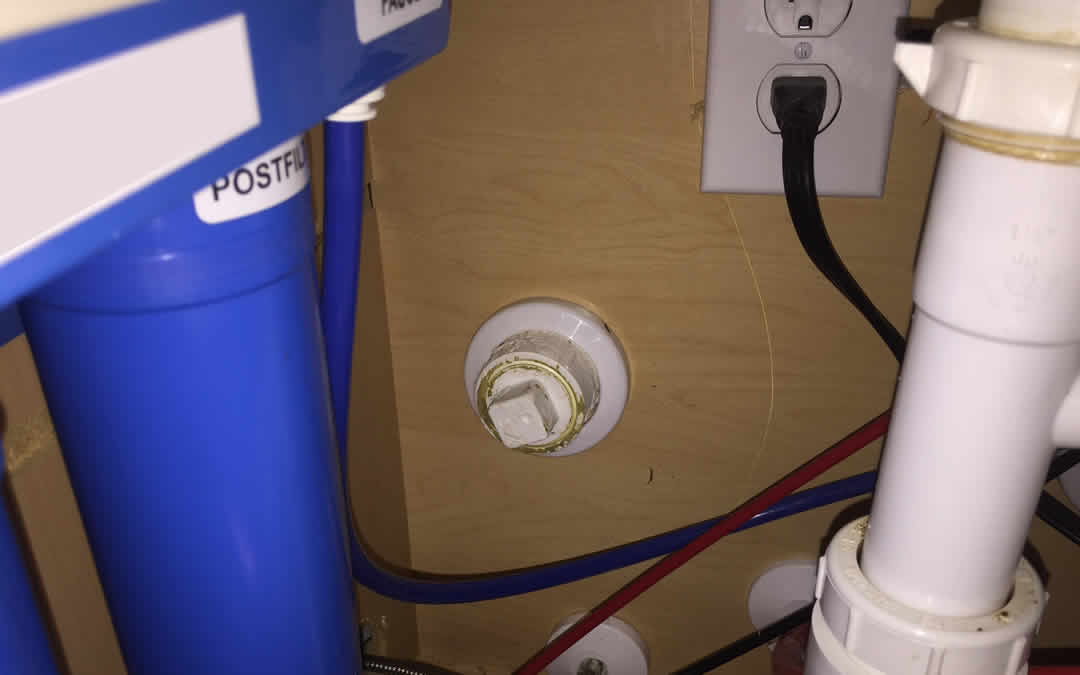
A kitchen sink clean out plug seals the drainpipe opening beneath the sink. It allows easy access for cleaning clogs or debris blocking the drain. This plug helps maintain proper drainage and prevents leaks by securely closing the pipe.
How Do You Remove A Kitchen Sink Clean Out Plug?
To remove the plug, first turn off the water supply. Use pliers or a wrench to unscrew the plug gently. Place a bucket underneath to catch any water or debris. Clean the opening before reinstalling or replacing the plug.
Why Is A Clean Out Plug Important In Sinks?
The clean out plug provides access to the drainpipe for maintenance. It helps clear blockages without dismantling plumbing. This plug prevents leaks and keeps your kitchen sink draining efficiently, saving time and costly repairs.
Can I Replace A Kitchen Sink Clean Out Plug Myself?
Yes, replacing the plug is a simple DIY task. Ensure you get the correct size and type. Turn off water, remove the old plug, clean the area, and install the new one tightly to avoid leaks.
Conclusion
A kitchen sink clean out plug helps keep drains clear and working well. It stops debris from causing clogs and makes cleaning easier. Using the right plug saves time and avoids plumbing problems. Regular check-ups of the plug keep your sink in good shape.
Simple tools and small effort make a big difference here. Choose a plug that fits your sink perfectly for best results. Keep your kitchen running smoothly with this small but useful part.