
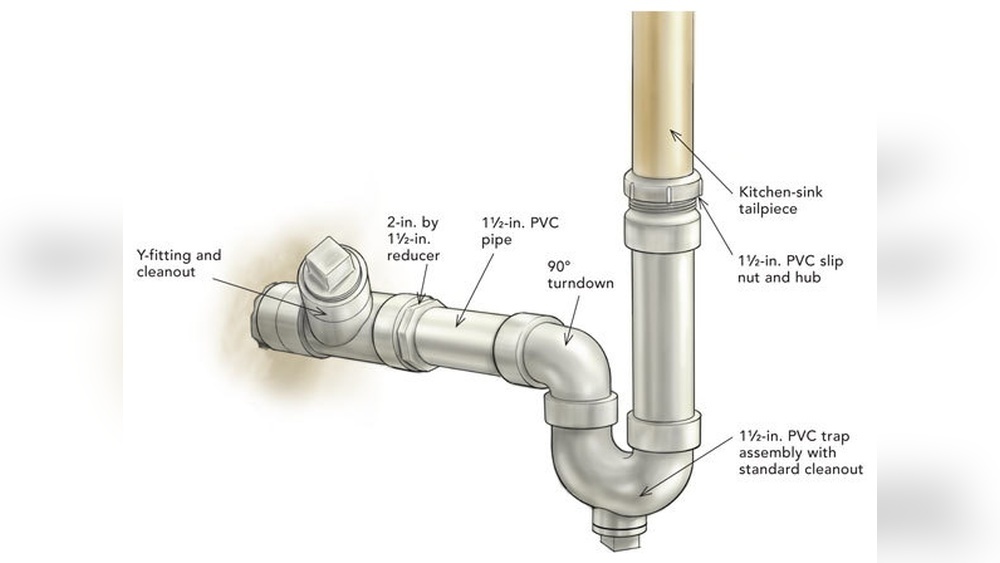
Is your kitchen sink draining slowly or starting to smell? The problem might be hidden in your kitchen sink clean out plug.
Knowing how to find, clean, or replace this small but important part can save you from costly plumbing issues and keep your sink running smoothly. In this ultimate guide, you’ll discover simple steps and expert tips that make maintaining your kitchen sink easier than ever.
Ready to take control of your kitchen’s drainage? Keep reading, and you’ll learn everything you need to know to fix and prevent clogs fast.

Credit: www.ruvati.com
Contents
Types Of Sink Clean Out Plugs
Sink clean out plugs come in different types to suit various sink designs and user needs. Each type offers unique features and ways to open or close the drain. Understanding these can help choose the right plug for your kitchen sink. This guide explains the main types of sink clean out plugs.
Standard Plugs
Standard plugs are simple and effective. They usually fit into the drain hole and seal it by hand. You press down to close and pull up to open. These plugs are easy to use and clean. They work well in most kitchen sinks.
Pop-up Plugs
Pop-up plugs operate with a lever or knob near the faucet. This lever moves a rod connected to the plug. You lift or lower the lever to open or close the drain. Pop-up plugs keep the sink neat and avoid touching the plug directly.
Lift-and-turn Plugs
Lift-and-turn plugs have a small knob on top. You lift the knob, turn it slightly, and the plug locks in place. This type seals tightly and stops water from draining. To open, lift and turn the knob again. These plugs are durable and easy to use.
Toe-touch Plugs
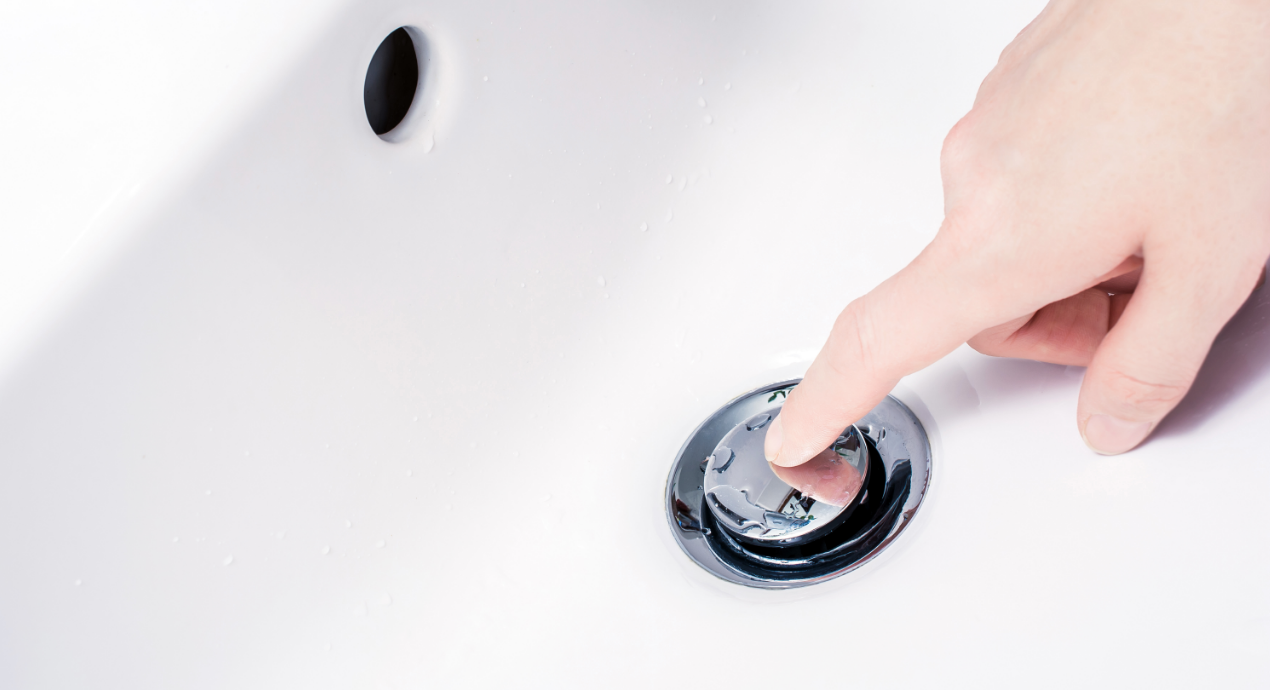
Toe-touch plugs open and close with a simple tap from your foot. This design helps keep hands clean and free. You press the plug with your toe to close it and tap again to open. Toe-touch plugs add convenience, especially during cooking or cleaning.
Choosing The Right Plug
Choosing the right kitchen sink clean-out plug is important for a good seal and easy use. A well-chosen plug stops water leaks and holds back debris. It makes cleaning and maintenance simpler. Consider material, size, and sink type for the best fit.
Material Options
Plugs come in different materials like rubber, silicone, and plastic. Rubber plugs are soft and flexible. Silicone plugs last longer and resist heat well. Plastic plugs are light and cheap but may wear out fast. Pick a material that fits your kitchen needs and budget.
Size And Fit
Measure your sink drain before buying a plug. The plug must fit snugly to stop water from leaking. Too small, and water escapes. Too large, and the plug won’t fit. Use a ruler or tape to get the exact diameter of the drain hole.
Compatibility With Sink Types
Different sinks need different plugs. Some sinks have flat drains; others have curved or deep ones. Check the shape of your drain and choose a plug that matches. Some plugs work for multiple sink types. Pick one that fits your sink style for better performance.
Installation Tips
Installing a kitchen sink clean-out plug can save time and prevent clogs. Proper installation ensures a tight seal and easy access for cleaning. Follow these tips to install your clean-out plug correctly and avoid common issues.
Tools You’ll Need
- Adjustable wrench
- Pipe wrench
- Plumber’s putty or silicone sealant
- Teflon tape
- Bucket (to catch water)
- Rag or cloth
Step-by-step Installation
- Turn off the water supply under the sink.
- Place a bucket under the drain to catch any water.
- Remove the old plug or cap with a wrench.
- Clean the threads and the surrounding area thoroughly.
- Wrap Teflon tape around the plug’s threads for a tight seal.
- Apply plumber’s putty or silicone sealant around the plug base.
- Insert the plug into the drain opening and tighten with a wrench.
- Wipe away any excess putty or sealant.
- Turn the water supply back on and check for leaks.
Common Installation Mistakes
- Not cleaning threads before installation causes poor sealing.
- Skipping Teflon tape leads to leaks around the plug.
- Over-tightening can crack the plug or drain pipe.
- Using the wrong size plug results in loose fitting.
- Neglecting to check for leaks wastes water and causes damage.
Credit: www.libertyhomeguard.com
Maintenance And Cleaning
Keeping your kitchen sink clean is important for hygiene and smooth drainage. Regular care of the sink clean out plug helps avoid bad smells and blockages. Simple cleaning and maintenance extend the life of your kitchen sink plug and keep your sink working well.
Regular Cleaning Methods
Clean the sink plug once a week. Remove the plug and wash it with warm soapy water. Use a soft brush to remove stuck dirt. Rinse it well before placing it back. Wipe the sink area around the plug daily. This prevents buildup of grime and food particles.
Preventing Clogs
Stop food scraps and grease from going down the drain. Use a strainer over the sink drain to catch debris. Avoid pouring oil or fat into the sink. Flush the drain with hot water after each use. This helps keep the pipes clear and free from blockages.
When To Replace Your Plug
Check the plug regularly for cracks or damage. Replace it if water starts leaking around the edges. A worn-out plug may not seal well, causing slow drainage. If the plug looks old or does not fit tightly, get a new one. Using a good plug keeps your sink clean and working properly.
Troubleshooting Common Issues
Troubles with kitchen sink clean out plugs can cause frustration. Simple problems often stop the sink from working right. Understanding common issues helps fix them fast. This guide covers easy fixes for leaks, stuck plugs, and slow drains.
Leaks And Seal Problems
Leaks around the clean out plug often mean the seal is bad. Check the rubber gasket for cracks or wear. Tighten the plug carefully, but avoid overtightening.
Replace the gasket if it looks old or damaged. Use plumber’s tape on the threads for better sealing. Clean the area before reassembling to stop leaks.
Stuck Or Jammed Plugs
Plugs can get stuck from rust, dirt, or buildup. Try turning it gently with a wrench. Avoid using too much force to prevent damage.
Use a lubricant like WD-40 to loosen the plug. Let it sit a few minutes before trying again. If stuck tight, tap the plug lightly with a hammer to break the seal.
Slow Drain Fixes
Slow drains often mean a partial clog near the clean out plug. Remove the plug and check for debris. Clean out hair, grease, and food bits carefully.
Flush the drain with hot water after cleaning. A mix of baking soda and vinegar can help clear minor blockages. Repeat the process if water still drains slowly.

Credit: carboncredits.com
Expert Tips And Tricks
Keeping your kitchen sink clean out plug in good shape saves time and money. Small actions can prevent big problems. Experts share simple tips and tricks for better care. These ideas help extend the plug’s life and keep it working well.
Extending Plug Lifespan
Clean the plug regularly to stop dirt buildup. Use mild soap and warm water. Avoid harsh chemicals that can damage the material. Check the plug for cracks or wear often. Replace it before it breaks to avoid leaks. Tighten any loose parts gently with a screwdriver.
Diy Repair Hacks
Fix small cracks with waterproof glue made for sinks. Use plumber’s tape on threads to stop leaks. Remove stuck plugs by twisting gently with rubber gloves for grip. Soak the plug in vinegar to clear mineral deposits. These fixes save money and delay replacement.
Choosing Eco-friendly Options
Select plugs made from recycled or biodegradable materials. These reduce waste and harm to the environment. Avoid plastic plugs with harmful chemicals. Look for products labeled as non-toxic and safe. Eco-friendly plugs often last longer and work well.
Frequently Asked Questions
What Is A Kitchen Sink Clean Out Plug?
A kitchen sink clean out plug blocks the drain access for cleaning. It prevents debris from clogging pipes. Removing it allows easy access to clear blockages. It is essential for routine sink maintenance and plumbing care.
How Do I Remove A Kitchen Sink Clean Out Plug?
Use a wrench or pliers to turn the plug counterclockwise. Apply steady pressure to avoid damaging the pipe. If stuck, apply penetrating oil and wait. Removing the plug gives access to clean out clogs effectively.
Why Is Cleaning Out The Kitchen Sink Plug Important?
Cleaning out the plug prevents blockages and slow drainage. It helps maintain good plumbing flow and hygiene. Regular cleaning avoids costly repairs and unpleasant odors. It ensures your kitchen sink works efficiently and lasts longer.
Can I Replace A Kitchen Sink Clean Out Plug Myself?
Yes, replacing the plug is a simple DIY task. Ensure you buy the correct size and type. Turn off the water supply before removal. Proper installation prevents leaks and plumbing issues. Always check for tight sealing after replacement.
Conclusion
A clean kitchen sink plug keeps water flowing well and avoids clogs. Regular cleaning stops bad smells and buildup. You can do it with simple tools and steps. Taking care of this small part saves time and money later. Keep your sink fresh and working smoothly every day.
Small efforts bring big results in kitchen care. Try these tips to make cleaning easy and quick. A clean sink plug means a happier kitchen space.