
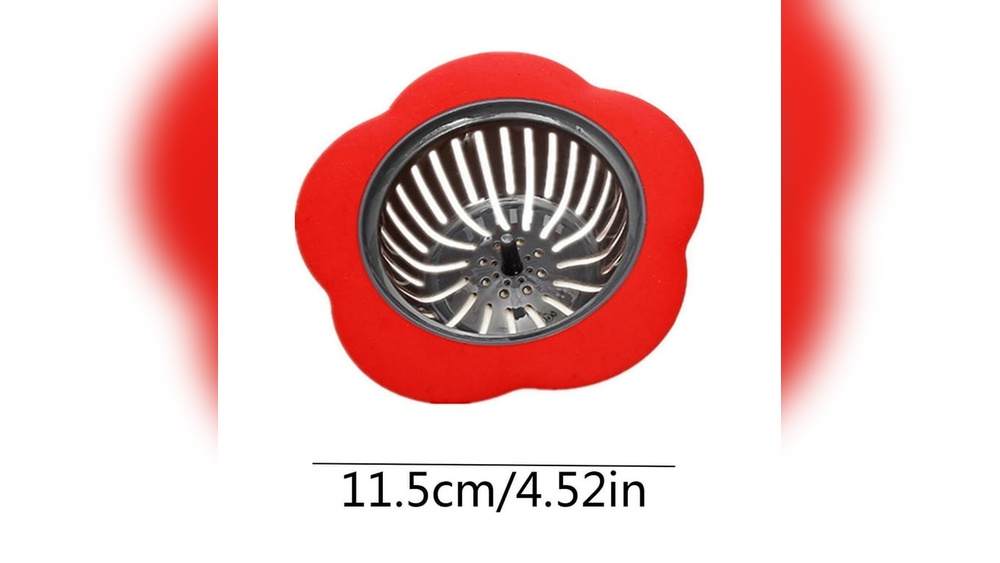
Is your kitchen sink draining slowly or giving off unpleasant odors? The problem might be hiding right beneath the surface—in the clean out red plug.
This small but powerful part plays a crucial role in keeping your sink’s pipes clear and flowing smoothly. If you’ve never checked it or don’t know how to clean it, you could be missing a simple fix that saves you time, money, and frustration.
Keep reading, and you’ll discover easy steps to tackle your kitchen sink clean-out red plug like a pro, so your sink works perfectly again.
Contents
Role Of The Red Plug
The red plug in a kitchen sink clean out plays an important role. It helps keep the drain system sealed and prevents leaks. This small part works quietly but is very useful. Understanding its role can help maintain a clean and functional kitchen sink.
The red plug also protects pipes from dirt and debris. It stops unwanted materials from entering the drain. This keeps the plumbing in good shape and avoids blockages.
Purpose In The Sink Drain
The red plug seals the clean out opening in the drain pipe. It stops water from escaping the plumbing system. This helps keep your kitchen dry and clean.
It also gives easy access to the drain for cleaning or repairs. Removing the red plug allows you to clear blockages quickly. It is a simple but important part of sink maintenance.
Material And Design
The red plug is usually made from durable plastic or rubber. These materials resist water and wear over time. The design fits tightly into the drain opening.
Its bright red color makes it easy to find during inspections. The plug’s shape helps create a strong seal. This prevents leaks and protects the pipes well.
Signs It Needs Cleaning
Knowing when your kitchen sink clean out red plug needs cleaning can save you from bigger problems. It helps keep your sink working well and free of bad smells. Watch for these clear signs to know when it is time to clean the red plug.
Slow Drainage
Water drains slowly from your kitchen sink. This shows the red plug may be blocked. Food scraps and grease can build up around it. Slow drainage means the plug needs cleaning soon. Act quickly to avoid clogged pipes.
Unpleasant Odors
Bad smells come from the kitchen sink area. The red plug can hold trapped food and dirt. Over time, this causes a foul odor. Cleaning the plug removes the source of the smell. Keep your kitchen fresh by checking the plug.
Visible Debris
You see food bits or gunk near the red plug. These blockages reduce water flow and cause clogs. Removing debris keeps the plug clear and working well. Regular checks stop dirt from building up too much.
Tools Required
Cleaning out the kitchen sink red plug requires some basic tools. These tools help you remove dirt and debris easily. Having the right supplies makes the task faster and less messy. Prepare your workspace with simple items that you likely have at home.
Basic Cleaning Supplies
Start with gloves to protect your hands from grime and bacteria. Use a sponge or scrub brush to clean the plug and sink area. Keep a bucket or bowl nearby to catch water or debris. Have some dish soap or mild cleaner to break down grease and dirt. A cloth or paper towels help dry and polish the area after cleaning.
Optional Specialized Tools
A small wire brush can help remove tough buildup around the plug. A plumber’s wrench or adjustable pliers may be needed to loosen the plug. A flashlight helps you see inside dark sink drains clearly. A drain snake or auger can clear clogs deeper in the pipe. These tools are not always necessary but make deeper cleaning easier.

Credit: www.familyhandyman.com
Step-by-step Cleaning Process
Cleaning the kitchen sink red plug is simple with clear steps. This process helps keep your sink draining well. Follow each part carefully for best results.
Safety Precautions
Wear gloves to protect your hands from dirt and germs. Use safety glasses if you expect splashes. Keep cleaning tools nearby. Work in a well-lit area. Avoid harsh chemicals that can damage pipes.
Removing The Red Plug
Locate the red plug under the sink. Turn it slowly to loosen. Use a wrench if it is tight. Place a bucket below to catch water. Remove the plug carefully to avoid spills.
Clearing Blockages
Check the plug and opening for debris. Use a brush or cloth to clean the plug. Remove any visible blockages inside the pipe. Pour warm water to flush out small bits. Repeat until water flows freely.
Reinstalling The Plug
Dry the plug and pipe opening. Insert the red plug back into place. Turn it clockwise to tighten. Avoid over-tightening to prevent damage. Test the sink for leaks by running water.
Preventive Maintenance Tips
Keeping your kitchen sink clean is key to avoiding clogs and bad smells. The red plug in your kitchen sink clean out helps trap debris. Taking care of it regularly saves time and money. Follow these simple tips for smooth drainage and a fresh kitchen.
Regular Cleaning Schedule
Clean the red plug once a week. Remove any visible dirt or food bits. Use a soft brush to scrub around the plug. This stops buildup and keeps water flowing well. Regular cleaning helps catch problems early.
Avoiding Common Blockages
Do not pour grease or oil down the drain. These substances harden and block pipes. Use a strainer to catch food scraps. Throw them in the trash, not the sink. Avoid washing large amounts of coffee grounds or egg shells.
Using Natural Cleaners
Choose natural cleaners like baking soda and vinegar. Pour half a cup of baking soda down the drain. Follow with half a cup of vinegar. Let it fizz for 10 minutes. Rinse with hot water to clear residue. These cleaners are safe and effective.

Credit: www.reddit.com
When To Call A Professional
Knowing when to call a professional for your kitchen sink clean out red plug saves time and avoids bigger problems. Some issues need expert help to fix properly. Acting early can prevent costly repairs and keep your sink working well.
Persistent Clogs
Clogs that do not clear with basic tools need a professional. Stubborn blockages may hide deeper in the pipes. A plumber has the right tools to remove tough clogs safely and quickly. Avoid using harsh chemicals that can damage your plumbing.
Damaged Red Plug
If the red plug is cracked, broken, or leaking, call a plumber. A damaged plug can cause water leaks and bad odors. Professionals can replace it with the correct part and ensure a tight fit. Trying to fix it yourself may cause more damage.
Other Plumbing Issues
Strange noises, slow draining, or bad smells around the sink need expert attention. These signs may mean hidden problems in your pipes. A plumber can inspect and fix these issues before they become serious. Early help keeps your kitchen sink safe and clean.

Credit: www.liquidplumr.com
Frequently Asked Questions
What Is A Kitchen Sink Clean Out Red Plug?
A kitchen sink clean out red plug is a removable cap on the drain pipe. It allows easy access for cleaning blockages. This plug helps maintain proper drainage and prevents clogs in your sink plumbing.
How Do I Remove The Kitchen Sink Clean Out Red Plug?
To remove the red plug, use a wrench or pliers carefully. Turn it counterclockwise to loosen. Always place a bucket underneath to catch any water or debris that may spill out during removal.
Why Is The Red Plug Important In Kitchen Plumbing?
The red plug provides access to the drain for cleaning and maintenance. It helps clear blockages without dismantling pipes. This plug ensures smooth water flow and prevents costly plumbing repairs by allowing quick clog removal.
Can The Red Plug Cause Kitchen Sink Leaks?
Yes, if the red plug is loose or damaged, it can cause leaks. Ensure it is tightly sealed after cleaning. Replace worn plugs promptly to maintain a watertight seal and avoid water damage under the sink.
Conclusion
Cleaning out your kitchen sink red plug keeps drains working well. It stops bad smells and clogs from building up. Regular checks help you catch problems early. Use simple tools to make the task easier. Small efforts save time and money later.
Keep your kitchen fresh and clean with this tip. A little care goes a long way for your sink. Try it today and notice the difference.