
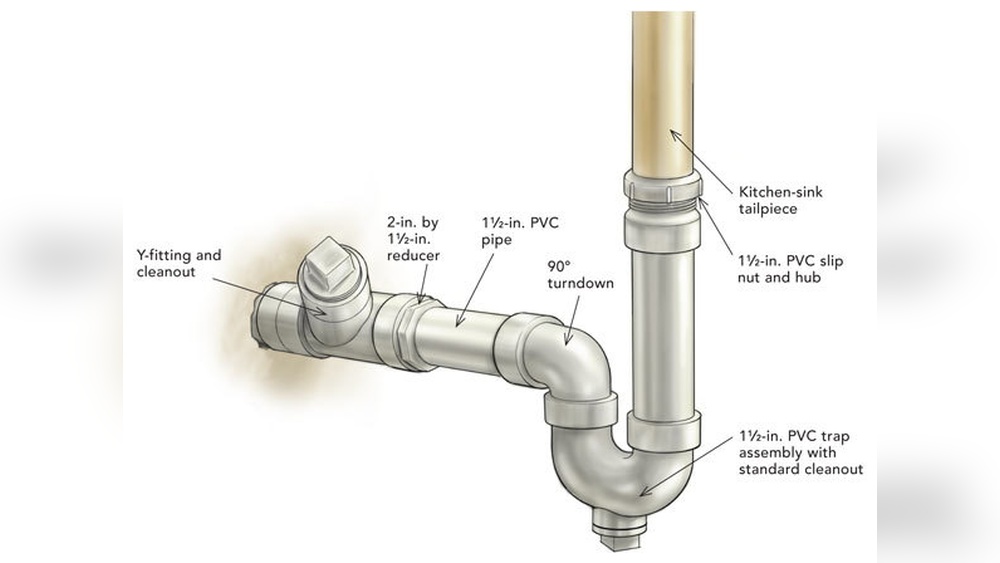
Is your kitchen sink draining slowly or giving off unpleasant odors? It might be time for a kitchen sink cleanout.
This simple task can save you from costly repairs and keep your kitchen fresh and functional. You’ll discover easy steps to clean out your sink drain, prevent future clogs, and maintain a healthy kitchen environment. Keep reading—your sink will thank you!
Contents
Why Clean Kitchen Sink Drains Matter
Clean kitchen sink drains play a key role in home maintenance. They keep water flowing freely and prevent many common problems. Neglecting them can lead to bad smells, slow drainage, and costly repairs. Regular cleaning saves time and money. It also helps keep the kitchen a healthy place.
Preventing Clogs And Odors
Food scraps, grease, and soap build up in drains over time. This causes blockages that slow water flow. Stagnant water traps odors. Cleaning removes these materials. It stops clogs before they start. Fresh drains mean a fresh-smelling kitchen.
Extending Plumbing Lifespan
Drain pipes wear out faster when clogged. Pressure from blockages can cause cracks or leaks. Cleaning drains reduces stress on plumbing. This helps pipes last longer. It lowers the chance of expensive repairs or replacements.
Maintaining Hygiene
Kitchens need high hygiene standards. Dirty drains breed bacteria and mold. These can spread germs onto dishes and food. Cleaning removes harmful buildup. It creates a safer and cleaner kitchen environment.
Credit: www.reddit.com
Common Causes Of Sink Drain Clogs
Sink drain clogs happen for many reasons. Knowing these causes helps keep your kitchen sink clear. Some blockages form slowly. Others appear suddenly and cause water to back up fast.
Here are the most common reasons your sink drain may clog. Understanding each can help prevent messy cleanouts.
Food Debris And Grease
Food scraps often go down the drain during washing. Bits of vegetables, coffee grounds, and small seeds build up inside pipes. Over time, they form thick clogs that stop water flow.
Grease and oil from cooking harden inside pipes. This sticky layer traps more debris and narrows the drain. Pouring grease down the sink causes serious blockages.
Soap Scum Buildup
Soap mixes with minerals in water, forming soap scum. This white, chalky residue sticks to pipe walls. It creates rough surfaces that catch hair and dirt. Soap scum accumulates slowly but blocks drains eventually.
Bar soap leaves more scum than liquid soap. Hard water increases buildup speed. Regular cleaning can reduce this problem.
Foreign Objects
Sometimes, small items accidentally fall into the sink. Toothpicks, jewelry, or pieces of packaging can block pipes. These objects stop water and waste from passing through easily.
Children’s toys or utensils left near the drain may fall in. Removing foreign objects quickly prevents bigger clogs and costly repairs.
Tools And Supplies For Sink Cleanout
Cleaning a kitchen sink can be simple with the right tools and supplies. Using proper items helps clear clogs and keep drains fresh. This section covers basic tools, natural cleaners, and chemical options for your sink cleanout.
Basic Cleaning Tools
Start with a sturdy plunger to push and pull blockages. A drain snake or auger helps reach deep clogs. Use a bucket to catch water when removing pipes. Rubber gloves protect hands from dirt and germs. A scrub brush or old toothbrush cleans pipe surfaces and sink areas.
Natural Cleaning Agents
Baking soda and vinegar work well for mild clogs. Pour baking soda down the drain, then add vinegar. Wait a few minutes before flushing with hot water. Lemon juice can freshen smells and cut grease. These agents are safe and gentle on pipes and the environment.
Chemical Drain Cleaners
Chemical cleaners dissolve tough blockages fast. Choose a product designed for kitchen drains. Follow label instructions carefully to avoid damage or injury. Use gloves and ensure proper ventilation. Avoid frequent use to protect your pipes and plumbing system.
Step-by-step Cleaning Process
Cleaning a kitchen sink cleanout is simple with the right steps. Following a clear process helps keep drains fresh and free from clogs. This guide breaks down the cleaning into easy parts anyone can do.
Preparing The Area
Clear the space under the sink. Remove any items that might get wet or damaged. Lay down old towels or a plastic sheet to catch spills. Put on gloves to protect your hands from dirt and grime.
Removing Visible Debris
Check the cleanout for any loose dirt or food bits. Use a small brush or cloth to wipe away debris. Remove any stuck particles carefully to avoid pushing them deeper. This step makes the next cleaning more effective.
Using Natural Cleaners
Mix baking soda and vinegar for a safe, natural cleaner. Pour half a cup of baking soda into the cleanout. Follow with half a cup of vinegar. Let the mixture foam and sit for 15 minutes. It breaks down grease and neutralizes odors.
Flushing The Drain
Boil a pot of water while waiting. Pour the hot water slowly into the drain. This flushes out loosened dirt and cleaner residue. Repeat if necessary to clear away all buildup. Hot water helps keep pipes clear and fresh.
Handling Stubborn Clogs
Use a plunger to loosen tough blockages. Place it over the cleanout and pump gently several times. For stronger clogs, a drain snake can reach deeper. Insert the snake and twist to break up the clog. Avoid harsh chemicals that can harm pipes.
Preventive Tips For Sparkling Drains
Keeping your kitchen sink drains clean and clear prevents clogs and bad smells. Simple steps help maintain fresh, flowing drains every day. These preventive tips save time and avoid costly repairs.
Regular Maintenance Habits
Flush drains with hot water weekly to clear grease buildup. Use a mixture of baking soda and vinegar once a month. Let it sit for 10 minutes, then rinse well. Avoid letting food scraps sit in the drain. Clean the sink stopper regularly to remove trapped debris.
Proper Disposal Practices
Do not pour oil or grease down the drain. These substances harden and cause blockages. Dispose of coffee grounds and food scraps in the trash. Avoid flushing large food pieces or fibrous materials. These can stick to pipes and slow drainage.
Installing Drain Screens
Use drain screens to catch hair and food particles. Clean the screens daily to prevent buildup. Screens are inexpensive and easy to install. They protect pipes and keep drains clear longer. A simple tool for a cleaner kitchen sink.

Credit: www.reddit.com
When To Call A Professional
Knowing when to call a professional for a kitchen sink cleanout can save you time and money. Some problems look small but hide bigger issues. Experts have the tools and skills to fix blockages safely and fast.
Signs Of Serious Blockages
Slow-draining water is a common sign of blockage. Water backing up into the sink or nearby drains shows a severe clog. Foul smells coming from the drain indicate trapped debris. Gurgling sounds from the pipes often mean air is trapped by a blockage. These signs suggest that a professional should check your sink soon.
Avoiding Diy Mistakes
Using harsh chemicals can damage pipes and harm the environment. Trying to force a clog with tools may cause leaks or broken pipes. Removing the trap without knowing the plumbing system can lead to spills and mess. Professionals know the right methods and tools to clear blockages safely. Calling an expert avoids costly repairs and keeps your kitchen clean.

Credit: www.youtube.com
Frequently Asked Questions
What Is A Kitchen Sink Cleanout?
A kitchen sink cleanout is an access point to clear clogs in drain pipes. It helps maintain smooth water flow and prevent backups.
How Often Should I Perform a Kitchen Sink Cleanout?
Perform a kitchen sink cleanout every 6 to 12 months or when slow drainage occurs. Regular cleanouts prevent blockages and plumbing issues.
Can I Do A Kitchen Sink Cleanout Myself?
Yes, you can clean out your kitchen sink using basic tools. However, for severe clogs, contacting a professional plumber is recommended.
What Tools Do I Need For a Kitchen Sink Cleanout?
Common tools include a plumber’s wrench, bucket, gloves, and drain snake. These help safely remove debris blocking your kitchen sink drain.
Conclusion
A clean kitchen sink helps prevent clogs and bad smells. Regular cleanouts keep water flowing smoothly. Small efforts stop big plumbing problems later. Use simple tools and safe cleaners for best results. Keep your sink fresh and your kitchen happy.
A little care goes a long way. Start cleaning today for a healthier home.