
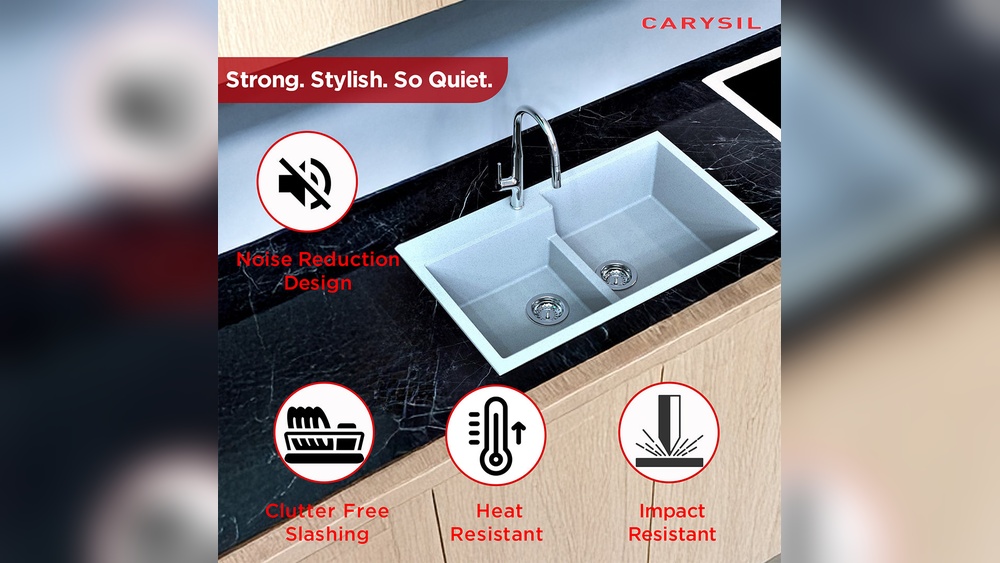
Is your kitchen sink making annoying noises every time you turn on the tap or wash dishes? That constant clanging or dripping can be more than just a small nuisance—it can disrupt your peace and make your kitchen feel less comfortable.
But what if you could fix those sounds quickly and easily? You’ll discover simple, effective tips to reduce kitchen sink noise. These solutions will help you enjoy a quieter, more relaxing kitchen space. Keep reading, and you’ll find out exactly how to make your sink stop shouting and start whispering.

Credit: www.carysilshop.com
Contents
Common Causes Of Kitchen Sink Noise
Kitchen sink noise can be a common problem in many homes. It often causes frustration during daily tasks. Understanding the main causes helps to reduce or stop the noise. Identifying the source is the first step to a quieter kitchen.
Water Flow Sounds
Water moving through pipes creates natural noise. High water pressure can make sounds louder. Fast water flow may cause splashing and gurgling noises. These sounds can echo in metal pipes, increasing the noise level.
Pipe Vibrations
Pipes may vibrate when water flows quickly. Loose pipes or fittings often cause this vibration. It creates banging or rattling sounds inside walls. Tightening the pipes can reduce or stop these noises.
Drain Blockages
Clogs in the drain slow down water flow. Water struggles to pass through blocked pipes. This struggle causes gurgling or bubbling sounds. Clearing the blockage usually stops these noises.
Garbage Disposal Noise
Garbage disposals make noise during use. Some sounds are normal while grinding food. Loud rattling or grinding may mean a problem. Objects stuck inside or worn parts cause noise. Regular cleaning helps keep the disposal quiet.

Credit: www.carysilshop.com
Simple Fixes For Noisy Faucets
Noisy faucets can be annoying and disrupt your kitchen. Simple fixes can stop the noise fast. These easy steps do not need special tools or skills.
Fixing a noisy faucet saves money and avoids calling a plumber. Small repairs often make a big difference in noise levels. Try these simple tips to bring peace back to your kitchen.
Tightening Loose Parts
Loose parts inside your faucet cause rattling sounds. Use a wrench or screwdriver to check all screws and nuts. Tighten anything that feels loose. This often stops the noise quickly. Be careful not to over-tighten and damage parts.
Replacing Worn Washers
Worn washers inside the faucet can create humming or banging noises. Turn off the water supply first. Remove the faucet handle to find the washer. Replace old washers with new ones of the same size. This fix reduces noise and leaks.
Adjusting Water Pressure
High water pressure can make faucets noisy. Lower the pressure by adjusting the valve near your main water line. Test the faucet after adjusting. Ideal pressure is usually between 40 to 60 psi. Proper pressure keeps your faucet quiet and safe.
Reducing Pipe Noise
Reducing pipe noise in your kitchen sink can make your home more peaceful. Pipes often make sounds due to loose fittings, vibrations, or lack of insulation. Fixing these issues can lower the noise and improve your comfort. Try simple steps to quiet those pipes effectively.
Securing Loose Pipes
Loose pipes move and hit walls or beams, causing noise. Check under your sink for any pipes that wiggle. Use pipe clamps or brackets to hold pipes tightly in place. Tightening these supports stops pipes from banging and rattling. Secure pipes at regular intervals along their length.
Adding Pipe Insulation
Pipe insulation wraps around pipes to reduce noise and heat loss. Foam or rubber sleeves are common insulation materials. Slide the insulation over noisy pipes to soften vibrations. Insulation also prevents pipes from touching hard surfaces directly. Cover all exposed pipes under the sink for best results.
Using Soundproofing Materials
Soundproofing materials absorb and block noise near pipes. Acoustic foam or mass-loaded vinyl can be placed around pipes or inside cabinets. These materials reduce echo and pipe noise transmission. Attach soundproofing inside the cabinet walls or under the sink base. It helps create a quieter kitchen environment.

Credit: www.leftonhome.com
Minimizing Garbage Disposal Sounds
Garbage disposals often create loud noises that disturb the kitchen’s calm. Reducing these sounds makes the kitchen more comfortable. Simple steps can help lower the noise from your garbage disposal. This section shares practical tips to minimize these sounds effectively.
Regular Cleaning Tips
Clean the disposal often to keep it quiet. Food buildup causes bad smells and loud grinding. Use ice cubes and salt to scrub the blades gently. Citrus peels help freshen the smell and reduce noise. Avoid hard objects that may damage the unit and increase noise. A clean disposal runs smoother and quieter.
Installing Sound Baffles
Sound baffles block noise from escaping the sink area. These are soft pads placed around the disposal. They absorb vibrations and reduce loud sounds. Installing baffles is simple and affordable. Check that the baffles fit your disposal model well. They help create a quieter kitchen environment.
Choosing Quieter Models
Some garbage disposals make less noise by design. Look for models with sound insulation features. These have extra layers that reduce vibration noise. Compact motors and rubber mounts also lower sound levels. Quieter models improve kitchen comfort significantly. Consider noise ratings before buying a new disposal.
Drain Maintenance For Noise Control
Drain maintenance plays a key role in reducing kitchen sink noise. A clean drain allows water to flow smoothly. This reduces loud gurgling and banging sounds. Regular care helps keep your kitchen quiet and comfortable. Simple steps keep drains clear and noise low.
Clearing Clogs Effectively
Clogs cause water to back up and make noise. Use a plunger to push blockages through. Avoid harsh chemicals that can damage pipes. A drain snake can reach deep clogs safely. Clear drains let water flow without noise.
Using Enzyme Cleaners
Enzyme cleaners break down grease and food waste naturally. They work slowly but keep pipes clean. Use these cleaners weekly to maintain quiet drains. They are safe for pipes and the environment. Enzymes prevent buildup that causes noise.
Preventing Future Blockages
Prevent clogs by avoiding food scraps in the sink. Use a drain strainer to catch debris. Run hot water after each use to flush pipes. Regular cleaning stops blockages from forming. Clear drains mean less noise and fewer repairs.
Diy Soundproofing Hacks
Reducing noise from your kitchen sink can make your home more peaceful. Simple DIY methods work well to cut down sound. These hacks use common materials and easy steps. You can try them yourself without special tools. Let’s explore some effective ways to soundproof your kitchen sink.
Adding Rubber Mats
Place rubber mats under the sink basin. Rubber absorbs vibrations and stops noise from echoing. Cut mats to fit around pipes and sink edges. This method cushions the sink and reduces loud sounds. Rubber mats are cheap and easy to install.
Using Acoustic Foam
Attach acoustic foam panels inside the cabinet walls. Foam traps sound waves and lowers noise levels. Use adhesive spray or double-sided tape to fix the foam. Choose thick foam for better sound absorption. This hack stops noise from bouncing off hard surfaces.
Sealing Sink Gaps
Check for gaps around the sink and pipes. Use silicone caulk or weather stripping to seal openings. Sealing gaps blocks noise from escaping the cabinet. It also prevents water leaks and drafts. Small cracks can cause loud sounds, so seal them well.
Frequently Asked Questions
How Can I Reduce Kitchen Sink Noise Effectively?
To reduce kitchen sink noise, install soundproofing pads under the sink. Use insulated pipes and avoid metal strainers. Regular maintenance also helps prevent rattling sounds. These steps minimize vibrations and water flow noise efficiently.
What Materials Help In Kitchen Sink Noise Reduction?
Rubber or foam soundproofing pads and insulation sleeves are effective materials. They absorb vibrations and dampen noise from water flow and plumbing fixtures. Using these materials around pipes and sink surfaces significantly lowers sound levels.
Why Is My Kitchen Sink Making Loud Noises?
Loud kitchen sink noises often come from loose pipes, water hammer, or poor insulation. Vibrations from metal fittings amplify sounds. Tightening fittings and adding insulation usually solves the noise issues quickly.
Can I Install Noise-reducing Sinks Myself?
Yes, many noise-reducing sinks come with DIY-friendly installation guides. Using sinks with sound-deadening pads or thicker materials cuts noise. However, professional help may be needed for complex plumbing adjustments.
Conclusion
Reducing kitchen sink noise improves your home’s comfort. Simple steps like adding insulation or using soft mats help a lot. Fixing loose pipes also cuts down noise quickly. Small changes make a big difference over time. Enjoy a quieter kitchen space every day.
Keep these tips in mind for easy noise control. Your kitchen will feel calm and peaceful again. Try these ideas and notice the change soon.