
Is the constant noise from your kitchen sink driving you crazy? You’re not alone.
That dripping, clanking, or gurgling sound can turn a peaceful kitchen into a noisy distraction. But what if you could enjoy a quieter, more relaxing space without expensive repairs or complicated fixes? You’ll discover simple and effective kitchen sink noise reduction tips that anyone can use.
Keep reading to find out how to bring calm back to your kitchen and finally say goodbye to those annoying sink sounds.

Credit: www.carysilshop.com
Contents
Common Causes Of Kitchen Sink Noise
Kitchen sink noises can be frustrating. They interrupt quiet moments and make simple tasks annoying. Understanding common causes helps reduce these sounds. The noises often come from water flow, loose parts, drainage issues, or garbage disposal. Knowing these causes can guide you to fix or prevent the noise.
Vibrations From Water Flow
Water flowing through pipes can cause vibrations. These vibrations create humming or rattling sounds. High water pressure or sharp turns in pipes often increase noise. Pipes touching walls or cabinets also make sounds louder. Reducing water speed or securing pipes helps lower vibrations.
Loose Pipes And Fixtures
Loose pipes and fixtures are common noise sources. When pipes are not tightly fastened, they move and hit nearby surfaces. Faucets or sink mounts can also loosen over time. Tightening these parts stops the rattling and banging noises. Regular checks prevent these problems from growing.
Drainage System Noises
Drainage systems can create gurgling or bubbling sounds. These noises happen when air gets trapped in the pipes. Clogged or slow drains often cause this issue. Cleaning the drain and ensuring smooth water flow reduces noise. Proper venting in the plumbing also helps prevent sounds.
Garbage Disposal Sounds
Garbage disposals produce grinding or buzzing noises. These sounds occur during normal use or if something is stuck. Over time, parts inside the disposal may loosen or wear out. Regular maintenance and careful use keep noises to a minimum. Clearing jams promptly avoids loud, harsh sounds.

Credit: www.leftonhome.com
Quick Fixes For Reducing Noise
Kitchen sink noises can be annoying and distracting. Quick fixes help reduce these sounds fast. They prevent the noise from getting worse. Most fixes need only a few tools and little time.
Try these simple steps to make your sink quieter. They work well for common noise causes. You can do these fixes yourself without calling a plumber.
Tightening Loose Components
Loose parts often cause rattling sounds. Check the pipes under your sink first. Use a wrench to tighten nuts and bolts. Secure brackets and clamps holding the pipes. Tighten the faucet base if it moves. A firm sink setup cuts down noise a lot.
Applying Soundproofing Tape
Soundproofing tape stops vibrations from spreading. Wrap it around noisy pipes and fittings. It absorbs sound waves and softens noise. Choose thick foam tape made for plumbing. This simple layer lowers pipe clatter and banging. It lasts long and stays stuck well.
Using Rubber Pads
Rubber pads cushion parts that touch metal. Place pads between pipes and walls or cabinets. They block metal-on-metal contact, causing noise. Pads are cheap and easy to fit. They reduce knocking sounds when water runs fast. Use thick pads for best results.
Adjusting Water Pressure
High water pressure makes pipes noisy. Check your home’s water pressure with a gauge. Ideal pressure is between 40 and 60 psi. Turn down the valve near your water meter. Lower pressure means less pipe vibration and noise. This fix saves water and protects pipes.
Upgrading Sink Materials
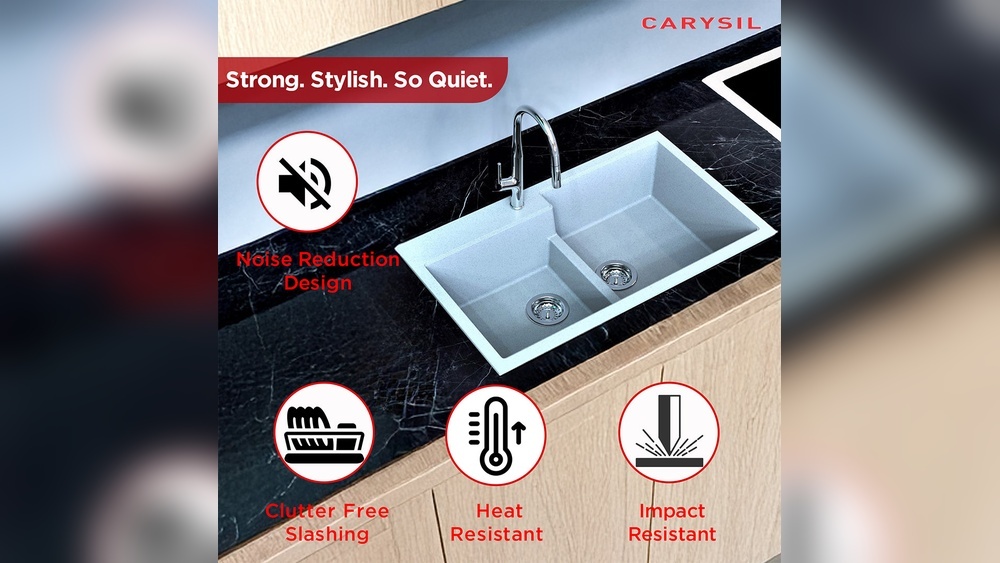
Upgrading your kitchen sink material can greatly reduce annoying noise. Old sinks often create loud sounds when water hits the surface. Choosing the right sink type helps make your kitchen quieter and more pleasant. Some materials absorb sound better than others. Changing to a noise-reducing sink is a smart way to cut down on clatter.
Choosing Noise-reducing Sink Types
Some sink materials naturally lower noise better than others. Stainless steel sinks are popular but can be loud. Thicker steel or sinks with sound pads reduce noise a lot. Granite and composite sinks absorb sound well. Cast iron sinks also help block sound, nd but can be heavy and costly. Pick a sink type that fits your needs and budget.
Benefits Of Composite Sinks
Composite sinks mix natural stone and resin. They have a dense surface that cuts noise effectively. These sinks feel solid and stop water noise better than metal. Composite sinks resist scratches and stains, too. They come in many colors and styles to match your kitchen. This sink type offers a quiet and durable solution.
Soundproofing Undermount Sinks
Undermount sinks attach beneath the countertop. They can be noisy if not insulated properly. Adding soundproof pads or sprays under the sink reduces vibrations. Foam or rubber liners also dampen noise. Seal gaps, the sink, and the counter to block sound leaks. Soundproofing makes undermount sinks much quieter to use.

Credit: www.carysilshop.com
Enhancing Drain And Pipe Insulation
Kitchen sink noises often come from pipes and drains. These sounds can be loud and annoying. Enhancing drain and pipe insulation helps reduce these noises. It stops vibrations and muffles sound. Simple steps can make a big difference in noise levels.
Wrapping Pipes With Foam
Foam pipe insulation is easy to install. It covers pipes and reduces sound vibrations. This foam acts as a cushion around pipes. It also prevents pipes from knocking against walls. Use foam sleeves or wrap strips tightly around pipes.
Installing Pipe Clamps
Pipe clamps hold pipes firmly in place. Loose pipes create noise when water flows. Clamps stop pipes from moving and hitting surfaces. Use rubber-lined clamps for extra sound absorption. Secure clamps at regular intervals along the pipe.
Adding Drain Soundproofing Pads
Soundproofing pads fit around drain pipes. These pads absorb noise from water flow. They are made of soft, dense materials. Attach pads directly to the drain pipe surface. This method lowers loud, draining sounds effectively.
Maintaining Garbage Disposal Silence
Garbage disposals often create noise that can disturb your kitchen peace. Keeping them quiet helps maintain a calm home environment. Simple steps can reduce sounds and keep the disposal running smoothly.
Regular care prevents buildup and clogs that cause noise. Small changes make a big difference in noise levels.
Regular Cleaning Tips
Clean your garbage disposal weekly to avoid odors and noise. Use cold water and dish soap while running the disposal. This clears grease and small food particles.
Grind ice cubes and citrus peels to sharpen blades and freshen smells. Avoid hard items like bones or fruit pits that damage parts and increase noise.
Using Sound Dampening Rings
Installs sound-dampening rings around the disposal unit. These rubber or foam rings absorb vibrations and reduce noise. They are easy to fit and cost-effective.
Check for worn or missing rings if the increases. Replace them to restore quiet operation.
Replacing Old Disposal Units
Old disposals often get louder with age. Parts wear down and cause more noise. Consider replacing units older than 10 years.
New models run quieter and use less energy. Choose one with noise-reducing features for better results.
Preventing Future Noise Issues
Preventing future noise issues in your kitchen sink saves time and stress. Small sounds can signal bigger problems ahead. Catching these early keeps your kitchen quiet and your plumbing healthy. Follow simple steps to stop noise before it starts.
Routine Inspection Practices
Check your sink and pipes regularly. Look for loose parts or dripping water. Tighten any loose screws or fittings. Clear debris that may block pipes. Routine checks catch problems early, reducing noise risks.
Professional Plumbing Checkups
Schedule plumbing inspections every year. Experts spot hidden issues not visible. They test water pressure and pipe conditions. Early professional care prevents costly repairs later. Quiet kitchens start with expert advice.
Upgrading Old Plumbing Systems
Old pipes often cause noise due to wear. Replace rusted or corroded pipes with new ones. Use materials designed to reduce sound, like PVC. Upgraded systems run smoothly and silently. Investing in new plumbing protects your home’s peace.
Frequently Asked Questions
How Can I Reduce Noise From My Kitchen Sink?
Use soundproofing pads under the sink and apply pipe insulation. Tighten loose fittings and install rubber gaskets. These steps absorb vibrations and reduce noise effectively.
What Materials Help Minimize Kitchen Sink Noise?
Foam or rubber pads and pipe insulation are excellent. They absorb sound and prevent vibrations. These materials are affordable and easy to install.
Does A Double-basin Sink Affect Noise Levels?
Yes, double-basin sinks can reduce noise by isolating vibrations. The separation helps in dampening sound better than single-basin sinks.
Can Faucet Type Impact Kitchen Sink Noise?
Yes, faucets with ceramic disc cartridges operate quietly. Avoid noisy, older faucet types to reduce water flow noise.
Conclusion
Reducing kitchen sink noise makes daily chores more peaceful. Simple steps like adding soundproof mats help a lot. Tightening loose parts stops annoying rattles fast. Using soft materials cuts down loud clinks and bangs. Quiet sinks create a calm kitchen space that everyone enjoys.
Try these easy tips to make your sink less noisy. A quieter kitchen feels more comfortable and relaxing. Small changes bring big comfort every day. Keep noise low for a happier home.