
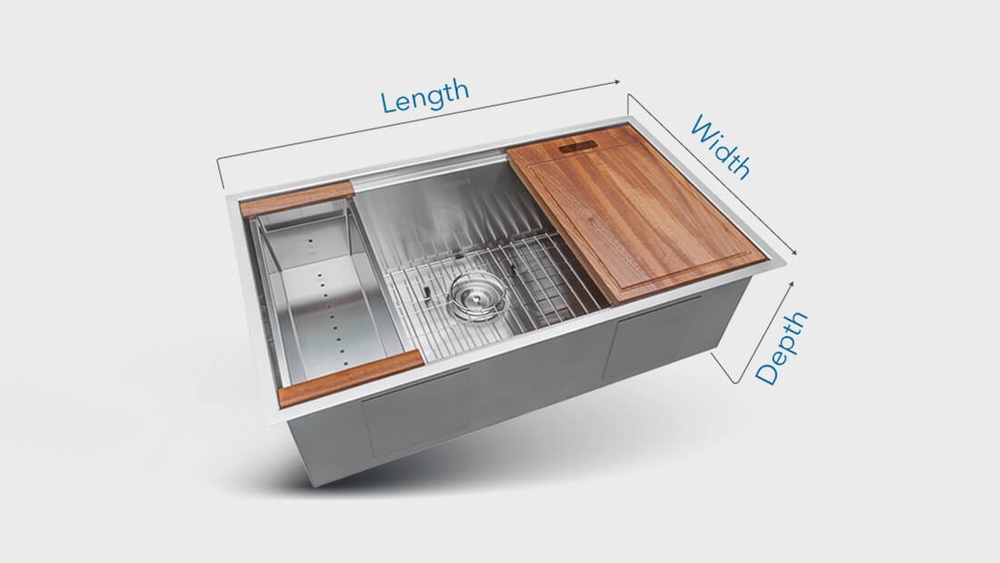
Choosing the right kitchen sink size can change how smoothly your daily tasks flow. If your sink is too small, washing dishes becomes a hassle.
Too big, and it might crowd your countertop or cabinet space. You want a sink that fits perfectly with your kitchen layout and matches your lifestyle. This guide will help you find the ideal kitchen sink size, so you can make confident decisions that save you time, effort, and frustration.
Keep reading to discover what size works best for you and how to measure your space like a pro.
Contents
Common Sink Sizes
Kitchen sinks come in many sizes. Choosing the right size affects your kitchen’s look and function. Sinks must fit your counter space and daily needs. Understanding common sink sizes helps make a better choice.
Standard Dimensions
Standard kitchen sinks usually measure 22 inches wide by 30 inches long. These sizes fit most kitchen counters easily. They balance space and usability well. Most homes use these common dimensions.
Compact Options
Compact sinks are smaller, usually under 22 inches wide. They save space in small kitchens. Perfect for apartments or tiny homes. These sinks fit well in tight areas without crowding.
Oversized Models
Oversized sinks are larger than 30 inches long. They offer more space for washing big pots and pans. Ideal for busy kitchens or families. They need more counter space but add strong utility.
Measuring Your Space
Measuring your space is the first step in choosing the right kitchen sink size. Accurate measurements help avoid problems during installation. Knowing your space limits ensures the sink fits perfectly. Take your time and measure carefully for the best results.
Cabinet Width
Start by measuring the width of the cabinet under the sink. This width limits how large your sink can be. Measure from one inner edge to the other. Write down the measurement and keep it handy. Remember, the sink must fit inside this space comfortably.
Countertop Cutout
The countertop cutout is the hole where the sink will sit. Measure the width and length of this cutout. Check if the existing cutout matches your new sink size. If not, you may need to adjust the countertop. Accurate cutout size helps the sink fit well and stay secure.
Depth Considerations
Depth affects how much space the sink takes below the countertop. Measure from the countertop surface down to the bottom of the cabinet. Make sure there is enough room for pipes and garbage disposals. A sink too deep can cause problems under the sink. Choose a depth that fits your cabinet space and your needs.
Sink Types And Sizes
Choosing the right kitchen sink size starts with understanding sink types. Each type suits different needs and kitchen spaces. Sizes vary widely, affecting how you use your sink every day.
Sinks come in single, double, or triple bowl designs. Each offers unique benefits for washing, rinsing, and food prep. Knowing these options helps find the best fit for your kitchen.
Single Bowl Sinks
Single bowl sinks have one large basin. They provide plenty of space for washing big pots and pans. These sinks often measure between 22 to 33 inches wide. They fit well in smaller kitchens or modern designs. Their simple design makes cleaning quick and easy.
Double Bowl Sinks
Double bowl sinks have two separate basins. Sizes usually range from 30 to 36 inches wide. This design helps separate tasks like washing and rinsing. One bowl can hold dirty dishes, while the other stays free for food prep. Double bowls work well in busy kitchens with multiple users.
Triple Bowl Sinks
Triple bowl sinks include three basins for more flexibility. They are wider, often 36 to 48 inches across. This type suits large kitchens and those who cook a lot. You can wash, rinse, and prep all at once. Triple bowls offer the most space but need a big countertop.
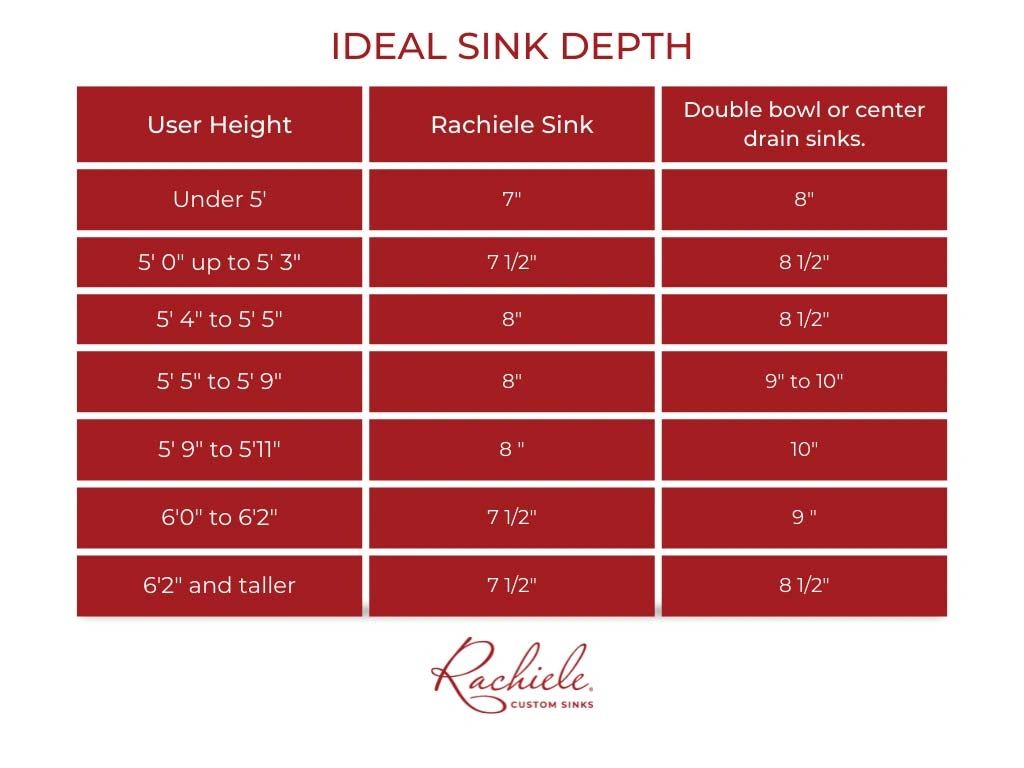
Credit: rachiele.com
Material Impact On Size
Choosing the right kitchen sink size depends on the material. Different materials affect the sink’s thickness and weight. These factors change the overall size and installation options. Knowing how material impacts size helps pick the best sink for your kitchen.
Stainless Steel
Stainless steel sinks are thin and lightweight. They usually have a thickness between 16 and 22 gauge. Thinner steel means a smaller sink edge and more usable space inside. Thicker steel adds durability but can make the sink edges wider. This affects the sink’s overall size and how it fits into your countertop.
Composite Granite
Composite granite sinks are thicker and heavier than steel sinks. Their solid structure adds bulk to the sink’s dimensions. The edges tend to be wider to support the weight. This can reduce the size of the basin area. Countertop support is important for these sinks due to their weight.
Fireclay And Porcelain
Fireclay and porcelain sinks are thick and heavy. Their material requires extra space for strong edges and rims. These sinks have a deep basin but often a larger footprint. They need sturdy cabinets for support. The size of these sinks can affect kitchen layout and cabinet design.
Choosing Based On Usage
Choosing the right kitchen sink size depends on how you use your kitchen daily. The sink should fit your cooking and cleaning style. It must support your tasks without wasting space. Below are tips to pick the right sink size based on different usage needs.
Family Needs
Families often need larger sinks. Bigger sinks handle more dishes and pots easily. They allow washing big pans without splashing water outside. A double-bowl sink helps separate dirty dishes from clean ones. This saves time and keeps the kitchen tidy.
Entertaining Spaces
Kitchens that host guests benefit from wide, deep sinks. These sinks manage many plates and glasses quickly. They help clean up faster after parties. Choose sinks with accessories like cutting boards or colanders. These add convenience during food prep and cleanup.
Small Apartment Kitchens
Small kitchens need compact sinks to save space. A single-bowl sink works well in tight areas. Look for sinks with a simple, clean design. These keep the kitchen looking neat and open. Smaller sinks still offer enough room for daily tasks.

Credit: www.angi.com
Installation Types Affecting Size
Kitchen sink size depends a lot on the installation type. Different types need different spaces and shapes. Knowing these types helps you pick the right size for your kitchen.
Top-mount Sinks
Top-mount sinks sit on top of the countertop. They have a rim that rests on the surface. This rim adds a little extra width and length. Usually, these sinks are easier to install and replace. Their size fits the cutout in the countertop. You must measure the cutout carefully to get the right fit.
Undermount Sinks
Undermount sinks attach below the countertop. They do not have a rim on top. This type needs precise measurements for the sink and countertop. The sink size affects the countertop cutout size. Undermount sinks offer a clean look and more countertop space. The sink size must match the cabinet size below.
Farmhouse Sinks
Farmhouse sinks have a big front apron that sticks out. They are usually deeper and wider than other sinks. This style needs more room in front of the cabinet. The sink size affects the cabinet design and space in the kitchen. Farmhouse sinks work well in larger kitchens with wide counters.
Additional Features And Size
Choosing the right kitchen sink size is more than just measuring the basin. Extra features can affect your sink’s size and function. Understanding these features helps you pick a sink that fits your kitchen and your needs.
Integrated Drainboards
Integrated drainboards add extra space for drying dishes. They are built into the sink itself. This feature increases the overall width of the sink. Drainboards keep your countertop dry and clean. Sinks with drainboards need more room in your kitchen layout.
Accessory Compatibility
Many sinks support extra accessories like cutting boards and colanders. These fit inside the sink or over the edges. Accessories save countertop space and make kitchen tasks easier. Check the sink size to ensure accessories fit well. Some sinks have special ledges or grooves for these tools.
Garbage Disposal Space
Garbage disposals require enough space under the sink. The sink bowl size affects how much space is left for disposal units. Smaller sinks might limit your disposal options. Make sure your cabinet and plumbing can hold the disposal. This prevents installation problems and saves time later.
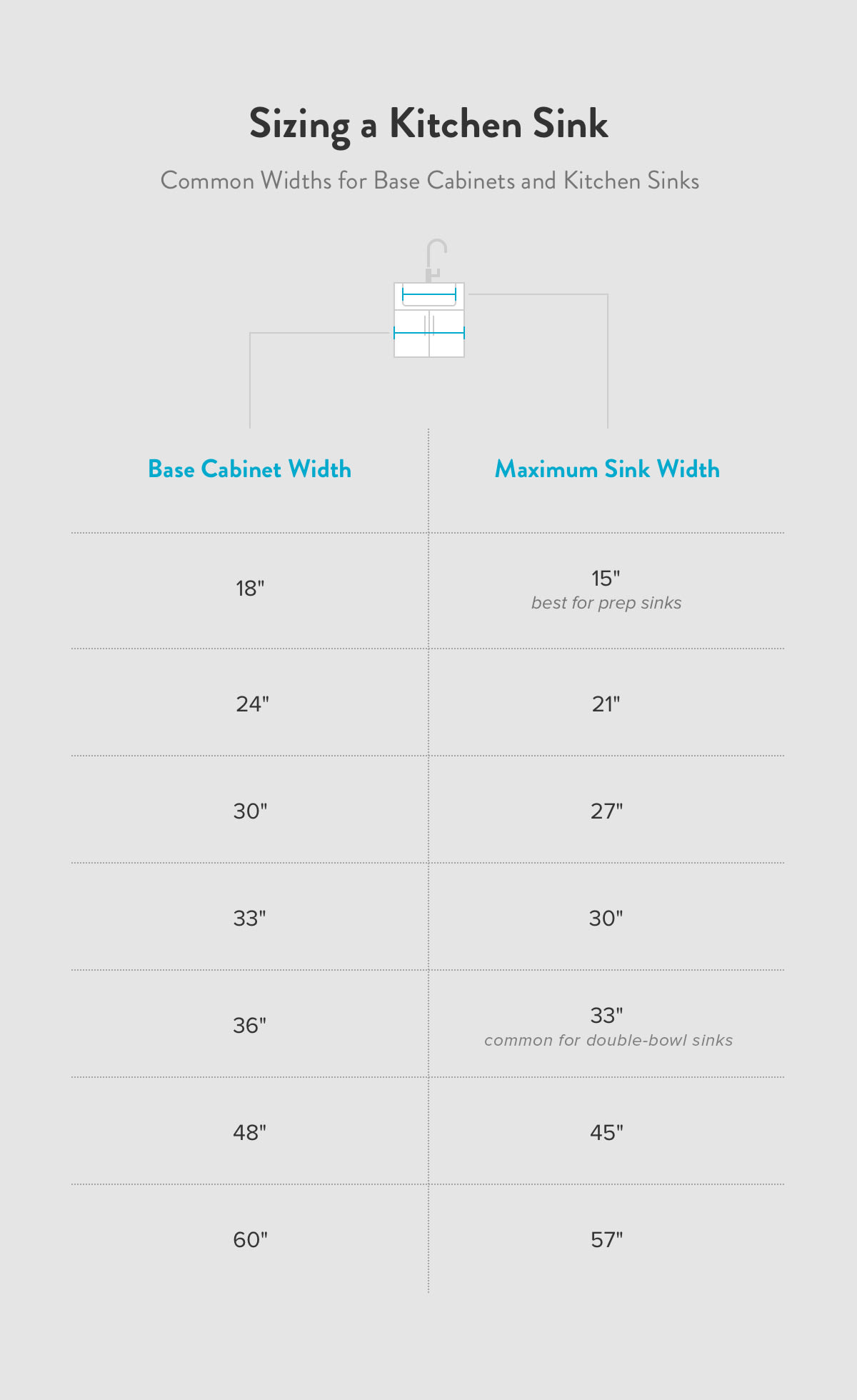
Credit: www.qualitybath.com
Budget And Size Correlation
Choosing the right kitchen sink size affects your budget. Bigger sinks usually cost more. Smaller sinks can save money but might limit space. Understanding the link between size and price helps you pick wisely. Balance what you need with what you can spend.
Cost Variations By Size
Small sinks are generally cheaper. They use less material and are easier to install. Medium sinks fall in the middle price range. Large sinks need more materials and labor, raising the cost. Specialty sizes or custom sinks cost the most. Size impacts both the price of the sink and installation fees.
Balancing Price And Function
Think about your kitchen tasks. A bigger sink helps with washing large pots and pans. A smaller sink can work in tight spaces. Choose a size that fits your daily needs and budget. Don’t buy a large sink if you rarely use it fully. Focus on function to avoid wasting money.
Long-term Value
A well-chosen sink size saves money over time. Large sinks might reduce stress during cooking. Small sinks can mean fewer repairs and less cleaning. Consider durability and how often you use the sink. Spending a bit more on the right size can pay off later.
Frequently Asked Questions
What Are The Standard Kitchen Sink Sizes?
Standard kitchen sinks typically range from 22 to 33 inches wide. Depths vary between 8 to 10 inches. These sizes fit most countertops and cabinets, balancing functionality and space efficiency for everyday kitchen tasks.
How To Choose The Right Kitchen Sink Size?
Measure your countertop space and cabinet width first. Consider your kitchen layout and daily usage. Larger sinks suit busy kitchens, while smaller ones fit compact spaces. Always match sink size to your countertop and plumbing setup for best results.
Does Sink Size Affect Kitchen Workflow?
Yes, sink size influences washing and prep efficiency. A larger sink allows multitasking and handles bigger pots easily. Smaller sinks save space but may limit functionality. Choose a size that complements your cooking habits and kitchen workflow.
Can I Install An Oversized Kitchen Sink?
Installing an oversized sink requires sufficient countertop and cabinet space. It may need custom cabinetry or countertop modifications. Ensure plumbing connections can accommodate the larger size. Oversized sinks offer more capacity but need careful planning for installation.
Conclusion
Choosing the right kitchen sink size makes daily tasks easier. A sink that fits your kitchen space saves room and looks good. Think about how many people use it and what you wash often. Small sinks suit compact kitchens, while large sinks handle big pots well.
Measure carefully before buying to avoid mistakes. This simple step helps keep your kitchen functional and neat. Your sink size affects comfort and style. Pick one that matches your needs and kitchen space. Simple choices bring big benefits.