
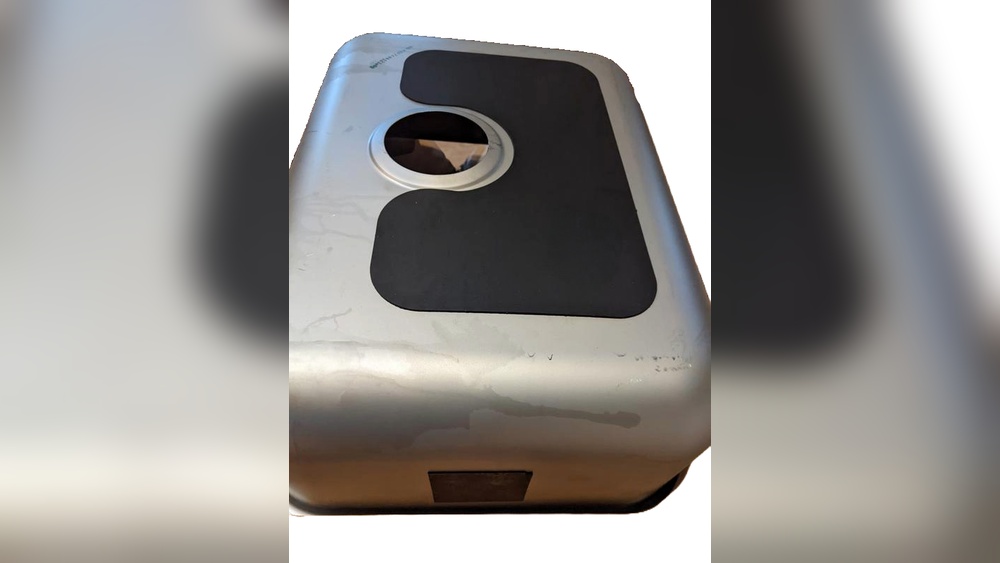
Have you ever noticed how noisy your kitchen sink can get when water hits the basin, or dishes clatter around? That constant banging and echoing can be frustrating, especially in a busy home.
What if you could easily quiet those sounds and make your kitchen a more peaceful space? Kitchen sound-dampening pads are a simple, affordable solution that you might not have considered. You’ll discover how these pads work, why they’re worth adding to your sink, and how they can instantly improve your daily kitchen experience.
Keep reading to learn how to turn down the noise and enjoy a calmer, quieter kitchen.
Credit: ruheindia.com
Contents
Why Sink Noise Happens
Kitchen sink noise can be frustrating and distracting. Loud sounds come from many parts of the sink. Understanding why the noise happens helps reduce it. Many noises are caused by vibrations and the materials around the sink.
Sources Of Kitchen Sink Noise
Water hitting the sink surface creates sound. Pipes carry water with force, causing noise. Garbage disposals add loud grinding sounds. Metal sinks tend to be noisier than composite ones. Thin sink materials vibrate more easily and increase noise.
Impact Of Vibrations
Vibrations travel through sink walls and pipes. These vibrations make a constant humming or banging noise. Hard surfaces like metal reflect sound waves, making noise louder. Soft materials absorb vibrations and reduce noise. Sound-dampening pads help stop vibrations and quiet the sink.
Types Of Sound Dampening Pads
Sound-dampening pads help reduce noise from kitchen sinks. These pads absorb vibrations and stop loud sounds. Different types of pads fit various needs and budgets. Understanding the types helps you pick the best one for your kitchen.
Foam Pads
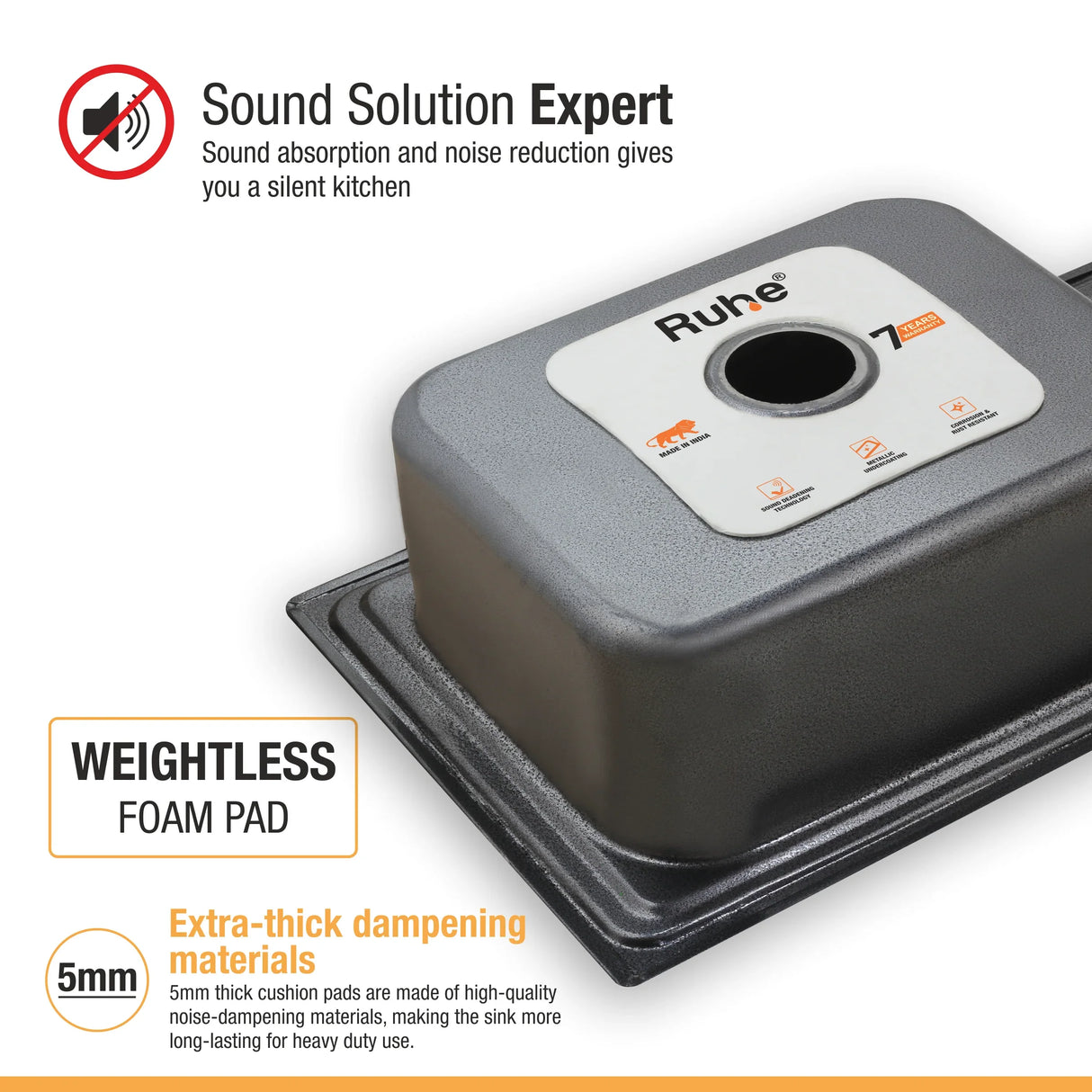
Foam pads are lightweight and easy to install. They absorb sound by trapping air inside the foam. These pads work well for small to medium noise levels. Foam pads also provide some insulation against heat.
Rubber Pads
Rubber pads are thicker and denser than foam. They block noise by stopping vibrations from moving. Rubber lasts longer and handles moisture well. These pads fit sinks that need strong sound control.
Butyl Pads
Butyl pads are made from sticky, thick material. They stick directly to the sink’s bottom surface. These pads stop sound and reduce metal ringing. Butyl pads are popular for heavy-duty noise reduction.
Material Benefits And Drawbacks
Choosing the right material for kitchen sink sound-dampening pads affects performance and comfort. Different materials offer unique benefits and drawbacks. Understanding these helps in picking the best option for your kitchen sink.
Durability
Most sound-dampening pads are made from rubber, foam, or butyl. Rubber pads last long and resist moisture well. Foam pads may wear out faster, but they absorb sound nicely. Butyl pads stick firmly and do not crack easily.
Durability depends on the material’s ability to handle water and heat. Rubber and butyl handle these conditions better than foam. Choosing a durable pad reduces the need for frequent replacements.
Ease Of Installation
Some materials are easier to install than others. Butyl pads often come with adhesive backing. This makes them quick to place under the sink. Foam pads may require additional glue or tape.
Rubber pads can be flexible but might need careful fitting. Easy installation saves time and effort. It also ensures the pad stays in place for better sound dampening.
Cost Considerations
Prices vary based on material type and quality. Foam pads usually cost less. Rubber and butyl pads tend to be pricier but last longer. Spending more up front can save money over time.
Choosing the right balance between cost and durability is key. A cheaper pad may wear out quickly. A cost-effective pad offers good sound dampening and lasts well.
Credit: allorausa.com
Installation Tips
Installing kitchen sound-dampening pads is simple with the right steps. Proper installation ensures better noise reduction and longer pad life. Follow these tips to get the best results from your pads.
Preparing The Sink Surface
Clean the sink surface thoroughly. Remove dirt, grease, and old adhesive. Use soap and water or rubbing alcohol for a deep clean. Let the surface dry fully before applying the pads. A clean, dry surface helps the pads stick better.
Applying The Pads Correctly
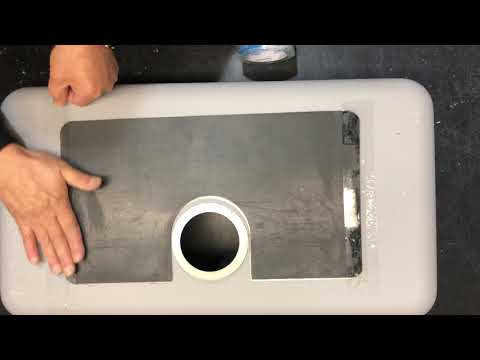
Cut the pads to fit your sink shape if needed. Peel off the backing slowly to avoid touching the adhesive. Press the pads firmly onto the sink surface. Smooth out any air bubbles for full contact. Cover areas that make the most noise, like the bottom and sides.
Maintenance Advice
Check the pads regularly for peeling or damage. Clean the sink gently to avoid loosening the pads. Avoid harsh chemicals that may break down the adhesive. Replace pads if they lose their stickiness or start to wear out. Proper care keeps your sink quiet longer.
Comparing Popular Brands
Choosing the right kitchen sink sound-dampening pads can be tricky. Many brands offer various products with different features. Comparing popular brands helps find the best fit for your needs and budget. This section breaks down the top products, customer feedback, and warranty options.
Top Rated Products
Several brands stand out for their quality and effectiveness. Soundproofing pads from Brand A use thick butyl rubber. Brand B offers a multi-layer design for extra noise control. Brand C focuses on easy installation with adhesive backing. Each product has unique strengths for different sinks and budgets.
Customer Reviews
Buyers often praise Brand A for strong noise reduction. Many users find Brand B pads durable over time. Brand C receives high marks for quick and simple setup. Negative reviews mostly mention difficulty with fit or adhesive issues. Overall, user feedback highlights product performance and ease of use.
Warranty And Support
Reliable customer service is important for addressing problems. Checking warranty details ensures peace of mind with your purchase.
Credit: lipkahome.com
Additional Noise Reduction Strategies
Reducing noise from your kitchen sink can make your home feel more peaceful. Apart from sound-dampening pads, other methods help lower noise. These strategies work well together to cut down loud sounds.
Under-sink Insulation
Adding insulation under the sink blocks sound from pipes and water flow. Use foam or rubber materials for the best results. This layer absorbs noise and stops vibrations from spreading. Insulation also keeps the area warmer and prevents moisture buildup.
Pipe Padding
Wrapping pipes with soft padding reduces noise caused by water movement. Use foam sleeves or rubber strips around pipes. This slows down vibrations and muffles sound. Padding is easy to install and helps prevent pipe damage.
Water Flow Adjustments
Changing how water flows can lower noise levels. Try reducing water pressure or fixing leaks. A steady, gentle flow creates less noise than strong bursts. Adjusting faucets or valves can make a big difference.
Frequently Asked Questions
What Are Kitchen Sink Sound Dampening Pads?
Kitchen sink sound-dampening pads reduce noise caused by water and dishes. They attach beneath the sink to absorb vibrations. This improves kitchen comfort by minimizing loud sounds during use. Most pads are made from foam or rubber materials.
How Do Sound Dampening Pads Work On Sinks?
Sound-dampening pads absorb vibrations from running water and clanging dishes. They create a barrier that reduces noise transmission. This makes your kitchen quieter and more peaceful. The pads also help insulate the sink, preventing thermal shock.
Are Sound Dampening Pads Easy To Install?
Yes, most sound-dampening pads are simple to install. They usually come with adhesive backing for quick attachment. Installation requires cleaning the sink underside before applying the pads. No special tools or skills are needed, making it a DIY-friendly project.
Can Sound Dampening Pads Protect My Sink?
Yes, these pads protect your sink from scratches and dents. They add a cushioning layer that absorbs impact from heavy pots or utensils. This prolongs the sink’s lifespan and maintains its appearance. Protection is especially useful for stainless steel sinks.
Conclusion
Kitchen sink sound-dampening pads reduce noise effectively. They make your kitchen quieter and more peaceful. These pads also protect your sink from dents and scratches. Installation is simple and quick for most sinks. Choosing the right pads can improve your kitchen’s comfort.
Quiet sinks help create a calm cooking space. Consider adding sound-dampening pads for a better kitchen experience. It’s a small change with clear benefits.