

Are you tired of hearing that loud, annoying clang every time you use your kitchen sink? That constant noise can turn simple tasks into frustrating moments.
What if you could enjoy a quieter, more peaceful kitchen without spending a fortune? A kitchen sink sound-deadening pad might be the simple solution you need. You’ll discover how this small addition can make a big difference in reducing noise, improving your kitchen experience, and even protecting your sink.
Keep reading to find out how to bring calm back to your kitchen.
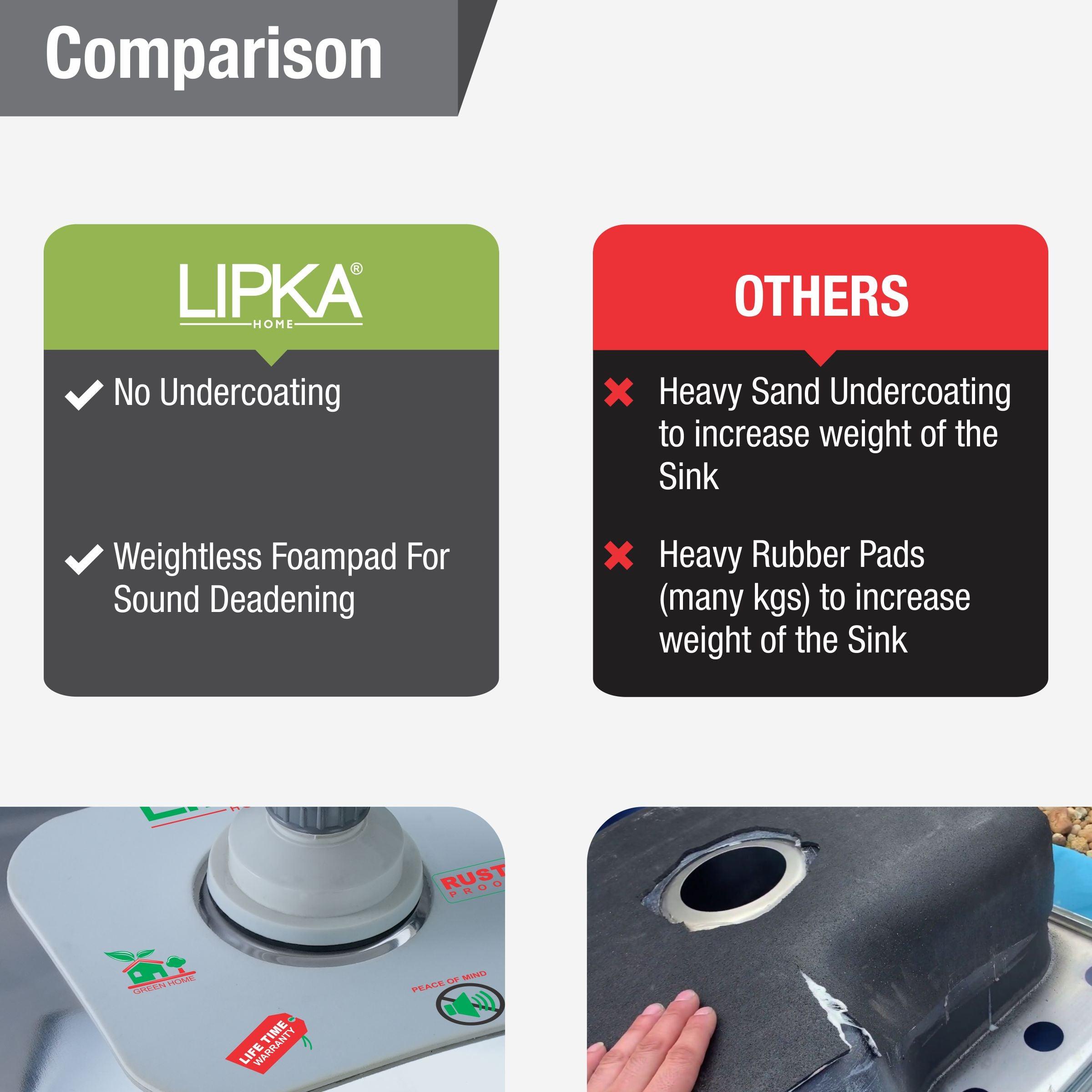
Credit: lipkahome.com
Contents
Causes Of Kitchen Sink Noise
Kitchen sink noise can be more than just annoying. It can disturb the calm in your home and make daily chores less pleasant. Understanding what causes these noises helps in reducing or stopping them. This section explores the main sources of noise around your kitchen sink.
Water Impact Sounds
Water hitting the sink surface creates loud splashes. Thin sink materials can make the noise worse. Hard water hitting metal or porcelain sinks sounds sharper. These impact sounds echo under the sink, making the noise louder. Sound-deadening pads absorb these impacts and lower the noise.
Pipe Vibrations
Water flow causes pipes to shake or vibrate. Loose pipes create rattling noises inside cabinets. High water pressure increases pipe movement and noise. Pipes touching walls or wood can cause extra noise. Proper pipe insulation and padding reduce these vibrations effectively.
Dishwasher And Garbage Disposal Noise
Dishwashers and garbage disposals create loud mechanical sounds. They share plumbing with the sink, so noise transfers easily. Disposal units grind food, causing vibrations in the sink area. Dishwashers pump water with force, adding noise to pipes. Sound pads help block and absorb these machine noises.
Types Of Sound Deadening Pads
Sound-deadening pads reduce noise from kitchen sinks. They block vibrations and water sounds. Different types work in different ways. Choosing the right one improves your kitchen’s quietness.
Each type of sound-deadening pad has unique features. Some absorb sound, while others stop it from spreading. Understanding these types helps you pick the best option.
Butyl Rubber Pads
Butyl rubber pads are dense and sticky. They stick well to metal surfaces under sinks. These pads block noise by stopping vibrations. They last long and resist water damage. Installation is simple and quick.
Foam Insulation Pads
Foam insulation pads are lightweight and soft. They absorb sound by trapping air inside. These pads reduce echo and water noise effectively. They fit easily around pipes and corners. Foam pads are affordable and easy to cut.
Mass Loaded Vinyl Sheets
Mass-loaded vinyl sheets are heavy and flexible. They block sound by adding mass to surfaces. These sheets stop noise from passing through walls or cabinets. They are thin but very effective. Installation may require cutting and shaping.
Choosing The Right Pad
Choosing the right kitchen sink sound-deadening pad improves your kitchen’s quietness and comfort. The right pad reduces noise from water splashes and dishwashing. It also stops vibrations from metal sinks. This guide helps you pick the best pad for your needs.
Material Effectiveness
Look for pads made from high-quality materials like butyl rubber or foam. Butyl rubber blocks sound very well. Foam pads absorb noise and reduce vibration. Some pads combine materials for better results. Choose one that suits your sink type and noise level.
Thickness And Density
Thicker pads usually block more sound. Density also matters; denser pads stop vibrations better. A pad around 1/8 inch thick works well for most sinks. Very thick pads might be hard to fit. Balance thickness with your sink’s design for best comfort.
Ease Of Installation
Pick a pad with self-adhesive backing for simple installation. It should stick well to clean, dry metal surfaces. Flexible pads are easier to shape around corners. Avoid pads that require special tools or glue. Easy installation saves time and effort.
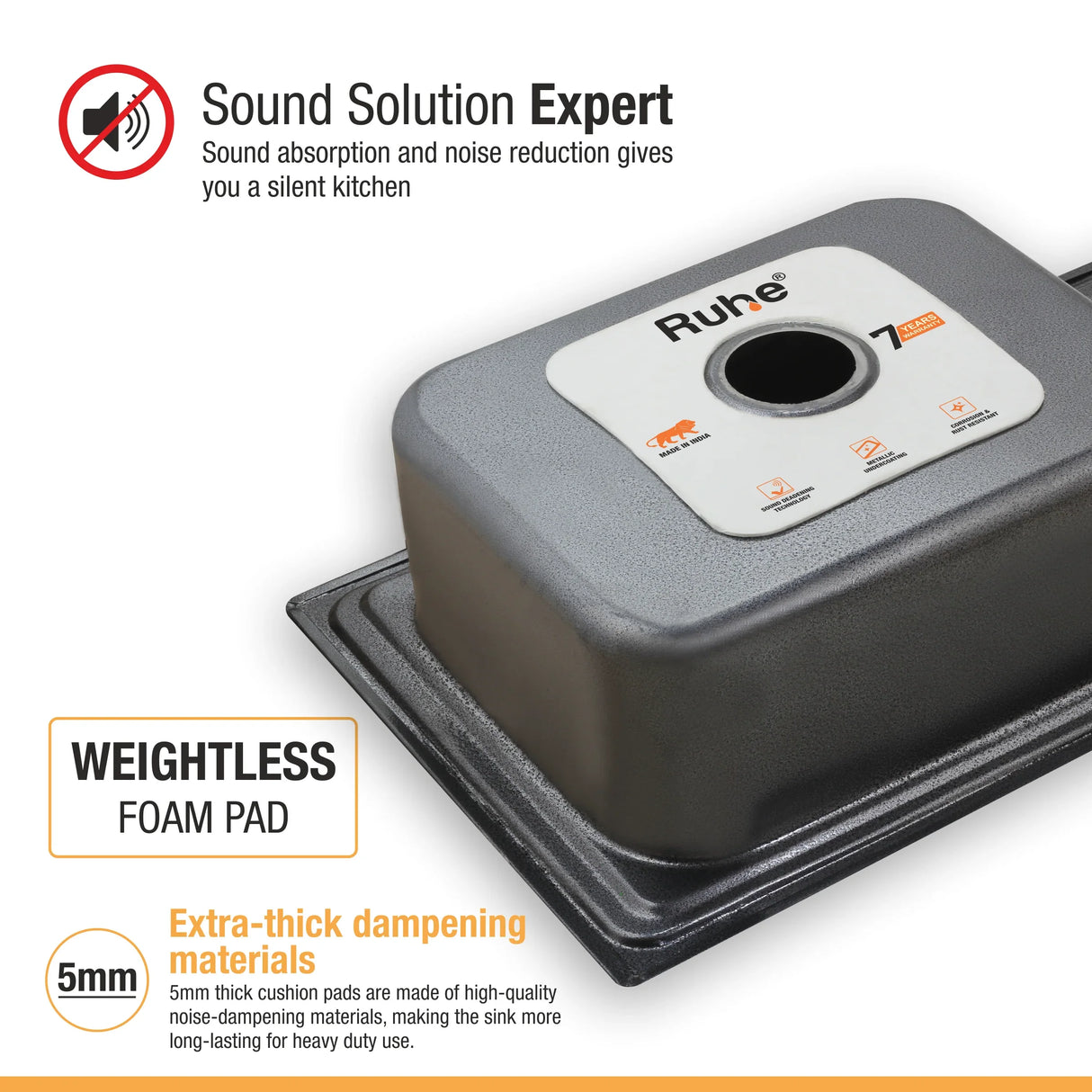
Credit: ruheindia.com
Installation Tips
Installing a kitchen sink sound-deadening pad can reduce noise and improve comfort. Proper installation ensures the pad works well and lasts longer. Follow these simple tips to install it correctly and get the best results.
Cleaning The Surface
Start by cleaning the sink’s underside. Remove dirt, grease, and dust. Use a mild detergent and a cloth. Dry the surface completely before applying the pad. A clean surface helps the pad stick better.
Proper Adhesion Techniques
Peel the backing from the sound pad carefully. Press the pad firmly against the sink’s underside. Use your hands to smooth out air bubbles. Apply pressure for a few minutes to ensure strong adhesion. Avoid touching the sticky side with your fingers.
Covering Critical Areas
Focus on the largest flat surfaces under the sink. Cover areas that produce the most noise. Avoid blocking drainage holes or plumbing parts. Cut the pad to fit around pipes and corners. Covering key spots reduces sound effectively.
Additional Noise Reduction Methods
Noise from the kitchen sink can be annoying. Using a sound-deadening pad helps a lot. Yet, other methods can reduce noise even more. These extra steps target noise from pipes and cabinets. They work well with the sink pad. Here are some effective ways to cut kitchen sink noise further.
Pipe Insulation
Pipes often create loud noises from water flow. Wrapping pipes with insulation reduces this sound. Foam or rubber sleeves fit around the pipes. They stop vibrations and water hammer noise. Pipe insulation is easy to install and cheap. It makes the kitchen quieter without big changes.
Anti-vibration Mounts
Anti-vibration mounts help lower the noise from appliances near the sink. These mounts absorb shaking and movement. They sit under dishwashers or garbage disposals. The mounts stop vibrations from spreading to cabinets or walls. Using them keeps the kitchen calm and less noisy.
Soundproof Cabinets
Cabinets can echo or amplify sink sounds. Adding soundproofing materials inside cabinets softens noise. Acoustic foam or mass-loaded vinyl works well. These materials block sound waves from bouncing around. Soundproof cabinets create a peaceful kitchen space. They pair well with sink pads for the best results.
Credit: lipkahome.com
Maintenance And Longevity
Maintaining your kitchen sink sound sound-deadening pad helps it last longer. Proper care keeps it working well and protects your sink area. Simple steps prevent damage and save money on replacements.
Regular Inspection
Check the sound-deadening pad every few months. Look for cracks, peeling, or areas that feel loose. Early spotting of damage stops bigger problems. Use a flashlight to see hidden spots under the sink.
Replacing Worn Pads
Replace the pad if it looks worn or damaged. Worn pads lose their soundproofing power. Clean the sink surface before applying a new pad. Follow the product instructions for the best fit and stick.
Preventing Moisture Damage
Keep the pad dry to avoid mold and rot. Fix leaks under the sink quickly. Use a dehumidifier or fan in damp kitchens. Moisture weakens the pad and reduces its lifespan.
Cost And Availability
Kitchen sink sound-deadening pads help reduce noise from water and dishes. Knowing their cost and availability helps you plan your purchase. Prices vary by material and brand. Availability depends on where you shop and the product type.
Price Ranges
Sound-deadening pads usually cost between $10 and $50. Basic models are cheaper but less effective. Premium pads offer better noise reduction but cost more. Most users find mid-range pads balance price and quality well. Consider size and material when comparing prices.
Where To Buy
These pads are available at home improvement stores and online shops. Major retailers like Home Depot and Lowe’s carry them. Online marketplaces such as Amazon offer many options. Check product reviews and ratings before buying. Some local hardware stores also stock these pads.
Diy Vs Professional Installation
Installing sound-deadening pads is usually simple. Many homeowners do it themselves with basic tools. Instructions often come with the product or are available online. Professional installation costs extra but ensures perfect placement. Choose DIY to save money or hire pros for guaranteed results.
Frequently Asked Questions
What Is A Kitchen Sink Deadening Pad?
A kitchen sink sound-deadening pad reduces noise from water impact. It absorbs vibrations and muffles sounds. This pad improves kitchen quietness and enhances comfort while using the sink.
How Do Sound Deadening Pads Work Under Kitchen Sinks?
These pads work by absorbing sound waves and vibrations. They are made from dense materials like butyl or foam. This reduces noise from running water and clattering dishes effectively.
Can Sound Deadening Pads Prevent Sink Noise Completely?
No, they significantly reduce noise but don’t eliminate it. Effectiveness depends on pad quality and installation. Proper placement maximizes noise reduction under the sink.
Are Kitchen Sink Sound Deadening Pads Easy To Install?
Yes, most pads have adhesive backing for simple installation. Just clean the sink’s underside, peel the backing, and press firmly. Installation usually takes just a few minutes.
Conclusion
A kitchen sink sound-deadening pad helps reduce noise while washing dishes. It makes your kitchen quieter and more comfortable. These pads are easy to install and fit most sinks. They also protect your sink from damage. Choosing the right pad improves your daily kitchen experience.
Quiet kitchens feel more peaceful and less stressful. Consider adding a sound-deadening pad for a better home environment. Small changes like this bring big comfort.