
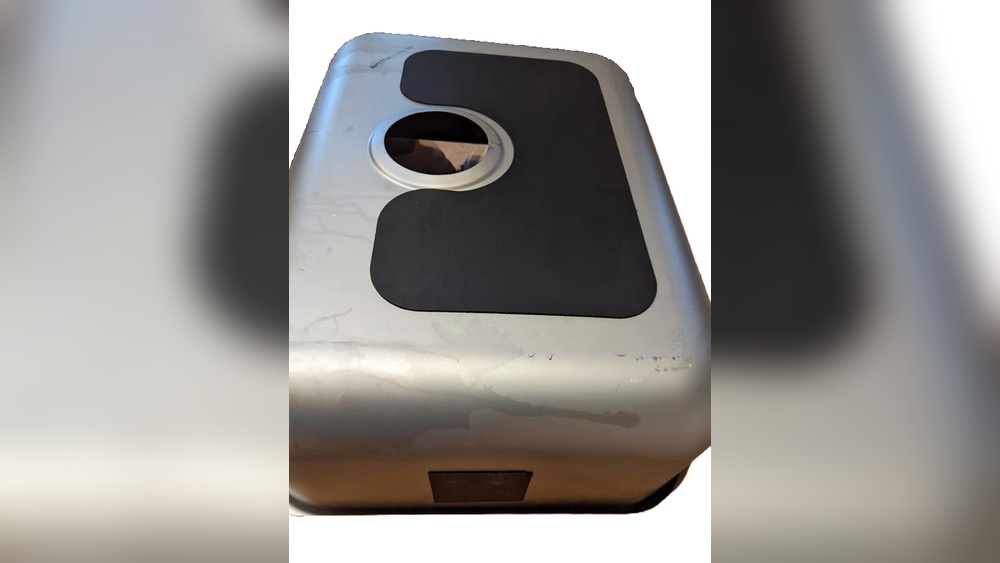
Is your kitchen sink making loud, annoying noises every time you wash dishes or run water? That constant banging and clanging can be more than just a minor irritation—it can disrupt your peace and even damage your sink over time.
What if there was a simple, affordable way to quiet those sounds and protect your sink at the same time? A kitchen sink sound pad might be the exact solution you need. You’ll discover how this small addition can make a big difference in your kitchen comfort and help you enjoy a quieter, more pleasant space.
Keep reading to find out how to choose the right sound pad and install it easily yourself.
Contents
- 1 Causes Of Kitchen Sink Noise
- 2 Features Of Kitchen Sink Sound Pads
- 3 Benefits Of Using Sound Pads
- 4 Choosing The Right Sound Pad
- 5 Installation Tips And Tricks
- 6 Comparing Sound Pads With Other Solutions
- 7 User Experiences And Reviews
- 8 Maintaining Your Kitchen Sink Sound Pad
- 9 Frequently Asked Questions
- 10 Conclusion
Causes Of Kitchen Sink Noise
Kitchen sink noise can be annoying and distracting. Understanding what causes these sounds helps in reducing them. Many factors create noise around the sink area. Some are easy to fix, while others may need more care.
Common Sources Of Noise
Water hitting the sink surface often makes loud sounds. Thin metal sinks tend to vibrate more and create noise. Pipes under the sink can rattle when water flows fast. Loose fittings or worn-out washers add to the noise. Garbage disposals also cause loud, grinding sounds. Even soap or debris in the drain can create bubbling noises.
Impact On Kitchen Environment
Constant noise affects the kitchen’s calm atmosphere. It can make cooking or cleaning less pleasant. Loud sounds may disturb conversations or relaxation. Noise also increases stress levels in busy homes. Reducing sink noise improves overall kitchen comfort. It helps create a peaceful and quiet space for family and friends.
Credit: lipkahome.com
Features Of Kitchen Sink Sound Pads
Kitchen sink sound pads reduce noise and vibration from sinks. They make your kitchen quieter and more peaceful. These pads have special features that improve their function and durability.
Understanding these features helps you choose the best sound pad for your sink. Below, we explore the materials used and the design and installation aspects.
Materials Used
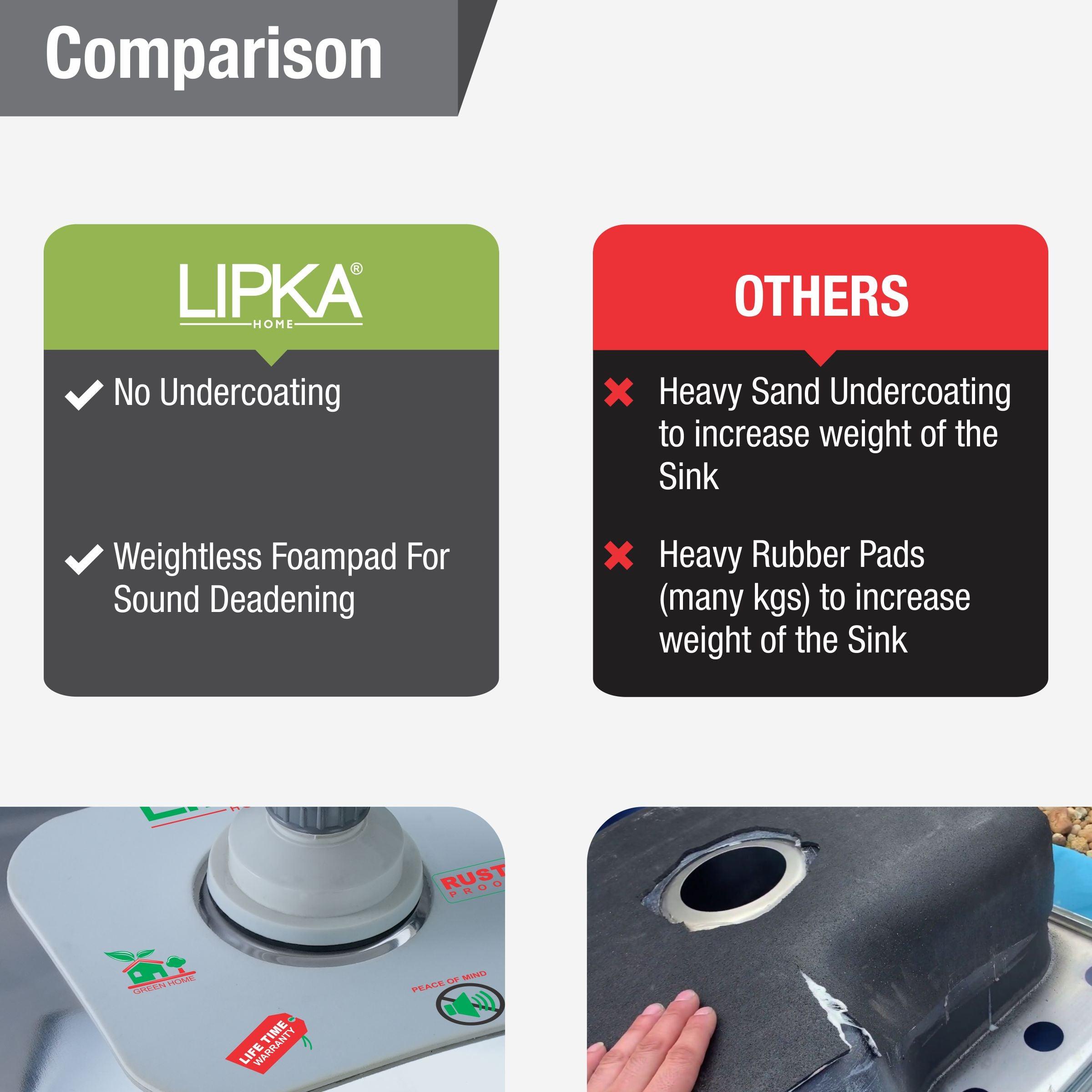
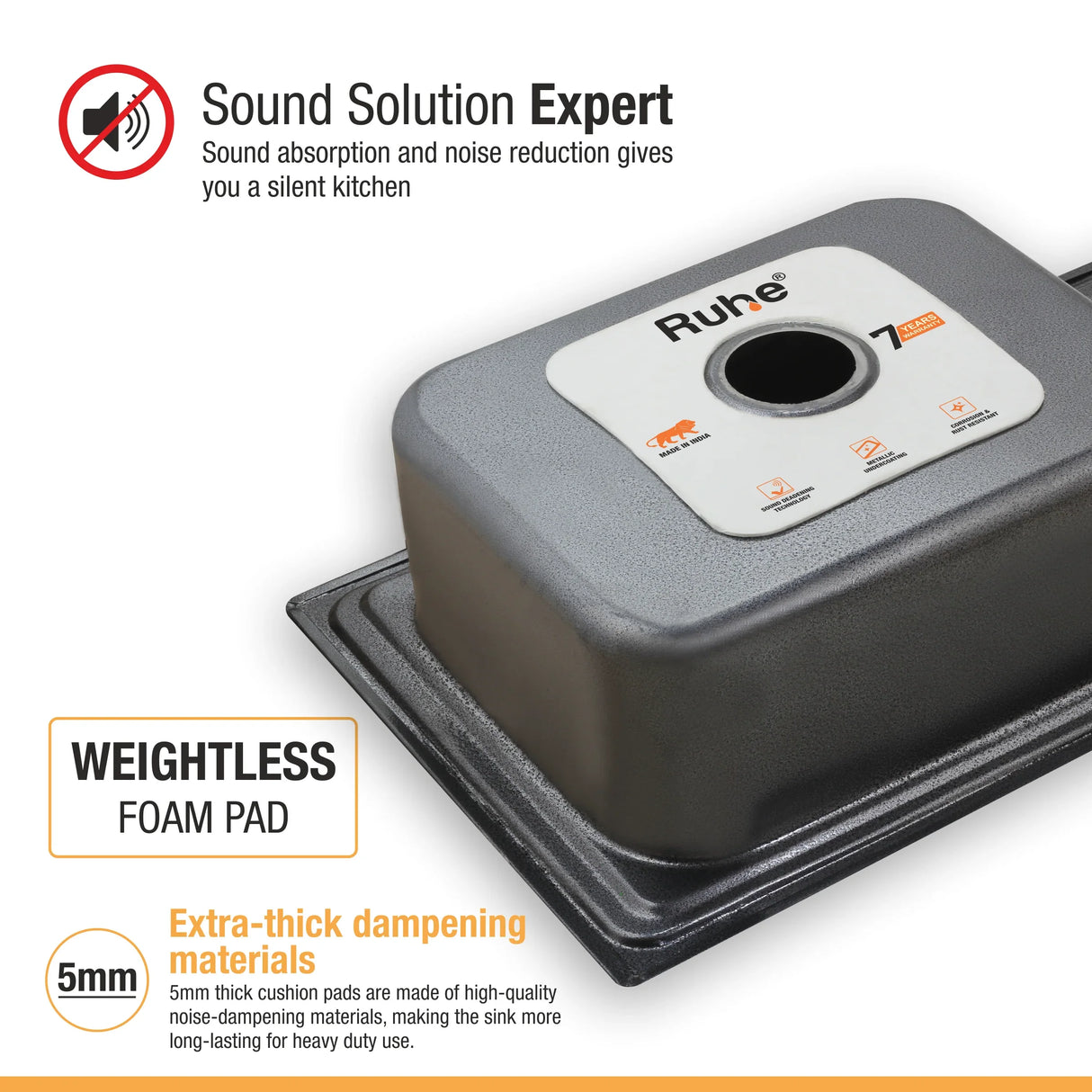
Sound pads usually use rubber or foam materials. These materials absorb sound well and prevent vibrations. Some pads include butyl rubber for better noise reduction. They resist moisture and heat, lasting longer in kitchen conditions. The material must be strong yet flexible to fit under the sink.
Design And Installation
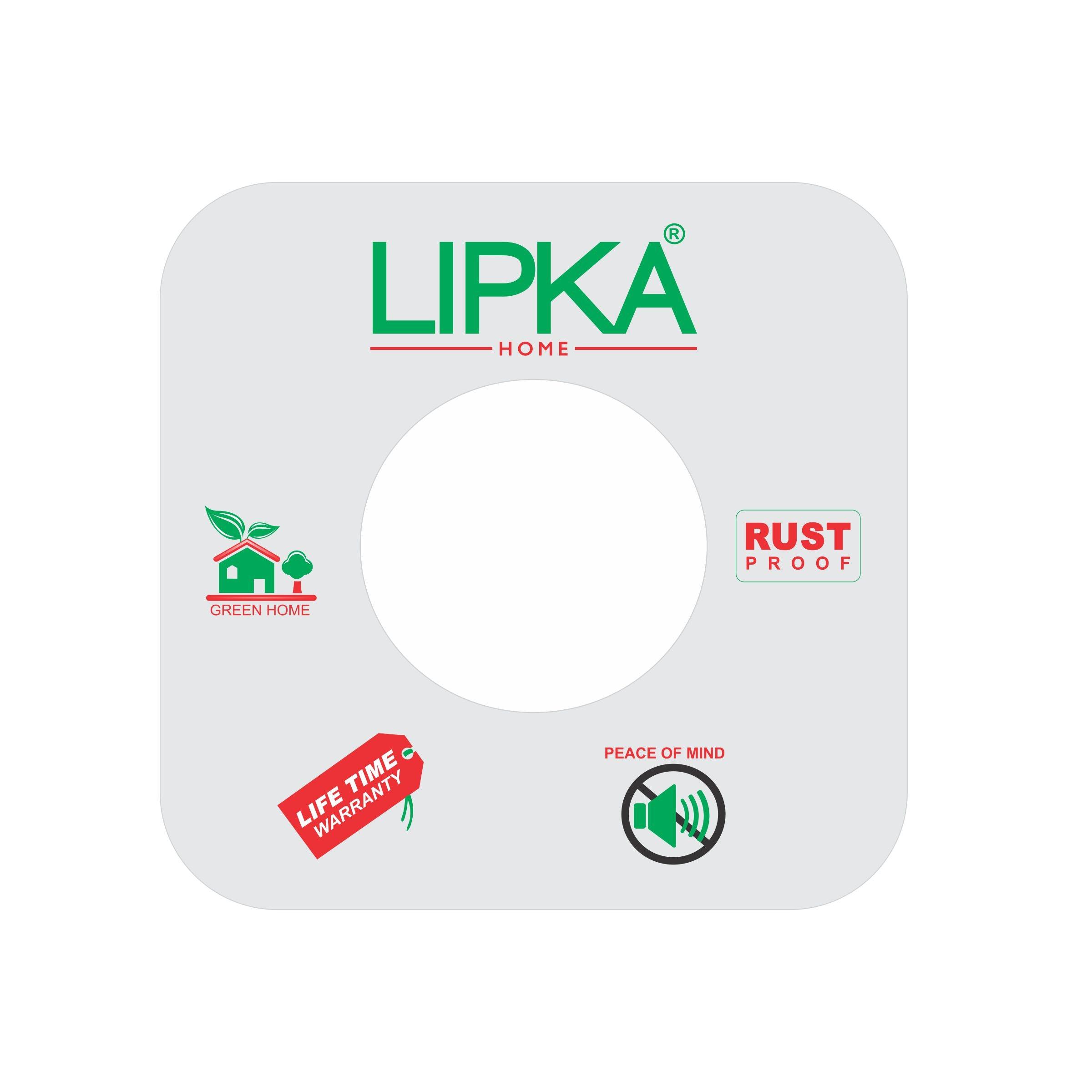
Sound pads come in various shapes and sizes to fit different sinks. Most have adhesive backing for easy installation. The design allows the pad to stick firmly without slipping. Some pads have a textured surface to improve grip and sound absorption. Installation requires cleaning the sink bottom first for better adhesion.
Benefits Of Using Sound Pads
Using kitchen sink sound pads brings several benefits that improve your kitchen experience. These pads help reduce noise and protect your sink. They are easy to maintain and last long. Many homeowners find them a simple way to make kitchens quieter and cleaner.
Noise Reduction Efficiency
Sound pads lower the loud noise from running water and dishes. They absorb sound well, making the kitchen peaceful. Less noise means a more comfortable space for family and guests. These pads stop the echo that hard sinks can create. The result is a quiet and calm kitchen environment.
Durability And Maintenance
Sound pads are built to last for years without damage. They resist moisture and heat, common in kitchens. Cleaning them is easy with mild soap and water. No special tools or chemicals are needed. This durability saves money on repairs or replacements. Maintenance is simple and quick for busy homeowners.
Choosing The Right Sound Pad
Selecting the best kitchen sink sound pad improves your sink’s performance. It reduces noise and prevents damage. Choosing the right pad depends on several factors. Consider size, compatibility, and your budget. These details help find the perfect fit.
Size And Compatibility
Measure your sink bottom before buying a sound pad. The pad must cover the area fully. A pad too small won’t reduce noise effectively. Check the material of your sink. Some pads fit better with stainless steel sinks. Others work well with composite or cast iron sinks. Choose a pad that matches your sink type. This ensures strong adhesion and long-lasting protection.
Budget Considerations
Sound pads come in many price ranges. Decide how much you want to spend. Higher-priced pads often last longer and reduce noise more. But budget-friendly options can still work well. Balance cost with quality. Avoid very cheap pads that wear out quickly. Think about how often you want to replace the pad. Spending a bit more may save money over time.
Installation Tips And Tricks
Installing a kitchen sink sound pad can greatly reduce noise and improve your kitchen’s comfort. Proper installation helps the pad stick well and work effectively. Follow these tips to make the process smooth and successful.
Preparation Steps
Clean the sink surface thoroughly before applying the sound pad. Use a degreaser to remove any dirt or oil. Dry the surface completely to ensure strong adhesion.
Measure the sink area and cut the sound pad to fit perfectly. Make sure to trim around edges and curves for full coverage. Gather all tools like scissors, a cleaning cloth, and adhesive.
Test fit the sound pad without peeling the adhesive backing. This step helps confirm the placement before final installation.
Common Mistakes To Avoid
Do not install the sound pad on a wet or dirty surface. Moisture or dirt reduces the adhesive’s strength. This causes the pad to peel off quickly.
Avoid cutting the pad too small. Incomplete coverage lowers noise reduction. Make sure the pad covers all metal areas of the sink.
Do not rush the installation. Press the pad firmly and evenly to remove air bubbles. Take time to smooth out the entire surface for the best results.
Credit: ruheindia.com
Comparing Sound Pads With Other Solutions
Choosing the right method to reduce noise under the kitchen sink is important. Sound pads offer a simple and effective solution. Comparing them with other options helps you decide the best fit for your needs. Each choice has its strengths and weaknesses.
Foam Insulation
Foam insulation is a common choice for noise reduction. It fits easily under the sink and blocks sound well. Foam is lightweight and flexible, making installation quick. It also provides some thermal protection. Yet, foam may not last long in damp kitchen areas. It can degrade when exposed to water or moisture.
Rubber Mats
Rubber mats provide good sound dampening by absorbing vibrations. They are thicker and denser than foam. Rubber mats handle moisture better and last longer. Placing a rubber mat under the sink reduces banging and rattling sounds. These mats are easy to clean and maintain. They are often heavier and less flexible, which may affect fitting.
Professional Noise Dampening
Professional noise dampening involves specialized materials and installation. Experts use products designed specifically for kitchen plumbing noise. These solutions offer the best sound reduction. They also protect pipes from damage and leaks. Professional methods can be costly and take more time. They are ideal for serious noise problems or new kitchen builds.
User Experiences And Reviews
Many users share their thoughts about the kitchen sink sound pad. These reviews help others decide if it fits their needs. Real experiences show how well the product works in everyday life. Listening to these voices brings useful insight.
Customer Feedback
Customers often mention the sound pad’s ability to reduce noise effectively. Many say it makes the kitchen quieter during dishwashing. Some users notice a big drop in water splash sounds. A few mention that the pad is easy to install and clean. Others appreciate the non-slip surface that keeps it in place. Some people find that it fits most sink sizes well. There are also comments about its durability over time. A small number wish it came in different colors. Overall, feedback tends to be positive and helpful.
Performance In Different Settings
The sound pad works well in homes with various sink types. It performs steadily under both heavy and light water flow. Many users report good results in small and large kitchens. It also helps in apartments where noise travels easily. Some reviews highlight its effectiveness in busy households. Users with double sinks find it useful for both basins. It adapts well to different water temperatures. The pad also stays intact despite frequent use. This makes it a practical choice for many kitchens.
Maintaining Your Kitchen Sink Sound Pad
Maintaining your kitchen sink sound pad helps keep your sink quiet and in good shape. Regular care can stop noises and damage. It also extends the life of the pad and your sink.
Simple steps can keep the sound pad clean and working well. Checking the pad for wear or damage is important. Proper care saves money on repairs or replacements.
Cleaning Tips
Clean the sound pad often to remove dirt and grime. Use a soft brush and mild soap with warm water. Avoid harsh chemicals that can damage the pad’s surface.
Dry the pad well after cleaning to stop mold and mildew. Do not use abrasive tools that might scratch or tear the pad. Regular cleaning keeps the pad soft and effective.
When To Replace
Replace the sound pad if it shows cracks or holes. A worn pad will not reduce noise or protect the sink properly. Check the pad at least once a year.
If the pad feels hard or brittle, it is time to change it. A new sound pad helps keep your kitchen peaceful and your sink safe. Ignoring damage can cause bigger issues later.
Credit: lipkahome.com
Frequently Asked Questions
What Is A Kitchen Sink Sound Pad?
A kitchen sink sound pad reduces noise caused by water and dishes. It absorbs vibrations, making your sink quieter. These pads are usually made from foam or rubber materials. Installing them helps create a peaceful kitchen environment.
How Does A Sound Pad Benefit Kitchen Sinks?
Sound pads minimize loud banging and clanging sounds in the sink. They protect the sink surface from scratches and dents. This improves durability and enhances user comfort. Overall, sound pads make kitchen tasks less noisy and more enjoyable.
Can I Install A Sound Pad Myself?
Yes, most kitchen sink sound pads are easy to install. They typically come with adhesive backing for quick application. Simply clean the sink underside, peel the backing, and stick the pad. No professional help is usually needed.
Are Sound Pads Compatible With All Sink Materials?
Sound pads work well with stainless steel, composite, and other common sinks. However, compatibility depends on the pad’s adhesive and material. Always check the manufacturer’s recommendations before purchasing. This ensures optimal noise reduction and durability.
Conclusion
A kitchen sink sound pad helps reduce noise while washing dishes. It makes your kitchen quieter and more peaceful. This small tool fits easily under your sink. It stops vibrations and loud sounds from plumbing. Anyone wanting a calm kitchen will find it useful.
Easy to install and affordable too. A simple step for a quieter home. Try adding a sound pad for less noise today.