

Have you ever stopped to notice the sounds coming from your kitchen sink? Those little noises—drips, gurgles, or even sudden clanks—can tell you a lot about what’s happening beneath the surface.
Understanding these sounds can save you time, money, and a lot of frustration. If you want to protect your plumbing and keep your kitchen running smoothly, this guide is exactly what you need. Let’s dive into the world of kitchen sink sounds and uncover what they mean for you and your home.
Contents
Common Kitchen Sink Noises
Kitchen sinks often make noises during daily use. These sounds can be normal or signal a problem. Knowing common kitchen sink noises helps identify issues early. It also prevents bigger repairs later. The next sections explain typical sounds and their causes.
Dripping And Leaking Sounds
Dripping is a steady, soft drop sound. It happens when faucets leak or pipes drip water. Leaks waste water and increase bills. Sometimes dripping comes from a worn-out washer or loose valve. Fixing leaks stops noise and saves water.
Gurgling And Bubbling
Gurgling sounds come from clogged or slow drains. Water struggles to flow, causing bubbles and noise. Blocked pipes trap air, making bubbling sounds. These noises may warn of a clog or vent problem. Clearing the drain usually stops the noise.
Clanking And Rattling
Clanking sounds occur when pipes move or hit walls. Loose pipes or water pressure changes cause this noise. Rattling may happen during faucet use or when water starts or stops. Tightening pipes or adding padding can reduce clanks and rattles.
Squeaking And Squealing
Squeaking sounds often come from faucet parts. Worn washers, valves, or handles cause this noise. Squealing can also result from high water pressure. Regular maintenance and replacing old parts help stop these annoying sounds.
Credit: www.walmart.com
Causes Behind Sink Noises
Kitchen sink noises can be annoying and confusing. These sounds often signal a problem in your plumbing. Knowing the causes helps fix the issue fast. Many factors can create these noises. Some are easy to fix, while others need a plumber’s help.
Loose Pipes And Fixtures
Loose pipes can rattle when water flows through them. Pipes that are not firmly attached hit walls or cabinets. Fixtures like faucets or valves may also shake. This creates banging or clanging sounds. Tightening the pipes and fixtures usually stops the noise.
Clogged Drains And Vent Issues
Clogs block water flow and cause gurgling sounds. Food, grease, or debris can build up inside drains. Vents allow air to enter the plumbing system. Blocked vents cause water to drain slowly and make noise. Clearing clogs and vents improves water flow and reduces noise.
Water Pressure Problems
High water pressure causes pipes to vibrate or whistle. Low pressure may cause sputtering or banging sounds. Pressure changes happen when many fixtures run at once. Installing a pressure regulator can keep water pressure steady. This helps stop noisy pipes and protects plumbing.
Worn Out Washers And Valves
Washers and valves control water flow in faucets and pipes. Over time, they wear out or become damaged. This leads to dripping, squealing, or knocking sounds. Replacing old washers and valves fixes leaks and noise. Regular maintenance keeps these parts working well.
Simple Fixes For Dripping Sounds
Dripping sounds from a kitchen sink can be very annoying. These sounds usually mean a small problem. Many of these problems are simple to fix. Basic tools and little time are all you need. Fixing these noises can save water and stop damage.
Tightening Loose Parts
Loose parts often cause dripping sounds. Check the faucet handles and spout. Use a wrench or screwdriver to tighten any loose screws or nuts. Be gentle to avoid breaking anything. Tightening parts stops water from leaking and dripping.
Replacing Washers
Old or worn washers cause leaks inside the faucet. Turn off the water supply first. Remove the faucet handle to find the washer. Replace it with a new one of the same size. This fix stops the dripping and saves water.
Sealing Leaks With Tape
Small leaks can appear around pipe joints. Use plumber’s tape to seal these leaks. Wrap the tape tightly around the threads of the pipe. This creates a strong seal and stops water from escaping. It is a quick and easy fix.
Clearing Gurgling And Bubbling
Gurgling and bubbling sounds in your kitchen sink can be annoying. These noises often mean air or water is trapped in the pipes. Clearing these sounds improves drainage and stops bad odors. Simple steps can fix this problem without calling a plumber.
Unclogging Drains
Clogs cause water to drain slowly and create gurgling sounds. Remove any visible debris from the drain. Use a plunger to push out blockages. Avoid harsh chemicals that can damage pipes. A drain snake can reach deep clogs and clear them effectively.
Checking Air Vents
Air vents keep water flowing smoothly by letting air into the pipes. Blocked vents cause pressure changes and bubbling noises. Inspect the vent pipes on your roof for debris or nests. Clear any blockages carefully to restore airflow and stop the sounds.
Using Baking Soda And Vinegar
Baking soda and vinegar create a natural cleaning reaction. Pour half a cup of baking soda down the drain. Follow with half a cup of vinegar. Let the mixture fizz for 15 minutes. Flush with hot water to clear buildup and reduce gurgling.
Stopping Clanking And Rattling
Clanking and rattling noises from your kitchen sink can be annoying. These sounds often come from loose pipes or water pressure issues. Fixing them makes your kitchen quieter and more comfortable. Here are simple ways to stop those sounds.
Securing Pipes
Loose pipes cause many clanking noises. Check under the sink for pipes that move. Tighten any loose brackets or clamps you find. Use pipe straps to hold pipes firmly in place. This stops pipes from hitting walls or cabinets when water runs.
Adding Pipe Insulation
Pipe insulation reduces rattling sounds. Wrap foam sleeves around metal pipes. The foam softens pipe movement and stops noise. Insulation also protects pipes from cold and heat. Choose insulation that fits your pipe size well.
Adjusting Water Flow
High water pressure can make pipes rattle. Lower water flow by adjusting the faucet valve. Slow water flow reduces pipe shaking and noise. Check your home’s water pressure with a gauge. Aim for a pressure level that feels strong but quiet.

Credit: lipkahome.com
Fixes For Squeaks And Squeals
Squeaks and squeals from a kitchen sink can be annoying. These sounds often point to small problems that need quick fixes. Addressing these noises early can save you from bigger repairs later. The following tips focus on easy ways to stop those noises fast.
Lubricating Moving Parts
Many sink noises come from dry or stiff moving parts. Faucet handles and valves often need lubrication. Use a silicone-based lubricant for best results. Avoid oil-based products as they can damage rubber seals. Apply lubricant to all moving joints and handles. This reduces friction and stops squeaks effectively.
Replacing Faulty Valves
Old or damaged valves can cause loud squeals. These parts control water flow and pressure. Check valves for wear or mineral buildup. Replace any faulty valves with new ones. This fix improves water flow and eliminates high-pitched noises. Valve replacement is a simple task for most homeowners.
When To Call A Professional
Strange noises from your kitchen sink can be annoying. Some sounds are easy to fix. Others need a professional’s help. Knowing when to call a plumber saves time and stress. It also prevents bigger problems in your home.
Persistent Noises
Noise that does not stop is a warning sign. Banging, gurgling, or whistling sounds need attention. These noises might mean a clog or pipe damage. Trying to fix it without skill can make it worse. A professional can find the exact cause quickly.
Complex Plumbing Issues
Some problems are too hard to handle alone. Broken pipes, leaks inside walls, or strange water pressure need expert work. These issues require special tools and knowledge. A plumber can fix these safely and correctly. This avoids future leaks or water damage.
Safety Concerns
Water and electricity near each other can be risky. If you smell gas or see water near electrical outlets, call help. Unsafe plumbing jobs can cause floods or fires. Professionals follow safety rules to protect your home. Don’t risk injury or damage by fixing it yourself.
Credit: ruheindia.com
Preventing Future Sink Noises
Preventing future sink noises starts with small, easy actions. These actions keep your kitchen sink quiet and working well. Staying on top of maintenance helps avoid annoying sounds later. A few good habits make a big difference.
Regular Maintenance Tips
Check your sink pipes often for leaks or loose parts. Tighten fittings if you hear rattling or dripping sounds. Clean the drain regularly to stop clogs that cause gurgling noises. Use a soft brush or mild cleaner to remove buildup. Clear buildup lowers noise and improves water flow.
Using Sink Strainers
Sink strainers catch food and debris before they enter the drain. They stop particles from causing blockages that lead to noise. Empty strainers after every use to keep them working well. A clean strainer also prevents bad smells and slow drainage.
Monitoring Water Pressure
High water pressure causes loud banging or knocking sounds in pipes. Low pressure can make water flow uneven and noisy. Test your water pressure with a simple gauge. Adjust the pressure if it is too high or too low. Proper pressure keeps pipes quiet and safe.
Frequently Asked Questions
Why Does My Kitchen Sink Make Loud Noises?
Loud kitchen sink noises often come from air trapped in pipes or loose parts. Vibrations during water flow cause sounds. Checking plumbing connections and installing air chambers can reduce noise. Regular maintenance prevents pipe banging and clanging.
What Causes Gurgling Sounds In Kitchen Sinks?
Gurgling sounds happen when water drains slowly or air gets trapped in pipes. Blockages or venting issues cause this noise. Clearing clogs or fixing vents restores smooth drainage and stops gurgling.
How Can I Reduce Kitchen Sink Water Noise?
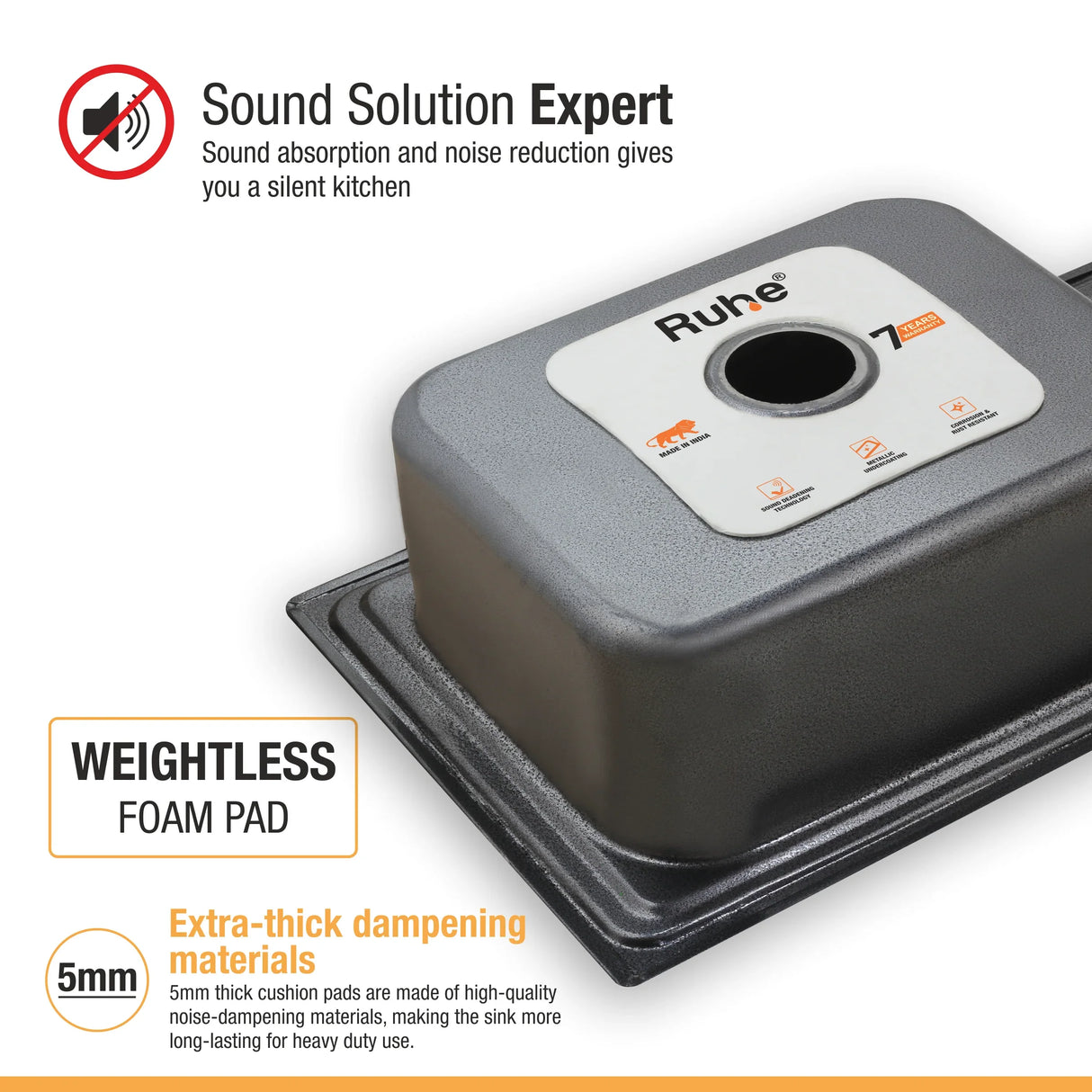
To reduce water noise, install soundproofing pads or wrap pipes with insulation. Tighten loose plumbing parts to prevent vibrations. Using quieter faucets and aerators also minimizes sound during use.
Is It Normal For A Kitchen Sink To Make Popping Sounds?
Popping sounds usually result from temperature changes in pipes or water pressure fluctuations. This is normal but can be lessened by insulating pipes and adjusting water pressure settings.
Conclusion
Kitchen sink sounds can tell you a lot about your plumbing. Strange noises often mean a problem needs fixing soon. Paying attention helps avoid bigger repairs later. Simple checks and quick action save time and money. Quiet sinks work better and last longer.
Keep your kitchen running smooth and stress-free. Small sounds matter more than you think. Stay alert and take care of those noises today.