
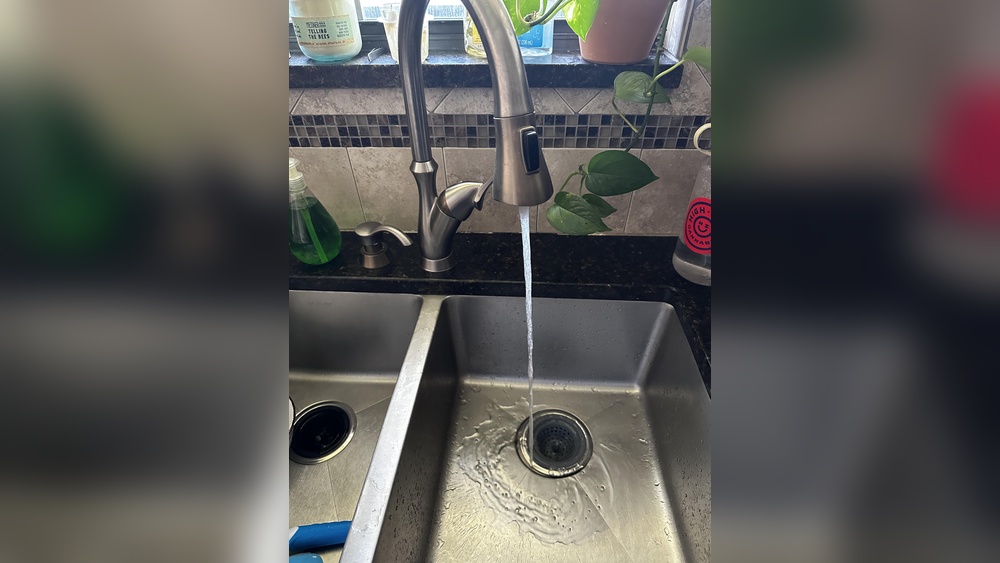
Is your kitchen sink struggling with low water pressure? You’re not alone, and this common problem can turn simple tasks like washing dishes or filling a pot into frustrating challenges.
But don’t worry—understanding why your water pressure is low and how to fix it can save you time and stress. You’ll discover easy-to-follow tips and practical solutions that can restore your kitchen sink’s flow quickly. Keep reading, and you’ll be back to enjoying a strong, steady stream in no time.
Contents
Common Causes
Low water pressure in the kitchen sink can be frustrating. It slows down daily tasks like washing dishes and filling pots. Understanding the common causes helps fix the problem quickly. Many issues are simple and easy to check.
Clogged Aerator
The aerator is a small screen at the faucet tip. It mixes air with water to reduce splashing. Over time, mineral deposits build up and block water flow. Cleaning or replacing the aerator often restores proper pressure.
Faulty Faucet Cartridge
The cartridge controls water flow inside the faucet. It can wear out or get stuck. A damaged cartridge limits water flow, causing low pressure. Replacing the cartridge usually solves this issue.
Leaky Pipes
Leaks in pipes reduce water pressure at the sink. Even small leaks waste water and lower the flow. Check under the sink and along visible pipes for damp spots. Fixing leaks improves water pressure and saves water.
Water Supply Issues
Problems with the main water supply affect sink pressure. Maintenance work or broken mains can reduce flow. Sometimes, the water valve under the sink is partly closed. Ensure valves are fully open for the best pressure.

Credit: www.youtube.com
Quick Diy Fixes
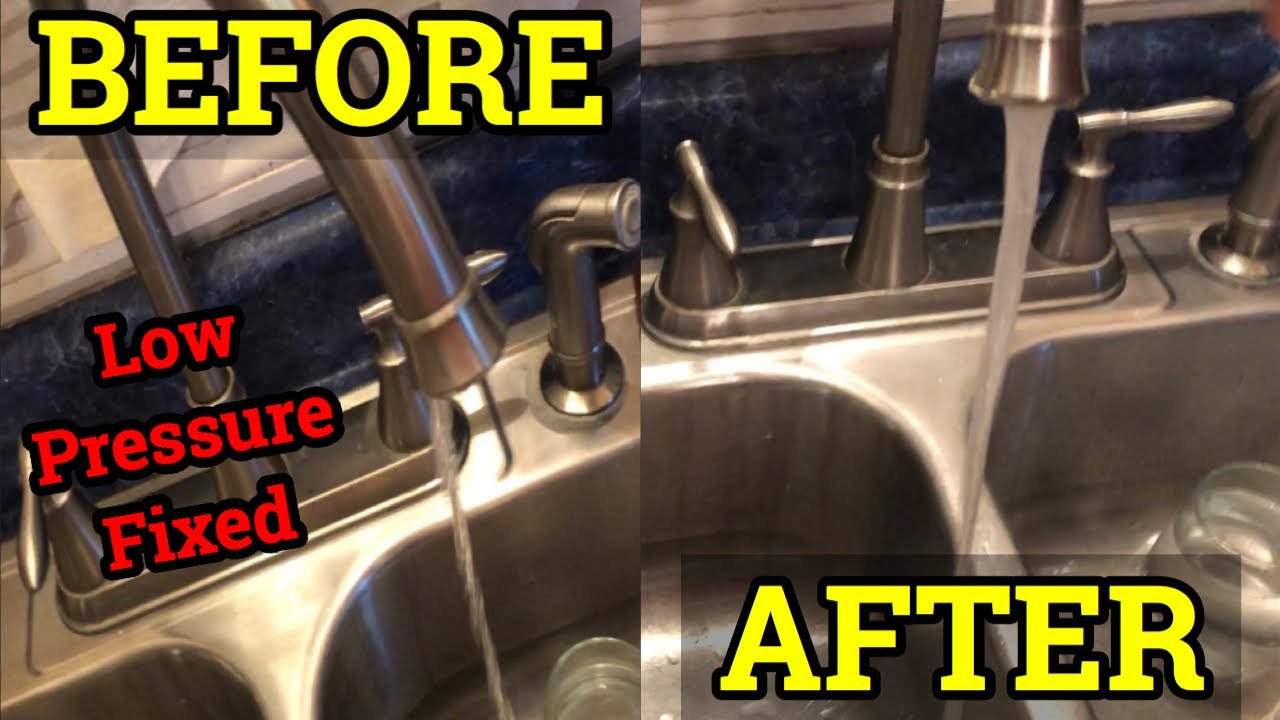
Low water pressure in your kitchen sink can be annoying. Fixing it might be easier than you think. Some simple steps can restore strong water flow quickly. These DIY fixes do not need special tools or skills.
Clean The Aerator
The aerator is at the faucet tip. Over time, dirt and minerals block water flow. Unscrew the aerator carefully. Soak it in vinegar for 30 minutes. Use a brush to remove debris. Rinse and screw it back. This often improves water pressure instantly.
Replace Faucet Cartridge
The cartridge controls water flow inside the faucet. A worn cartridge can reduce pressure. Turn off the water supply first. Remove the faucet handle and take out the cartridge. Buy a replacement matching your faucet model. Install the new cartridge and reassemble the faucet. This fix restores smooth water flow.
Check For Leaks
Leaks reduce water pressure by wasting water. Look under the sink and around pipes for drips or wet spots. Tighten loose connections with a wrench. Replace damaged washers or seals. Fixing leaks stops water loss and boosts pressure.
Adjust Water Valve
The water valve controls the flow to the sink. Sometimes, it is partly closed. Locate the valve under the sink. Turn it counterclockwise to open fully. Test the water pressure. Opening the valve fully lets more water flow to the faucet.
Tools You’ll Need
Fixing low water pressure in your kitchen sink needs the right tools. Having these tools ready saves time and effort. They help you reach tight spots and remove parts safely. Each tool plays a role in making the job easier and faster.
Wrench And Pliers
A wrench and pliers are must-have tools. Use a wrench to loosen or tighten nuts and bolts. Pliers help grip small parts firmly. They work well for removing and holding pipes or connectors.
Screwdrivers
Screwdrivers come in different types, like flathead and Phillips. They remove screws from faucet handles or drain covers. Choose the right size to avoid damaging screws. A good screwdriver gives better control and precision.
Cleaning Brush
A cleaning brush helps clear dirt and buildup inside pipes. Use a small brush for tight spaces and crevices. This tool keeps the faucet parts clean for better water flow. Clean parts reduce clogs and improve pressure.
Replacement Parts
Sometimes, parts like washers or aerators need replacing. Keep extra washers, O-rings, and aerators handy. Using new parts fixes leaks and restores water pressure. Check parts for wear before starting repairs.
Credit: www.youtube.com
When To Call A Plumber
Low water pressure in your kitchen sink can cause many problems. Some issues are easy to fix yourself. Others need a plumber’s help. Knowing when to call a plumber saves time and prevents damage.
If water pressure stays low after simple checks, it is time to call a plumber. They have the tools and skills to find hidden problems. Ignoring the issue may lead to bigger repairs and higher costs.
Persistent Low Pressure
When water pressure stays low over days, a plumber can help. The problem might be a clog or damaged pipes inside walls. These problems need special tools to diagnose and fix. A plumber can find the root cause fast.
Complex Pipe Issues
Some pipe problems are hard to see. Pipes may be corroded, leaking, or blocked deep inside. Fixing these issues requires experience and proper equipment. A plumber can safely repair or replace pipes without causing damage.
Water Heater Problems
Water heaters can affect water pressure in your kitchen. A plumber checks if the heater is working well. Problems like sediment build-up or broken parts lower the pressure. A plumber can fix or replace water heaters to restore flow.
Preventive Tips
Low water pressure in the kitchen sink can cause many problems. It makes daily tasks slow and frustrating. Preventing this issue is easier than fixing it. Simple steps keep water flowing strongly. These tips help maintain good water pressure and avoid common troubles.
Regular Cleaning
Clean the faucet aerator often. Dirt and minerals block water flow. Remove the aerator and soak it in vinegar. Use a brush to clear debris. Clean drains and pipes to prevent clogs. Regular cleaning keeps water running smoothly.
Routine Maintenance
Check pipes for leaks or damage regularly. Tighten loose fittings to stop water loss. Replace old, worn parts before they fail. Test water pressure monthly to catch problems early. Routine care protects your plumbing system.
Water Softener Use
Hard water causes mineral buildup inside pipes. A water softener removes these minerals. It extends the life of your plumbing. Soft water improves water flow and pressure. Consider installing a softener for better kitchen sink performance.
Credit: www.estesair.com
Frequently Asked Questions
Why Is My Kitchen Sink Water Pressure Low?
Low water pressure often results from clogged aerators or valves. Mineral buildup or pipe leaks can also reduce flow. Checking these parts and cleaning or repairing them usually restores normal pressure.
How Can I Fix Low Water Pressure In the Kitchen Sink?
Start by cleaning the faucet aerator and checking for pipe leaks. Replace damaged parts if needed. If issues persist, inspect your home’s main water valve or call a plumber for help.
Can Clogged Pipes Cause Low Kitchen Sink Pressure?
Yes, clogged pipes with mineral deposits or debris restrict water flow. This buildup reduces pressure and flow rate. Regular maintenance or professional pipe cleaning can prevent or fix this issue.
Does Low Water Pressure Affect Kitchen Sink Functionality?
Yes, low pressure can make washing dishes and filling pots slow and inefficient. It reduces water flow, impacting overall kitchen tasks. Fixing pressure issues improves convenience and water usage.
Conclusion
Low water pressure in the kitchen sink can cause daily hassles. Checking for clogs or leaks helps find the problem fast. Cleaning faucet aerators and pipes often improves flow. Sometimes, adjusting the main water valve makes a difference. Small fixes can save time and frustration.
Keep an eye on water pressure to avoid bigger issues. Taking simple steps keeps your kitchen sink working well. A steady water flow makes cooking and cleaning easier every day.